
Rare Butterflies in Papua New Guinea: Ultimate Guide

Did you know some butterflies are super rare? They live in special places. One such place is Papua New Guinea. It is home to some amazing and rare butterflies in Papua New Guinea. These colorful insects are a treasure. Let’s learn about them.
Papua New Guinea has many unique butterflies. Some kinds are found nowhere else. Imagine discovering a new butterfly! It would be like finding a hidden gem. These butterflies need our help to survive.
Why are these butterflies so special? What makes them rare butterflies in Papua New Guinea? We will explore their world. We will learn how to protect them. Get ready for a fun adventure.
Key Takeaways
- Protecting habitats is key for survival of rare butterflies in Papua New Guinea.
- Many PNG butterflies are endangered due to habitat loss and climate change.
- Some butterfly species are only found in specific regions of Papua New Guinea.
- Papua New Guinea’s rainforests are home to a diverse range of butterfly species.
- Learning about butterflies helps us appreciate nature’s beauty and fragility.
Discovering Rare Butterflies in Papua New Guinea

Papua New Guinea is an island nation. It sits north of Australia. This country is known for its rich nature. It has rainforests and mountains. These places are home to many animals. Among them are rare butterflies in Papua New Guinea. These butterflies are special. They have bright colors and patterns. Some are very big. Others are tiny. They all play a role in nature. Finding these butterflies can be hard. Some live in remote areas. They are hidden from view. Scientists and nature lovers search for them. They want to learn more about these amazing insects. The butterflies are important to the ecosystem. They help pollinate plants. They are also food for other animals. Protecting them is very important. It helps keep the whole ecosystem healthy. We must work together to save these beautiful creatures.
- Papua New Guinea has diverse habitats.
- Butterflies help pollinate plants.
- Some species are only found there.
- Scientists study these unique insects.
- Protecting butterflies helps the ecosystem.
The rare butterflies in Papua New Guinea face many threats. Their homes are being destroyed. Forests are cut down for farming. Mining also damages their habitat. Climate change is another big problem. It changes the weather patterns. This affects the plants butterflies need. It also affects where they can live. Pollution is also harming butterflies. Pesticides used in farming can kill them. We need to find ways to protect these butterflies. We can create protected areas. We can also promote sustainable farming. This means farming that doesn’t harm the environment. Education is also important. People need to learn about the value of butterflies. They need to understand why we must protect them. By working together, we can help these beautiful creatures survive.
Fun Fact or Stat: Some Papua New Guinean butterflies have wingspans of over 10 inches, making them some of the largest butterflies in the world!
Why Are PNG Butterflies So Colorful?
Have you ever wondered why butterflies are so colorful? The colors help them in many ways. Bright colors can attract mates. They can also warn predators. Some butterflies have colors that blend in with their surroundings. This helps them hide. The colors come from tiny scales on their wings. These scales reflect light in different ways. This creates the colors we see. In rare butterflies in Papua New Guinea, the colors are often very vibrant. This is because of the rich environment they live in. The rainforest provides lots of food and shelter. This allows the butterflies to thrive. The colors can also tell us about the butterfly’s health. A healthy butterfly will have bright, clear colors. A sick butterfly may have dull or faded colors. So, next time you see a colorful butterfly, take a moment to appreciate its beauty. And remember, those colors are important for its survival.
What Do Butterflies Eat?
Butterflies start as caterpillars. Caterpillars eat a lot of leaves. They need to grow big and strong. When they become butterflies, their diet changes. Most butterflies drink nectar from flowers. Nectar is a sweet liquid. It gives them energy. Some butterflies also drink sap from trees. Others eat rotting fruit. Rare butterflies in Papua New Guinea have different food sources. Some are very picky eaters. They only eat nectar from certain flowers. Others are more flexible. They will eat whatever they can find. Butterflies use a long, straw-like tongue to drink. This is called a proboscis. They unroll it to drink nectar. Then they roll it back up. It’s like having a built-in straw. Butterflies need food to survive. They also need water. They get water from dew or rain. They play an important role in pollination. As they fly from flower to flower, they carry pollen. This helps plants make seeds.
Where Do Butterflies Live?
Butterflies live in many places. They can be found in forests, gardens, and meadows. Some live in the mountains. Others live near the sea. Rare butterflies in Papua New Guinea live in rainforests. These rainforests are their home. They need specific plants to survive. They lay their eggs on these plants. The caterpillars eat the leaves. The butterflies also need shelter. They hide from predators in the trees and bushes. They also need a warm place to rest. The rainforest provides all of these things. But the rainforest is under threat. People are cutting down trees. This destroys the butterflies’ habitat. We need to protect these forests. This will help the butterflies survive. We can also create butterfly gardens. These gardens provide food and shelter for butterflies. They can be a beautiful addition to any home or school.
Threats to PNG’s Rare Butterfly Species

The rare butterflies in Papua New Guinea face many dangers. One of the biggest threats is habitat loss. This happens when forests are cut down. The land is then used for farming or building. Without their forest home, butterflies cannot survive. They need the trees for shelter. They need specific plants for food. Mining is another threat. Mines can pollute the environment. They can also destroy butterfly habitats. Climate change is also a serious problem. It changes the weather patterns. This affects the plants butterflies need. It also makes it harder for them to find food. Pollution is also harming butterflies. Pesticides used in farming can kill them. We need to take action to protect these butterflies. We can support sustainable farming. We can also create protected areas. This will help the butterflies survive. Education is also important. People need to learn about the value of butterflies. They need to understand why we must protect them.
- Habitat loss is a major threat.
- Mining pollutes the environment.
- Climate change affects weather patterns.
- Pesticides can kill butterflies.
- Protected areas can help butterflies.
One example of a threatened butterfly is the Queen Alexandra’s Birdwing. This is the largest butterfly in the world. It is only found in a small area of Papua New Guinea. Its habitat is being destroyed by logging and farming. Another threatened butterfly is the Blue Mountain Swallowtail. This butterfly is also only found in Papua New Guinea. It is threatened by habitat loss and climate change. These are just two examples of the many rare butterflies in Papua New Guinea that are in danger. We must act now to protect them. We can support organizations that are working to conserve butterfly habitats. We can also educate others about the importance of butterflies. By working together, we can help these beautiful creatures survive for generations to come.
Fun Fact or Stat: Queen Alexandra’s Birdwing butterflies can have a wingspan of nearly 12 inches, making them bigger than some birds!
How Does Logging Affect Butterflies?
Logging is the cutting down of trees. It can have a big impact on butterflies. When trees are cut down, the butterfly’s habitat is destroyed. They lose their shelter. They also lose their food source. Many butterflies depend on specific plants. They lay their eggs on these plants. The caterpillars eat the leaves. If these plants are destroyed, the butterflies cannot survive. Logging can also change the climate. Trees help keep the air cool and moist. When trees are cut down, the area becomes hotter and drier. This can make it harder for butterflies to survive. Rare butterflies in Papua New Guinea are especially vulnerable to logging. They often live in small, isolated areas. If these areas are logged, the butterflies can be wiped out. We need to find ways to reduce the impact of logging. We can use sustainable logging practices. This means cutting down trees in a way that doesn’t harm the environment. We can also create protected areas where logging is not allowed.
Why Is Climate Change a Problem?
Climate change is a big problem for butterflies. It is causing the weather to change. Temperatures are rising. Rainfall patterns are changing. This can affect the plants that butterflies need. Some plants may not be able to survive in the new climate. This means butterflies will have less food. Climate change can also affect the butterflies directly. They may not be able to survive in the hotter temperatures. They may also have trouble finding water. Rare butterflies in Papua New Guinea are especially vulnerable to climate change. They often live in specific habitats. If these habitats change, the butterflies may not be able to adapt. We need to take action to stop climate change. We can reduce our use of fossil fuels. We can also support renewable energy sources. This will help protect butterflies and other animals.
What Can Be Done to Protect Butterflies?
There are many things we can do to protect butterflies. One thing is to protect their habitat. This means protecting forests and other natural areas. We can also create butterfly gardens. These gardens provide food and shelter for butterflies. Another thing we can do is to reduce our use of pesticides. Pesticides can kill butterflies and other insects. We can also support sustainable farming practices. This means farming in a way that doesn’t harm the environment. Rare butterflies in Papua New Guinea need our help to survive. We can educate others about the importance of butterflies. We can also support organizations that are working to conserve butterfly habitats. By working together, we can make a difference.
The Importance of Butterfly Conservation

Butterfly conservation is very important. Butterflies are a vital part of the ecosystem. They help pollinate plants. This helps plants reproduce. Butterflies are also a food source for other animals. Birds, lizards, and spiders eat butterflies. If butterflies disappear, these animals will suffer. Rare butterflies in Papua New Guinea are especially important. They are unique and beautiful. They are also a symbol of the country’s natural heritage. Protecting these butterflies helps protect the entire ecosystem. It also helps preserve the beauty of Papua New Guinea. We need to take action to conserve butterflies. We can support organizations that are working to protect butterfly habitats. We can also educate others about the importance of butterflies. By working together, we can ensure that these beautiful creatures survive for generations to come.
- Butterflies help pollinate plants.
- They are a food source for animals.
- They are a symbol of natural heritage.
- Conservation protects the ecosystem.
- Education is key to conservation.
Butterfly conservation also has economic benefits. Butterfly watching is a popular activity. It attracts tourists to Papua New Guinea. These tourists spend money on hotels, food, and transportation. This helps support the local economy. Butterfly farming is another way to generate income. People can raise butterflies and sell them to collectors. This can provide a sustainable livelihood for local communities. By conserving butterflies, we can protect the environment and support the economy. Rare butterflies in Papua New Guinea are a valuable resource. We need to manage them carefully. This will ensure that they continue to benefit the country for many years to come. Conservation is not just about protecting butterflies. It is also about protecting our planet and our future.
Fun Fact or Stat: Butterfly watching and ecotourism contribute millions of dollars to local economies around the world each year!
How Do Butterflies Help Plants?
Butterflies help plants by pollinating them. Pollination is when pollen is transferred from one flower to another. This allows the plant to produce seeds. Butterflies carry pollen on their bodies. As they fly from flower to flower, they transfer the pollen. This helps the plants reproduce. Some plants depend entirely on butterflies for pollination. Without butterflies, these plants would disappear. Rare butterflies in Papua New Guinea play a vital role in pollination. They are especially important in rainforests. Rainforests have a great variety of plants. Many of these plants depend on butterflies for pollination. By protecting butterflies, we are also protecting these plants. We are also protecting the entire rainforest ecosystem. Pollination is essential for the survival of many plants. Butterflies are one of the most important pollinators. We need to appreciate their role in nature.
What Are the Benefits of Ecotourism?
Ecotourism is tourism that focuses on the environment. It can have many benefits. It can help protect natural areas. It can also provide income for local communities. When tourists visit an area, they spend money. This money can be used to support conservation efforts. It can also be used to improve the lives of local people. Ecotourism can also raise awareness about environmental issues. It can help people understand the importance of protecting nature. Rare butterflies in Papua New Guinea are a major attraction for ecotourists. People come from all over the world to see these beautiful creatures. This brings money to the country. It also helps support conservation efforts. Ecotourism is a win-win situation. It benefits both the environment and the local economy.
Why Is Education Important?
Education is very important for butterfly conservation. People need to learn about the importance of butterflies. They need to understand the threats that butterflies face. They also need to know what they can do to help. Education can change people’s attitudes and behaviors. It can encourage them to take action to protect butterflies. Rare butterflies in Papua New Guinea need our help to survive. We can educate others about these amazing creatures. We can also support organizations that are working to conserve butterfly habitats. Education can start at a young age. Children can learn about butterflies in school. They can also visit butterfly gardens. By educating the next generation, we can ensure that butterflies are protected for years to come.
Specific Rare Butterfly Habitats in PNG

Papua New Guinea has many different habitats. Each habitat supports different butterfly species. Some rare butterflies in Papua New Guinea live in rainforests. These forests are dense and humid. They have a great variety of plants and animals. Other butterflies live in grasslands. These areas are open and sunny. They have grasses and wildflowers. Some butterflies live in swamps. These are wet and muddy areas. They have unique plants and animals. The mountains of Papua New Guinea also have unique butterflies. These butterflies are adapted to the cold and windy conditions. Each habitat is important for the butterflies that live there. We need to protect these habitats. This will help ensure the survival of these amazing creatures. Understanding these habitats helps us to understand the needs of these fragile species.
- Rainforests are dense and humid.
- Grasslands are open and sunny.
- Swamps are wet and muddy.
- Mountains are cold and windy.
- Each habitat supports unique species.
One example of a unique butterfly habitat is the Managalas Plateau. This area is located in the Oro Province of Papua New Guinea. It is home to many rare butterflies in Papua New Guinea, including the Queen Alexandra’s Birdwing. The plateau is a mix of rainforest and grassland. This provides a variety of habitats for butterflies. Another important butterfly habitat is the Arfak Mountains. These mountains are located in West Papua. They are home to many unique butterfly species. The mountains are covered in rainforest. This provides a cool and moist environment for butterflies. These are just two examples of the many unique butterfly habitats in Papua New Guinea. We need to protect these areas. This will help ensure the survival of these beautiful creatures.
Fun Fact or Stat: The Managalas Plateau is a biodiversity hotspot, meaning it has a high concentration of unique species!
What Makes Rainforests Special?
Rainforests are special because they are very diverse. They have a great variety of plants and animals. This is because rainforests are warm and wet. This allows plants to grow year-round. Rainforests also provide many different habitats. There are trees, shrubs, and vines. There are also streams, rivers, and swamps. This provides homes for many different animals. Rare butterflies in Papua New Guinea thrive in rainforests. They depend on the rainforest plants for food and shelter. The rainforest also provides a humid environment. This is important for butterfly survival. Rainforests are also important for the planet. They help regulate the climate. They also produce oxygen. We need to protect rainforests. This will help protect butterflies and other animals. It will also help protect our planet.
Why Are Mountains Important?
Mountains are important for many reasons. They provide fresh water. They also provide habitat for many plants and animals. Mountains can also act as barriers. They can isolate populations of plants and animals. This can lead to the evolution of new species. Rare butterflies in Papua New Guinea can be found in the mountains. These butterflies are adapted to the cold and windy conditions. They often have unique colors and patterns. The mountains also provide a refuge for butterflies. They can escape from the heat and humidity of the lowlands. Mountains are an important part of the ecosystem. We need to protect them. This will help protect butterflies and other animals.
How Do Swamps Support Butterflies?
Swamps are wet and muddy areas. They may not seem like a good place for butterflies. But swamps can actually support many butterfly species. Swamps have unique plants. These plants provide food and shelter for butterflies. Swamps also have standing water. This water provides a place for butterflies to drink. Rare butterflies in Papua New Guinea can be found in swamps. These butterflies are adapted to the wet conditions. They often have special features that help them survive. Swamps are an important part of the ecosystem. We need to protect them. This will help protect butterflies and other animals.
Queen Alexandra’s Birdwing: A Case Study
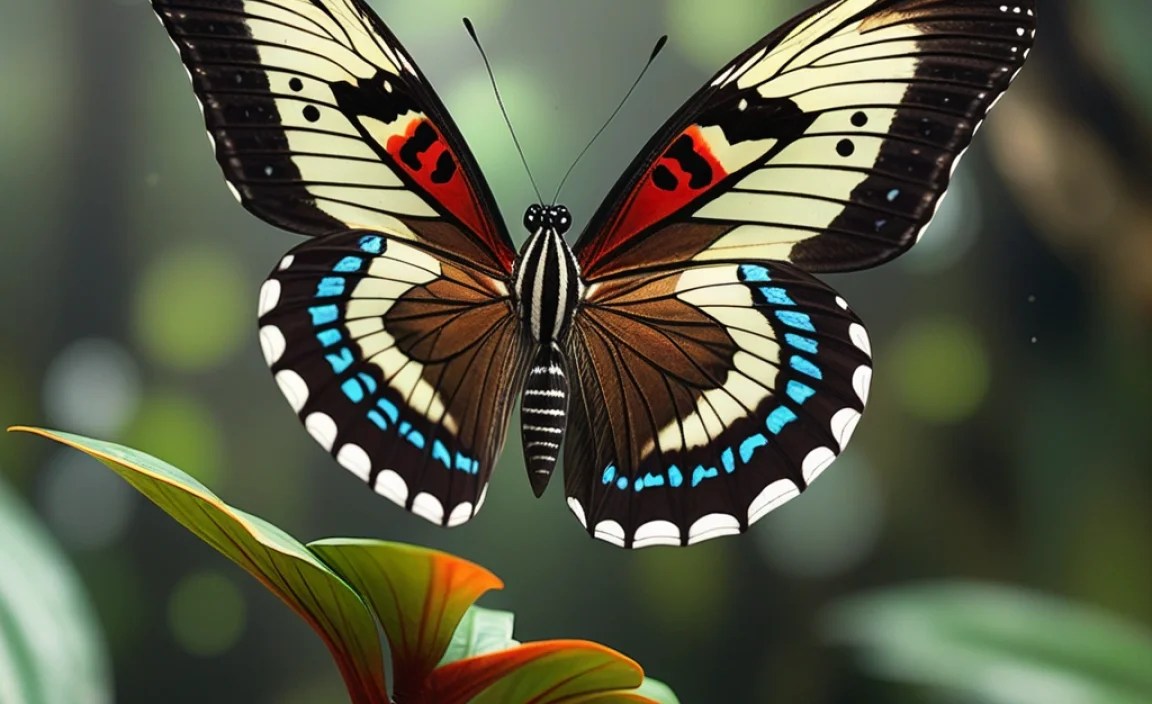
The Queen Alexandra’s Birdwing is a giant butterfly. It is the largest butterfly in the world. It lives only in Papua New Guinea. This makes it a very special and rare butterflies in Papua New Guinea. The female butterfly is bigger than the male. Her wings can spread almost a foot wide. The butterfly lives in a small area of rainforest. This area is called the Managalas Plateau. Sadly, this butterfly is endangered. Its home is being destroyed. People are cutting down the forest for farms. This leaves the butterfly with nowhere to live. Scientists are working to save the Queen Alexandra’s Birdwing. They are trying to protect its forest home. They are also teaching people about the butterfly. They hope that by learning about it, people will want to help save it. It’s important to protect this amazing butterfly. It is a treasure of Papua New Guinea.
- It is the largest butterfly.
- It only lives in PNG.
- It is an endangered species.
- Habitat loss is a major threat.
- Conservation efforts are underway.
The Queen Alexandra’s Birdwing has a unique life cycle. The female butterfly lays her eggs on a special vine. This vine is the only food that the caterpillars eat. When the caterpillars hatch, they eat the vine leaves. They grow very quickly. After a few weeks, they turn into pupae. The pupae hang from the vine. After a few weeks, the butterfly emerges. The butterfly is very beautiful. It has bright colors and patterns. It flies through the rainforest, looking for nectar. It drinks the nectar from flowers. This gives it energy. The butterfly lives for a few months. During this time, it lays eggs and continues the cycle. The Queen Alexandra’s Birdwing is a symbol of Papua New Guinea’s natural beauty. We must do everything we can to protect it. This will ensure that it survives for future generations.
| Feature | Queen Alexandra’s Birdwing | Typical Butterfly |
|---|---|---|
| Wingspan | Up to 12 inches | 1-5 inches |
| Habitat | Specific PNG rainforest | Various habitats worldwide |
| Conservation Status | Endangered | Varies by species |
| Larval Food | Specific Aristolochia vine | Various plants |
Fun Fact or Stat: The Queen Alexandra’s Birdwing is so rare that it is protected by international law!
What Is Being Done to Help?
People are working hard to save the Queen Alexandra’s Birdwing. Scientists are studying the butterfly. They are learning about its needs. Conservation groups are working to protect its habitat. They are buying land to create protected areas. They are also working with local communities. They are teaching them about sustainable farming. This means farming that does not harm the environment. The government of Papua New Guinea is also helping. It has made laws to protect the butterfly. It is also working to stop illegal logging. Rare butterflies in Papua New Guinea need everyone’s help. We can support these efforts by donating to conservation groups. We can also educate others about the importance of protecting butterflies. Together, we can make a difference.
How Can Local Communities Help?
Local communities play a big role in protecting butterflies. They live near the butterfly’s habitat. They can help protect it from harm. They can also benefit from butterfly conservation. Ecotourism can bring money to the community. People can visit the area to see the butterflies. This creates jobs and supports local businesses. Communities can also participate in butterfly farming. They can raise butterflies and sell them. This provides a sustainable income. Rare butterflies in Papua New Guinea are a valuable resource. Local communities can help protect them. In return, they can improve their lives. It’s a win-win situation. By working together, we can protect butterflies and support local communities.
What Can Students Do to Help?
Students can do many things to help butterflies. They can learn about butterflies in school. They can also visit butterfly gardens. They can plant butterfly-friendly plants in their gardens. They can avoid using pesticides. Pesticides can harm butterflies. Students can also spread the word about butterfly conservation. They can tell their friends and family about the importance of protecting butterflies. Rare butterflies in Papua New Guinea need the help of young people. Students can make a difference. They can become butterfly champions. They can help ensure that these beautiful creatures survive for future generations.
Other Notable Rare PNG Butterflies
Papua New Guinea is home to many other rare butterflies in Papua New Guinea. Besides the Queen Alexandra’s Birdwing, several other species are unique and threatened. These butterflies often have specific habitat needs. They may only live in certain parts of the country. Protecting these areas is crucial for their survival. Some of these butterflies are brightly colored. Others have unique patterns. They all contribute to the biodiversity of Papua New Guinea. Learning about these butterflies helps us appreciate the natural world. It also inspires us to protect it. Conservation efforts focus on preserving their habitats. This ensures that these butterflies continue to thrive.
- Many rare butterflies exist.
- They have unique patterns.
- Habitat protection is key.
- PNG has high biodiversity.
- Conservation is important.
One example is the Blue Mountain Swallowtail. This butterfly is found in the mountains of Papua New Guinea. It has beautiful blue wings with black markings. Another example is the Paradise Birdwing. This butterfly is brightly colored with yellow and black wings. It is found in lowland rainforests. The Tailed Emperor is another notable species. It has long tails on its hindwings. These butterflies are all vulnerable to habitat loss. Deforestation and agriculture threaten their survival. Climate change also poses a risk. Changes in temperature and rainfall can affect their habitats. Protecting these rare butterflies in Papua New Guinea requires a comprehensive approach. This includes habitat conservation, sustainable land management, and community involvement. By working together, we can ensure that these butterflies continue to grace the skies of Papua New Guinea.
Fun Fact or Stat: Papua New Guinea is estimated to have over 700 species of butterflies, many of which are found nowhere else!
The Blue Mountain Swallowtail
The Blue Mountain Swallowtail is a stunning butterfly. It lives in the mountains of Papua New Guinea. Its wings are a vibrant blue color. They also have black markings. This butterfly is a true gem of the rainforest. It is an indicator species. This means its presence shows a healthy environment. The Blue Mountain Swallowtail faces many threats. Habitat loss is a major concern. Climate change also affects its mountain home. Conservation efforts are crucial for its survival. Rare butterflies in Papua New Guinea like this need special attention. Protecting their habitat ensures their future. Supporting local conservation groups can help. Education is also key to raising awareness.
The Paradise Birdwing
The Paradise Birdwing is another beautiful butterfly. It is found in the lowland rainforests. Its wings are brightly colored. They have yellow and black patterns. This butterfly is a sight to behold. It is a symbol of Papua New Guinea’s natural beauty. The Paradise Birdwing is threatened by deforestation. Its rainforest habitat is being destroyed. Sustainable practices can help protect it. Rare butterflies in Papua New Guinea need our help. We can support ecotourism in the area. This provides income for local communities. It also encourages them to protect the forest. Conservation is a shared responsibility.
The Tailed Emperor
The Tailed Emperor is a unique butterfly. It has long tails on its hindwings. This gives it a distinctive appearance. It is found in various habitats in Papua New Guinea. This butterfly faces threats from habitat loss. It is also affected by climate change. Protecting its habitat is essential. Sustainable land management can help. Rare butterflies in Papua New Guinea benefit from these efforts. We can support responsible forestry practices. We can also reduce our carbon footprint. Every little bit helps to protect these amazing creatures.
Summary
Papua New Guinea is a treasure trove of biodiversity. It is home to many unique and rare butterflies in Papua New Guinea. These butterflies face numerous threats. Habitat loss, climate change, and pollution all endanger them. Protecting these butterflies is essential for maintaining the health of the ecosystem. It also preserves the natural beauty of Papua New Guinea. Conservation efforts require a comprehensive approach. This includes habitat protection, sustainable land management, and community involvement.
By supporting these efforts, we can help ensure that these amazing creatures survive for generations to come. Education is also key. Raising awareness about the importance of butterflies can inspire action. Ecotourism can provide economic benefits. It encourages local communities to protect their natural resources. The rare butterflies in Papua New Guinea are a valuable asset. We must work together to safeguard them.
Conclusion
The rare butterflies in Papua New Guinea are a testament to the country’s rich biodiversity. These unique and beautiful creatures face many challenges. Habitat loss and climate change pose significant threats. We must take action to protect them. Conservation efforts require a collaborative approach. Local communities, scientists, and governments must work together. By supporting sustainable practices and raising awareness, we can help ensure the survival of these amazing butterflies. Let’s do our part to protect these treasures for future generations.
Frequently Asked Questions
Question No 1: What makes Papua New Guinea a special place for butterflies?
Answer: Papua New Guinea is special because it has many different habitats. These habitats include rainforests, mountains, and swamps. Each habitat supports different butterfly species. Many of these butterflies are found nowhere else in the world. This makes Papua New Guinea a biodiversity hotspot. It is a very important place for butterfly conservation. The warm and humid climate also helps rare butterflies in Papua New Guinea thrive. The island’s isolation has allowed unique species to evolve over time, making it a haven for butterfly enthusiasts.
Question No 2: What are the main threats to butterflies in Papua New Guinea?
Answer: The main threats to butterflies in Papua New Guinea are habitat loss, climate change, and pollution. Habitat loss occurs when forests are cut down for farming or logging. This destroys the butterfly’s home. Climate change affects the weather patterns. This makes it harder for butterflies to survive. Pollution from pesticides can also harm butterflies. These threats put many rare butterflies in Papua New Guinea at risk of extinction. Conservation efforts are needed to protect their habitats and reduce these threats. Sustainable farming practices and responsible forestry can help mitigate these issues.
Question No 3: What is the Queen Alexandra’s Birdwing?
Answer: The Queen Alexandra’s Birdwing is the largest butterfly in the world. It is found only in a small area of Papua New Guinea. The female butterfly can have a wingspan of almost a foot. This butterfly is endangered. Its habitat is being destroyed. Conservation efforts are underway to protect it. The Queen Alexandra’s Birdwing is a symbol of Papua New Guinea’s natural beauty. Protecting this species is vital. It highlights the importance of conserving rare butterflies in Papua New Guinea and their habitats.
Question No 4: How can local communities help protect butterflies?
Answer: Local communities can play a vital role in protecting butterflies. They can participate in ecotourism. This brings money to the community. It also encourages them to protect the forest. They can also practice sustainable farming. This helps to protect the environment. Education is also important. Communities can learn about the importance of butterflies. This can inspire them to take action. By involving local communities, conservation efforts are more likely to succeed. They can also protect the rare butterflies in Papua New Guinea in the process.
Question No 5: What can students do to help butterflies?
Answer: Students can do many things to help butterflies. They can learn about butterflies in school. They can also visit butterfly gardens. They can plant butterfly-friendly plants in their gardens. They can avoid using pesticides. Students can also spread the word about butterfly conservation. They can tell their friends and family about the importance of protecting butterflies. Even small actions can make a big difference. Every effort counts when trying to protect rare butterflies in Papua New Guinea.
Question No 6: What are some other notable rare butterflies in Papua New Guinea besides the Queen Alexandra’s Birdwing?
Answer: Besides the Queen Alexandra’s Birdwing, Papua New Guinea is home to many other notable rare butterflies. These include the Blue Mountain Swallowtail, the Paradise Birdwing, and the Tailed Emperor. Each of these butterflies has unique characteristics and faces specific threats. The Blue Mountain Swallowtail, with its vibrant blue wings, is particularly vulnerable to climate change affecting its mountain habitat. Protecting these diverse species requires a comprehensive conservation strategy focused on preserving their habitats and promoting sustainable land use practices. Conserving these rare butterflies in Papua New Guinea is essential for maintaining the country’s rich biodiversity.


