
Butterfly UV Reflection Research: See the Secret

Quick Summary:
Butterfly UV reflection research explores how butterflies use ultraviolet (UV) light patterns on their wings for communication, especially in mate selection. Scientists study these UV patterns using special cameras and spectrophotometers to uncover the hidden signals that butterflies see but humans can’t. This helps us understand butterfly behavior and protect these important pollinators.
Have you ever wondered if butterflies see the world differently than we do? It turns out they do! Butterflies can see ultraviolet (UV) light, which is invisible to human eyes. This UV vision plays a big role in how they find mates and even how they recognize each other. Understanding butterfly UV reflection can unlock secrets about their behavior and help us protect them.
In this article, we’ll explore the fascinating world of butterfly UV reflection research. We’ll look at how scientists study these hidden patterns and what they’ve discovered about butterfly communication. Get ready to see butterflies in a whole new light!
What is Butterfly UV Reflection?
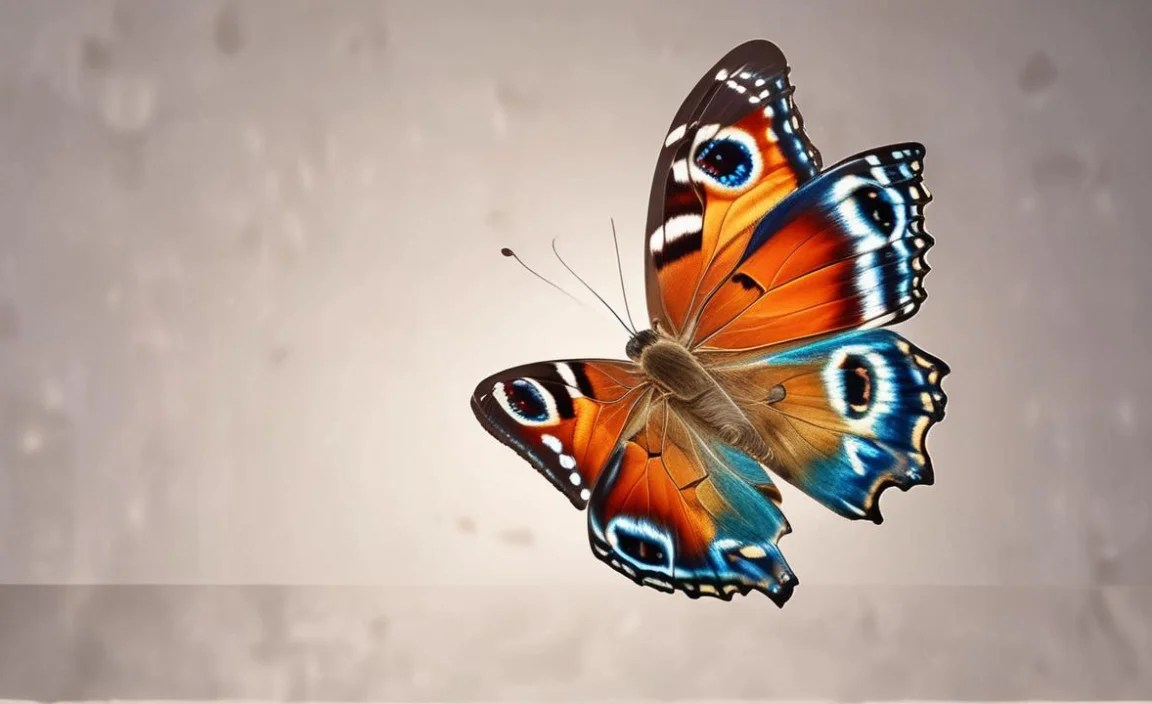
Butterfly wings aren’t just colorful to us; they also reflect ultraviolet (UV) light in patterns that only butterflies can see. These patterns act like secret signals, helping them find the right mate and tell each other apart. It’s like they have a hidden language written on their wings!
UV reflection happens because of the tiny structures on butterfly wings called scales. These scales contain pigments and structures that reflect UV light in specific ways. Some butterflies have bright, bold UV patterns, while others have more subtle designs. The strength and pattern of UV reflection can vary between species, and even between males and females of the same species.
Why is UV Reflection Important to Butterflies?
- Mate Selection: UV patterns help butterflies choose the best mate. Females may prefer males with brighter or more complex UV signals, which can indicate good health and strong genes.
- Species Recognition: UV patterns can help butterflies recognize members of their own species. This is important for avoiding mating with the wrong species, which wouldn’t produce viable offspring.
- Camouflage and Predator Avoidance: While UV patterns are used for communication within their species, they can also play a role in camouflage. Some UV patterns may help butterflies blend in with their environment or confuse predators.
How Scientists Study Butterfly UV Reflection
Scientists use special tools and techniques to study butterfly UV reflection. Since humans can’t see UV light, they need specialized equipment to capture and analyze these hidden patterns. Here’s a look at some common methods:
1. UV Photography
UV photography involves using a camera modified to capture ultraviolet light. Here’s how it works:
- Specialized Cameras: Scientists use cameras with lenses that allow UV light to pass through. Regular camera lenses block UV light, so they need to use special UV-transmitting lenses.
- UV Light Source: To take UV photos, researchers use a UV light source to illuminate the butterfly wings. This makes the UV patterns visible to the camera.
- Filters: UV filters are used to block out visible light and only allow UV light to reach the camera sensor. This ensures that the resulting image shows only the UV reflection patterns.
- Image Analysis: Once the UV photos are taken, scientists can analyze them using image processing software. This allows them to measure the intensity and pattern of UV reflection on different parts of the butterfly’s wings.
2. Spectrophotometry
Spectrophotometry is a technique that measures the amount of light reflected by a surface at different wavelengths. This can provide detailed information about the UV reflection properties of butterfly wings.
- Spectrophotometer: A spectrophotometer shines a beam of light onto the butterfly wing and measures the amount of light that is reflected back. It does this for a range of wavelengths, including UV light.
- Data Analysis: The data collected by the spectrophotometer can be used to create a reflectance spectrum. This spectrum shows how much light is reflected at each wavelength. Scientists can then analyze the spectrum to determine the strength and characteristics of UV reflection.
- Quantitative Measurements: Spectrophotometry provides quantitative measurements of UV reflection, which can be compared across different species or individuals. This allows researchers to study how UV reflection varies and what factors influence it.
3. Behavioral Experiments
Behavioral experiments are used to study how butterflies respond to UV patterns. By manipulating UV signals, scientists can learn how these patterns influence butterfly behavior, such as mate choice.
- Manipulating UV Patterns: Researchers can alter the UV patterns on butterfly wings by applying UV-absorbing chemicals or using UV-blocking filters. This allows them to create butterflies with different UV signals.
- Mate Choice Experiments: In mate choice experiments, female butterflies are presented with males that have different UV patterns. The researchers then observe which males the females prefer. This can reveal whether UV patterns play a role in mate selection.
- Observational Studies: Scientists also conduct observational studies in the field to see how butterflies interact with each other in their natural environment. By observing butterfly behavior and correlating it with UV patterns, they can gain insights into the function of UV reflection.
Examples of Butterfly UV Reflection Research

Here are a few examples of studies that have shed light on the importance of UV reflection in butterflies:
1. Pieris Butterflies
Studies on Pieris butterflies (like the cabbage white butterfly) have shown that males have UV-reflective wing patterns that females use to assess their quality as potential mates. Females prefer males with stronger UV signals, which are often associated with larger size and better health.
2. Heliconius Butterflies
Research on Heliconius butterflies has revealed that UV reflection plays a role in species recognition. Different Heliconius species have different UV patterns, which helps them avoid hybridizing with other species.
3. Monarch Butterflies
While Monarch butterflies are well-known for their vibrant orange wings, they also exhibit UV reflectance. Research suggests that UV patterns may aid in mate recognition and potentially play a role in their complex migration behaviors.
Tools and Equipment for Studying Butterfly UV Reflection
Studying butterfly UV reflection requires specialized tools. Here’s a list of equipment commonly used in research:
- UV Camera: A camera modified to capture ultraviolet light.
- UV Lens: Special lens that allows UV light to pass through.
- UV Filters: Filters that block visible light and only allow UV light to reach the camera sensor.
- UV Light Source: A lamp or flashlight that emits ultraviolet light.
- Spectrophotometer: A device that measures the amount of light reflected by a surface at different wavelengths.
- Computer: A computer for data analysis and image processing.
- Image Processing Software: Software for analyzing UV photos and reflectance spectra.
Ethical Considerations in Butterfly Research
When studying butterflies, it’s important to consider the ethical implications of your research. Here are some guidelines to follow:
- Minimize Disturbance: Avoid disturbing butterflies or their habitats as much as possible. Observe butterflies from a distance and avoid handling them unless necessary.
- Obtain Permits: If you plan to collect butterflies for research, make sure to obtain the necessary permits from local authorities.
- Release Butterflies: If you collect butterflies for research, release them back into their natural habitat after you’re done studying them.
- Protect Habitats: Support efforts to protect butterfly habitats, such as planting native plants and reducing pesticide use.
How to See UV Reflection (Sort Of)
While we can’t see UV light with our naked eyes, there are ways to get a glimpse of how butterflies might perceive UV reflection.
1. UV Photography
While you need specialized equipment to capture true UV photos, you can find many UV images of butterflies online. These images can give you an idea of what UV patterns look like.
2. UV-Reflecting Flowers
Some flowers have UV patterns that attract pollinators, including butterflies. You can sometimes see these patterns by taking a photo of the flower with your smartphone camera and then adjusting the brightness and contrast.
3. Butterfly Gardens
Visit a butterfly garden and observe how butterflies interact with each other and with the flowers. While you won’t be able to see the UV patterns directly, you may be able to infer their presence based on butterfly behavior.
The Future of Butterfly UV Reflection Research
Butterfly UV reflection research is an ongoing field with many exciting possibilities for future study. Here are some potential directions for research:
- Genetic Basis: Scientists are working to identify the genes that control UV reflection in butterflies. This could help us understand how UV patterns evolve and how they are influenced by environmental factors.
- Environmental Impacts: Researchers are investigating how environmental changes, such as pollution and climate change, affect UV reflection in butterflies. This could help us assess the impact of these changes on butterfly populations.
- Conservation Applications: Understanding UV reflection could help us develop better conservation strategies for butterflies. For example, we could use UV patterns to identify important habitats or to assess the health of butterfly populations.
Table: Examples of Butterfly Species and Their UV Reflection Characteristics
| Species | UV Reflection Characteristics | Significance |
|---|---|---|
| Pieris napi (Green-veined White) | Males have UV-reflective wingtips. | Females prefer males with stronger UV signals, indicating better health. |
| Colias eurytheme (Orange Sulphur) | Males have strong UV reflection on dorsal wings. | Important for mate recognition and selection. |
| Heliconius charithonia (Zebra Longwing) | Distinct UV patterns that vary between subspecies. | Aids in species recognition and prevents hybridization. |
| Papilio xuthus (Asian Swallowtail) | UV reflection varies depending on geographic location. | May reflect adaptation to different environmental conditions. |
| Vanessa cardui (Painted Lady) | Subtle UV patterns on wings. | Potentially used for camouflage or intraspecific communication. |
Table: Tools for Butterfly UV Reflection Research
| Tool | Description | Use |
|---|---|---|
| UV Camera | Specialized camera that captures ultraviolet light. | Capturing images of UV reflection patterns on butterfly wings. |
| Spectrophotometer | Measures the amount of light reflected at different wavelengths. | Quantifying the strength and characteristics of UV reflection. |
| UV Filters | Filters that block visible light and allow only UV light to pass through. | Isolating UV light for photography and analysis. |
| Image Processing Software | Software for analyzing and enhancing UV images. | Measuring the intensity and pattern of UV reflection. |
| UV Light Source | Lamp or flashlight that emits ultraviolet light. | Illuminating butterfly wings for UV photography. |
FAQ: Butterfly UV Reflection Research
1. What is UV light?
UV light is a type of electromagnetic radiation that is invisible to the human eye. It has a shorter wavelength than visible light and can be detected by certain animals, including butterflies.
2. Can humans see UV reflection on butterflies?
No, humans cannot see UV reflection with their naked eyes. We need special equipment, such as UV cameras, to capture and visualize these patterns.
3. Why do butterflies need UV reflection?
UV reflection helps butterflies with mate selection, species recognition, and possibly camouflage. It’s a way for them to communicate and interact with their environment.
4. How do scientists study UV reflection?
Scientists use UV photography, spectrophotometry, and behavioral experiments to study UV reflection in butterflies. These methods allow them to capture, analyze, and understand UV patterns and their functions.
5. Are all butterflies UV reflective?
Not all butterflies have the same level of UV reflection. Some species have bright, bold UV patterns, while others have more subtle designs. The strength and pattern of UV reflection can vary between species and even between males and females of the same species.
6. Can UV reflection be affected by environmental factors?
Yes, environmental factors such as pollution and climate change can affect UV reflection in butterflies. These changes can impact butterfly communication and behavior.
7. How can I help protect butterflies?
You can help protect butterflies by planting native plants, reducing pesticide use, and supporting conservation efforts. Protecting their habitats is crucial for their survival.
Conclusion
Butterfly UV reflection research opens a window into a world we can’t see with our own eyes. These hidden patterns play a crucial role in butterfly communication, mate selection, and species recognition. By studying UV reflection, scientists can learn more about butterfly behavior and develop better conservation strategies. As we continue to explore the secrets of butterfly wings, we gain a deeper appreciation for the beauty and complexity of the natural world. Understanding butterfly UV reflection helps us protect these incredible creatures and their habitats for future generations.


