Easy Species Identification of Algae: A Smart Guide

Have you ever seen green slime in a pond? That slime might be algae. Algae are simple plants that live in water. There are many different kinds of algae. Scientists need to know what kinds they are. That is where {species identification of algae} comes in. It helps us learn about these tiny plants.
Algae are everywhere. They make their own food from sunlight. Some algae are big, like seaweed. Others are so small you need a microscope to see them. Learning about algae helps us protect our planet.
Why is it important to know about algae? Algae can tell us if water is clean. Some algae can even make fuel. {Species identification of algae} lets us use algae to help the world. It’s like being a detective for tiny plants!
Key Takeaways
- Species identification of algae helps us understand different types and their roles.
- Microscopes are important tools to see small algae and their unique features.
- Knowing algae species helps monitor water quality and environmental health.
- DNA sequencing gives precise and reliable methods for algae identification.
- Identifying algae supports research in biofuels, medicine, and other cool areas.
Understanding Algae Species Identification
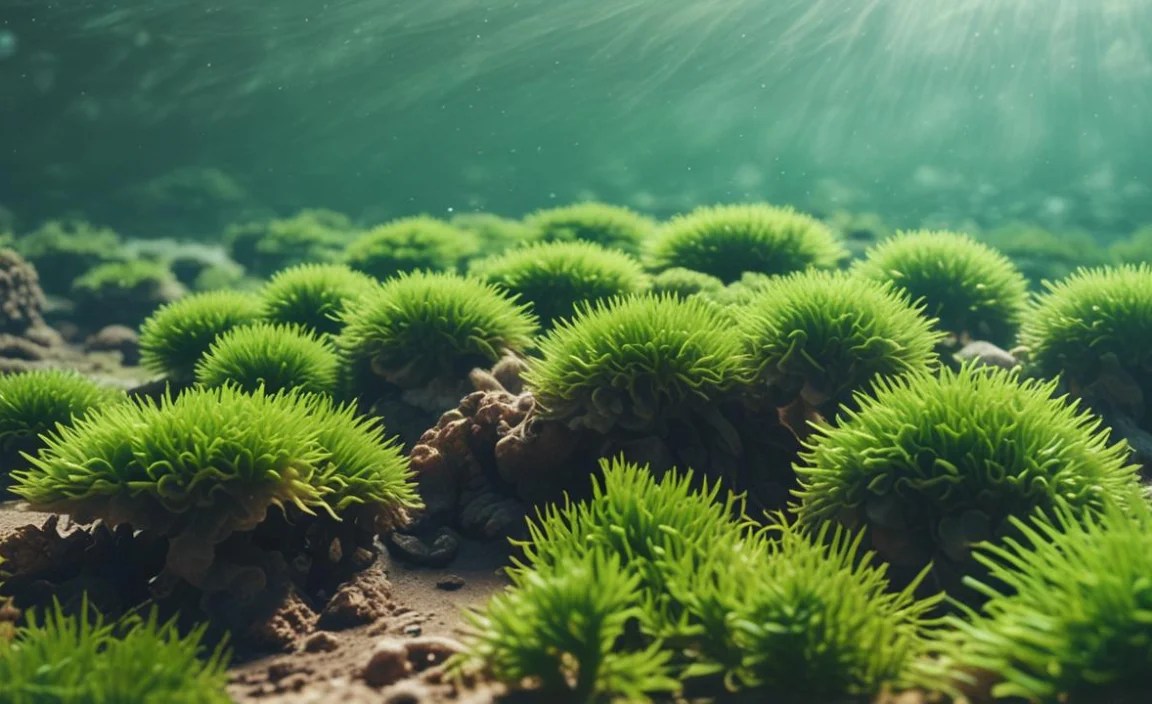
Species identification of algae is like giving each type of algae its own name. Algae come in many shapes and sizes. Some are green, some are brown, and some are even red. They live in oceans, lakes, and rivers. Identifying them helps us understand their role in the environment. Scientists use different tools and methods to do this. They might look at the algae under a microscope. Or, they might use special tests to check their DNA. Knowing what kind of algae is present can tell us if the water is healthy. It can also help us find new ways to use algae for things like making energy or cleaning up pollution. This identification process is very important for protecting our planet.
- Algae come in various colors like green, brown, and red.
- Microscopes help see tiny details of algae cells.
- DNA tests can precisely identify algae species.
- Water quality can be checked by identifying algae.
- Algae can be used to make energy and clean pollution.
- Different algae live in oceans, lakes, and rivers.
Think of algae as tiny detectives that can tell us secrets about the water they live in. When we identify algae species, we can learn if the water is polluted or clean. Some algae are good and help keep the water healthy. Others can be harmful and cause problems. By knowing which algae are present, we can take steps to protect our water sources. This helps keep the environment healthy for everyone. Plus, scientists are always discovering new and exciting uses for algae. Identifying them is the first step in unlocking their potential.
Why Is Algae Identification Important?
Have you ever wondered why it is important to know the names of different algae? Imagine you are a doctor. You need to know what kind of sickness a person has before you can help them get better. It’s the same with algae. Knowing the species of algae helps us understand what is happening in the water. Some algae are helpful and produce oxygen. Others can be harmful and create toxins. By identifying the species, we can monitor water quality. We can also take action to protect the environment and human health. This is why algae identification is so important.
What Tools Are Used to Identify Algae?
Imagine you are a detective looking for clues. You need special tools to help you solve the mystery. Scientists use tools to identify algae. Microscopes are like magnifying glasses. They help us see tiny details of the algae. Chemical tests can tell us about the algae’s DNA. These tools help scientists to know the species of algae. The right tools make the job of identifying algae much easier. They also make it more accurate. With these tools, scientists can protect our water resources.
How Can Algae Help Us?
Did you know that algae can help us in many ways? They can make food, fuel, and medicine. Some algae can clean up pollution. These tiny plants are like superheroes. Identifying the species of algae helps us use them for these purposes. For example, some algae can be grown to make biofuel. This is a clean energy source that can replace gasoline. Other algae can be used to make vitamins and medicines. By knowing what kind of algae we have, we can use them to improve our lives.
Fun Fact or Stat: Algae produce over 50% of the Earth’s oxygen!
Methods for Algae Species Identification
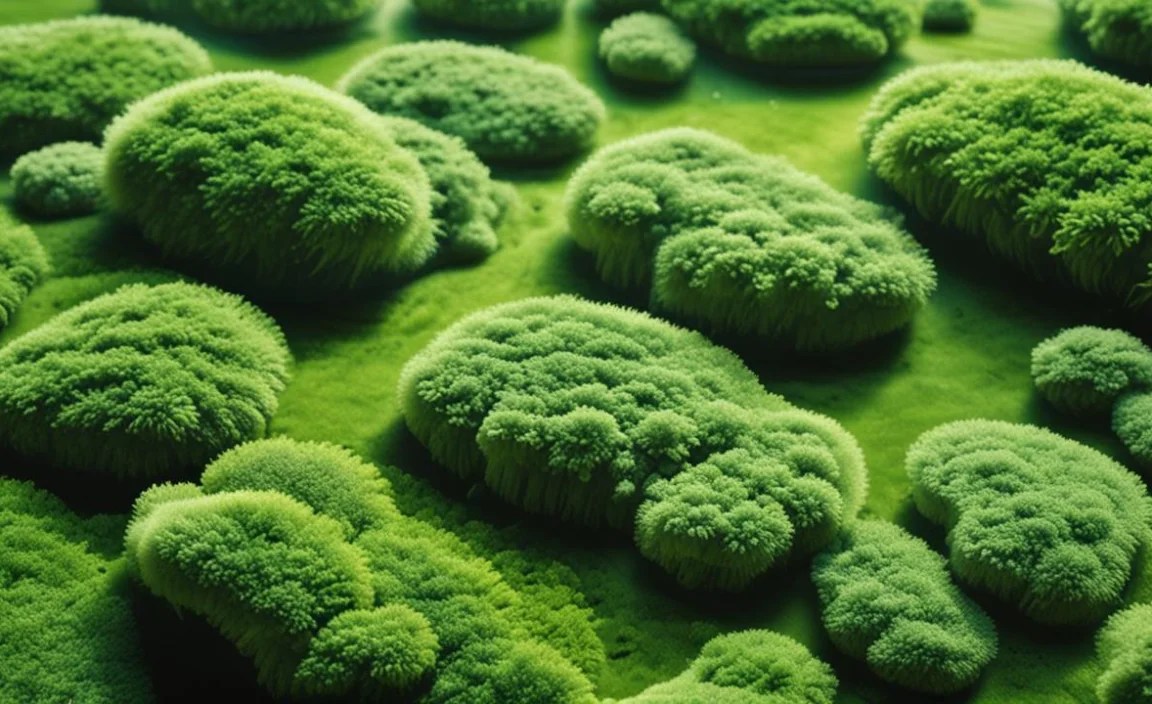
There are many ways to identify {species identification of algae}. One way is to look at them under a microscope. You can see their shape, size, and color. Another way is to use DNA sequencing. This is like reading the algae’s genetic code. It tells you exactly what kind of algae it is. Scientists also use chemical tests. These tests can find special substances in the algae. Each method has its own advantages. Some are quick and easy. Others are more accurate but take more time. Scientists often use a combination of methods to be sure they have the right identification. This helps them understand the algae and its role in the environment.
- Microscopy shows shape, size, and color.
- DNA sequencing reads the algae’s genetic code.
- Chemical tests find special substances.
- Quick methods are easy but less accurate.
- Accurate methods take more time.
Imagine you are trying to identify a bird. You could look at its feathers, size, and beak shape. That’s like using a microscope for algae. Or, you could use a bird book to match the bird to a picture. That’s like using a guide book for algae. But what if the bird is rare or unusual? Then you might need to take a DNA sample. That’s like using DNA sequencing for algae. Each method gives you different information. Using them together gives you the best chance of identifying the species correctly.
Microscopic Examination of Algae
Have you ever used a magnifying glass to look at something small? A microscope is like a super-powered magnifying glass. It lets us see tiny details of algae. We can see the shape of their cells. We can see the structures inside the cells. This helps us tell different species of algae apart. It’s like looking at the fingerprints of algae. Each species has its own unique features. By examining algae under a microscope, we can learn a lot about them.
DNA Sequencing for Algae
Imagine that every living thing has a special code. This code is called DNA. DNA is like a secret language that tells us who we are. Scientists can read the DNA of algae. This helps them identify the species of algae. It is like having a super-accurate ID card for each type of algae. DNA sequencing is a powerful tool. It helps us understand the relationships between different algae. It also helps us discover new species.
Using Chemical Tests for Algae
Imagine you are a detective trying to solve a mystery. You might use chemical tests to find clues. Scientists use chemical tests to identify algae. These tests can find special substances in the algae. Some algae have unique chemicals that others don’t. This helps us tell them apart. It’s like using a special marker to identify each species of algae. Chemical tests can be very useful. They help us understand the differences between algae.
Fun Fact or Stat: There are over 30,000 known species of algae!
Importance of Accurate Algae Identification
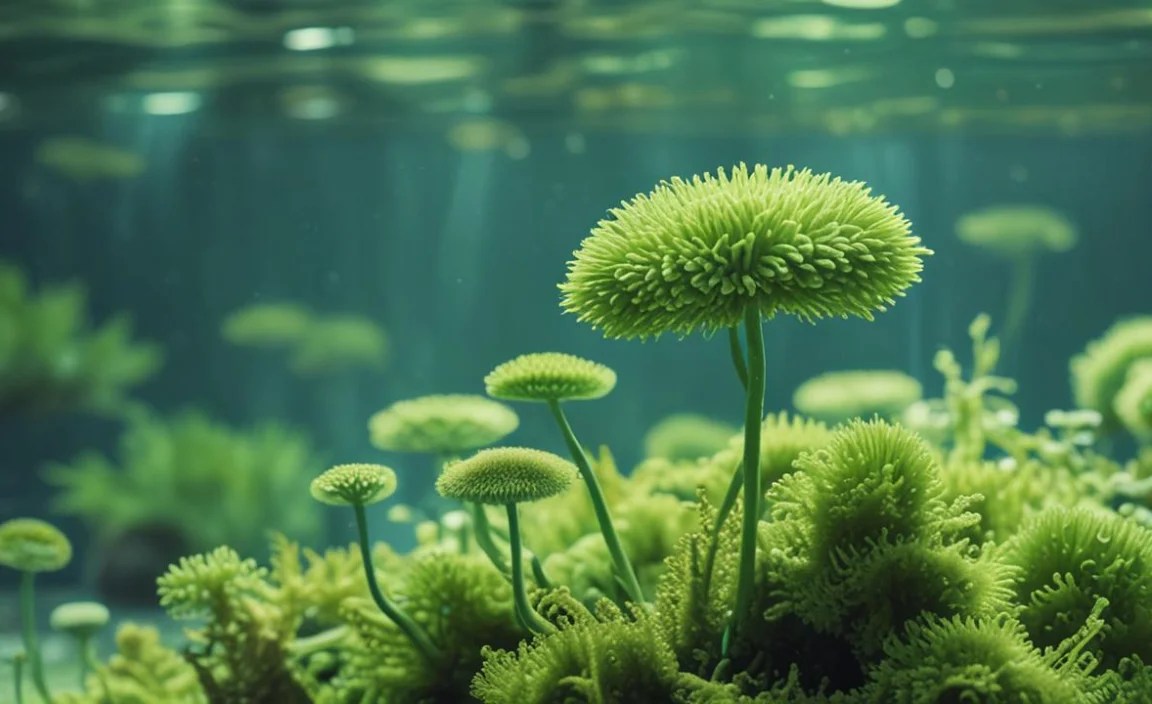
Why is it important to get the {species identification of algae} right? Imagine you are building a house. You need to use the right tools and materials. If you use the wrong ones, the house might fall down. It’s the same with algae. If we don’t identify them correctly, we might not understand their role in the environment. We might not be able to use them properly for things like making fuel or cleaning up pollution. Accurate identification is important for protecting our water resources. It also helps us use algae in helpful ways.
- Correct identification helps understand algae’s role.
- Accurate ID is needed for using algae properly.
- Right ID protects water resources.
- Wrong ID can lead to misunderstandings.
- Good ID helps use algae for fuel and cleanup.
Think of it like this: imagine you have a box of LEGO bricks. If you want to build a specific model, you need to find the right pieces. If you use the wrong pieces, the model won’t look right. Identifying algae is like finding the right LEGO pieces. When we know what kind of algae we have, we can understand how it fits into the environment. We can also use it to build new things, like biofuels or medicines. Accurate identification is the key to unlocking the potential of algae.
Protecting Water Quality with Algae ID
Have you ever seen a pond that is covered in green slime? That slime might be algae. Some algae are good and help keep the water clean. Other algae can be harmful and cause problems. By identifying the species of algae, we can know if the water is healthy. We can take steps to protect the water if needed. Accurate algae ID is like having a check-up for the water.
Using Algae for Biofuel Production
Did you know that algae can be used to make fuel? This fuel is called biofuel. Biofuel is a clean energy source that can replace gasoline. Some species of algae are better at making biofuel than others. By identifying the right algae, we can make more biofuel. This helps us reduce our reliance on fossil fuels. It also helps us protect the environment.
Algae in Medical Research
Imagine that algae could help us find new medicines. Some algae have special chemicals that can fight diseases. Scientists are studying algae to find these chemicals. Identifying the species of algae is the first step. We need to know what kind of algae we have before we can study it. Algae could be the key to new treatments for diseases like cancer and Alzheimer’s.
Fun Fact or Stat: Some algae can grow up to 60 meters long!
Tools and Equipment for Identification
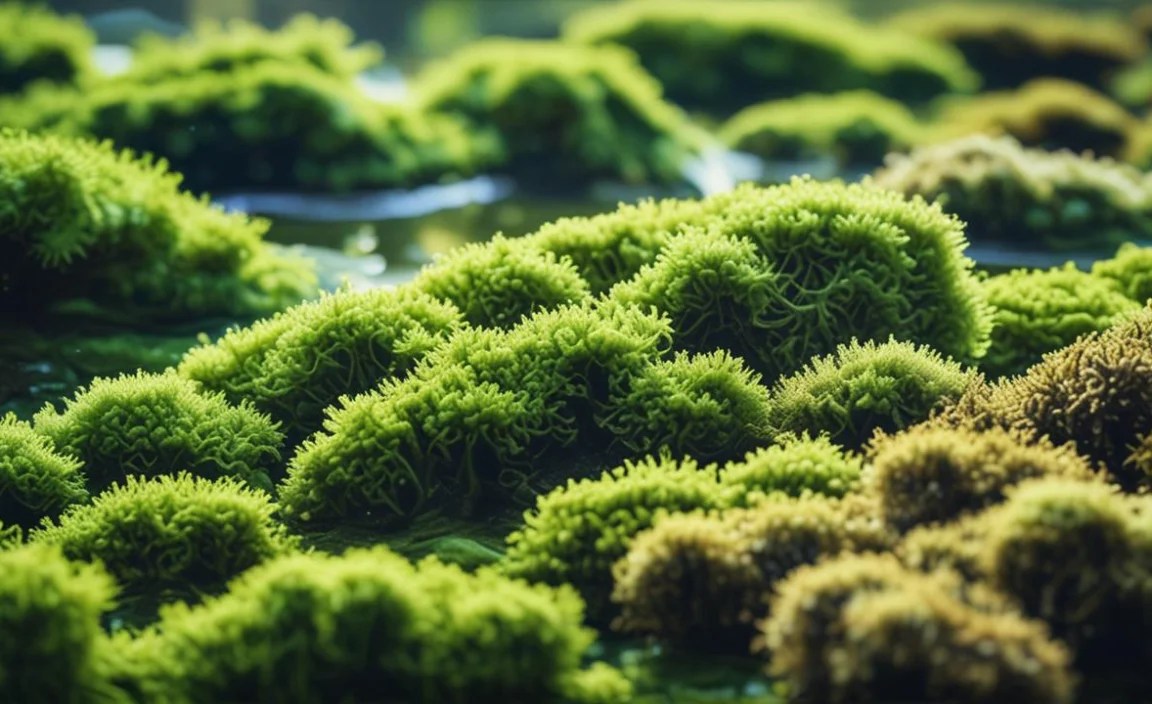
To identify {species identification of algae}, you need some special tools. A microscope is very important. It lets you see the tiny details of the algae. You also need slides and coverslips. These are used to prepare the algae for viewing under the microscope. A centrifuge can help separate the algae from water. Chemicals are needed for DNA sequencing and other tests. Finally, you need reference books and databases. These help you compare the algae you find to known species. Having the right tools makes the job much easier and more accurate.
- Microscopes help see tiny details.
- Slides and coverslips prepare algae.
- Centrifuges separate algae from water.
- Chemicals are needed for tests.
- Reference books help identify species.
Think of it like being a chef. To cook a delicious meal, you need the right pots, pans, and utensils. You also need the right ingredients. Identifying algae is similar. You need the right tools and equipment to do the job well. A microscope is like a chef’s knife. Chemicals are like spices. Reference books are like cookbooks. Having these tools helps you create a perfect “recipe” for identifying algae.
Microscopes and Their Importance
Have you ever looked at something really small through a magnifying glass? A microscope does the same thing, but much better. Microscopes are very important for identifying algae. They let us see the tiny details that we can’t see with our eyes. We can see the shape of the cells. We can see the structures inside the cells. This helps us tell different species of algae apart. Without microscopes, it would be very hard to identify algae.
Using Centrifuges in Algae Studies
Imagine you have a mixture of sand and water. How would you separate the sand from the water? You could use a filter. A centrifuge is like a super-fast filter. It spins the mixture very quickly. This causes the algae to settle to the bottom. Then, you can pour off the water. This makes it easier to study the algae. Centrifuges are very useful for preparing algae samples for identification.
Chemicals and Reagents for Algae ID
Imagine you are a scientist mixing chemicals in a lab. You need to be very careful and precise. Identifying algae often involves using chemicals. These chemicals can help us extract DNA from the algae. They can also help us stain the algae so we can see them better under a microscope. The right chemicals are essential for accurate species identification of algae.
Fun Fact or Stat: Some microscopes can magnify objects over 1,000 times!
Challenges in Algae Species Identification
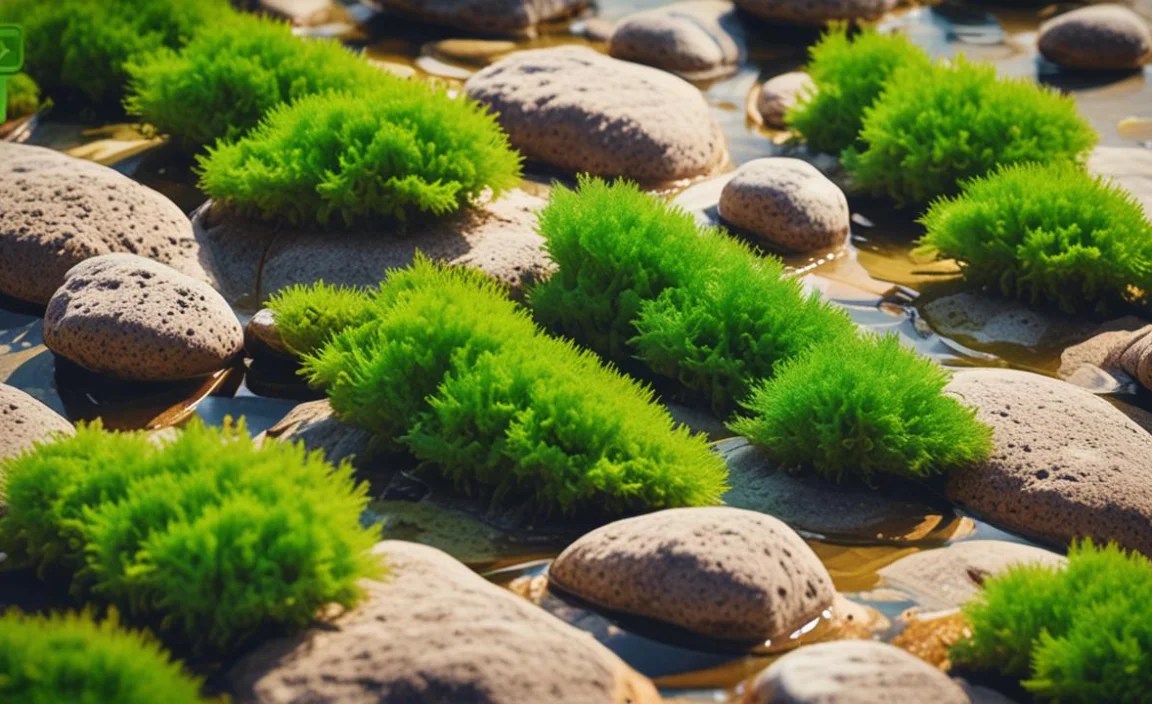
Identifying {species identification of algae} can be tricky. Some algae are very small. It can be hard to see their details, even with a microscope. Also, some algae look very similar to each other. It can be hard to tell them apart. Another challenge is that algae can change their appearance depending on the environment. This can make it even harder to identify them. Finally, there are many different kinds of algae. Scientists are still discovering new species. This means that the job of identifying algae is always changing.
- Algae can be very small.
- Some algae look alike.
- Algae change appearance.
- Many algae species exist.
- New species are still found.
Think of it like trying to identify different types of butterflies. Some butterflies have very similar patterns. Others can change their colors depending on the season. It takes a lot of knowledge and experience to tell them apart. Identifying algae is similar. It requires careful observation and the use of different tools and methods. Even then, it can still be challenging. That’s why scientists are always working to improve the methods for identifying algae.
Size and Complexity of Algae
Have you ever tried to find a tiny ant in a big field? It can be very hard. Some algae are so small that they are hard to see, even with a microscope. This makes it difficult to study them. Also, some algae have very complex structures. It can be hard to understand how these structures work. The small size and complexity of algae make them challenging to identify.
Distinguishing Similar Species
Imagine you have two identical twins. It can be hard to tell them apart. Some algae are like identical twins. They look very similar to each other. It can be hard to find the small differences that tell them apart. This is one of the biggest challenges in identifying species of algae. Scientists need to use special techniques to find these differences.
Environmental Variations in Algae
Have you ever noticed how trees look different in the summer and the winter? Trees change their appearance depending on the season. Algae can also change their appearance depending on the environment. They might look different in sunny water than in shady water. This can make it harder to identify them. Scientists need to be aware of these variations when they are identifying species of algae.
Fun Fact or Stat: Some algae can survive in extreme environments like hot springs and glaciers!
Future Trends in Algae Identification
The way we identify {species identification of algae} is always getting better. New technologies are making it easier and faster. For example, DNA sequencing is becoming more affordable. This means that more scientists can use it to identify algae. Also, artificial intelligence (AI) is being used to analyze images of algae. AI can help scientists identify algae more quickly and accurately. In the future, we will likely see even more advanced tools and methods for identifying algae. This will help us understand these important organisms even better.
- DNA sequencing is more affordable.
- AI analyzes algae images.
- New tools are being developed.
- Identification will become faster.
- Identification will become more accurate.
Think of it like the evolution of cameras. Early cameras were big and bulky. They took a long time to take a picture. Now, we have cameras on our phones that are small and easy to use. They can take pictures in seconds. Identifying algae is going through a similar evolution. New technologies are making it easier and faster to identify algae. This will help us unlock the secrets of these tiny plants.
Advancements in DNA Sequencing
Have you ever heard of DNA? It’s like a secret code that tells us who we are. Scientists can read the DNA of algae. This helps them identify the species of algae. DNA sequencing is getting faster and cheaper. This means that more scientists can use it. It will help us discover new species of algae. It will also help us understand the relationships between different algae.
The Role of Artificial Intelligence
Imagine a computer that can look at pictures of algae and tell you what kind they are. That’s what artificial intelligence (AI) can do. AI can analyze images of algae. It can find patterns that humans might miss. This helps scientists identify species of algae more quickly and accurately. AI is a powerful tool that is changing the way we study algae.
New Technologies in Algae Research
Imagine a world where we can easily identify any type of algae. New technologies are making this possible. Scientists are developing new sensors that can detect algae in the water. They are also creating new microscopes that can see even smaller details. These new technologies will help us understand algae better. They will also help us protect our water resources.
Fun Fact or Stat: Scientists estimate that there are millions of algae species yet to be discovered!
Summary
Species identification of algae is a very important process. It helps us understand the different types of algae. Algae play a big role in our environment. They produce oxygen and can be used to make fuel. Identifying algae accurately is important for protecting our water resources. Scientists use tools like microscopes and DNA sequencing to identify algae. New technologies are making this process faster and easier. Accurate algae identification helps us understand the environment. It also helps us use algae for beneficial purposes.
Conclusion
Algae are tiny plants with a big impact. They affect our environment in many ways. Species identification of algae is key to understanding these effects. By learning about algae, we can protect our water and find new uses for these amazing organisms. The future of algae research is bright. New technologies will help us unlock their full potential. Understanding algae helps us care for our planet.
Frequently Asked Questions
Question No 1: Why is {species identification of algae} important?
Answer: Species identification of algae is very important for several reasons. First, it helps us understand the role algae play in the environment. Some algae are beneficial and produce oxygen. Others can be harmful and cause toxic blooms. By identifying the species, we can monitor water quality and protect ecosystems. Second, algae can be used for many things, such as biofuel, medicine, and food. Knowing the specific species allows us to use them effectively for these purposes. Finally, identifying algae helps us discover new species and understand their relationships to other organisms.
Question No 2: What tools do scientists use to identify algae?
Answer: Scientists use many tools to identify algae. A microscope is one of the most important tools. It allows scientists to see the tiny details of the algae cells. They also use chemical tests to analyze the algae’s composition. DNA sequencing is another powerful tool. It allows scientists to read the genetic code of the algae and identify the exact species. Reference books and databases are also important. These resources help scientists compare the algae they find to known species. The tools used for species identification of algae will depend on the algae being examined.
Question No 3: How does DNA sequencing help with algae identification?
Answer: DNA sequencing is a powerful tool for identifying algae. DNA is like a secret code that tells us who we are. Each species of algae has its own unique DNA code. Scientists can read this code using DNA sequencing. This allows them to identify the exact species of algae. DNA sequencing is very accurate. It can be used to identify even very similar species. It also helps scientists discover new species of algae. This method provides a reliable way for species identification of algae.
Question No 4: What are some of the challenges in identifying algae?
Answer: Identifying algae can be challenging for several reasons. First, algae are very small. It can be hard to see their details, even with a microscope. Second, some algae look very similar to each other. It can be hard to tell them apart. Third, algae can change their appearance depending on the environment. This can make it even harder to identify them. Finally, there are many different kinds of algae, and scientists are still discovering new species. These factors make {species identification of algae} a complex process.
Question No 5: Can algae be used to make biofuel?
Answer: Yes, algae can be used to make biofuel. Biofuel is a clean energy source that can replace gasoline. Some species of algae are very good at producing oils. These oils can be converted into biofuel. Algae biofuel is a renewable resource. It can help us reduce our reliance on fossil fuels. Identifying the right algae species is important for making biofuel efficiently. Research continues to improve biofuel production through species identification of algae.
Question No 6: How are new technologies helping with algae identification?
Answer: New technologies are making it easier and faster to identify algae. DNA sequencing is becoming more affordable and accessible. This allows more scientists to use it for identification. Artificial intelligence (AI) is also being used to analyze images of algae. AI can help scientists identify algae more quickly and accurately. New sensors are being developed to detect algae in the water. These technologies are revolutionizing the field of algae identification. They are also helping us learn more about these important organisms through improved species identification of algae.