
Butterfly Hybrid Identification: The Ultimate Guide

Butterfly hybrid identification can be tricky! Hybrids often show a mix of traits from both parent species, making them look different from either one. Look closely at wing patterns, colors, sizes, and behavior. Location matters too – hybrids are more likely where parent species’ ranges overlap.
Have you ever spotted a butterfly that just didn’t quite fit any of the pictures in your field guide? It can be frustrating when a beautiful butterfly defies easy identification. Sometimes, these puzzling butterflies are hybrids – the offspring of two different butterfly species. Identifying butterfly hybrids requires a keen eye and some knowledge of butterfly biology, but it’s a rewarding challenge. This guide will walk you through the steps to help you unravel the mystery of those unusual butterflies you encounter.
We’ll cover everything from understanding what butterfly hybrids are and where they come from, to examining the key characteristics that can help you identify them. We’ll also discuss the resources you can use and the experts you can consult to confirm your suspicions. Get ready to become a butterfly detective!
What is a Butterfly Hybrid?

A butterfly hybrid is the result of two different butterfly species interbreeding and producing offspring. This is similar to how different breeds of dogs can sometimes produce mixed-breed puppies. However, butterfly hybridization is less common than you might think, because different butterfly species usually have different mating behaviors, preferences, or are physically incompatible.
Why Do Butterfly Hybrids Occur?
Butterfly hybrids usually occur because of a few key reasons:
- Habitat Overlap: When the ranges of two closely related species overlap, they may encounter each other more often.
- Lack of Mate Choice: If one species is rare, or if environmental changes disrupt normal mating patterns, individuals might be less selective and mate with a different species.
- Environmental Changes: Habitat loss or climate change can force species into closer proximity, increasing the chances of interbreeding.
How Common Are Butterfly Hybrids?
While fascinating, butterfly hybrids aren’t very common. Several factors usually keep butterfly species separate, including:
- Different Courtship Rituals: Each species has its own unique way of attracting a mate.
- Physical Incompatibility: The shapes of their reproductive organs might not match.
- Genetic Differences: Even if they mate, the resulting offspring might be infertile or unable to survive.
Think of it like trying to plug the wrong charger into your phone – it just won’t work! When these barriers break down, though, hybrids can occur.
Key Characteristics to Look For

Identifying butterfly hybrids relies on carefully observing several key characteristics. Pay close attention to these features:
Wing Patterns and Colors
Wing patterns and colors are often the most obvious clues. Hybrids often display a mix of patterns and colors from both parent species. For example, if one parent has bold stripes and the other has spots, the hybrid might have a combination of both, or a pattern that’s intermediate between the two.
Look for:
- Unusual combinations of colors
- Blended or intermediate patterns
- Asymmetrical patterns (different on each wing)
Size and Shape
The size and shape of the butterfly can also be telling. Hybrids may be larger or smaller than either parent species, or they might have a body shape that is intermediate. Wing shape can also be affected, with hybrids sometimes having wings that are more rounded or more angular than normal.
Consider:
- Overall size compared to known species in the area
- Wing shape and proportions
- Body size and shape
Behavior
Butterfly behavior, including flight patterns, feeding preferences, and habitat choices, can also provide clues. Hybrids might exhibit behaviors that are a mix of both parent species, or they might behave in ways that are unusual for either species.
Observe:
- Flight patterns (e.g., fast and erratic vs. slow and fluttering)
- Preferred nectar sources
- Typical habitat (e.g., open fields vs. wooded areas)
Geographic Location
Location is crucial. Hybrids are most likely to occur in areas where the ranges of the parent species overlap. Knowing which species are found in your area can help you narrow down the possibilities.
Check:
- Butterfly range maps (available online and in field guides)
- Local butterfly sightings reported by other enthusiasts
- Habitat types in the area
Step-by-Step Guide to Butterfly Hybrid Identification

Here’s a step-by-step process to help you identify a potential butterfly hybrid:
Step 1: Photograph the Butterfly
The first and most important step is to get clear photos of the butterfly. Take pictures from multiple angles, including the top and underside of the wings. If possible, include a size reference, like a coin or ruler, in the photo. Good photos are essential for later comparison and consultation.
Step 2: Note the Location and Date
Record the exact location where you saw the butterfly, including GPS coordinates if possible. Also, note the date and time of the sighting. This information can help determine which species are likely to be present in the area and whether any unusual migrations or range expansions are occurring.
Step 3: Observe the Butterfly’s Behavior
Spend some time observing the butterfly’s behavior. Note its flight pattern, feeding habits, and any interactions with other butterflies. Does it seem to prefer certain flowers? Is it more active at certain times of the day? Does it display any unique courtship behaviors?
Step 4: Identify Common Species in Your Area
Use a field guide or online resources to identify the common butterfly species in your area. Focus on species that are known to have overlapping ranges or that are closely related. This will help you narrow down the potential parent species of the hybrid.
Step 5: Compare the Butterfly to Known Species
Carefully compare the butterfly to the images and descriptions of the common species in your area. Look for similarities and differences in wing patterns, colors, size, and shape. Pay close attention to any features that seem unusual or intermediate between two species.
Step 6: Look for Intermediate Traits
Hybrids often exhibit traits that are intermediate between their parent species. For example, if one parent has blue wings and the other has yellow wings, the hybrid might have greenish wings. Look for these blended or intermediate characteristics, as they are strong indicators of hybridization.
Step 7: Consult Online Resources and Experts
If you’re still unsure, consult online resources and experts. Websites like BugGuide.net and iNaturalist are great places to post photos and get feedback from other butterfly enthusiasts. You can also contact local butterfly experts or entomologists at universities or museums for their opinion.
Tools and Resources for Identification

Here’s a list of helpful tools and resources:
- Field Guides: A good field guide is essential for identifying butterflies. Look for guides that include detailed descriptions, range maps, and illustrations or photos.
- Online Databases: Websites like BugGuide.net, Butterflies and Moths of North America (BAMONA), and iNaturalist are valuable resources for identifying butterflies and learning about their distribution and behavior.
- Butterfly Clubs and Societies: Joining a local butterfly club or society can provide access to knowledgeable experts and opportunities to participate in field trips and workshops.
- Museum Collections: Many museums have extensive butterfly collections that can be used for comparison and identification. Contact the museum’s entomology department to arrange a visit.
- Online Forums and Communities: Online forums and communities dedicated to butterflies can be a great place to ask questions, share photos, and get feedback from other enthusiasts.
Examples of Known Butterfly Hybrids

Understanding some well-documented examples of butterfly hybrids can help you better recognize potential hybrids in the field.
Limenitis (Admirals and Viceroy) Hybrids
The genus Limenitis, which includes admirals and the viceroy, is known for hybridization. These butterflies often have overlapping ranges and similar wing patterns, making them more prone to interbreeding.
A common example is a hybrid between the Viceroy (Limenitis archippus) and the White Admiral (Limenitis arthemis). The offspring may display a mix of the Viceroy’s orange coloration and the White Admiral’s white bands.
Papilio (Swallowtail) Hybrids
Swallowtail butterflies (genus Papilio) are also known to hybridize, particularly within certain species groups. These hybrids can be challenging to identify because the parent species often have complex and variable wing patterns.
For example, hybrids have been reported between the Eastern Tiger Swallowtail (Papilio glaucus) and the Canadian Tiger Swallowtail (Papilio canadensis) where their ranges meet. The hybrids can exhibit a mix of the two species’ wing patterns and coloration.
Mourning Cloak Hybrids
While less common, there have been reports of possible hybrids involving the Mourning Cloak (Nymphalis antiopa). These are harder to confirm, but suspected hybrids often show unusual color variations or wing shapes that don’t quite match typical Mourning Cloak characteristics.
Challenges in Butterfly Hybrid Identification

Identifying butterfly hybrids isn’t always easy. Here are some of the challenges you might encounter:
- Natural Variation: Butterfly species can exhibit significant natural variation in wing patterns and colors. This can make it difficult to distinguish between normal variation and hybridization.
- Rare Occurrences: Hybrids are relatively rare, so you might not have many opportunities to observe them. This can make it harder to develop a good understanding of their characteristics.
- Limited Information: Information on butterfly hybrids is often limited, especially for less common species. This can make it challenging to find reliable resources for identification.
- Genetic Confirmation: The only way to definitively confirm a butterfly hybrid is through genetic analysis. However, this is usually not practical for most butterfly enthusiasts.
The Role of Genetics

While visual identification is a good starting point, genetic analysis provides the most definitive confirmation of a hybrid. Genetic testing can reveal whether an individual has DNA from two different species. However, genetic testing is usually only done in research settings due to the cost and complexity involved.
Here’s a table summarizing the pros and cons of visual identification versus genetic analysis:
| Method | Pros | Cons |
|---|---|---|
| Visual Identification |
|
|
| Genetic Analysis |
|
|
Why Does Hybrid Identification Matter?
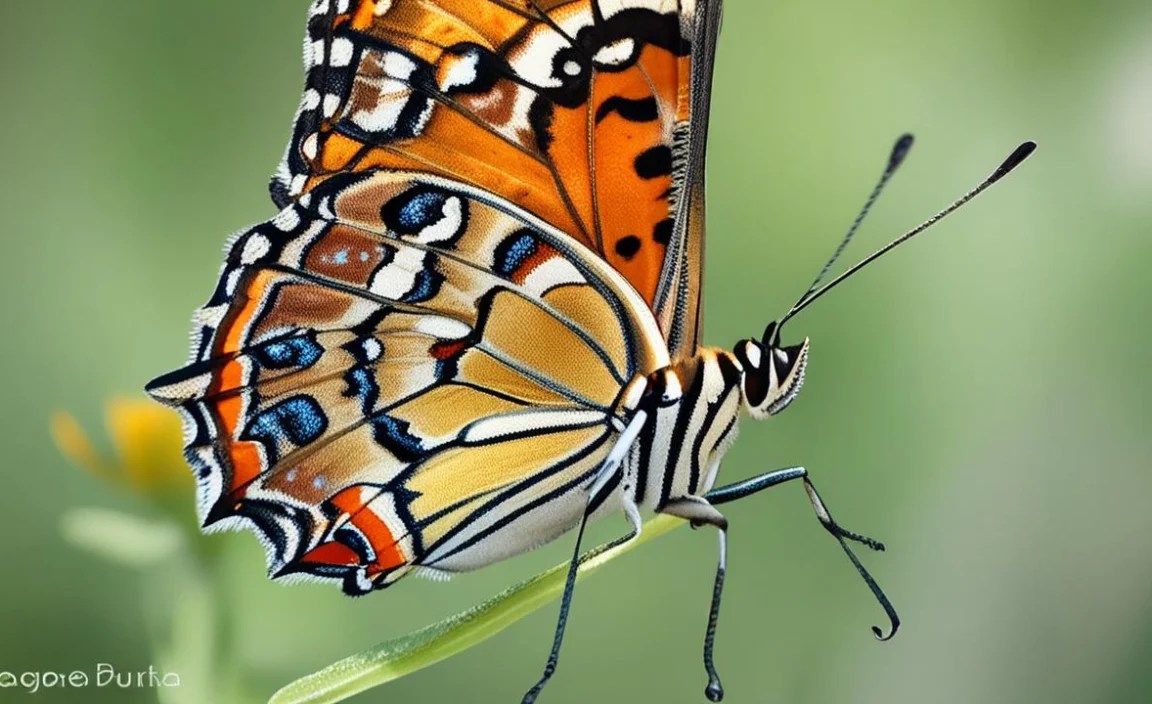
Identifying butterfly hybrids is more than just a fun challenge. It has important implications for conservation and our understanding of butterfly evolution.
Conservation Implications
Hybridization can pose a threat to endangered species if they start interbreeding with more common species. The resulting hybrids may be less well-adapted to their environment, or they may lose the unique genetic characteristics that make the endangered species valuable.
Understanding hybridization patterns can help conservationists develop strategies to protect endangered species and maintain their genetic integrity. This might involve managing habitats to reduce the overlap between species ranges or implementing captive breeding programs to preserve purebred individuals.
Understanding Butterfly Evolution
Hybridization can also play a role in butterfly evolution. In some cases, hybrids may be able to colonize new habitats or adapt to changing environmental conditions more effectively than either parent species. This can lead to the formation of new species or the transfer of beneficial genes between species.
Studying butterfly hybrids can provide insights into the mechanisms of speciation and adaptation. It can also help us understand how butterflies respond to environmental changes and how they might evolve in the future.
How to Encourage Butterfly Diversity (Without Encouraging Hybridization)

Attracting a variety of butterflies to your garden is a wonderful way to support these important pollinators. However, it’s important to do so in a way that minimizes the risk of hybridization. Here are some tips:
- Plant a Variety of Native Host Plants: Providing a range of native host plants will attract different butterfly species and encourage them to lay their eggs in your garden.
- Offer a Diversity of Nectar Sources: Plant a variety of flowers that bloom at different times of the year to provide a continuous source of nectar for adult butterflies.
- Create a Butterfly-Friendly Habitat: Provide sunny areas for basking, sheltered areas for resting, and a source of water for drinking.
- Avoid Using Pesticides: Pesticides can harm or kill butterflies and other beneficial insects. Use organic gardening practices to protect your butterfly population.
- Learn About Local Butterfly Species: Familiarize yourself with the butterfly species that are native to your area and their specific habitat requirements. This will help you create a garden that is tailored to their needs.
- Support Conservation Efforts: Support local and national conservation organizations that are working to protect butterfly habitats and promote butterfly conservation. The Xerces Society is a great resource for learning about pollinator conservation.
FAQ About Butterfly Hybrid Identification
Here are some frequently asked questions about identifying butterfly hybrids:
- What makes a butterfly a hybrid?
- A butterfly is considered a hybrid if it’s the offspring of two different species that have interbred.
- Where are butterfly hybrids most commonly found?
- They are most often found in areas where the ranges of two closely related species overlap.
- What are the key signs that a butterfly might be a hybrid?
- Look for a mix of wing patterns and colors from different species, intermediate size or shape, and unusual behavior.
- Can I confirm a butterfly is a hybrid just by looking at it?
- Visual identification can suggest a hybrid, but genetic testing is the only way to confirm it definitively.
- Why is identifying butterfly hybrids important?
- It helps with conservation efforts and understanding butterfly evolution.
- What should I do if I think I’ve found a butterfly hybrid?
- Photograph it, note the location and date, observe its behavior, and consult online resources or experts.
- Are butterfly hybrids fertile?
- Often, butterfly hybrids are infertile, but in some cases, they can reproduce.
Conclusion
Identifying butterfly hybrids can be a challenging but rewarding endeavor. By carefully observing wing patterns, colors, size, shape, behavior, and location, you can begin to unravel the mystery of these unusual butterflies. Remember to consult field guides, online resources, and experts to confirm your suspicions. While visual identification has its limitations, it’s a great starting point. The only definitive way to confirm a hybrid is through genetic analysis. Whether you’re a seasoned butterfly enthusiast or just starting out, learning about butterfly hybrids can deepen your appreciation for the diversity and complexity of the natural world. Happy butterflying!


