
Butterfly Wing Shape Types: Find Your Perfect Wings!

Butterfly Wing Shape Types: A Naturalist’s Guide
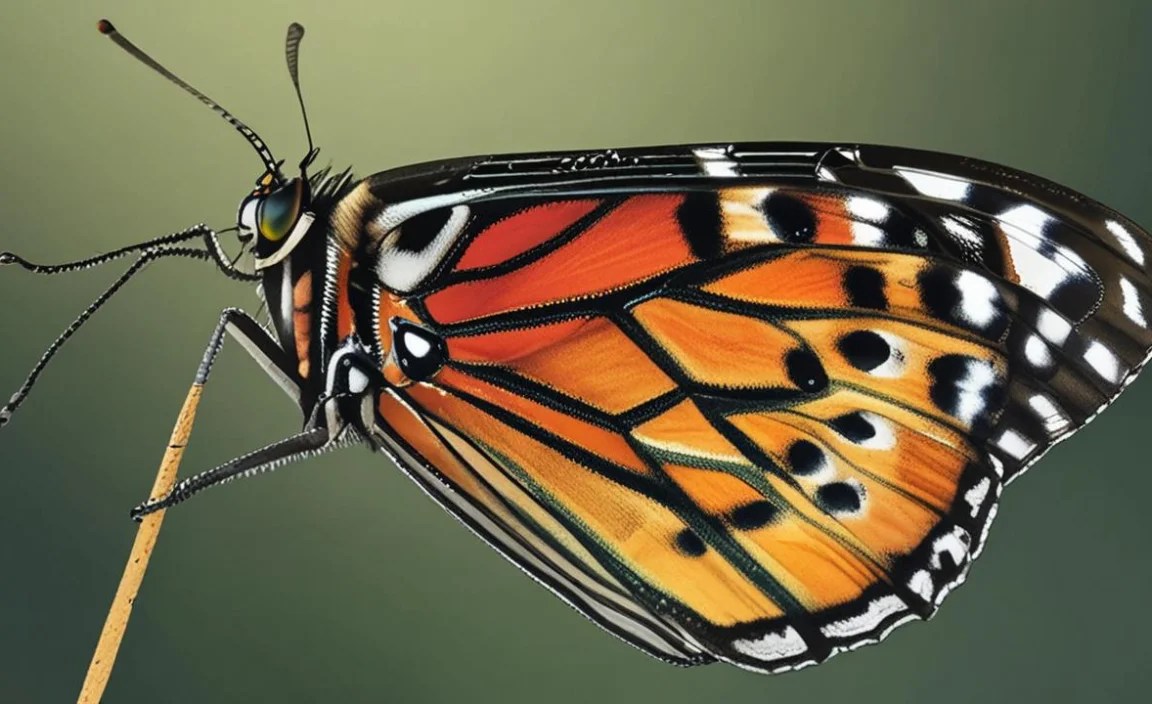
Quick Summary: Butterfly wings come in diverse shapes, each adapted for flight efficiency, camouflage, or display. Common types include rounded wings for leisurely flight, pointed wings for speed, swallowtail wings for maneuverability, and elongated wings for gliding. Variations in shape are influenced by habitat, behavior, and the need to evade predators.
Have you ever watched a butterfly flitting through your garden and wondered why its wings look the way they do? Butterfly wings aren’t just beautiful; their shapes are perfectly designed for how they fly and survive. Understanding these shapes can unlock a whole new level of appreciation for these delicate creatures. It might seem complicated, but it’s really quite fascinating once you get started.
In this guide, we’ll explore the wonderful world of butterfly wing shapes. We’ll look at the different types, what makes them unique, and how they help butterflies thrive. Get ready to discover the secrets hidden in plain sight, right on those colorful wings!
Understanding Butterfly Wing Shapes
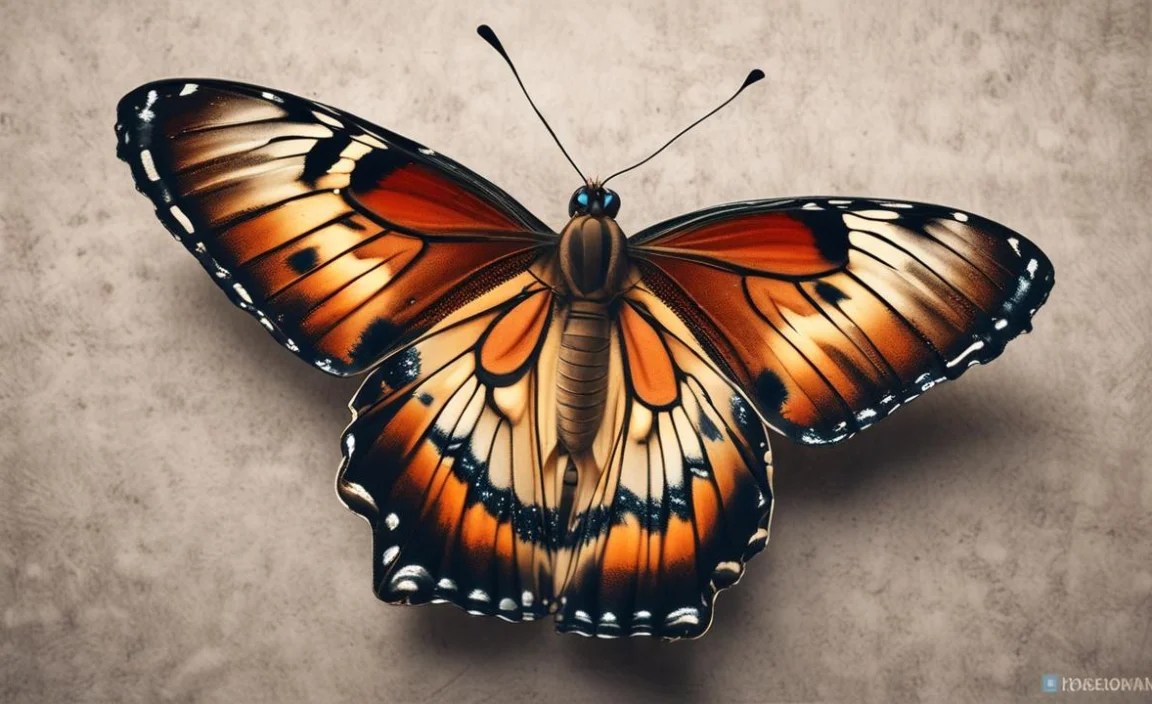
Butterfly wings aren’t just for show; they’re essential tools for survival. The shape of a butterfly’s wings influences how it flies, evades predators, and even attracts mates. Let’s dive into the different wing shapes and what they mean.
Basic Wing Shapes
Butterfly wings come in a variety of shapes, each adapted to suit the butterfly’s lifestyle and environment. Here are some of the most common shapes:
- Rounded Wings: These wings are broad and rounded at the tips. Butterflies with rounded wings, like the Mourning Cloak, are often strong, leisurely fliers.
- Pointed Wings: As the name suggests, these wings have a more angular, pointed shape. Butterflies with pointed wings, such as skippers, are typically fast fliers.
- Swallowtail Wings: These distinctive wings feature elongated extensions or “tails.” Swallowtails, like the Eastern Tiger Swallowtail, are known for their graceful and maneuverable flight.
- Elongated Wings: These wings are longer than they are wide, creating a slender appearance. Butterflies with elongated wings, like some heliconians, are well-suited for gliding.
Factors Influencing Wing Shape
Several factors play a role in determining a butterfly’s wing shape. These include:
- Habitat: Butterflies living in open fields may have different wing shapes than those dwelling in dense forests.
- Flight Style: Fast-flying butterflies require different wing shapes compared to those that prefer gliding.
- Predator Avoidance: Some wing shapes help butterflies blend in with their surroundings or confuse predators.
- Mating Rituals: Wing shape and color can play a role in attracting a mate.
Exploring Different Butterfly Wing Shapes
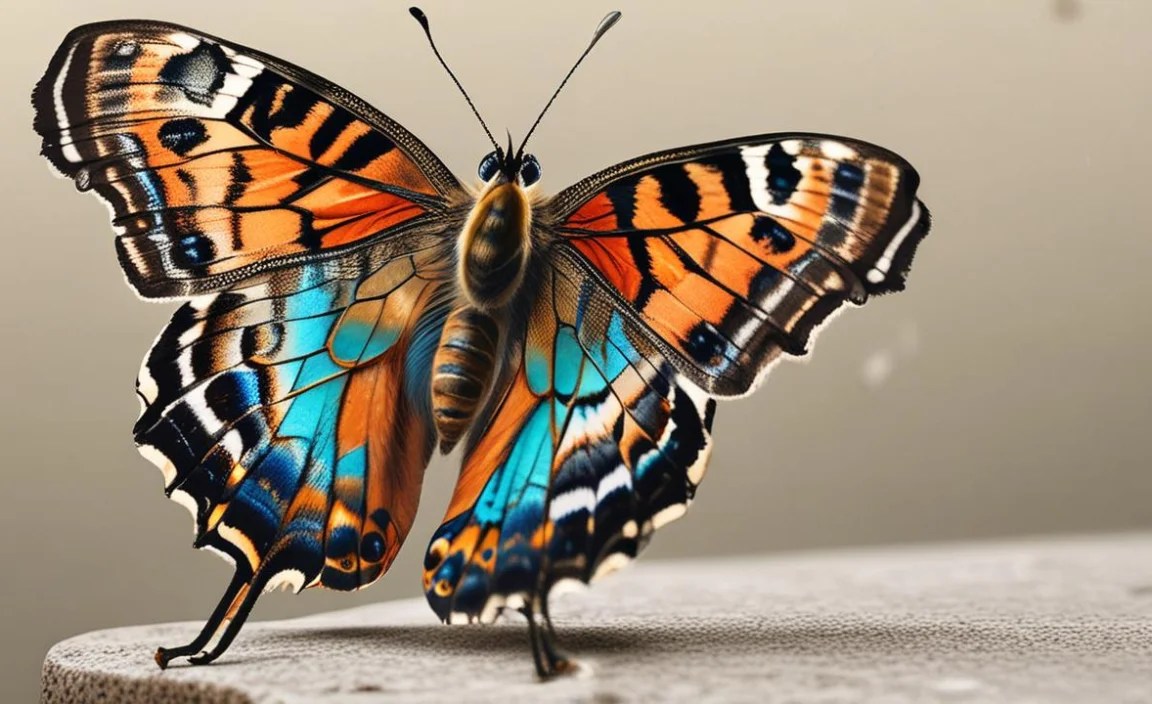
Let’s explore some specific examples of butterfly wing shapes and the butterflies that sport them.
Rounded Wings: The Gentle Floaters
Rounded wings are perfect for butterflies that need to conserve energy and navigate open spaces. These wings provide stability and allow for a relaxed, floating flight.
Mourning Cloak (Nymphalis antiopa)
The Mourning Cloak is a striking butterfly with dark brown wings bordered by a pale yellow edge. Its rounded wings help it glide effortlessly through forests and fields. These butterflies are also known for their ability to overwinter as adults, making them one of the first butterflies to emerge in spring.
- Habitat: Woodlands, parks, and riparian areas
- Flight Style: Slow, gliding flight
- Unique Feature: Overwinters as an adult
Pointed Wings: The Speed Demons
Pointed wings are designed for speed and agility. Butterflies with this wing shape can dart quickly from flower to flower, making them efficient foragers.
Silver-spotted Skipper (Epargyreus clarus)
Silver-spotted Skippers are easily recognizable by the large, silver spot on their hindwings. Their pointed wings allow them to zip through gardens and meadows with incredible speed. Skippers are known for their erratic flight patterns, making them difficult to follow.
- Habitat: Gardens, meadows, and open woodlands
- Flight Style: Fast, erratic flight
- Unique Feature: Distinctive silver spot on hindwings
Swallowtail Wings: The Maneuverable Flyers
Swallowtail wings are distinguished by their elegant tails, which enhance maneuverability and create a visually stunning display. These butterflies are often found in gardens and open woodlands.
Eastern Tiger Swallowtail (Papilio glaucus)
The Eastern Tiger Swallowtail is a large, beautiful butterfly with yellow wings and black stripes. The “tails” on its hindwings give it exceptional control during flight. Females can also come in a dark form, mimicking the poisonous Pipevine Swallowtail for protection.
- Habitat: Deciduous forests, gardens, and streamsides
- Flight Style: Graceful, maneuverable flight
- Unique Feature: Females can be yellow or black
Elongated Wings: The Gliding Experts
Elongated wings are perfect for butterflies that need to conserve energy by gliding. These wings provide lift and allow for effortless flight over long distances.
Zebra Longwing (Heliconius charithonia)
The Zebra Longwing is a distinctive butterfly with long, narrow wings adorned with black and white stripes. Its elongated wings enable it to glide through tropical and subtropical forests. Unlike most butterflies, the Zebra Longwing feeds on pollen as an adult, giving it a longer lifespan.
- Habitat: Tropical and subtropical forests
- Flight Style: Gliding flight
- Unique Feature: Feeds on pollen as an adult
The Science Behind Wing Shape
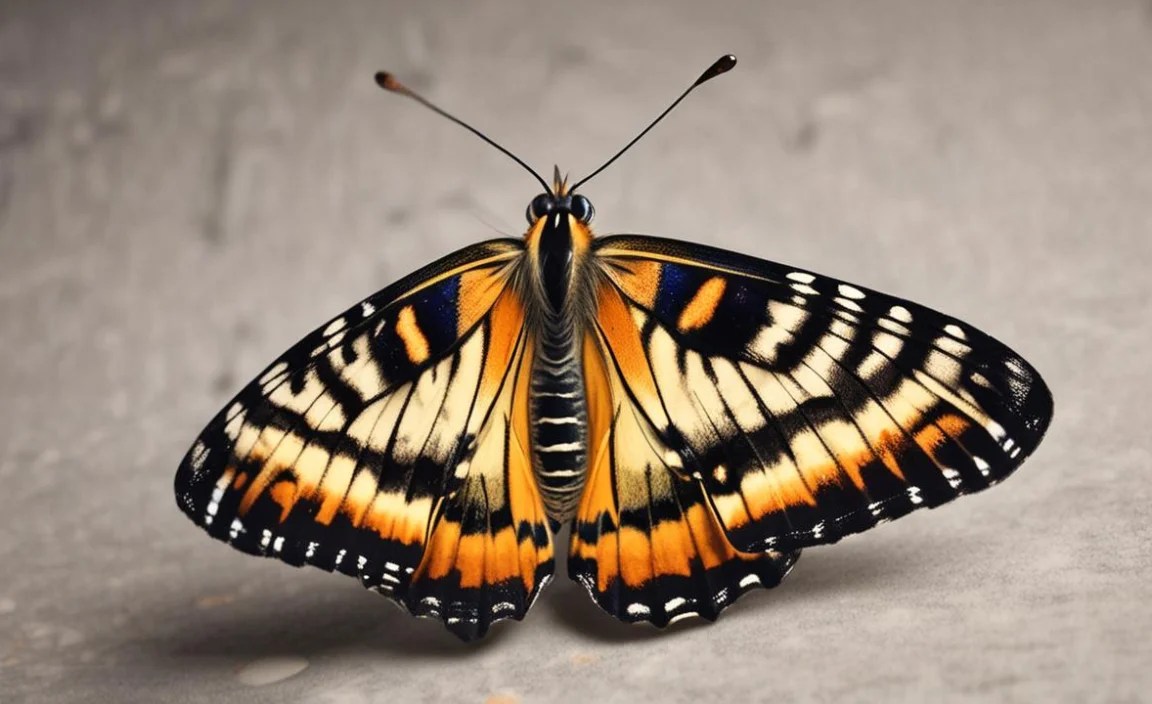
Butterfly wing shape isn’t random; it’s a product of evolutionary adaptation. The shape of a butterfly’s wings is influenced by a variety of factors, including its habitat, flight style, and the need to avoid predators.
Aerodynamics and Wing Shape
The shape of a butterfly’s wings affects its aerodynamic properties. Rounded wings, for example, provide greater lift at slower speeds, while pointed wings reduce drag and allow for faster flight. Elongated wings are designed for efficient gliding, minimizing energy expenditure.
Here’s a simple breakdown of how different wing shapes affect flight:
| Wing Shape | Aerodynamic Property | Flight Style |
|---|---|---|
| Rounded | High lift at low speeds | Leisurely, floating flight |
| Pointed | Reduced drag, increased speed | Fast, direct flight |
| Swallowtail | Enhanced maneuverability | Agile, controlled flight |
| Elongated | Efficient gliding | Energy-conserving flight |
Evolutionary Adaptations
Butterfly wing shapes have evolved over millions of years to meet the specific needs of each species. For example, butterflies living in dense forests may have smaller, more rounded wings to navigate through tight spaces, while those in open fields may have larger, more pointed wings for faster flight.
Here’s a table to summarise how environmental factors influence wing shape:
| Environmental Factor | Wing Shape Adaptation | Butterfly Example |
|---|---|---|
| Dense Forests | Smaller, rounded wings | Mourning Cloak |
| Open Fields | Larger, pointed wings | Silver-spotted Skipper |
| Tropical Forests | Elongated wings for gliding | Zebra Longwing |
| Areas with many predators | Swallowtails with tails that break off easily. | Eastern Tiger Swallowtail |
Camouflage and Mimicry
Wing shape can also play a role in camouflage and mimicry. Some butterflies have wings that resemble leaves or bark, helping them blend in with their surroundings and avoid detection by predators. Others mimic the appearance of toxic butterflies, deterring predators from attacking them.
How to Identify Butterfly Wing Shapes

Identifying butterfly wing shapes can be a fun and rewarding way to learn more about these fascinating insects. Here are some tips to help you get started:
Observe the Overall Shape
Start by looking at the overall shape of the butterfly’s wings. Are they rounded, pointed, swallowtailed, or elongated? Note any distinctive features, such as tails or unusual patterns.
Consider the Butterfly’s Habitat
Think about where you found the butterfly. Was it in a forest, a garden, or an open field? This can give you clues about its wing shape and flight style.
Use a Field Guide
A good field guide can be an invaluable tool for identifying butterfly wing shapes. Look for guides that include detailed illustrations and descriptions of different butterfly species. The Audubon Society Field Guide to North American Butterflies is a good resource.
Take Photographs
If possible, take photographs of the butterflies you encounter. This will allow you to study their wing shapes more closely and compare them to images in field guides or online resources.
Online Resources
Several websites offer helpful information and images of butterfly wing shapes. Here are a few to check out:
- Butterflies and Moths of North America: This website provides photos and information on butterfly species in North America.
- The Xerces Society: This organization offers resources on butterfly conservation and identification.
Why Butterfly Wing Shape Matters
Understanding butterfly wing shapes isn’t just an academic exercise; it has real-world implications for conservation and environmental awareness. By learning about the adaptations that allow butterflies to thrive, we can better appreciate the importance of protecting their habitats.
Conservation Implications
Butterfly populations are declining in many parts of the world due to habitat loss, pesticide use, and climate change. By understanding the specific needs of different butterfly species, we can take steps to protect their habitats and promote their survival.
Here are some ways you can help:
- Plant native flowers: Native plants provide food and shelter for butterflies.
- Avoid using pesticides: Pesticides can harm or kill butterflies and other beneficial insects.
- Create a butterfly garden: A butterfly garden provides a welcoming habitat for butterflies in your backyard.
- Support conservation organizations: Organizations like the Xerces Society are working to protect butterfly habitats and promote conservation.
Environmental Awareness
Learning about butterfly wing shapes can also raise awareness about the importance of biodiversity and the interconnectedness of ecosystems. Butterflies are important pollinators, and their presence is an indicator of a healthy environment. By appreciating the beauty and diversity of butterflies, we can become more engaged in protecting the natural world.
FAQ About Butterfly Wing Shapes
1. Do all butterflies of the same species have identical wing shapes?
No, there can be slight variations in wing shape within a species due to individual differences and environmental factors, but the general wing shape remains consistent.
2. Can wing shape tell me anything about a butterfly’s behavior?
Yes! Pointed wings often indicate fast flight, rounded wings suggest a more leisurely style, and swallowtails are typically agile and maneuverable.
3. How does habitat affect butterfly wing shape?
Butterflies in dense forests may have smaller, rounded wings to navigate tight spaces, while those in open fields often have larger, more pointed wings for faster flight.
4. What role does wing shape play in camouflage?
Some butterflies have wings that mimic leaves or bark, helping them blend into their surroundings and avoid predators. Wing shape can contribute to this camouflage.
5. Are there butterflies with unusual or unique wing shapes?
Absolutely! The Glasswing butterfly has transparent wings, while some species have wings that resemble dead leaves. These unique shapes are often adaptations for camouflage or mimicry.
6. Can damaged wings affect a butterfly’s flight?
Yes, significant damage to the wings can impair a butterfly’s ability to fly, making it harder to find food and avoid predators. Small tears are often manageable, but larger ones can be detrimental.
7. How can I learn more about butterfly wing shapes?
Field guides, online resources like Butterflies and Moths of North America, and local nature centers are great places to start. Observing butterflies in your backyard or local park is also a wonderful way to learn!
Conclusion
Butterfly wing shapes are more than just pretty patterns; they’re a testament to the power of adaptation and evolution. From the rounded wings of the Mourning Cloak to the pointed wings of the Silver-spotted Skipper, each shape is perfectly suited to the butterfly’s lifestyle and environment. By understanding these shapes, we can gain a deeper appreciation for the beauty and complexity of the natural world.
So, the next time you see a butterfly fluttering by, take a closer look at its wings. Notice the shape, the patterns, and the way it moves through the air. You might just discover a whole new world of wonder and appreciation for these incredible creatures. And remember, by protecting butterfly habitats and promoting conservation, we can ensure that future generations will have the opportunity to marvel at the beauty of butterfly wing shapes.


