
Monarch Butterfly Overwintering Sites: A Secret Guide

Monarch butterfly overwintering sites are crucial for the survival of these iconic insects. These locations provide the specific climate and resources monarchs need to survive the winter months, allowing them to reproduce and continue their incredible migration journey. Protecting these sites is vital for monarch conservation.
Have you ever wondered where monarch butterflies go when the weather turns cold? It’s a question that has fascinated scientists and nature lovers alike. Monarchs undertake an amazing multi-generational migration. The butterflies you see in the fall are traveling thousands of miles to reach very specific overwintering sites. Understanding these sites is key to helping these fragile creatures survive. We’ll explore these fascinating locations and how you can help protect them.
Where Do Monarch Butterflies Overwinter?

Monarch butterflies cannot survive freezing temperatures. To escape the cold, they migrate to warmer climates. There are two main populations of monarch butterflies in North America, each with its own overwintering destination.
Eastern Monarchs
Eastern monarch butterflies, those east of the Rocky Mountains, undertake an incredible journey to the oyamel fir forests high in the mountains of central Mexico. These forests provide a unique microclimate that protects the butterflies from freezing temperatures and harsh weather.
The Oyamel Fir Forests
The oyamel fir forests are located in the Transvolcanic Belt of Mexico, at elevations of 8,000 to 12,000 feet. These forests are characterized by:
- Dense stands of oyamel fir trees (Abies religiosa)
- Cool temperatures and high humidity
- A relatively stable microclimate
Millions of monarchs cluster together on the branches of these trees, forming enormous colonies. This clustering behavior helps them conserve heat and survive the winter months.
The specific overwintering sites in Mexico are located in the states of Michoacán and Mexico. These sites are now protected as part of the Monarch Butterfly Biosphere Reserve, a UNESCO World Heritage Site.
The Monarch Butterfly Biosphere Reserve was created to protect these critical habitats from deforestation and other threats. However, illegal logging and climate change continue to pose challenges to the reserve’s long-term sustainability. You can learn more about the reserve and its conservation efforts at the UNESCO World Heritage Centre website.
Western Monarchs
Western monarch butterflies, those west of the Rocky Mountains, overwinter along the Pacific Coast of California. These monarchs gather in groves of trees, often eucalyptus, Monterey pine, and Monterey cypress, in coastal areas from Mendocino County in the north to San Diego County in the south.
Coastal California Groves
The coastal California groves provide a milder climate than the inland areas. The trees offer shelter from wind and rain, and the monarchs cluster together to stay warm.
Key characteristics of these overwintering sites include:
- Proximity to the coast
- Presence of specific tree species
- Availability of nectar sources for feeding
Unlike the large, dense colonies in Mexico, western monarchs tend to form smaller clusters. These clusters can be found in both public and private lands, making conservation efforts more complex.
Many of these overwintering sites are vulnerable to development, habitat degradation, and climate change. Organizations like the Xerces Society are working to protect and restore these critical habitats.
Why Are Overwintering Sites Important?

Overwintering sites are essential for the survival of monarch butterflies because they provide:
- Protection from freezing temperatures: Monarchs cannot tolerate prolonged exposure to freezing temperatures. The oyamel fir forests in Mexico and the coastal groves in California offer a milder climate.
- Shelter from wind and rain: The trees provide a physical barrier against harsh weather conditions.
- A place to conserve energy: By clustering together, monarchs can reduce their energy expenditure and survive for several months without feeding extensively.
- A staging ground for reproduction: In the spring, monarchs leave their overwintering sites and begin their journey north, laying eggs on milkweed plants along the way.
Without these overwintering sites, monarch butterflies would not be able to survive the winter and continue their migratory cycle.
Threats to Monarch Overwintering Sites

Monarch butterfly populations have declined dramatically in recent decades, and the loss and degradation of overwintering habitat is a major contributing factor. Here are some of the key threats:
- Deforestation: Illegal logging in the oyamel fir forests of Mexico removes the trees that provide shelter for the monarchs.
- Habitat degradation: Development, agriculture, and other human activities can destroy or degrade overwintering sites in California.
- Climate change: Changes in temperature and precipitation patterns can disrupt the microclimate of overwintering sites, making them less suitable for monarchs.
- Disease: Overcrowding in overwintering colonies can increase the spread of diseases, such as the protozoan parasite Ophryocystis elektroscirrha (OE).
- Pesticide use: Pesticides can kill monarchs directly or reduce the availability of milkweed and nectar plants.
How to Help Protect Monarch Overwintering Sites
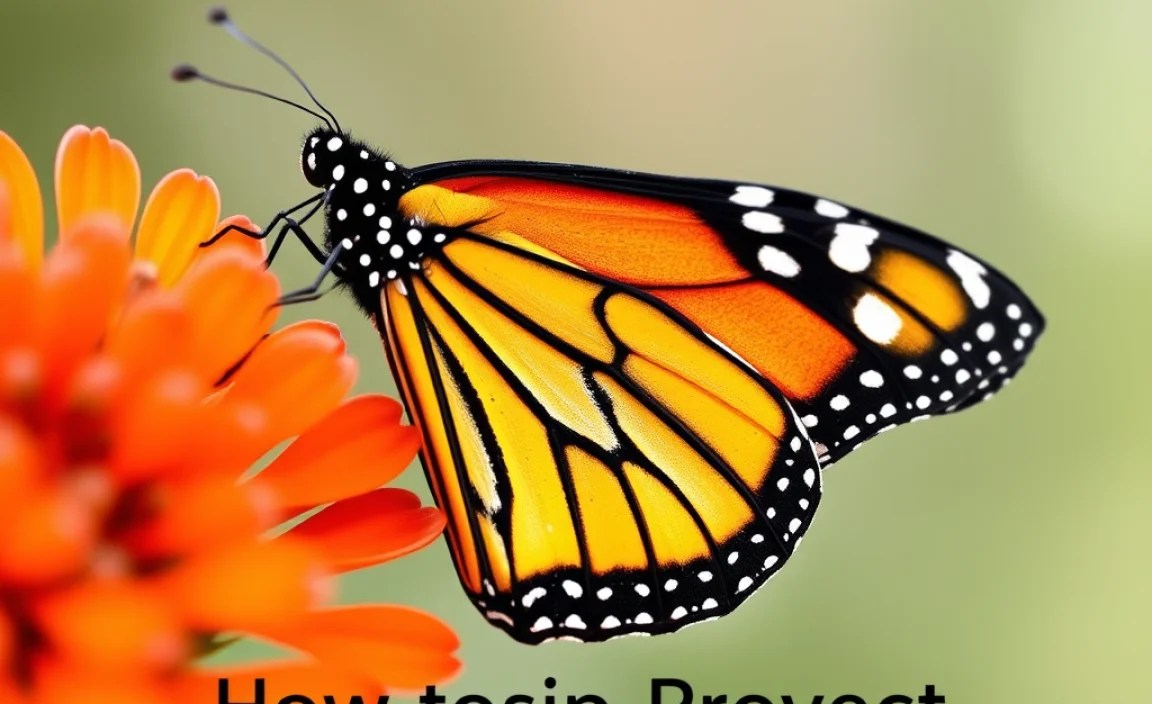
While the main overwintering sites are geographically limited to Mexico and California, there are still actions you can take to support monarch conservation no matter where you live. Your efforts can help bolster the overall monarch population, making them more resilient.
1. Create Monarch-Friendly Habitats
One of the most effective ways to help monarchs is to create habitats that provide them with food and shelter. Here’s how:
- Plant milkweed: Milkweed is the only food source for monarch caterpillars. Plant native milkweed species in your garden or yard.
- Provide nectar sources: Plant a variety of nectar-rich flowers that bloom throughout the growing season. Monarchs need nectar to fuel their migration.
- Avoid pesticides: Pesticides can harm or kill monarchs and other beneficial insects. Use organic gardening practices whenever possible.
- Provide shelter: Plant trees and shrubs that can provide shelter from wind and rain.
2. Support Conservation Organizations
Many organizations are working to protect monarch butterflies and their habitats. You can support their efforts by:
- Donating to conservation organizations: Your financial support can help fund research, habitat restoration, and education programs.
- Volunteering your time: Many organizations offer volunteer opportunities for people who want to get involved in monarch conservation.
- Advocating for policies that protect monarchs: Contact your elected officials and urge them to support legislation that protects monarch butterflies and their habitats.
Here are a few organizations dedicated to Monarch conservation:
3. Reduce Your Carbon Footprint
Climate change is a major threat to monarch butterflies and their habitats. You can help reduce your carbon footprint by:
- Conserving energy: Turn off lights when you leave a room, and use energy-efficient appliances.
- Reducing your consumption: Buy less stuff, and reuse and recycle as much as possible.
- Eating less meat: Meat production is a major contributor to greenhouse gas emissions.
- Using alternative transportation: Walk, bike, or take public transportation whenever possible.
4. Educate Others
One of the most important things you can do to help monarch butterflies is to educate others about their plight. Share information about monarchs with your friends, family, and community. Encourage them to take action to protect these amazing creatures.
- Share articles and information on social media.
- Give presentations to local groups.
- Talk to your children and grandchildren about monarchs.
Monarch Butterfly Overwintering Sites: A Summary Table
| Location | Monarch Population | Habitat Type | Key Features | Threats |
|---|---|---|---|---|
| Oyamel Fir Forests, Mexico | Eastern Monarchs | High-elevation forests | Dense tree cover, cool temperatures, high humidity | Deforestation, climate change |
| Coastal California | Western Monarchs | Coastal groves | Eucalyptus, Monterey pine, Monterey cypress trees, mild climate | Habitat degradation, development, climate change |
Monarch Butterfly Life Cycle
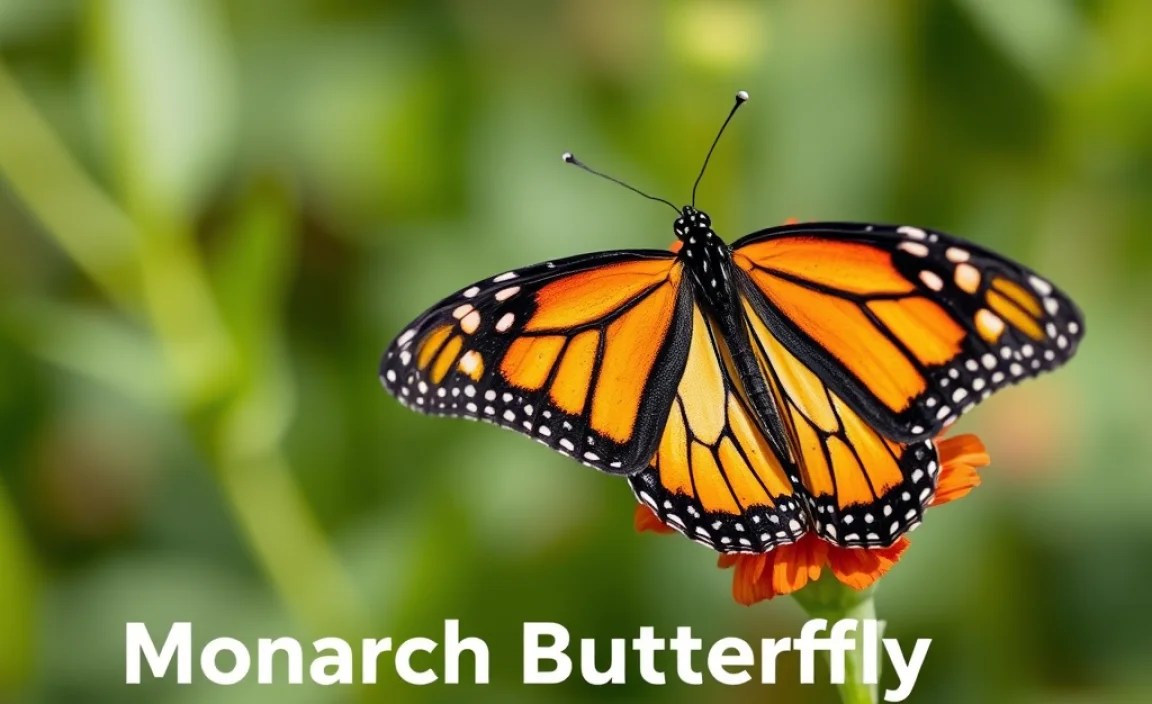
Understanding the life cycle of monarch butterflies is crucial for appreciating the importance of overwintering sites. The monarch butterfly life cycle consists of four stages:
- Egg: Monarch eggs are laid on milkweed plants.
- Larva (Caterpillar): The caterpillar hatches from the egg and feeds on milkweed leaves. It molts several times as it grows.
- Pupa (Chrysalis): The caterpillar transforms into a chrysalis, a hard, protective shell.
- Adult: The adult butterfly emerges from the chrysalis.
Monarchs that emerge in late summer and early fall are different from those that emerge during the rest of the year. These monarchs, known as the migratory generation, enter a state of reproductive diapause and embark on a long journey to their overwintering sites.
Challenges Faced During Overwintering
Even in the relative safety of their overwintering sites, monarchs face numerous challenges:
- Predation: Birds and other animals prey on monarchs.
- Starvation: Monarchs may run out of energy reserves before the end of the winter.
- Extreme weather: Unusually cold or wet weather can kill monarchs.
- Habitat loss: Deforestation and habitat degradation can reduce the availability of suitable overwintering sites.
The Future of Monarch Butterflies
The future of monarch butterflies is uncertain. However, there is reason for hope. With continued conservation efforts, we can help ensure that these amazing creatures continue to grace our planet for generations to come.
According to the U.S. Fish & Wildlife Service, the monarch butterfly was added to the list of candidate species under the Endangered Species Act in 2020. While not yet listed as endangered, this designation highlights the ongoing concerns about monarch populations and the need for continued conservation efforts.
FAQ About Monarch Butterfly Overwintering Sites
Where are the main overwintering sites for monarch butterflies?
Eastern monarchs overwinter in the oyamel fir forests of central Mexico, while western monarchs overwinter along the Pacific Coast of California.
Why are overwintering sites important for monarchs?
Overwintering sites provide monarchs with protection from freezing temperatures, shelter from wind and rain, and a place to conserve energy during the winter months.
What are the main threats to monarch overwintering sites?
The main threats include deforestation, habitat degradation, climate change, disease, and pesticide use.
How can I help protect monarch overwintering sites?
You can help by creating monarch-friendly habitats, supporting conservation organizations, reducing your carbon footprint, and educating others about monarchs.
What kind of trees do monarchs use in California?
Western monarchs in California often use eucalyptus, Monterey pine, and Monterey cypress trees for overwintering.
What is the Monarch Butterfly Biosphere Reserve?
The Monarch Butterfly Biosphere Reserve is a UNESCO World Heritage Site in Mexico that protects the oyamel fir forests where eastern monarchs overwinter.
What should I plant to help monarchs in my garden?
Plant native milkweed species for monarch caterpillars and a variety of nectar-rich flowers for adult butterflies.
Conclusion
Protecting monarch butterfly overwintering sites is crucial for the survival of these iconic insects. By understanding the importance of these sites and the threats they face, we can take action to help ensure that monarchs continue to thrive. Whether it’s planting milkweed in your garden, supporting conservation organizations, or reducing your carbon footprint, every effort makes a difference. Let’s work together to safeguard the future of monarch butterflies and their incredible migration journey. The beauty of a monarch fluttering by is something future generations deserve to experience.


