
Skipperling Butterfly Species: Ultimate Guide!

Quick Summary:
Skipperling butterflies are small, fast-flying insects often mistaken for moths. To identify them, look for their hooked antennae, stout bodies, and rapid, darting flight. Common species include the Least Skipper and European Skipper. Skipperlings prefer grasslands and meadows, feeding on nectar from various flowers. They play an essential role in pollination and are a joy to observe in any garden.
Have you ever spotted a tiny, orange butterfly flitting rapidly through your garden, almost too quick to identify? Chances are, you’ve encountered a skipperling! These little butterflies, often overlooked, are a fascinating group with unique characteristics. Many people struggle to tell them apart from moths or other butterflies, but don’t worry! I’m Frances O’Brien, and I’m here to guide you through the wonderful world of skipperling butterflies.
In this guide, we’ll explore how to identify different skipperling species, their favorite habitats, and what makes them so special. Get ready to discover the hidden beauty of these tiny pollinators and learn how to attract them to your own backyard!
What Exactly are Skipperling Butterflies?
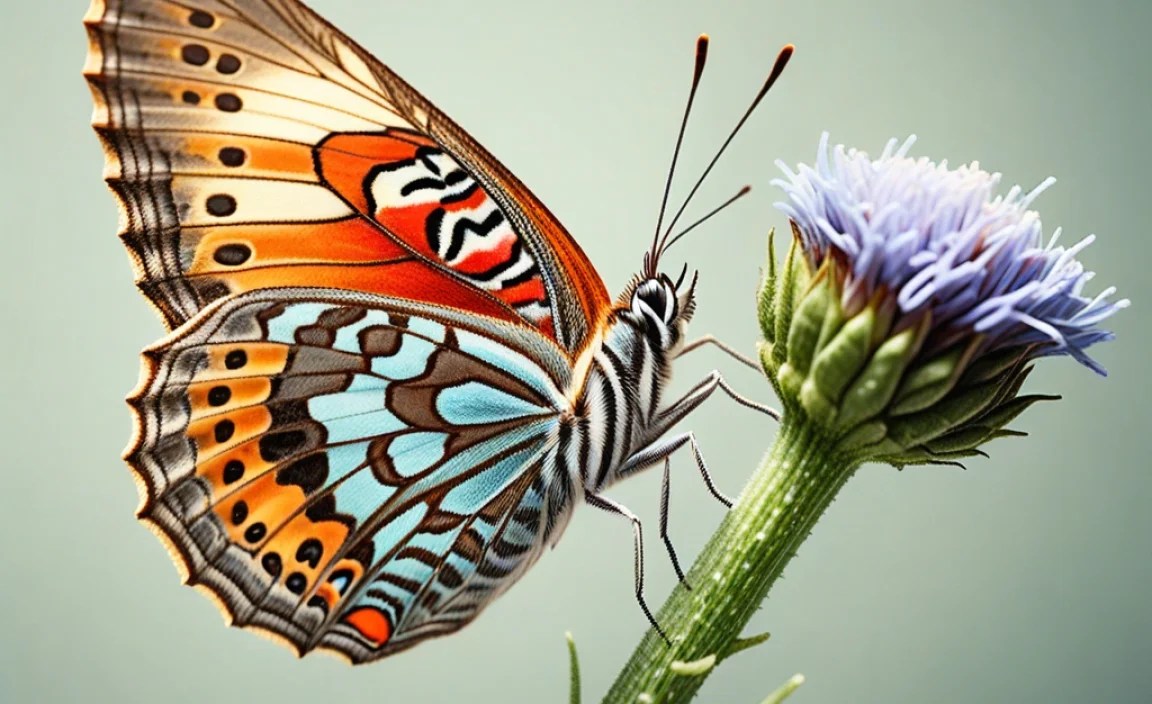
Skipperlings belong to the family Hesperiidae, setting them apart from other butterfly families like Nymphalidae (brush-footed butterflies) or Papilionidae (swallowtails). They get their name from their distinctive, erratic flight pattern – they seem to “skip” through the air!
These butterflies are generally small, with wingspans ranging from about ¾ inch to 1 ½ inches. Their bodies are stouter and more moth-like compared to other butterflies. But don’t let that fool you; they are definitely butterflies! One of the easiest ways to distinguish them is by looking at their antennae. Skipperlings have hooked or curved antennae, whereas moths typically have feathery ones.
Key Characteristics of Skipperling Butterflies

Identifying skipperlings can be a bit tricky, as many species look quite similar. However, focusing on a few key characteristics can help you differentiate them:
- Antennae: Look for the hooked or curved tips. This is a defining feature of skipperlings.
- Body Shape: Skipperlings have a thicker, more robust body compared to other butterfly species.
- Wing Shape: Their wings are often more triangular than other butterflies. Some species have pointed forewings.
- Flight Pattern: Observe their quick, darting, “skipping” flight.
- Coloration: Many skipperlings are orange, brown, or yellowish, but some species have distinct markings or patterns.
Common Skipperling Species: A Closer Look

Let’s explore some of the most commonly encountered skipperling species in North America and Europe:
Least Skipper (Ancyloxypha numitor)
The Least Skipper is one of the smallest and most widespread skipperlings. It’s found throughout eastern North America.
- Size: Very small, with a wingspan of about ¾ inch.
- Color: Orange with dark brown borders on the wings.
- Habitat: Damp meadows, marshes, and grassy areas near water.
- Distinguishing Feature: Its tiny size and bright orange color make it relatively easy to identify.
European Skipper (Thymelicus lineola)
Introduced to North America from Europe, the European Skipper is now very common across much of the continent.
- Size: Small, with a wingspan of about 1 inch.
- Color: Orange-brown with a faint dark line on the hindwing.
- Habitat: Grasslands, meadows, and roadsides.
- Distinguishing Feature: Its uniform orange-brown color and the presence of a stigma (a dark mark) on the male’s forewing.
Fiery Skipper (Hylephila phyleus)
The Fiery Skipper is a larger, more vibrant species found in the southern United States and into Central and South America.
- Size: Medium-sized for a skipperling, with a wingspan of about 1 ½ inches.
- Color: Bright orange with dark brown markings. Males have a distinctive black stigma on the forewing.
- Habitat: Lawns, gardens, and open grassy areas.
- Distinguishing Feature: Its larger size and fiery orange color.
Silver-spotted Skipper (Epargyreus clarus)
This skipperling is one of the largest and most striking, with a distinctive silver spot on its hindwing.
- Size: Large for a skipperling, with a wingspan of up to 2 inches.
- Color: Dark brown with a large, prominent silver spot on the underside of the hindwing.
- Habitat: Woodlands, gardens, and edges of forests.
- Distinguishing Feature: The large silver spot makes it easy to identify.
Peck’s Skipper (Polites peckius)
Peck’s Skipper is a common North American species found in a variety of habitats.
- Size: Small, with a wingspan of about 1 inch.
- Color: Orange-brown with a dark border on the forewing. The underside of the hindwing has a distinct pale spot.
- Habitat: Meadows, fields, and open woodlands.
- Distinguishing Feature: The pale spot on the underside of the hindwing.
Comparing Skipperling Species: A Quick Guide
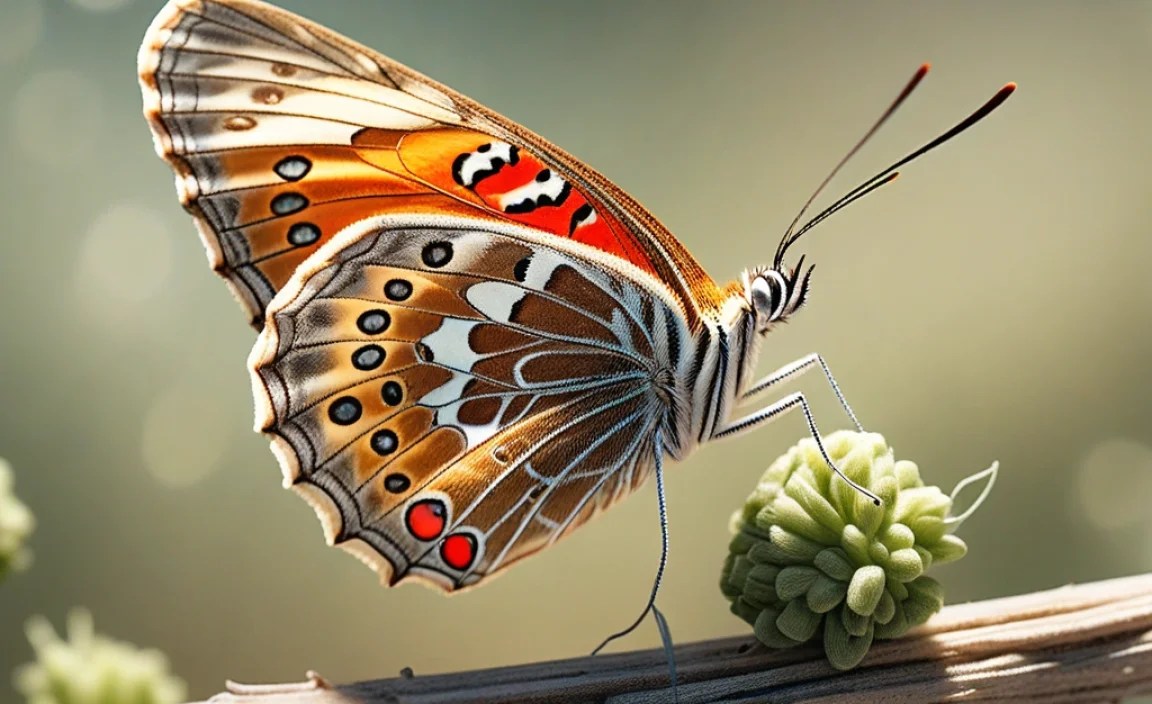
Here’s a table summarizing the key differences between these common skipperling species:
| Species | Size (Wingspan) | Color | Habitat | Distinguishing Features |
|---|---|---|---|---|
| Least Skipper | ¾ inch | Orange with dark brown borders | Damp meadows, marshes | Very small size, bright orange color |
| European Skipper | 1 inch | Orange-brown | Grasslands, meadows, roadsides | Uniform color, stigma on male’s forewing |
| Fiery Skipper | 1 ½ inches | Bright orange with dark brown markings | Lawns, gardens, open grassy areas | Larger size, fiery orange color |
| Silver-spotted Skipper | Up to 2 inches | Dark brown with silver spot | Woodlands, gardens, forest edges | Large silver spot on hindwing |
| Peck’s Skipper | 1 inch | Orange-brown with dark border | Meadows, fields, open woodlands | Pale spot on underside of hindwing |
Skipperling Habitats and Distribution
Skipperlings can be found in a variety of habitats, depending on the species. They generally prefer open, sunny areas with plenty of wildflowers. Some common habitats include:
- Grasslands and Meadows: These are prime habitats for many skipperling species, providing ample nectar sources and host plants for their caterpillars.
- Gardens: Many skipperlings are attracted to gardens, especially those with a variety of flowering plants.
- Woodland Edges: Some species prefer the edges of forests and woodlands, where they can find both sun and shelter.
- Marshes and Wetlands: Certain skipperlings, like the Least Skipper, are found in damp, marshy areas.
The distribution of skipperling species varies depending on the region. Some species, like the European Skipper, are widespread across North America, while others have more limited ranges. Refer to regional butterfly guides or online resources like Butterflies and Moths of North America for specific distribution information.
Skipperling Life Cycle
Like all butterflies, skipperlings undergo complete metamorphosis. Here’s a brief overview of their life cycle:
- Egg: Skipperling eggs are typically laid on or near the host plant, which will serve as food for the caterpillar.
- Larva (Caterpillar): The caterpillar hatches from the egg and feeds voraciously on the host plant. Skipperling caterpillars often create shelters by folding leaves together with silk.
- Pupa (Chrysalis): The caterpillar transforms into a pupa, or chrysalis. This stage is when the dramatic transformation into a butterfly occurs.
- Adult: The adult butterfly emerges from the chrysalis. Its primary focus is on reproduction and feeding on nectar.
Attracting Skipperlings to Your Garden
Want to see more skipperlings in your garden? Here are a few tips:
- Plant Nectar-Rich Flowers: Skipperlings are attracted to a variety of flowers, including butterfly bush, coneflowers, zinnias, and milkweed. Choose a mix of colors and shapes to attract a wide range of species.
- Provide Host Plants: To support the entire skipperling life cycle, provide host plants for their caterpillars. Grasses are common host plants for many skipperling species.
- Avoid Pesticides: Pesticides can harm or kill butterflies and caterpillars. Opt for natural pest control methods instead.
- Provide a Water Source: Butterflies need water, so provide a shallow dish of water with pebbles or stones for them to land on.
- Leave Some Grasses Unmowed: Skipperling caterpillars often feed on grasses, so leave some areas of your lawn unmowed to provide them with food and shelter.
The Importance of Skipperlings
Skipperlings, like other butterflies, play an important role in the ecosystem. They are pollinators, transferring pollen from flower to flower as they feed on nectar. This helps plants reproduce and contributes to the overall health of the environment. They also serve as a food source for birds and other animals.
Unfortunately, many butterfly populations are declining due to habitat loss, pesticide use, and climate change. By creating butterfly-friendly habitats in our gardens and supporting conservation efforts, we can help protect these beautiful and important creatures.
Skipperlings vs. Moths: How to Tell the Difference
One of the most common questions about skipperlings is how to distinguish them from moths. Here’s a quick guide:
| Feature | Skipperlings | Moths |
|---|---|---|
| Antennae | Hooked or curved | Feathery or thread-like |
| Body Shape | Stout, thick | Typically more slender |
| Wing Position at Rest | Wings held upright or slightly open | Wings held flat against the body or tent-like |
| Activity Time | Primarily active during the day (diurnal) | Primarily active at night (nocturnal), though some are diurnal |
| Flight Pattern | Fast, erratic, “skipping” | Often slower, more fluttering |
Conservation Efforts for Skipperling Butterflies
Many organizations are working to protect butterflies and their habitats. Here are a few ways you can get involved:
- Support Butterfly Conservation Organizations: Donate to or volunteer with organizations like the Xerces Society, which works to protect invertebrates and their habitats.
- Create Butterfly-Friendly Habitats: Plant native flowers and host plants in your garden to provide food and shelter for butterflies.
- Reduce Pesticide Use: Avoid using pesticides in your garden, as they can harm or kill butterflies and other beneficial insects.
- Educate Others: Share your knowledge about butterflies with friends, family, and community members. The more people who care about butterflies, the better!
- Participate in Citizen Science Projects: Contribute to butterfly monitoring programs by recording your sightings. This data helps scientists track butterfly populations and identify areas that need protection.
Fun Facts About Skipperling Butterflies
Here are a few fun facts to impress your friends with:
- Some skipperling caterpillars live in rolled-up leaves that they create by stitching the edges together with silk.
- The Silver-spotted Skipper is known for its long migrations, traveling hundreds of miles to find suitable habitats.
- Skipperlings have a strong sense of smell, which they use to locate nectar sources and host plants.
- The word “Hesperiidae,” the family name for skipperlings, comes from Hesperus, the Greek god of the evening star.
FAQ About Skipperling Butterflies
What is the easiest way to identify a skipperling?
Look for their hooked antennae and quick, darting flight. These are two of the most distinctive characteristics of skipperlings.
Are skipperlings moths or butterflies?
Skipperlings are butterflies, although they share some characteristics with moths, such as a stout body.
What do skipperling caterpillars eat?
Skipperling caterpillars primarily eat grasses, but some species feed on other plants as well.
How can I attract skipperlings to my garden?
Plant nectar-rich flowers and host plants, avoid pesticides, and provide a water source.
Are skipperlings endangered?
Some skipperling species are threatened or endangered due to habitat loss and other factors. Supporting conservation efforts can help protect them.
Do skipperlings migrate?
Some skipperling species, like the Silver-spotted Skipper, are known to migrate over long distances.
What is the lifespan of a skipperling?
The lifespan of an adult skipperling is typically a few weeks to a few months, depending on the species and environmental conditions.
Conclusion
Skipperling butterflies may be small, but they are a fascinating and important part of our natural world. By learning to identify these tiny dynamos, creating butterfly-friendly habitats, and supporting conservation efforts, we can help ensure that they continue to thrive for generations to come. So, the next time you’re out in your garden or exploring a meadow, keep an eye out for these delightful little “skippers” – you might be surprised by what you discover!
As a lifelong butterfly enthusiast, I encourage you to continue learning about these amazing creatures and to share your knowledge with others. Together, we can make a difference in protecting butterflies and the environment.


