
Territorial Butterfly Behavior: Unlocking Secrets

Quick Summary:
Territorial butterfly behavior involves males defending specific areas from rivals to secure mating opportunities. They use visual displays, like flight patterns and wing colors, and physical aggression, such as chasing, to guard their territories. This behavior is influenced by factors like sunlight, food availability, and the presence of receptive females. Understanding it helps us appreciate butterfly ecology and conservation.
Have you ever noticed butterflies seemingly “fighting” over a particular spot in your garden? This isn’t just random fluttering; it’s often a display of territorial behavior. Many male butterflies fiercely defend their chosen patches from other males, hoping to win the chance to mate with any females that visit. This behavior might seem puzzling, but it’s a crucial part of their survival and reproduction. Understanding it can enrich our appreciation for these beautiful creatures.
In this guide, we’ll explore the fascinating world of territorial butterfly behavior. We’ll uncover why butterflies become territorial, how they defend their spaces, and what factors influence their behavior. Prepare to discover the hidden dramas playing out in your backyard!
Understanding Territorial Butterfly Behavior

Territoriality in butterflies is primarily observed in males. They defend specific areas that are valuable for attracting females. These territories are usually resource-rich spots, like sunny areas, nectar sources, or places where females lay eggs. By controlling these areas, males increase their chances of finding a mate.
The primary goal of territorial behavior is to ensure reproductive success. A male butterfly that can effectively defend a prime territory is more likely to encounter and mate with females. This behavior is a result of natural selection, where the most successful territorial males pass on their genes to the next generation.
Why Butterflies Defend Territories
Butterflies defend territories for several key reasons, all related to their survival and reproduction:
- Mating Opportunities: The main reason is to increase their chances of mating with females. Territories often contain resources that attract females.
- Resource Control: Territories can provide access to essential resources such as nectar, sunlight, or larval host plants.
- Competitive Advantage: By defending a territory, a male butterfly prevents other males from accessing the same resources and mating opportunities.
Common Types of Territories
Butterfly territories can vary in size and type, depending on the species and the environment:
- Sunspots: Many butterflies defend sunny spots, which are crucial for thermoregulation. Butterflies need sunlight to warm their bodies and become active.
- Nectar Sources: Areas with abundant nectar-rich flowers are prime territories. Nectar is a vital food source for adult butterflies.
- Hilltops: Some species defend hilltops or other elevated areas. These locations serve as rendezvous points for mating.
- Larval Host Plants: Butterflies may defend plants where females lay their eggs, ensuring the next generation has access to food.
How Butterflies Defend Their Territories

Butterflies use a variety of strategies to defend their territories, including visual displays, flight patterns, and physical aggression.
Visual Displays
Visual displays are a common way for butterflies to communicate their territorial ownership. These displays can include:
- Wing Patterns: Bright colors and patterns on the wings can serve as a warning to other males.
- Perching: Males often perch in prominent locations within their territory to signal their presence.
- Patrolling: Regularly flying around the territory to mark its boundaries and deter intruders.
Flight Patterns
Specific flight patterns are used to challenge intruders and assert dominance:
- Chasing: When another male enters the territory, the resident male will often chase him away.
- Circling: Flying in circles around an intruder to intimidate him.
- Ascending Flights: Flying upwards in a steep climb, then descending rapidly to display strength.
Physical Aggression
In some cases, butterflies engage in physical aggression to defend their territories:
- Bumping: Colliding with an intruder in mid-air.
- Grappling: Locking wings and spiraling downwards in a fight.
- Displacement: Forcibly pushing an intruder out of the territory.
Factors Influencing Territorial Behavior

Several factors can influence the territorial behavior of butterflies, including environmental conditions, resource availability, and the presence of females.
Environmental Conditions
Environmental factors play a significant role in shaping territorial behavior:
- Sunlight: Butterflies need sunlight to warm their bodies, so sunny areas are highly contested territories.
- Temperature: Optimal temperatures are necessary for butterfly activity. Extreme heat or cold can reduce territorial behavior.
- Wind: Strong winds can make it difficult for butterflies to defend their territories, leading to changes in behavior.
Resource Availability
The availability of resources such as nectar and host plants can influence territoriality:
- Nectar Abundance: When nectar is plentiful, competition for territories may decrease.
- Host Plant Density: A high density of larval host plants can increase the value of a territory, leading to more intense defense.
- Water Sources: Access to water is also crucial, and territories near water sources may be highly valued.
Presence of Females
The presence of receptive females is a major driver of territorial behavior:
- Mate Competition: When females are present, males become more aggressive in defending their territories.
- Courtship Displays: Males may use their territories as a stage for courtship displays to attract females.
- Female Choice: Females may choose mates based on the quality of their territories, leading to increased competition among males.
Examples of Territorial Butterfly Species

Many butterfly species exhibit territorial behavior. Here are a few notable examples:
Monarch Butterfly (Danaus plexippus)
While Monarchs are best known for their long migrations, males do exhibit territorial behavior in breeding grounds and overwintering sites. They often defend patches of milkweed, the host plant for their larvae, and sunny roosting spots.
Red Admiral (Vanessa atalanta)
Red Admirals are known for their aggressive territorial behavior. Males defend sunspots and nectar sources, chasing away any intruders. Their bold wing patterns and rapid flight make them easily recognizable as they patrol their territories.
Swallowtail Butterflies (Papilio spp.)
Many Swallowtail species, such as the Eastern Tiger Swallowtail (Papilio glaucus), exhibit territorial behavior. Males often defend hilltops or other elevated areas, waiting for females to arrive. These hilltopping behaviors are well-documented and provide excellent opportunities for observing territoriality.
Buckeye Butterfly (Junonia coenia)
Buckeye butterflies are commonly found in open, sunny areas, where males establish territories. They vigorously defend these areas, chasing away other males and displaying their prominent eyespots on their wings. These eyespots may also serve to startle potential predators.
Observing Territorial Butterfly Behavior
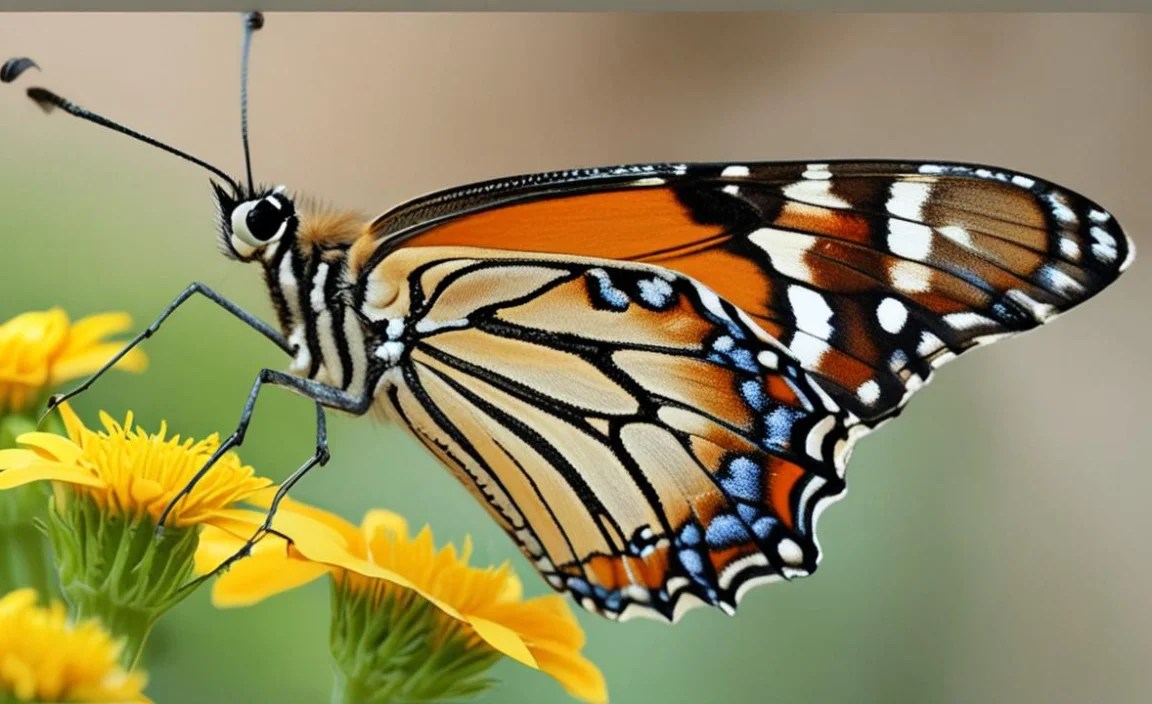
Observing territorial butterfly behavior can be a rewarding experience. Here are some tips for watching these interactions in your own backyard or local park:
- Visit Sunny Areas: Butterflies are most active in sunny areas, so these are the best places to observe territorial behavior.
- Look for Nectar Sources: Areas with abundant flowers attract butterflies and increase the chances of seeing territorial disputes.
- Watch for Chasing and Circling: Pay attention to butterflies chasing each other or flying in circles, as these are common signs of territorial behavior.
- Identify Perching Spots: Males often perch in prominent locations within their territory. Observing these spots can provide insights into their behavior.
- Use Binoculars: Binoculars can help you get a closer look at butterfly interactions without disturbing them.
Creating a Butterfly-Friendly Habitat
You can encourage butterflies to visit your garden by creating a habitat that meets their needs. Here are some tips:
- Plant Nectar-Rich Flowers: Choose a variety of flowers that provide nectar throughout the growing season.
- Include Host Plants: Plant host plants for butterfly larvae, such as milkweed for Monarchs or dill for Swallowtails.
- Provide a Water Source: A shallow dish of water with pebbles can provide butterflies with a place to drink.
- Avoid Pesticides: Pesticides can harm butterflies and other beneficial insects. Use organic gardening methods to protect them.
- Create Sunny Spots: Butterflies need sunlight to warm their bodies, so make sure to include sunny areas in your garden.
The Importance of Understanding Butterfly Behavior
Understanding butterfly behavior, including territoriality, is important for several reasons:
- Conservation: By understanding their needs, we can create habitats that support butterfly populations.
- Education: Learning about butterfly behavior can inspire a greater appreciation for nature and the environment.
- Scientific Research: Studying butterfly behavior can provide insights into ecology, evolution, and conservation biology.
Butterfly Conservation
Butterfly populations are declining in many parts of the world due to habitat loss, pesticide use, and climate change. Supporting butterfly conservation efforts is crucial for protecting these beautiful and important insects. Here are some ways you can help:
- Plant a Butterfly Garden: Create a butterfly-friendly habitat in your yard or community.
- Support Conservation Organizations: Donate to organizations that work to protect butterflies and their habitats, such as The Xerces Society.
- Advocate for Change: Support policies that protect butterfly habitats and reduce pesticide use.
- Educate Others: Share your knowledge and passion for butterflies with friends, family, and community members.
Tables of Butterfly Behavior
Table 1: Common Territorial Behaviors in Butterflies
| Behavior | Description | Purpose |
|---|---|---|
| Perching | Sitting in a prominent location | Signaling presence and ownership |
| Patrolling | Flying around the territory | Marking boundaries and deterring intruders |
| Chasing | Pursuing intruders out of the territory | Defending territory from rivals |
| Circling | Flying in circles around an intruder | Intimidating rivals |
| Bumping | Colliding with intruders in mid-air | Physically asserting dominance |
Table 2: Factors Influencing Territorial Butterfly Behavior
| Factor | Description | Impact on Behavior |
|---|---|---|
| Sunlight | Amount of direct sunlight | Increases territorial defense in sunny spots |
| Nectar Availability | Abundance of nectar-rich flowers | Intensifies competition for nectar sources |
| Female Presence | Presence of receptive females | Increases male aggression and courtship displays |
| Temperature | Optimal temperature ranges | Enhances overall butterfly activity and territorial behavior |
FAQ About Territorial Butterfly Behavior
1. Why do male butterflies defend territories?
Male butterflies defend territories primarily to increase their chances of mating with females. By controlling valuable resources like sunny spots or nectar sources, they attract females and prevent other males from competing.
2. What are common signs of territorial behavior in butterflies?
Common signs include males perching in prominent locations, patrolling their territory by flying around, chasing away other males, and engaging in aerial displays like circling or bumping.
3. How do environmental conditions affect territorial behavior?
Environmental conditions such as sunlight, temperature, and wind play a significant role. Sunny areas are highly contested, optimal temperatures enhance activity, and strong winds can disrupt territorial defense.
4. What role do nectar sources play in territoriality?
Nectar sources are a valuable resource, and males often defend areas with abundant flowers to attract females. Competition for these nectar-rich territories can be intense.
5. Can I attract more butterflies to my garden by understanding territorial behavior?
Yes, by providing sunny spots, nectar-rich flowers, and host plants, you can create a habitat that attracts butterflies. Understanding their territorial behavior can help you optimize your garden to support their needs.
6. Are there specific butterfly species known for their territorial behavior?
Yes, species like Red Admirals, Monarchs, Swallowtails, and Buckeyes are known for exhibiting territorial behavior. Each species may have its unique strategies and preferences for territory defense.
7. How can I help protect butterflies and their habitats?
You can help by planting a butterfly garden, supporting conservation organizations like The Xerces Society, advocating for policies that protect butterfly habitats, and educating others about the importance of butterfly conservation.
Conclusion
Territorial butterfly behavior is a captivating aspect of their lives, driven by the fundamental need to reproduce and pass on their genes. By understanding why and how butterflies defend their territories, we gain a deeper appreciation for their complex lives. Whether you’re a gardener, a nature enthusiast, or simply curious about the natural world, observing and learning about butterfly behavior can bring you closer to the beauty and intricacies of these delicate creatures.
Creating butterfly-friendly habitats and supporting conservation efforts are essential steps we can take to ensure these beautiful insects continue to thrive. As we observe these behaviors, we are reminded of the delicate balance of nature and the importance of preserving it for future generations. So, step outside, watch closely, and let the fascinating world of territorial butterflies unfold before your eyes.


