
Global Butterfly Conservation Network: Powerful Impact

The global butterfly conservation network is a collaborative effort of organizations and individuals working to protect butterflies and their habitats worldwide. Through research, habitat restoration, education, and advocacy, these networks strive to ensure the survival of these vital pollinators. By joining or supporting these groups, you can make a real difference in butterfly conservation.
Butterflies, those beautiful, fluttering insects, are more than just pretty to look at. They’re important pollinators, playing a vital role in our ecosystems. Unfortunately, many butterfly species are facing threats like habitat loss, climate change, and pesticide use. It can feel overwhelming, but the good news is that people all over the world are working together to help butterflies thrive. In this guide, we’ll explore the global butterfly conservation network and how you can get involved to protect these amazing creatures.
What is the Global Butterfly Conservation Network?

The global butterfly conservation network isn’t a single organization, but rather a collection of groups, individuals, and initiatives that share a common goal: to protect butterflies and their habitats. These networks operate at local, national, and international levels, each contributing to the overall effort to conserve these important insects. They bring together scientists, conservationists, educators, and concerned citizens to address the challenges facing butterfly populations worldwide.
Why is Butterfly Conservation Important?
Butterflies are vital indicators of environmental health. Their presence or absence can tell us a lot about the condition of our ecosystems. They also play a key role in pollination, helping to ensure the reproduction of many plant species, including some that we rely on for food. When butterfly populations decline, it’s a sign that something is wrong with the environment. Conserving butterflies helps to protect biodiversity, maintain healthy ecosystems, and support the well-being of our planet.
Key Threats to Butterflies
Several factors contribute to the decline of butterfly populations around the world. Understanding these threats is the first step in developing effective conservation strategies.
- Habitat Loss: The destruction and fragmentation of natural habitats, such as forests, meadows, and wetlands, is a major threat to butterflies. As these habitats disappear, butterflies lose their food sources and breeding grounds.
- Climate Change: Changing weather patterns, including rising temperatures, altered rainfall, and more frequent extreme weather events, can disrupt butterfly life cycles and distributions.
- Pesticide Use: Insecticides and herbicides can directly harm butterflies or destroy their host plants, leading to population declines.
- Pollution: Air and water pollution can negatively impact butterfly health and the quality of their habitats.
- Invasive Species: Non-native plants and animals can outcompete native species, disrupting butterfly food webs and habitats.
Key Players in Butterfly Conservation

Numerous organizations and initiatives are dedicated to butterfly conservation around the world. Here are some of the key players:
- Xerces Society: A leading invertebrate conservation organization that works to protect butterflies, moths, and other invertebrates through habitat conservation, research, and education.
- Butterfly Conservation (UK): A UK-based organization focused on conserving butterflies and moths through habitat management, research, and advocacy.
- IUCN Butterfly Specialist Group: A group of experts that assesses the conservation status of butterfly species worldwide and provides guidance on conservation priorities.
- Local and Regional Conservation Groups: Many local and regional organizations are dedicated to butterfly conservation in specific areas. These groups often conduct habitat restoration projects, monitor butterfly populations, and educate the public.
How to Get Involved in Butterfly Conservation

You don’t need to be a scientist or conservation expert to make a difference for butterflies. There are many ways that you can get involved, from simple actions in your own backyard to volunteering with conservation organizations.
1. Create a Butterfly-Friendly Garden
One of the easiest and most rewarding ways to help butterflies is to create a butterfly-friendly garden. By planting nectar-rich flowers and host plants for caterpillars, you can provide food and shelter for butterflies throughout their life cycle.
- Choose Native Plants: Native plants are best adapted to your local climate and provide the most nutritious food for butterflies and caterpillars.
- Plant a Variety of Flowers: Different butterfly species are attracted to different flowers, so plant a variety of colors, shapes, and sizes to attract a wide range of butterflies.
- Provide Host Plants: Host plants are the specific plants that butterfly caterpillars need to feed on. Research which butterfly species are common in your area and plant their host plants.
- Avoid Pesticides: Pesticides can harm or kill butterflies and other beneficial insects. Use organic gardening practices to control pests and diseases.
- Provide Water: Butterflies need water to drink. Provide a shallow dish of water with pebbles or sand for them to land on.
2. Support Conservation Organizations
Many organizations are working hard to protect butterflies and their habitats. Supporting these groups through donations, memberships, or volunteer work can make a big difference.
- Donate: Financial contributions help conservation organizations fund research, habitat restoration, and education programs.
- Become a Member: Membership provides ongoing support to conservation organizations and often includes benefits like newsletters, events, and discounts.
- Volunteer: Many conservation organizations rely on volunteers to help with habitat restoration, butterfly monitoring, and other tasks.
3. Participate in Citizen Science Projects
Citizen science projects allow you to contribute valuable data to butterfly research and conservation efforts. By monitoring butterfly populations, reporting sightings, and collecting data, you can help scientists track butterfly trends and identify areas that need conservation attention.
- Butterfly Counts: Participate in butterfly counts organized by local or national organizations. These counts involve identifying and counting butterflies in a specific area over a set period of time.
- Report Sightings: Use online platforms like iNaturalist or eButterfly to report your butterfly sightings. These platforms collect data on butterfly distributions and abundance.
- Monitor Butterfly Gardens: If you have a butterfly garden, you can monitor the butterflies that visit and report your findings to citizen science projects.
4. Advocate for Butterfly Conservation
You can also advocate for butterfly conservation by raising awareness about the importance of butterflies and the threats they face. Contact your elected officials to support policies that protect butterfly habitats and reduce pesticide use.
- Educate Others: Share your knowledge about butterflies with friends, family, and community members.
- Write Letters: Write letters to your elected officials urging them to support butterfly conservation policies.
- Support Legislation: Support legislation that protects butterfly habitats and reduces pesticide use.
5. Reduce Your Environmental Impact
Many of the threats to butterflies are linked to broader environmental issues, such as climate change and pollution. By reducing your environmental impact, you can help to create a healthier planet for butterflies and other wildlife.
- Reduce Your Carbon Footprint: Reduce your energy consumption, use public transportation, and eat locally grown food.
- Reduce Waste: Reduce, reuse, and recycle to minimize waste and pollution.
- Choose Sustainable Products: Choose products that are made from sustainable materials and produced in an environmentally friendly way.
Case Studies: Successful Butterfly Conservation Efforts

There are many examples of successful butterfly conservation efforts around the world. These case studies demonstrate that with dedicated effort and collaboration, it is possible to protect and restore butterfly populations.
The Monarch Butterfly
The monarch butterfly is one of the most iconic and well-studied butterfly species in North America. Its populations have declined dramatically in recent decades due to habitat loss, climate change, and pesticide use. However, a concerted effort by conservation organizations, government agencies, and citizen scientists has helped to stabilize monarch populations and promote their recovery. This effort includes habitat restoration, public education, and international cooperation between the United States, Canada, and Mexico, as detailed by the U.S. Fish and Wildlife Service.
The Large Blue Butterfly
The large blue butterfly is a rare and endangered species that was once widespread in Europe. Its populations declined dramatically in the 20th century due to habitat loss and changes in agricultural practices. However, a successful conservation program in the United Kingdom has helped to restore large blue butterfly populations by managing grassland habitats and reintroducing the butterfly to its former range.
The Mission Blue Butterfly
The Mission blue butterfly is an endangered species found only in the San Francisco Bay Area. Its populations have declined due to habitat loss and fragmentation. The National Park Service and other organizations have worked to protect and restore Mission blue butterfly habitats by controlling invasive plants and promoting the growth of native lupine, the host plant for Mission blue caterpillars.
Resources for Further Learning
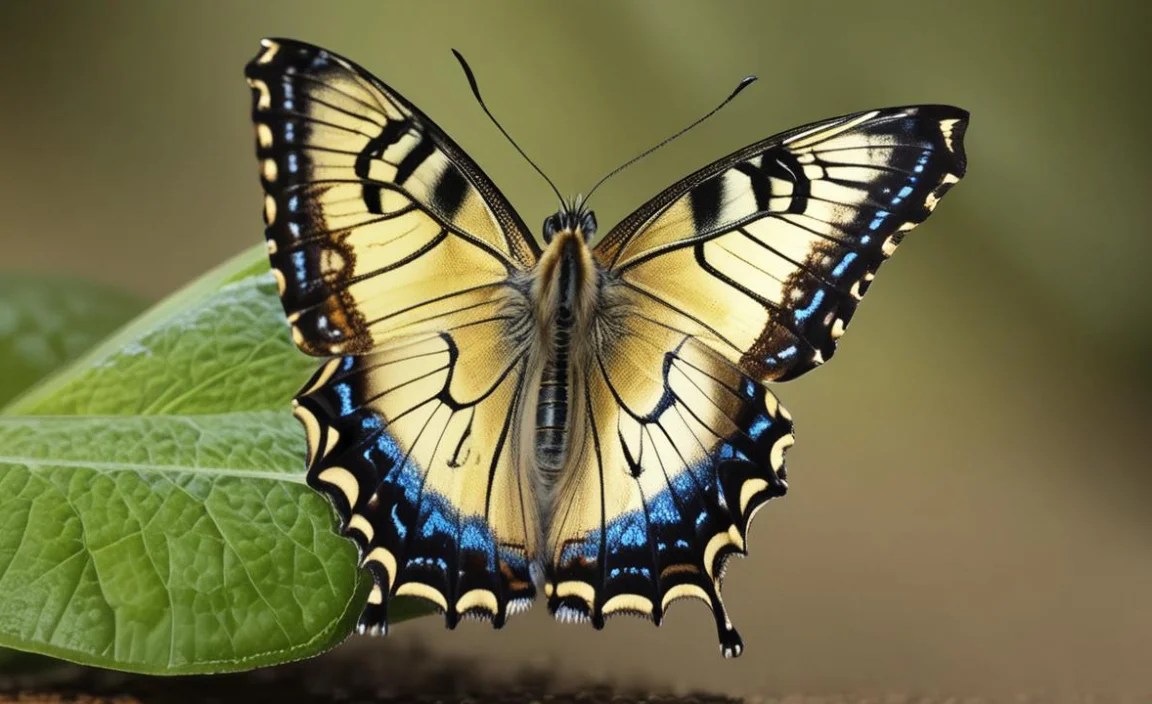
There are many resources available to help you learn more about butterfly conservation and how you can get involved.
- Books: Many books cover butterfly identification, gardening for butterflies, and butterfly conservation.
- Websites: Websites like the Xerces Society, Butterfly Conservation, and the North American Butterfly Association provide information on butterfly biology, conservation, and citizen science projects.
- Workshops and Events: Attend workshops, conferences, and events organized by conservation organizations to learn from experts and connect with other butterfly enthusiasts.
Examples of Global Butterfly Conservation Networks
Here’s a table showcasing a few networks that are making a global impact:
| Network/Organization | Geographic Focus | Key Activities | Website |
|---|---|---|---|
| Xerces Society | North America, with some global initiatives | Habitat conservation, research, advocacy, citizen science | xerces.org |
| Butterfly Conservation | United Kingdom, with international collaborations | Habitat management, species monitoring, research, public education | butterfly-conservation.org |
| IUCN Butterfly Specialist Group | Global | Species assessments, conservation planning, expert advice | (Information available via IUCN website) |
| European Butterfly Group | Europe | Promoting butterfly conservation through research and education | (Information available via Butterfly Conservation Europe website) |
FAQ: Global Butterfly Conservation Network
What exactly is a butterfly conservation network?
A butterfly conservation network is a group of organizations and individuals working together to protect butterflies and their habitats. These networks share information, coordinate conservation efforts, and advocate for policies that benefit butterflies.
Why are butterflies important?
Butterflies are important pollinators, helping to ensure the reproduction of many plant species. They are also an important part of the food chain and serve as indicators of environmental health.
What are the biggest threats to butterflies?
The biggest threats to butterflies include habitat loss, climate change, pesticide use, pollution, and invasive species.
How can I help butterflies in my backyard?
You can help butterflies by planting a butterfly-friendly garden with native nectar plants and host plants for caterpillars. Avoid using pesticides and provide a source of water for butterflies to drink.
How can I get involved in citizen science projects?
You can get involved in citizen science projects by participating in butterfly counts, reporting butterfly sightings, and monitoring butterfly gardens. Many organizations offer training and resources for citizen scientists.
Where can I learn more about butterfly conservation?
You can learn more about butterfly conservation by visiting the websites of conservation organizations, reading books about butterflies, and attending workshops and events.
Are there specific butterfly species that need the most help?
Yes, many butterfly species are endangered or threatened. The IUCN Red List of Threatened Species provides information on the conservation status of butterfly species worldwide. Some species of particular concern include the Monarch, the Mission Blue, and the Large Blue.
Conclusion: A World with More Butterflies
Butterfly conservation is a critical effort that requires the participation of individuals, organizations, and governments around the world. By understanding the threats that butterflies face and taking action to protect them, we can help to ensure that these beautiful and important insects continue to thrive for generations to come. Whether you create a butterfly garden, support conservation organizations, or advocate for butterfly-friendly policies, every effort makes a difference. Let’s work together to create a world where butterflies flourish, and our ecosystems are healthy and vibrant.


