
Monarch Butterfly Migration Pattern: The Secret Route

The monarch butterfly migration pattern is one of nature’s most spectacular events! These butterflies travel thousands of miles each year, from Canada and the United States to overwintering sites in Mexico and California. This journey is crucial for their survival, as they seek warmer climates to escape the harsh winters.
Have you ever wondered where butterflies go when the weather turns cold? It’s a question that has fascinated nature lovers for centuries, especially when it comes to the monarch butterfly. Unlike many other insects that hibernate, monarch butterflies embark on an incredible journey each fall. But understanding their migration pattern can seem a bit complex. Don’t worry! We’ll break down everything you need to know, step by step, making it easy to follow along and appreciate this amazing natural phenomenon. Get ready to discover the secrets of the monarch’s epic voyage!
Understanding the Monarch Butterfly Migration Pattern

The monarch butterfly migration pattern is a truly remarkable phenomenon. Each year, millions of monarch butterflies undertake a multi-generational journey across North America. Let’s dive deeper into the specifics of this incredible migration.
Why Do Monarch Butterflies Migrate?
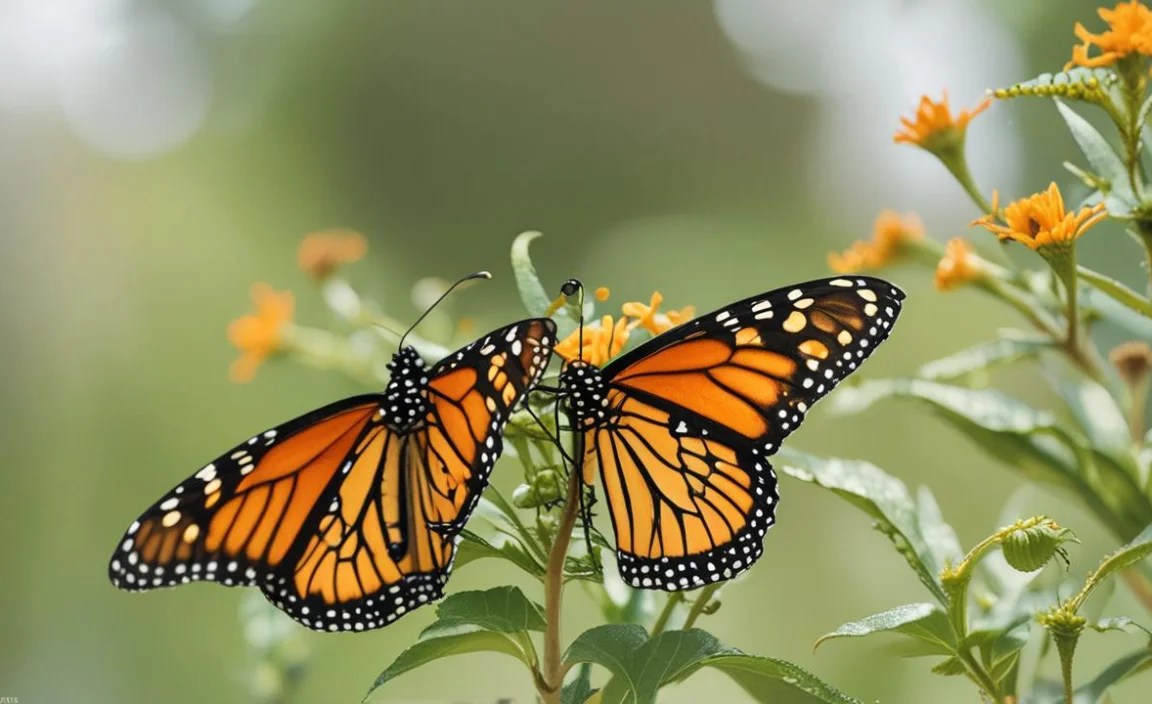
Monarch butterflies migrate to survive. They cannot tolerate freezing temperatures, so they must travel to warmer climates to overwinter. The eastern population migrates to the oyamel fir forests in the mountains of central Mexico, while the western population migrates to the California coast.
The Eastern Monarch Migration

The eastern monarch population, which is the larger of the two, undertakes an extraordinary journey from as far north as Canada to the oyamel fir forests in the mountains of central Mexico. This migration spans thousands of miles and multiple generations.
The Journey South

The migration begins in late summer and early fall, triggered by changes in temperature and day length. Monarchs use a combination of environmental cues and an internal compass to navigate. They follow routes passed down through generations, often using landmarks such as mountain ranges and coastlines.
During the journey, monarchs face numerous challenges, including habitat loss, pesticide use, and climate change. They rely on nectar sources along the way to fuel their flight. Planting native milkweed and nectar-rich flowers can provide essential resources for migrating monarchs.
Overwintering in Mexico
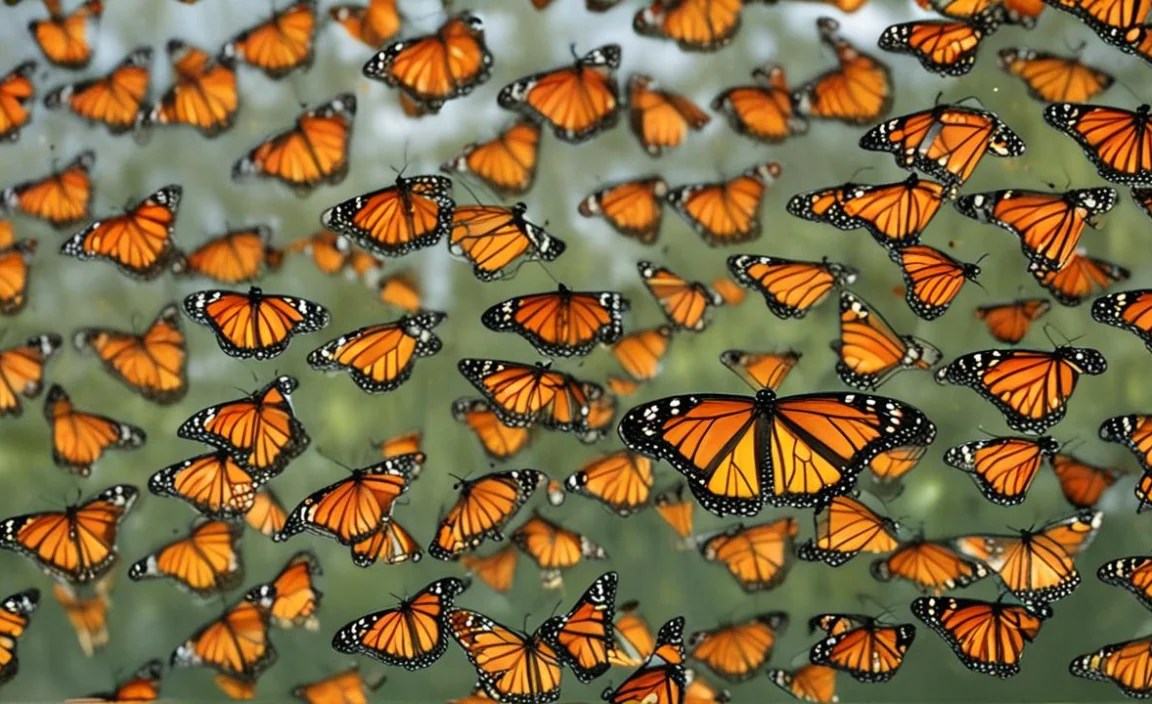
The monarchs arrive in the oyamel fir forests of central Mexico in November. These forests provide a unique microclimate that protects the butterflies from freezing temperatures. Millions of monarchs cluster together on the trees, forming a breathtaking sight.
The overwintering period is crucial for the survival of the monarch population. The butterflies conserve energy and wait for warmer temperatures to return in the spring. During this time, they are vulnerable to habitat destruction and illegal logging.
The Journey North
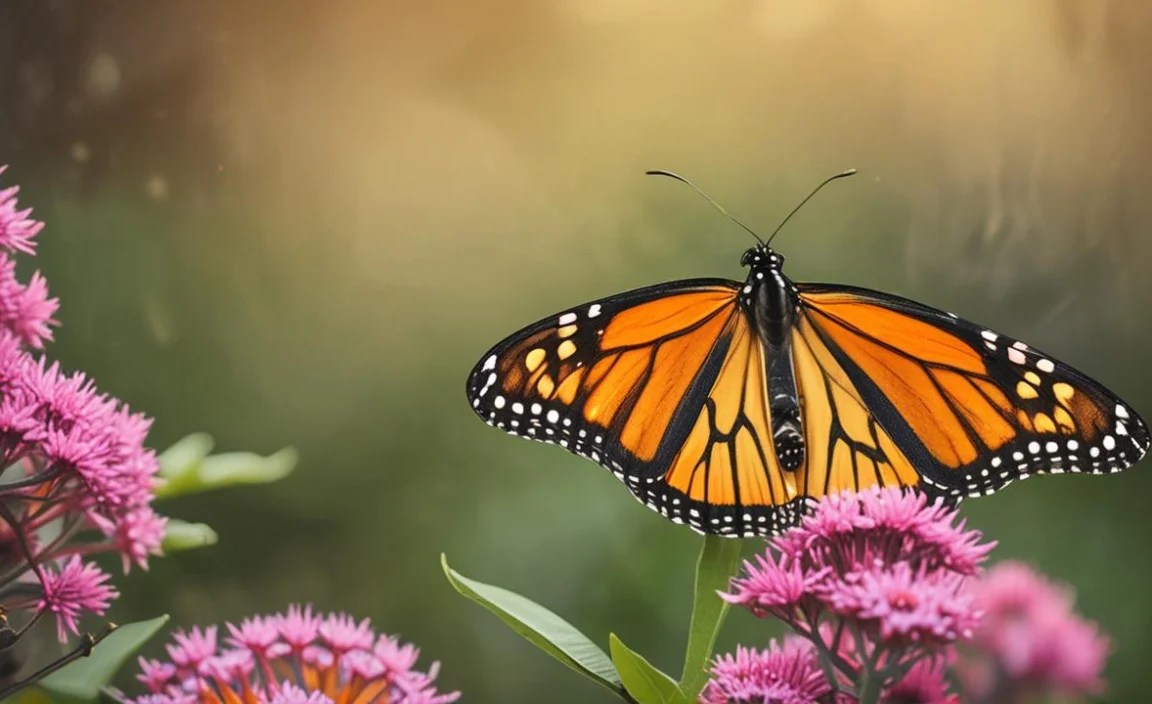
In the spring, the monarchs begin their journey north. They mate and lay eggs on milkweed plants, which are the sole food source for monarch caterpillars. This first generation of monarchs then continues the migration northward.
It takes multiple generations of monarchs to complete the entire migration cycle. Each generation travels a portion of the way, eventually reaching their breeding grounds in the United States and Canada. This multi-generational migration is one of the most fascinating aspects of the monarch’s life cycle.
The Western Monarch Migration
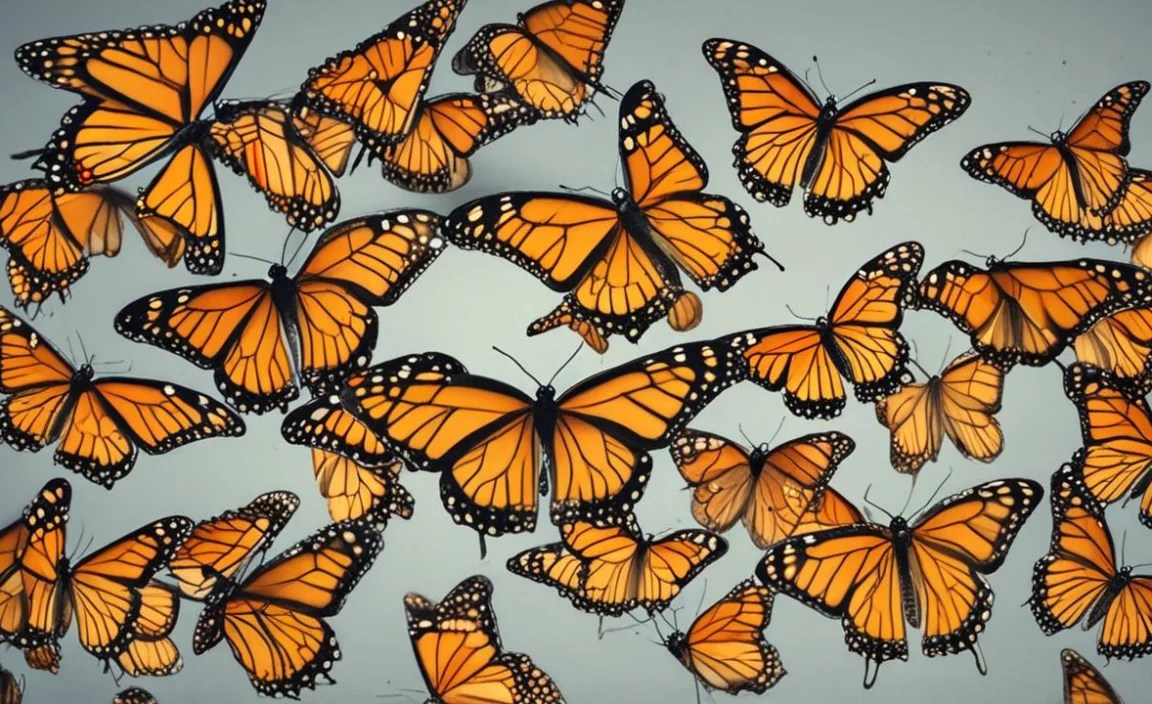
The western monarch population, though smaller, also undertakes a significant migration. These monarchs travel to overwintering sites along the California coast.
Overwintering in California
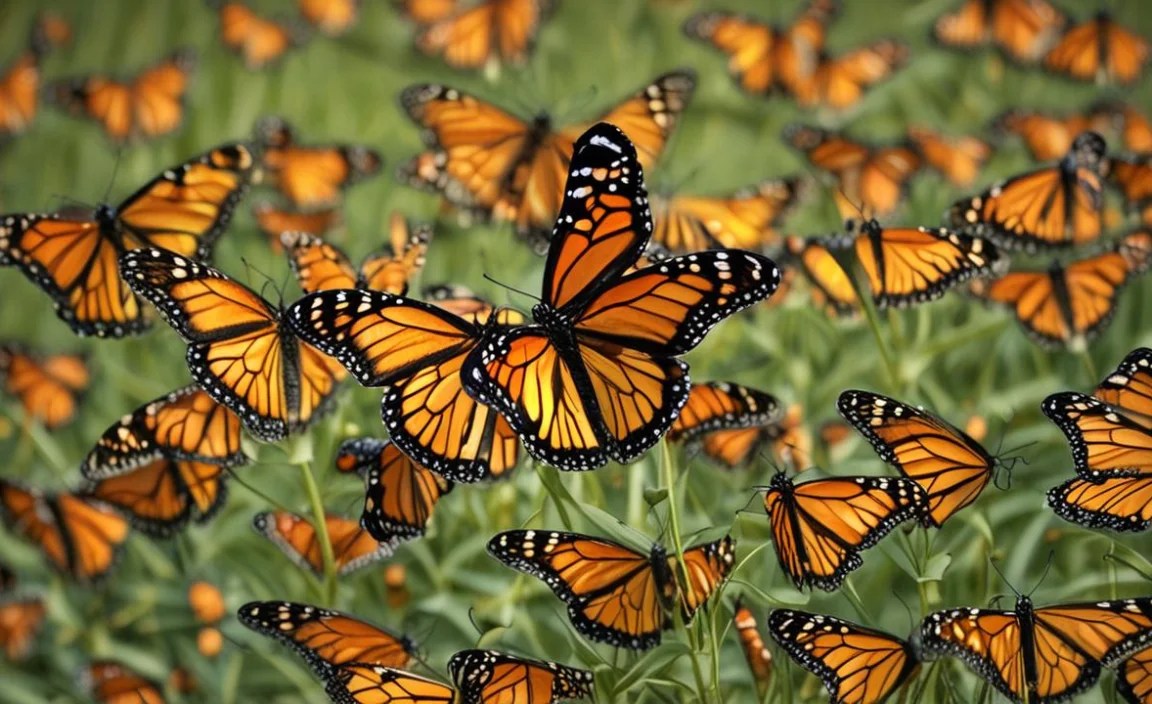
Western monarchs gather in groves of trees along the California coast, where they find refuge from the winter cold. These sites provide a similar microclimate to the oyamel fir forests in Mexico, protecting the butterflies from freezing temperatures and strong winds.
Like their eastern counterparts, western monarchs face numerous threats, including habitat loss and pesticide use. Conservation efforts are focused on protecting and restoring overwintering sites and providing resources for migrating monarchs.
The Journey Inland

In the spring, western monarchs leave their overwintering sites and begin to move inland, laying eggs on milkweed plants as they go. The next generation continues the cycle, eventually reaching breeding grounds throughout the western United States and Canada.
How to Help Monarch Butterflies
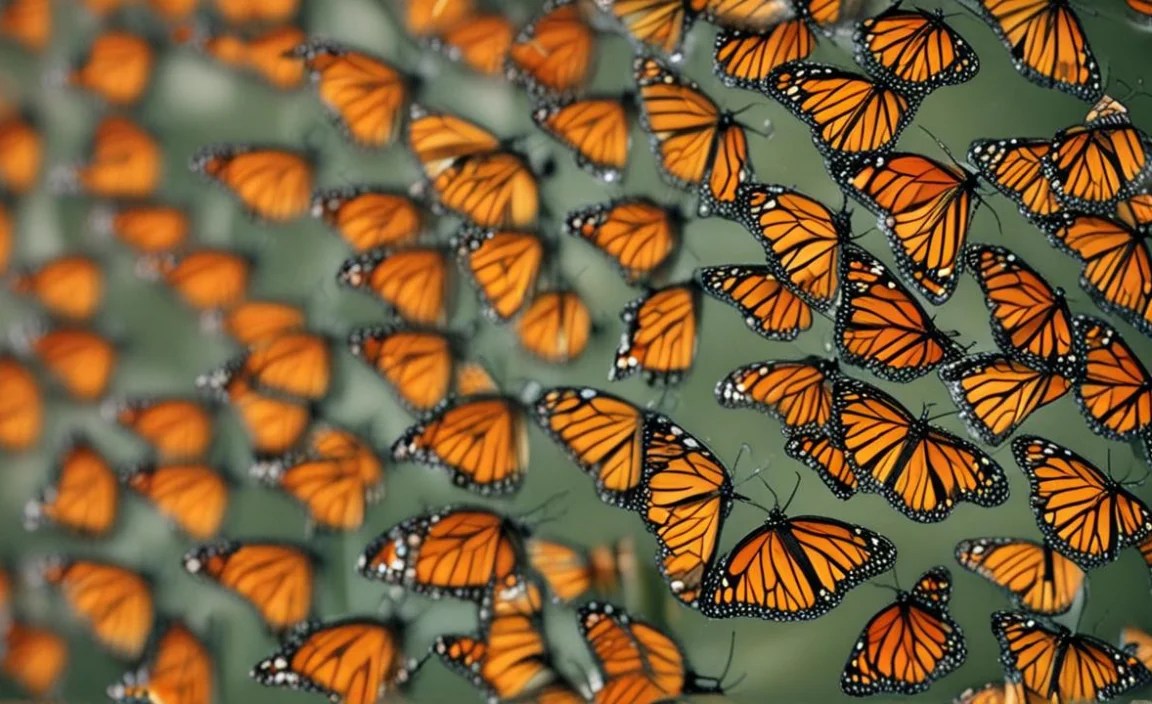
There are many ways you can help monarch butterflies and support their incredible migration. Here are a few simple steps you can take:
- Plant Milkweed: Milkweed is the only plant that monarch caterpillars can eat. Planting native milkweed species in your garden or community can provide essential food for monarch larvae.
- Plant Nectar-Rich Flowers: Adult monarchs need nectar to fuel their flight. Planting a variety of nectar-rich flowers that bloom throughout the spring, summer, and fall can provide a valuable food source for migrating monarchs.
- Avoid Pesticides: Pesticides can harm or kill monarch butterflies and other beneficial insects. Avoid using pesticides in your garden and encourage others to do the same.
- Protect and Restore Habitat: Support organizations and initiatives that are working to protect and restore monarch habitat. This includes overwintering sites, breeding grounds, and migratory corridors.
- Educate Others: Share your knowledge about monarch butterflies and their migration with others. Educating friends, family, and community members can help raise awareness and inspire action.
Monarch Butterfly Migration: Step-by-Step Guide

Here’s a detailed, step-by-step look at the monarch butterfly migration pattern, from start to finish:
- Late Summer/Early Fall:
- The migration begins as temperatures cool and daylight hours shorten.
- Monarchs prepare for the journey by feeding heavily on nectar to build up fat reserves.
- The Journey South:
- Monarchs travel south, navigating using a combination of environmental cues and an internal compass.
- They fly during the day and rest at night, often clustering together in large groups.
- They face challenges such as habitat loss, pesticide use, and adverse weather conditions.
- Overwintering:
- Eastern monarchs arrive in the oyamel fir forests of central Mexico.
- Western monarchs arrive at overwintering sites along the California coast.
- The butterflies cluster together on trees to conserve energy and stay warm.
- They remain in these overwintering sites for several months, waiting for warmer temperatures.
- Spring Migration North:
- As temperatures rise, the monarchs begin to move north.
- They mate and lay eggs on milkweed plants.
- The first generation of monarchs continues the migration northward.
- Multiple Generations:
- It takes multiple generations of monarchs to complete the entire migration cycle.
- Each generation travels a portion of the way, eventually reaching their breeding grounds in the United States and Canada.
- Summer Breeding:
- Monarchs breed and lay eggs throughout the summer.
- The monarch population expands, preparing for the next migration cycle.
Tools and Resources for Tracking Monarch Migration
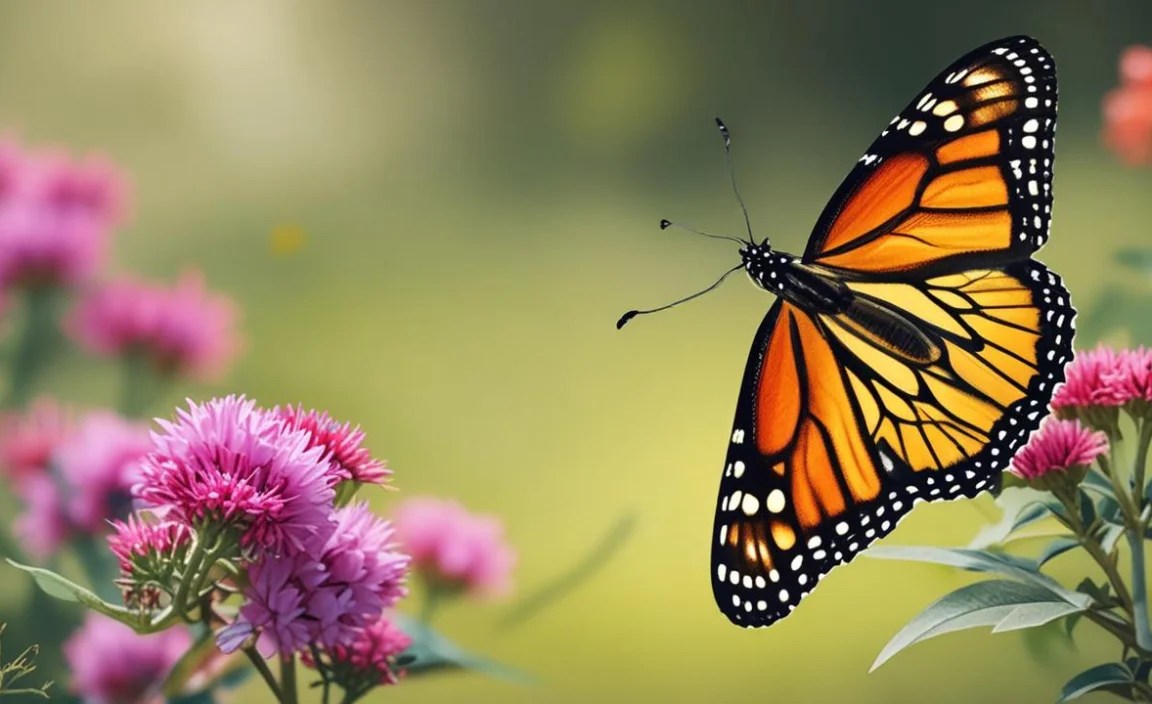
If you’re interested in tracking monarch migration, there are several tools and resources available. These resources can help you stay informed about the progress of the migration and contribute to citizen science efforts.
- Journey North: Journey North is a citizen science project that tracks the migration of monarch butterflies and other wildlife. You can submit your sightings of monarchs and milkweed to help scientists monitor the migration. Journey North
- Monarch Watch: Monarch Watch is a research and education program that focuses on monarch butterfly conservation. They offer tagging kits and other resources for tracking monarch migration. Monarch Watch
- iNaturalist: iNaturalist is a platform where you can record your observations of plants and animals, including monarch butterflies. Your observations can contribute to scientific research and conservation efforts. iNaturalist
- Local Nature Centers and Butterfly Gardens: Many nature centers and butterfly gardens offer programs and resources related to monarch butterflies. Check with your local organizations to learn more about monarch conservation efforts in your area.
The Challenges Facing Monarch Butterflies

Monarch butterflies face numerous challenges that threaten their survival. Understanding these challenges is crucial for developing effective conservation strategies.
- Habitat Loss: Habitat loss is one of the biggest threats to monarch butterflies. The destruction of milkweed habitat due to agriculture, development, and herbicide use has reduced the availability of food for monarch caterpillars.
- Pesticide Use: Pesticides can harm or kill monarch butterflies and other beneficial insects. The widespread use of pesticides in agriculture and landscaping poses a significant threat to monarch populations.
- Climate Change: Climate change can disrupt the monarch butterfly migration pattern and alter their habitat. Changes in temperature and precipitation can affect the availability of milkweed and nectar sources, as well as the suitability of overwintering sites.
- Illegal Logging: Illegal logging in the oyamel fir forests of central Mexico threatens the overwintering habitat of eastern monarch butterflies. The destruction of these forests reduces the protective microclimate that the butterflies need to survive the winter.
- Disease and Parasites: Monarch butterflies are susceptible to various diseases and parasites, such as the protozoan parasite Ophryocystis elektroscirrha (OE). High levels of OE infection can weaken monarchs and reduce their ability to migrate and reproduce.
Monarch Butterfly Migration: A Generational Relay Race

One of the most fascinating aspects of the monarch butterfly migration is that it is a multi-generational event. No single monarch butterfly makes the entire round trip from Canada and the United States to Mexico or California and back. Instead, the journey is completed by successive generations of monarchs.
Here’s how it works:
- The Migrating Generation: The monarchs that migrate south in the fall are a special generation that lives much longer than the summer generations. They can live for up to eight or nine months, allowing them to make the long journey to their overwintering sites.
- The Overwintering Generation: These monarchs spend the winter in Mexico or California, conserving energy and waiting for warmer temperatures. In the spring, they begin to move north, laying eggs on milkweed plants as they go.
- The First Generation: The eggs laid by the overwintering generation hatch into caterpillars, which feed on milkweed and transform into butterflies. This first generation continues the migration northward, traveling a portion of the way.
- Subsequent Generations: Subsequent generations of monarchs continue the migration, each traveling further north. It takes three to five generations to complete the entire cycle, with the final generation eventually reaching their breeding grounds in the United States and Canada.
The Symbolic Significance of Monarch Migration

The monarch butterfly migration has captured the human imagination for centuries. It symbolizes transformation, resilience, and the interconnectedness of nature. Many cultures view the monarch butterfly as a symbol of hope, change, and the beauty of life.
The monarch’s incredible journey reminds us of the importance of conservation and the need to protect our planet’s natural wonders. By understanding and appreciating the monarch butterfly migration pattern, we can all play a role in ensuring the survival of these magnificent creatures for generations to come.
| Aspect of Migration | Eastern Monarchs | Western Monarchs |
|---|---|---|
| Destination | Oyamel fir forests in central Mexico | California coast |
| Distance | Up to 3,000 miles | Up to 1,000 miles |
| Generations | Multiple (3-5) | Multiple (3-5) |
| Threats | Habitat loss, pesticide use, climate change, illegal logging | Habitat loss, pesticide use, climate change |
| Conservation Efforts | Habitat restoration, milkweed planting, pesticide reduction, international cooperation | Habitat restoration, milkweed planting, pesticide reduction |
| Step | Action | Why |
|---|---|---|
| 1 | Plant Milkweed | Provides food for monarch caterpillars |
| 2 | Plant Nectar Flowers | Fuels adult monarch migration |
| 3 | Avoid Pesticides | Protects monarchs from harmful chemicals |
| 4 | Support Conservation | Helps restore and protect monarch habitats |
| 5 | Educate Others | Raises awareness and encourages action |
FAQ: Monarch Butterfly Migration
Here are some frequently asked questions about the monarch butterfly migration pattern:
What triggers the monarch butterfly migration?

The monarch butterfly migration is triggered by changes in temperature and day length. As the days get shorter and the weather gets cooler in late summer and early fall, monarchs begin to prepare for their journey south.
How do monarch butterflies navigate during migration?
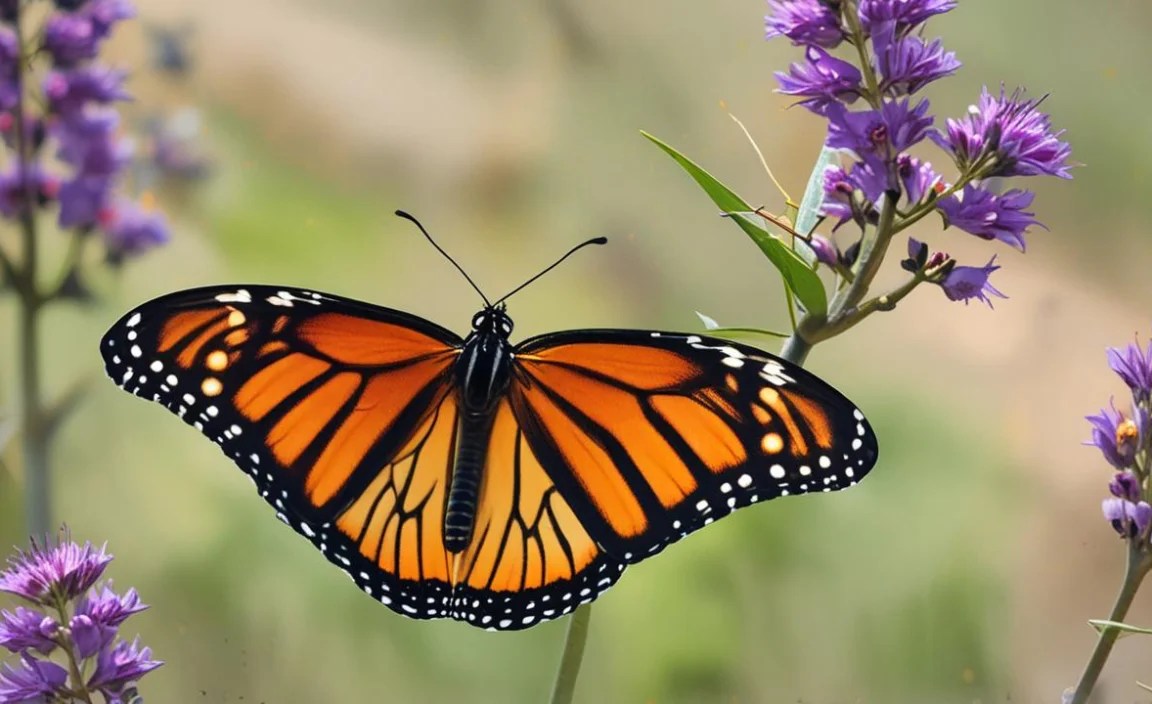
Monarch butterflies use a combination of environmental cues and an internal compass to navigate during migration. They rely on the position of the sun, the Earth’s magnetic field, and landmarks such as mountain ranges and coastlines to find their way.
Where do monarch butterflies overwinter?
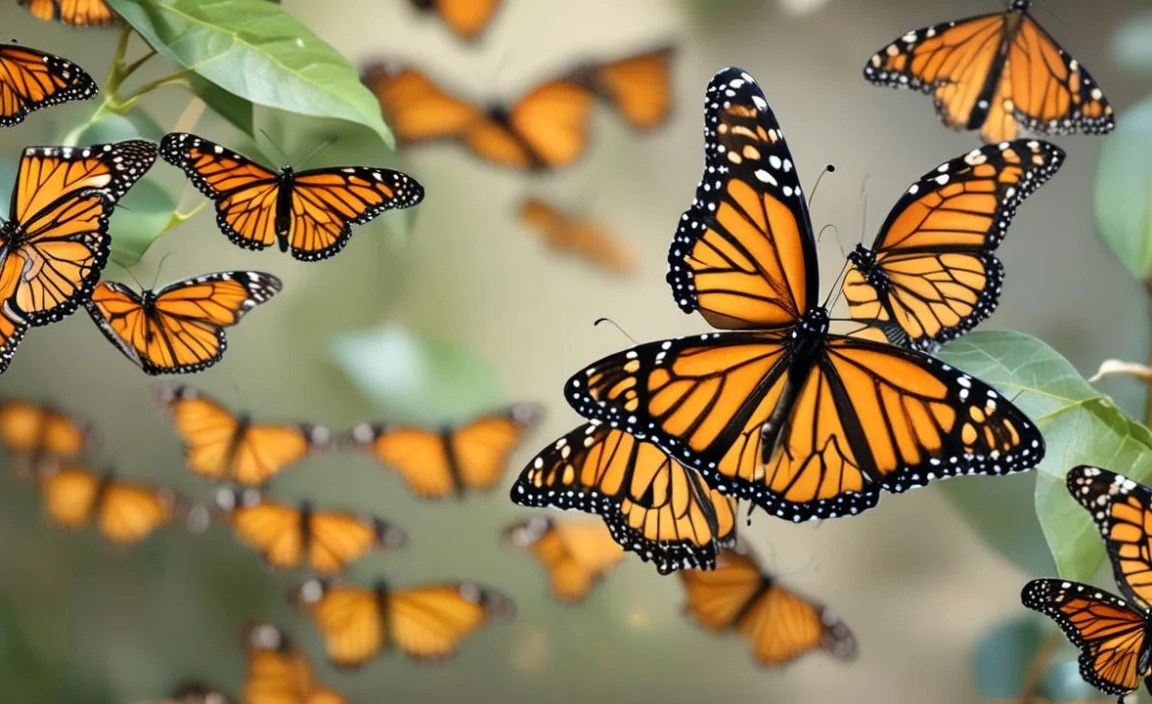
Eastern monarch butterflies overwinter in the oyamel fir forests of central Mexico, while western monarch butterflies overwinter in groves of trees along the California coast. These sites provide a unique microclimate that protects the butterflies from freezing temperatures.
How long does the monarch butterfly migration take?
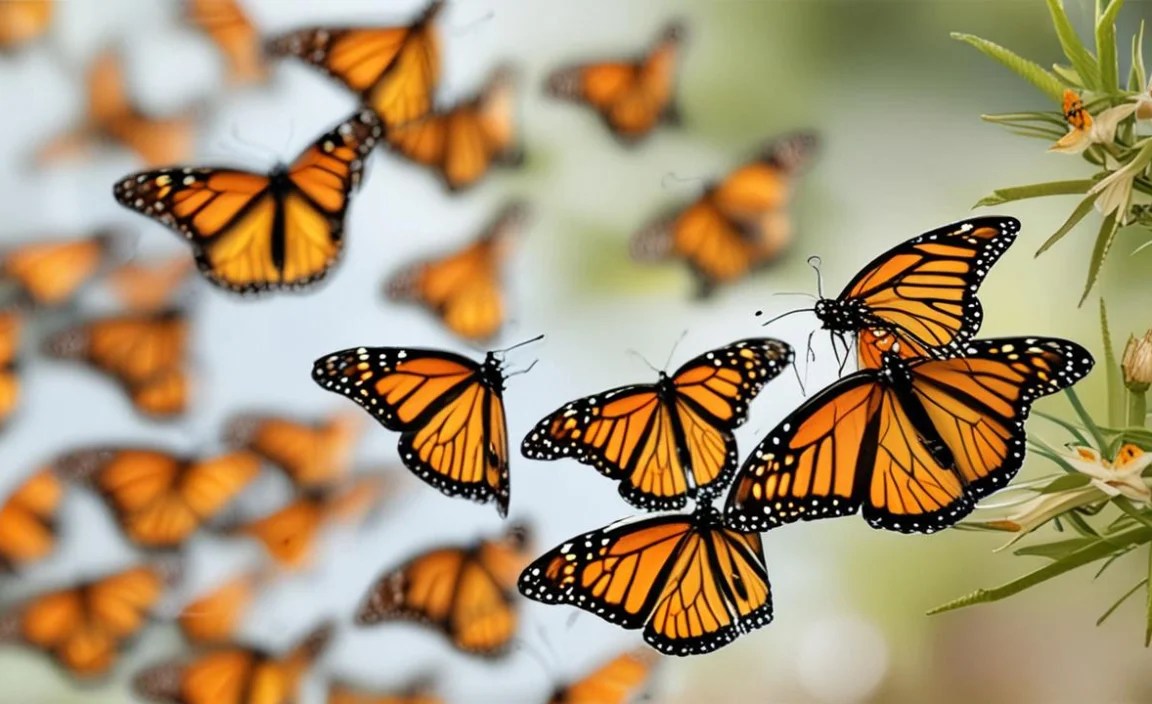
The monarch butterfly migration takes several months to complete. The journey south begins in late summer/early fall, and the butterflies arrive at their overwintering sites in November. The migration north begins in the spring, and it takes multiple generations to complete the cycle.
Why is milkweed important for monarch butterflies?

Milkweed is the only plant that monarch caterpillars can eat. Monarch butterflies lay their eggs on milkweed plants, and the caterpillars feed on the leaves as they grow. Without milkweed, monarch butterflies cannot survive.
What can I do to help monarch butterflies?

There are many things you can do to help monarch butterflies, including planting milkweed and nectar-rich flowers, avoiding pesticides, protecting and restoring habitat, and educating others about monarch conservation.
Are monarch butterfly populations declining?

Yes, monarch butterfly populations have been declining in recent decades due to habitat loss, pesticide use, climate change, and other factors. Conservation efforts are crucial for protecting monarch butterflies and ensuring their survival for future generations.
Conclusion
The {monarch butterfly migration pattern} is a truly awe-inspiring natural phenomenon. These delicate creatures undertake an epic journey each year, facing numerous challenges along the way. By understanding the intricacies of their migration and the threats they face, we can all take action to help protect monarch butterflies and ensure the survival of this iconic species. Plant milkweed, avoid pesticides, support conservation efforts, and share your knowledge with others. Together, we can make a difference and help preserve the wonder of the monarch butterfly migration for generations to come. As a naturalist, I encourage you to observe, learn, and protect — let’s keep the magic of monarch migration alive!


