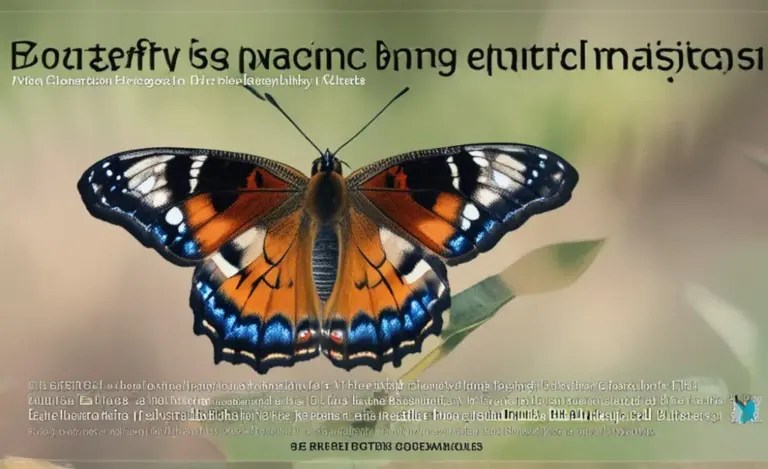
Butterfly Wing Scale Patterns: The Secret Beauty

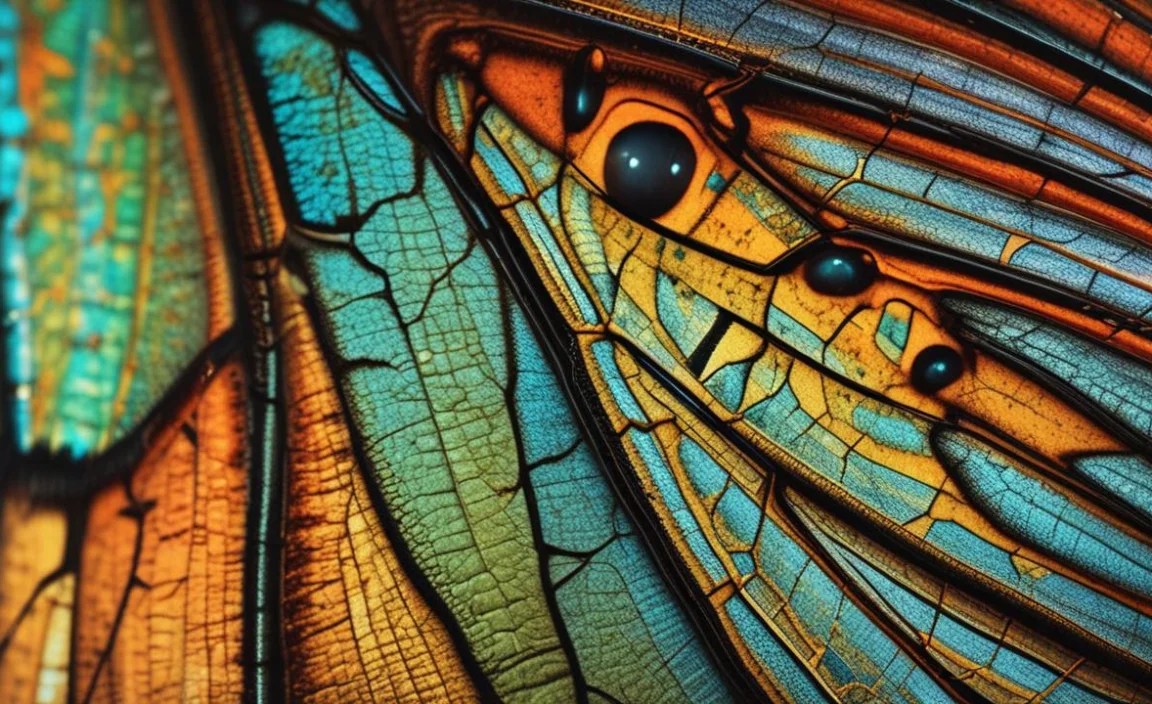
Butterfly wing scale patterns are formed by thousands of tiny, overlapping scales, each uniquely colored and arranged to create intricate designs. These patterns serve vital functions, including camouflage, mate attraction, and thermoregulation, making each butterfly a miniature work of art and a marvel of natural engineering.
Have you ever been mesmerized by the vibrant colors and intricate patterns on a butterfly’s wings? It’s easy to get lost in their beauty, but have you ever wondered how these amazing designs come to be? Many people are curious about the secret behind these patterns. Don’t worry, you’re not alone! Understanding the science behind butterfly wing patterns is easier than you think.
In this guide, we’ll explore the fascinating world of butterfly wing scale patterns. We’ll uncover how these patterns are formed, what purposes they serve, and how they contribute to the overall survival and beauty of these delicate creatures. Let’s dive in and discover the secrets hidden within those colorful wings!
Understanding Butterfly Wing Scales
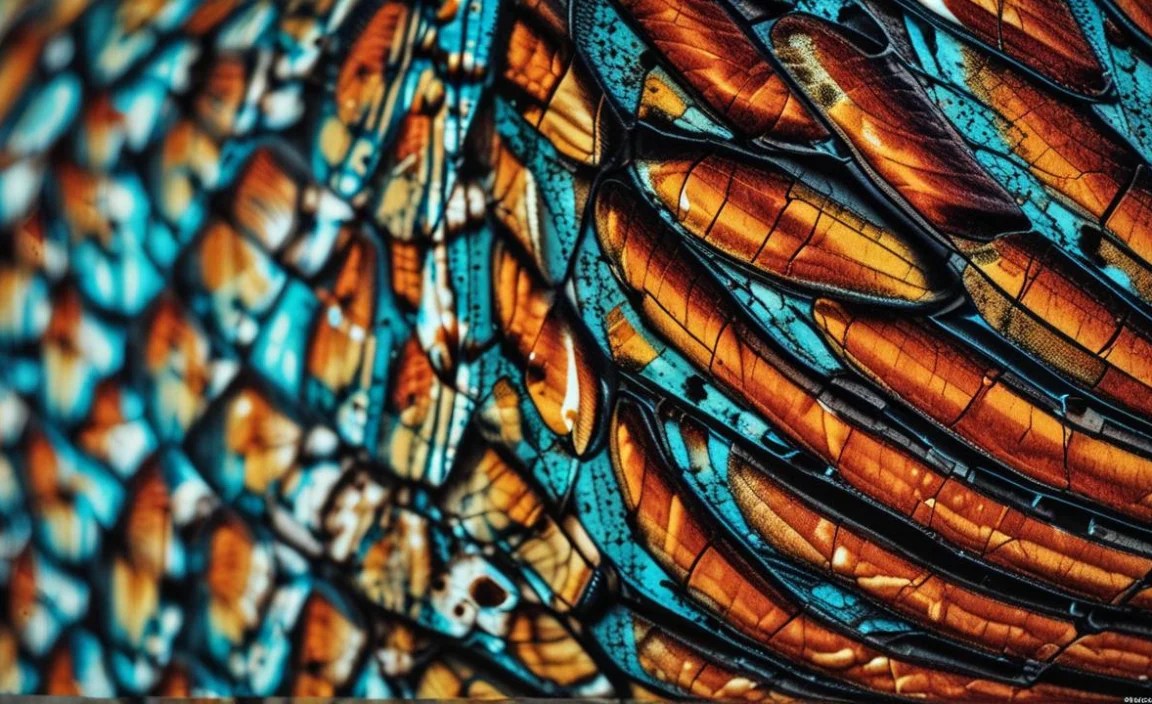
Butterfly wings aren’t just delicate membranes; they’re covered in thousands of tiny scales, much like shingles on a roof. These scales are responsible for the vibrant colors and intricate patterns we admire. Let’s take a closer look at these amazing structures.
What are Butterfly Wing Scales?
Butterfly wing scales are tiny, modified hairs that cover the wing membrane. Each scale is about 50 to 300 micrometers long and 25 to 50 micrometers wide – that’s incredibly small! These scales are made of chitin, the same material that forms the exoskeleton of insects. They overlap each other, providing both color and protection to the delicate wing surface.
The Structure of a Butterfly Scale
Each scale has a complex structure. The upper surface often has ridges and other microscopic features that play a role in light refraction and color production. There are two main ways butterfly scales create color:
- Pigmentary Coloration: This is due to pigments within the scales that absorb certain wavelengths of light and reflect others. For example, melanin creates black and brown colors.
- Structural Coloration: This occurs when the microscopic structure of the scales interferes with light, causing certain colors to be reflected. This is how iridescent colors, like those seen in Morpho butterflies, are produced.
How Scales Create Patterns
The arrangement of scales on a butterfly’s wings is not random. Each scale is precisely placed to create specific patterns. These patterns are determined by genetic factors and are influenced by environmental conditions during the butterfly’s development. The patterns can vary greatly between species and even within the same species.
The Science of Coloration

Butterfly wings owe their stunning colors to two primary mechanisms: pigmentary coloration and structural coloration. Understanding these mechanisms helps us appreciate the complexity of butterfly wing patterns.
Pigmentary Coloration
Pigmentary coloration is the result of chemical pigments present within the scales. These pigments absorb certain wavelengths of light and reflect others, creating the colors we see. Here are some common pigments found in butterfly scales:
- Melanin: Produces black and brown colors. Melanin is also involved in thermoregulation, as dark colors absorb more heat.
- Ommochromes: Create yellows, reds, and browns. These pigments are derived from amino acids.
- Pteridines: Produce yellows, oranges, and reds. These pigments are synthesized from guanine.
- Flavonoids: Create yellows and creams. These pigments are derived from plants that the butterfly larvae consume.
Structural Coloration
Structural coloration is a physical phenomenon that occurs when the microscopic structure of the scales interacts with light. Instead of relying on pigments, these structures cause light to diffract, interfere, or scatter, resulting in vibrant, iridescent colors. Examples include:
- Iridescence: This is produced by thin, layered structures within the scales that cause light to interfere constructively and destructively. The angle at which you view the butterfly affects the colors you see.
- Scattering: Tiny structures on the scales can scatter light, producing colors like blue. The blue color of many butterfly wings is not due to a blue pigment but rather to the way light is scattered by these structures.
Examples of Coloration in Different Butterfly Species
Let’s look at some examples of how these coloration mechanisms work in different butterfly species:
- Monarch Butterfly (Danaus plexippus): The orange color is due to a combination of pigmentary coloration (pteridines) and structural elements that enhance the brightness of the color.
- Blue Morpho Butterfly (Morpho menelaus): The brilliant blue color is primarily due to structural coloration. The scales have tiny, tree-like structures that cause light to interfere, reflecting blue light.
- Swallowtail Butterfly (Papilio spp.): These butterflies often have a combination of pigmentary and structural coloration. For example, the green color in some swallowtails is produced by a yellow pigment overlaid on a structure that scatters blue light.
Functions of Butterfly Wing Patterns
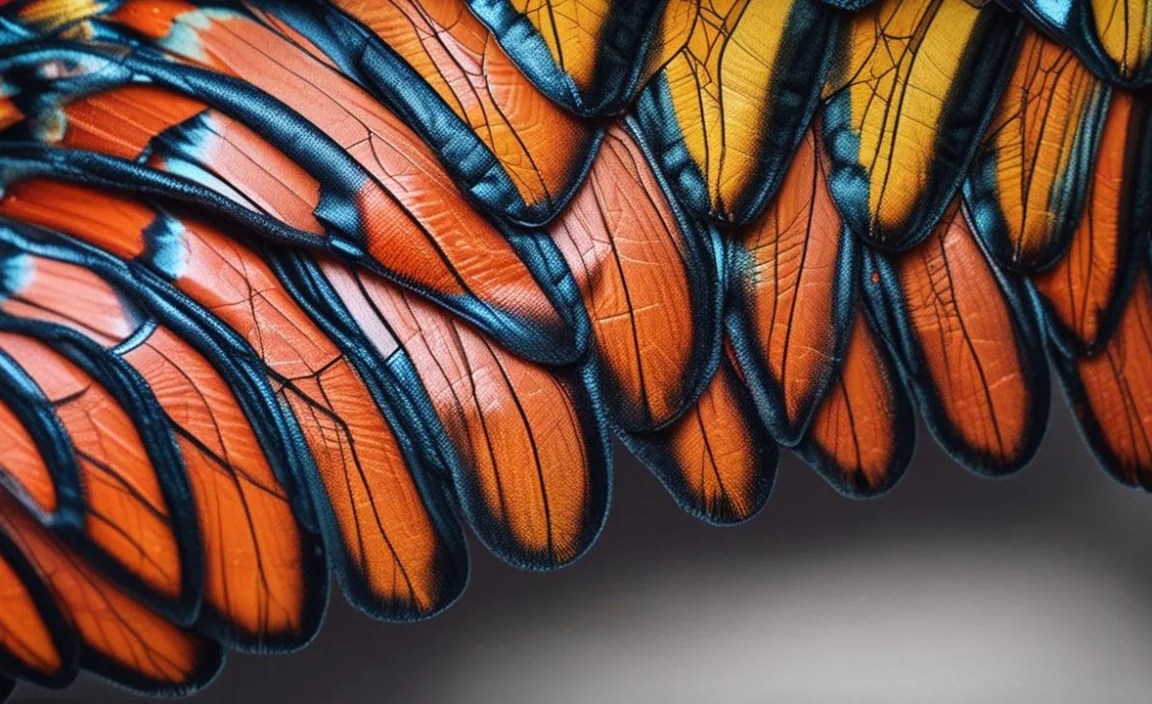
Butterfly wing patterns are not just for show; they serve several important functions that contribute to the butterfly’s survival. These functions include camouflage, mate attraction, thermoregulation, and mimicry.
Camouflage
Many butterflies use wing patterns to blend in with their surroundings, helping them avoid predators. This is known as camouflage. Examples include:
- Leaf Mimicry: Some butterflies have wing patterns that resemble leaves, complete with veins and imperfections. When these butterflies rest among foliage, they become nearly invisible.
- Bark Mimicry: Other butterflies have patterns that mimic the bark of trees, allowing them to blend seamlessly into the forest environment.
Mate Attraction
Wing patterns play a crucial role in mate attraction. Male butterflies often have vibrant and distinctive patterns that attract females. These patterns can signal the male’s health and genetic quality. Examples include:
- Ultraviolet Patterns: Some butterflies have patterns that are invisible to the human eye but visible to butterflies. These ultraviolet patterns are used to attract mates.
- Color Displays: Male butterflies may perform elaborate courtship displays, flashing their colorful wings to attract females.
Thermoregulation
Butterfly wings also play a role in thermoregulation, helping butterflies regulate their body temperature. Darker colors absorb more heat, while lighter colors reflect heat. Butterflies can use this to their advantage in different environments.
- Dark Wing Bases: Many butterflies have dark wing bases that help them warm up quickly in the morning.
- Light Wing Surfaces: Butterflies in hot environments may have light-colored wings to reflect sunlight and stay cool.
Mimicry
Mimicry is when one species evolves to resemble another species. Butterflies use mimicry to protect themselves from predators. There are two main types of mimicry:
- Batesian Mimicry: A harmless species mimics a harmful one. For example, the viceroy butterfly mimics the monarch butterfly, which is toxic to predators.
- Müllerian Mimicry: Two or more harmful species mimic each other. This reinforces the warning signal to predators, making them more likely to avoid both species.
How Patterns Develop
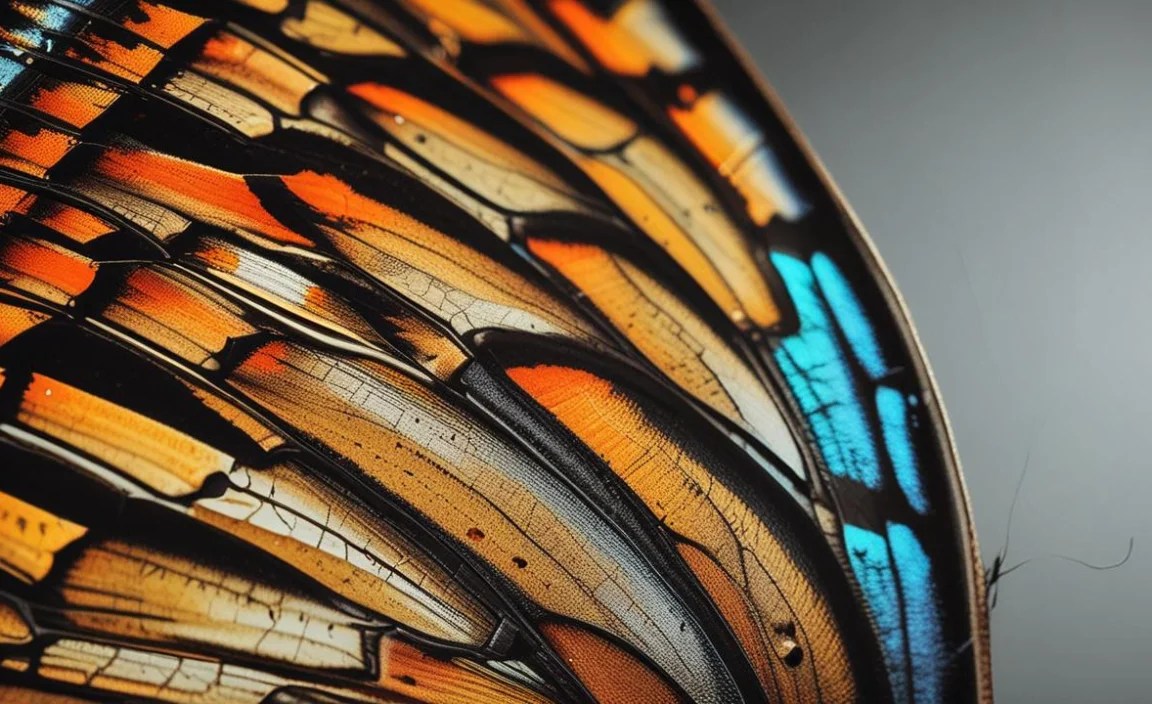
The development of butterfly wing patterns is a complex process that involves genetic factors, environmental influences, and intricate signaling pathways. Understanding how these patterns develop can give us insights into the genetic and evolutionary mechanisms at play.
Genetic Control
The genes that control wing pattern development are highly conserved across different butterfly species. These genes regulate the production of pigments and the formation of structural elements in the scales. Some key genes involved in wing pattern development include:
- Distal-less (Dll): This gene is involved in the formation of eyespots and other pattern elements.
- Wingless (Wg): This gene plays a role in the development of wing margins and other structural features.
- Engrailed (En): This gene is involved in the formation of boundaries between different pattern elements.
Environmental Influences
Environmental factors, such as temperature and humidity, can also influence wing pattern development. For example, butterflies that develop in colder temperatures may have darker wings, which help them absorb more heat. These environmental effects can lead to variations in wing patterns within the same species.
Signaling Pathways
Signaling pathways are networks of interacting proteins that transmit signals from the cell surface to the nucleus, where they regulate gene expression. Several signaling pathways are involved in wing pattern development, including:
- The Hedgehog Pathway: This pathway is involved in the formation of pattern boundaries and the differentiation of cells within the wing.
- The Wnt Pathway: This pathway plays a role in the development of wing veins and other structural features.
- The Notch Pathway: This pathway is involved in cell fate decisions and the formation of pattern elements.
Examples of Butterfly Wing Patterns
Let’s explore some specific examples of butterfly wing patterns and the unique adaptations they provide:
Monarch Butterfly (Danaus plexippus)
The monarch butterfly is famous for its bright orange wings with black veins and white spots. This striking pattern serves as a warning to predators, as monarch caterpillars feed on milkweed, which contains toxic compounds. The orange color is due to pteridine pigments, while the black veins and white spots provide additional contrast.
Viceroy Butterfly (Limenitis archippus)
The viceroy butterfly mimics the monarch butterfly in a classic example of Batesian mimicry. The viceroy has a similar orange and black pattern, but it can be distinguished by a black line across the hindwing. Predators that have learned to avoid monarchs also avoid viceroys, giving the viceroy a survival advantage.
Blue Morpho Butterfly (Morpho menelaus)
The blue morpho butterfly is renowned for its iridescent blue wings. This brilliant color is not due to pigments but rather to structural coloration. The scales on the wings have tiny, tree-like structures that cause light to interfere, reflecting blue light. The underside of the wings is brown with eyespots, providing camouflage when the butterfly is at rest.
Owl Butterfly (Caligo)
Owl butterflies have large eyespots on their hindwings that resemble the eyes of an owl. These eyespots startle predators, giving the butterfly a chance to escape. The rest of the wing pattern is typically brown and mottled, providing camouflage when the butterfly is resting in the forest.
Dead Leaf Butterfly (Kallima inachus)
The dead leaf butterfly is a master of camouflage. When its wings are closed, it looks exactly like a dead leaf, complete with veins, imperfections, and even simulated mildew spots. This allows the butterfly to blend seamlessly into its environment, making it nearly invisible to predators.
Observing Butterfly Wing Patterns
Observing butterfly wing patterns can be a rewarding and educational experience. Here are some tips for observing and appreciating these intricate designs:
- Use Binoculars: Binoculars can help you get a closer look at the wing patterns without disturbing the butterfly.
- Take Photographs: Photography allows you to capture the details of the wing patterns and study them later.
- Visit Butterfly Gardens: Butterfly gardens are great places to observe a variety of butterfly species and their unique wing patterns.
- Learn About Local Species: Familiarize yourself with the butterfly species in your area and their characteristic wing patterns.
- Respect Butterflies: Avoid touching or handling butterflies, as this can damage their delicate wings.
The Future of Butterfly Wing Pattern Research
Butterfly wing pattern research is an ongoing field with many exciting avenues for future exploration. Here are some areas where research is likely to focus:
- Genetic Mechanisms: Further research into the genes and signaling pathways that control wing pattern development will provide a deeper understanding of the genetic basis of butterfly diversity.
- Environmental Influences: Studying how environmental factors influence wing pattern development will help us understand how butterflies adapt to changing environments.
- Evolutionary History: Using wing pattern data to reconstruct the evolutionary history of butterflies will shed light on the origins and diversification of these fascinating insects.
- Conservation Applications: Understanding the genetic and environmental factors that influence wing patterns can help us develop conservation strategies to protect endangered butterfly species.
Table: Butterfly Wing Pattern Examples and Functions
| Butterfly Species | Wing Pattern | Function |
|---|---|---|
| Monarch (Danaus plexippus) | Orange with black veins and white spots | Warning coloration (aposematism) |
| Viceroy (Limenitis archippus) | Orange with black veins and white spots (mimics Monarch) | Batesian mimicry |
| Blue Morpho (Morpho menelaus) | Iridescent blue | Mate attraction, camouflage (underside) |
| Owl Butterfly (Caligo) | Large eyespots | Startle predators |
| Dead Leaf Butterfly (Kallima inachus) | Resembles a dead leaf | Camouflage |
Table: Coloration Types in Butterflies
| Coloration Type | Mechanism | Examples |
|---|---|---|
| Pigmentary | Chemical pigments absorb and reflect light | Melanin (black/brown), Pteridines (orange/red) |
| Structural | Microscopic structures interfere with light | Iridescence (Morpho butterflies), Scattering (blue colors) |
Frequently Asked Questions (FAQ)
What are butterfly wing scales made of?
Butterfly wing scales are made of chitin, the same material that forms the exoskeleton of insects. Chitin is a tough, flexible substance that provides both structure and protection.
How do butterflies get their colors?
Butterflies get their colors from two main sources: pigments and structural coloration. Pigments are chemical compounds that absorb certain wavelengths of light and reflect others. Structural coloration is when the microscopic structure of the scales interferes with light, creating colors like blue and iridescent hues.
Do butterfly wing patterns help them survive?
Yes, butterfly wing patterns serve several important functions that contribute to their survival. These functions include camouflage, mate attraction, thermoregulation, and mimicry.
Can environmental factors affect butterfly wing patterns?
Yes, environmental factors such as temperature and humidity can influence wing pattern development. For example, butterflies that develop in colder temperatures may have darker wings to absorb more heat.
Why do some butterflies have eyespots on their wings?
Eyespots are large, circular markings that resemble eyes. They startle predators, giving the butterfly a chance to escape. Eyespots can also redirect attacks away from the butterfly’s body.
How can I help protect butterflies?
You can help protect butterflies by planting butterfly-friendly gardens with nectar-rich flowers and host plants for caterpillars. You can also avoid using pesticides and support conservation organizations that work to protect butterfly habitats. The Xerces Society is a great resource for learning more about butterfly conservation.
What is the difference between Batesian and Müllerian mimicry?
Batesian mimicry is when a harmless species mimics a harmful one. Müllerian mimicry is when two or more harmful species mimic each other, reinforcing the warning signal to predators.
Conclusion
Butterfly wing scale patterns are a testament to the beauty and complexity of nature. These intricate designs, created by thousands of tiny scales, serve vital functions such as camouflage, mate attraction, and thermoregulation. By understanding the science behind these patterns, we can gain a deeper appreciation for these delicate creatures and the importance of protecting their habitats.
Whether you’re a nature enthusiast, a gardener, or simply someone who appreciates beauty, take a moment to marvel at the amazing wing patterns of butterflies. They are a reminder of the wonders of the natural world and the importance of conservation. As you explore your garden or local park, keep an eye out for these winged jewels and let their beauty inspire you to learn more and take action to protect them.