
Butterfly Symmetry Study: Unlocking Nature’s Secrets

Quick Summary: Butterfly symmetry studies explore how closely a butterfly’s wing patterns match on both sides. Perfect symmetry can indicate good health and development, while asymmetry might reveal environmental stressors or genetic issues during the butterfly’s growth. These studies help scientists understand butterfly biology and environmental impacts.
Have you ever looked closely at a butterfly’s wings and wondered if they’re perfectly identical on both sides? It’s a fascinating question! Butterfly wing symmetry isn’t just about aesthetics; it tells a story about a butterfly’s health and the environment it grew up in. Spotting differences between the left and right wings can be tricky, but understanding what to look for can unlock a whole new level of appreciation for these delicate creatures.
In this guide, we’ll explore how butterfly symmetry is studied, why it matters, and what asymmetrical wings can tell us about a butterfly’s life. Get ready to dive into the beautiful science of butterfly wings!
Understanding Butterfly Symmetry

Butterfly symmetry refers to how closely the patterns, colors, and shapes on one wing match those on the opposite wing. Ideally, a butterfly should exhibit perfect bilateral symmetry, meaning that if you were to fold it in half down its body, both wings would be mirror images. However, in reality, perfect symmetry is rare. Variations can occur due to genetic factors, environmental stressors, or developmental issues.
Why Study Butterfly Symmetry?
Studying butterfly symmetry provides valuable insights into:
- Environmental Health: Asymmetry can indicate exposure to pollutants or poor environmental conditions during development.
- Genetic Quality: Highly symmetrical butterflies often have better genetic health.
- Developmental Stability: Symmetry reflects the ability of a butterfly to develop consistently despite environmental challenges.
- Evolutionary Biology: Symmetry studies can help understand how natural selection favors certain traits.
Types of Symmetry
Butterflies primarily exhibit bilateral symmetry, but it’s helpful to understand different types of symmetry to appreciate the nuances:
- Bilateral Symmetry: The body can be divided into two mirror-image halves.
- Radial Symmetry: Symmetry around a central axis (not applicable to butterflies).
- Asymmetry: Lack of symmetry. This is what we often look for when studying butterfly wings.
How to Conduct a Butterfly Symmetry Study

Conducting a butterfly symmetry study involves careful observation, measurement, and analysis. Here’s a step-by-step guide:
Step 1: Collecting Butterfly Specimens
Before you begin, ensure that your collection method is ethical and, if necessary, permitted by local regulations. Consider these options:
- Photography: The least invasive method. Photograph butterflies in their natural habitat, ensuring clear, high-resolution images of both wings.
- Rearing Butterflies: Raise butterflies from caterpillars in a controlled environment. This allows you to monitor their development and control environmental factors.
- Museum Specimens: Utilize existing collections from museums or research institutions. This is useful for historical data but requires permission and proper handling.
- Ethical Collecting: If collecting is necessary, do so responsibly and sustainably, following local guidelines. Only collect what you need for your study.
Step 2: Preparing the Specimens
If you’re using collected specimens, proper preparation is crucial:
- Pinning: Gently pin the butterfly through the thorax, ensuring the wings are spread flat.
- Spreading: Use spreading boards to position the wings naturally and symmetrically. Cover with paper strips to hold them in place.
- Drying: Allow the specimens to dry for several days in a dry, well-ventilated area.
- Storage: Store dried specimens in insect-proof boxes with naphthalene or silica gel to prevent damage from pests and humidity.
Step 3: Measuring Symmetry
There are several methods to measure butterfly wing symmetry:
- Visual Assessment:
- Method: Compare the patterns, shapes, and sizes of corresponding features on both wings by eye.
- Tools: Magnifying glass, ruler.
- Pros: Simple, quick, and requires minimal equipment.
- Cons: Subjective and prone to human error.
- Morphometrics:
- Method: Measure specific points on the wings and use statistical analysis to quantify differences.
- Tools: Digital calipers, computer software (e.g., tpsDig, ImageJ).
- Pros: Quantitative, precise, and allows for statistical analysis.
- Cons: Requires specialized equipment and software, more time-consuming.
- Image Analysis:
- Method: Use digital images of the wings and software to compare patterns and shapes.
- Tools: High-resolution scanner or camera, image analysis software (e.g., ImageJ, Adobe Photoshop).
- Pros: Non-destructive, can analyze large numbers of specimens quickly.
- Cons: Requires good quality images and familiarity with image analysis software.
Detailed Steps for Morphometric Analysis
- Capture Images: Take high-resolution images of the butterfly wings. Ensure consistent lighting and orientation.
- Select Landmarks: Choose specific, identifiable points on the wings (e.g., vein intersections, pattern edges).
- Measure Coordinates: Use software like tpsDig to record the x and y coordinates of each landmark.
- Analyze Data: Use statistical software (e.g., R, SPSS) to calculate asymmetry indices, such as fluctuating asymmetry (FA).
Step 4: Analyzing the Data
Once you have collected your measurements, it’s time to analyze the data. Here’s what to consider:
- Fluctuating Asymmetry (FA):
- Definition: Random, non-directional differences between the left and right sides of a bilaterally symmetrical trait.
- Calculation: FA = |Left – Right|
- Interpretation: Higher FA values indicate greater asymmetry and potentially greater stress during development.
- Directional Asymmetry:
- Definition: A systematic difference between the left and right sides of a trait, where one side is consistently larger or more developed than the other.
- Identification: Look for consistent patterns in the asymmetry across multiple specimens.
- Interpretation: Directional asymmetry may indicate genetic or developmental biases.
- Antisymmetry:
- Definition: A situation where the left and right sides of a trait differ, but the direction of the difference is random and unpredictable.
- Identification: Observe a mix of specimens with larger left sides and specimens with larger right sides.
- Interpretation: Antisymmetry can be more complex to interpret and may relate to specific developmental processes.
Step 5: Interpreting the Results
Interpreting the results of your symmetry study involves understanding what the observed patterns of asymmetry mean in the context of butterfly biology and environmental conditions.
- Environmental Stress: High levels of fluctuating asymmetry (FA) can indicate that the butterflies experienced stress during their development. This stress could be due to pollutants, temperature fluctuations, or nutritional deficiencies.
- Genetic Factors: Consistent patterns of asymmetry may suggest underlying genetic issues. Some genes play a role in developmental stability, and variations in these genes can lead to asymmetry.
- Developmental Stability: Lower levels of asymmetry generally indicate greater developmental stability, meaning the butterfly was able to develop consistently despite environmental challenges.
- Population Health: By comparing symmetry levels across different populations of butterflies, you can gain insights into the overall health and resilience of those populations. This can be particularly useful for conservation efforts.
Tools and Resources

To conduct a butterfly symmetry study, you’ll need a few essential tools and resources:
| Tool/Resource | Description | Where to Find |
|---|---|---|
| Digital Calipers | For precise measurements of wing features. | Online retailers (e.g., Amazon), scientific supply stores. |
| High-Resolution Camera or Scanner | To capture detailed images of butterfly wings. | Electronics stores, online retailers. |
| Image Analysis Software (e.g., ImageJ) | For measuring and analyzing wing patterns. | Free download from the National Institutes of Health: ImageJ |
| Statistical Software (e.g., R, SPSS) | For statistical analysis of symmetry data. | R is a free software environment for statistical computing. SPSS is a commercial software package. |
| Spreading Boards | For properly positioning and drying butterfly specimens. | Entomological supply stores, online retailers. |
| Insect Pins | For pinning and preserving butterfly specimens. | Entomological supply stores, online retailers. |
| Butterfly Identification Guides | To accurately identify butterfly species. | Bookstores, libraries, online resources like Butterflies and Moths of North America. |
Case Studies and Examples
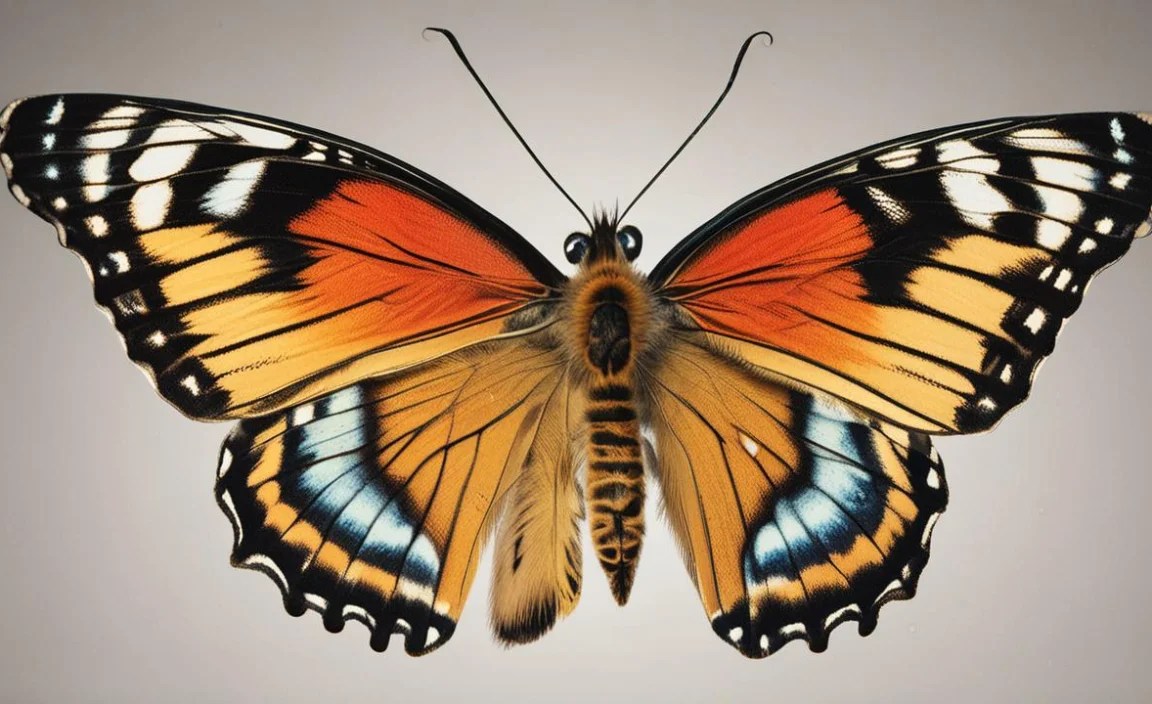
Several studies have used butterfly symmetry to assess environmental impacts. Here are a few examples:
- Impact of Pollution: Studies on butterfly populations near industrial areas have shown higher levels of wing asymmetry, indicating the impact of pollutants on development.
- Climate Change Effects: Research on butterflies in changing climates has revealed that temperature fluctuations can lead to increased asymmetry.
- Habitat Fragmentation: Butterflies in fragmented habitats often exhibit higher asymmetry due to reduced genetic diversity and increased stress.
Example Study: Assessing the Impact of Pesticides
Researchers investigated the impact of pesticide exposure on the symmetry of butterfly wings. They collected butterfly larvae from both agricultural areas (exposed to pesticides) and protected natural reserves (minimal pesticide exposure). After the butterflies emerged, they measured the wing symmetry using morphometric analysis.
Results: Butterflies from agricultural areas showed significantly higher levels of fluctuating asymmetry compared to those from natural reserves. This indicated that pesticide exposure during the larval stage negatively affected the developmental stability of the butterflies, leading to increased wing asymmetry.
Conclusion: The study demonstrated that butterfly wing symmetry can serve as a sensitive indicator of environmental stress caused by pesticide use. This information can be valuable for environmental monitoring and conservation efforts.
Ethical Considerations

When conducting butterfly symmetry studies, it’s essential to consider ethical implications:
- Collection Permits: Obtain necessary permits before collecting any butterfly specimens.
- Sustainable Practices: Collect specimens responsibly, ensuring minimal impact on butterfly populations. Consider rearing butterflies instead of collecting wild specimens.
- Data Sharing: Share your findings with the scientific community to contribute to conservation efforts.
- Respect for Nature: Always handle butterflies with care and respect for their well-being.
FAQ: Butterfly Symmetry Study
What is butterfly wing symmetry?
Butterfly wing symmetry refers to how closely the patterns, colors, and shapes on one wing match those on the opposite wing. Ideally, they should be mirror images.
Why is symmetry important in butterflies?
Symmetry is important because it can indicate the butterfly’s health and the environmental conditions it experienced during development. Asymmetry can signal stress or genetic issues.
How do you measure butterfly symmetry?
You can measure symmetry through visual assessment, morphometrics (measuring specific points on the wings), or image analysis using digital tools.
What does asymmetrical wings indicate?
Asymmetrical wings can indicate environmental stressors like pollution, temperature fluctuations, or genetic problems that occurred during the butterfly’s development.
Can climate change affect butterfly symmetry?
Yes, climate change and its associated temperature fluctuations can lead to increased asymmetry in butterfly wings, affecting their developmental stability.
Is it ethical to collect butterflies for study?
Collecting butterflies can be ethical if done responsibly and with necessary permits. Consider less invasive methods like photography or rearing butterflies in a controlled environment.
Where can I find butterfly specimens for study?
You can find butterfly specimens in museum collections, through ethical collecting (with permits), or by rearing butterflies from caterpillars.
Conclusion
Studying butterfly symmetry is a fascinating way to understand the health and resilience of these delicate creatures. By carefully observing and measuring their wings, we can gain valuable insights into environmental impacts, genetic quality, and developmental stability. Whether you’re a student, a conservationist, or simply a butterfly enthusiast, exploring butterfly symmetry opens a window into the intricate world of nature and the importance of protecting it. So, grab your magnifying glass, head out to your garden, and start discovering the hidden stories within those beautiful wings!


