
European Butterfly Guide: Your Easy ID to Gorgeous Wings

European Butterfly Guide: Identify and Appreciate Europe’s Butterflies

Quick Summary: Want to identify the butterflies flitting through your European garden or while hiking? This guide simplifies butterfly identification in Europe! Learn to recognize common species by their colors, patterns, and habitats. We’ll also cover conservation tips to help protect these beautiful insects. Become a butterfly expert today!
Have you ever been captivated by a butterfly dancing among the wildflowers, only to wonder what kind it was? Identifying European butterflies can seem daunting at first. With so many colors and patterns, it’s easy to feel overwhelmed. But don’t worry! This guide breaks down the identification process into simple steps. You’ll learn how to recognize different butterfly families, spot key markings, and understand their habitats. Get ready to unlock the secrets of Europe’s butterfly world!
Understanding Butterfly Basics
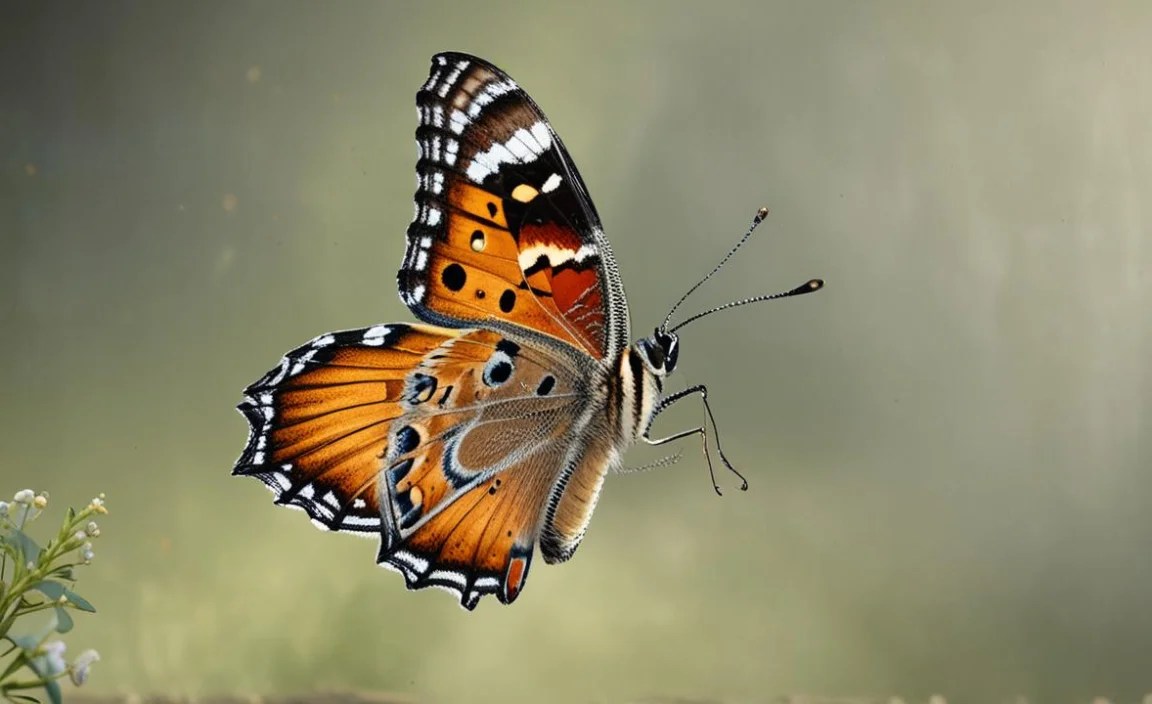
Before diving into specific species, let’s cover some fundamental butterfly characteristics. Knowing these will make identification much easier.
Butterfly Anatomy
Butterflies, like all insects, have three main body parts: the head, thorax, and abdomen. Key features to observe include:
- Antennae: Butterflies use these for sensing their environment. The shape can vary between species.
- Wings: The size, shape, and color patterns are crucial for identification. Pay attention to both the upper and undersides.
- Legs: Butterflies have six legs, but some species appear to have only four because the front pair is reduced.
Butterfly Life Cycle
Understanding the butterfly life cycle gives you clues about when and where to find different species. The four stages are:
- Egg: Laid on specific host plants.
- Larva (Caterpillar): The feeding stage, often with distinctive colors and patterns.
- Pupa (Chrysalis): A resting stage where metamorphosis occurs.
- Adult: The reproductive stage, focused on mating and laying eggs.
Key Butterfly Families in Europe

European butterflies belong to several families, each with unique characteristics. Recognizing these families narrows down your identification search.
Nymphalidae (Brush-footed Butterflies)
This is one of the largest butterfly families. Brush-footed butterflies often have vibrant colors and patterns. They get their name from their reduced front legs, which they use for tasting rather than walking. Common examples include:
- Red Admiral (Vanessa atalanta): Known for its striking red and black markings.
- Peacock Butterfly (Aglais io): Easily recognized by the eye-like spots on its wings.
- Painted Lady (Vanessa cardui): A migratory species with orange and brown patterns.
Lycaenidae (Gossamer-winged Butterflies)
These are typically small and delicate butterflies, often with metallic or iridescent colors. Many have tails on their hindwings. Key examples include:
- Common Blue (Polyommatus icarus): Males are bright blue, while females are brown with blue scales.
- Holly Blue (Celastrina argiolus): Pale blue with black borders, often seen around holly and ivy.
- Small Copper (Lycaena phlaeas): A bright orange butterfly with dark spots.
Pieridae (Whites and Yellows)
As the name suggests, these butterflies are usually white or yellow. Many are common in gardens and fields. Examples include:
- Large White (Pieris brassicae): A common garden butterfly, often considered a pest due to its caterpillars feeding on brassicas.
- Small White (Pieris rapae): Similar to the Large White but smaller.
- Brimstone (Gonepteryx rhamni): A bright yellow butterfly, one of the first to emerge in spring.
Papilionidae (Swallowtail Butterflies)
Swallowtails are large, striking butterflies with characteristic tails on their hindwings. They are often found in warmer regions. A notable example is:
- Swallowtail (Papilio machaon): A large yellow butterfly with black markings and blue and red spots.
Hesperiidae (Skippers)
Skippers are small, stout-bodied butterflies with hooked antennae. They have a rapid, darting flight. Examples include:
- Large Skipper (Ochlodes sylvanus): Orange-brown with checkered markings.
- Small Skipper (Thymelicus sylvestris): Similar to the Large Skipper but smaller.
Identifying Butterflies: A Step-by-Step Guide

Now, let’s put this knowledge into practice with a step-by-step guide to identifying European butterflies.
Step 1: Observe the Butterfly’s Size and Shape
Start by noting the overall size and shape of the butterfly. Is it large and imposing, or small and delicate? Is the body slender or stout? Does it have tails on its wings?
Step 2: Note the Wing Color and Pattern
The color and pattern of the wings are the most important clues for identification. Pay attention to:
- Dominant Colors: Are they white, yellow, orange, brown, blue, or a combination?
- Patterns: Are there spots, stripes, bands, or eye-like markings?
- Wing Underside: The underside often has different patterns than the upper side, providing additional clues.
Step 3: Consider the Habitat and Location
Where did you see the butterfly? Different species prefer different habitats, such as meadows, woodlands, gardens, or wetlands. Also, consider the geographic location, as some species are more common in certain regions of Europe. You can use online resources like EuroButterflies to see distribution maps.
Step 4: Observe the Butterfly’s Behavior
How does the butterfly behave? Does it fly quickly and erratically, or does it glide gracefully? What flowers does it visit? Some butterflies are picky about their nectar sources. Does it rest with its wings open or closed?
Step 5: Use a Field Guide or Online Resource
A good field guide or online resource is essential for accurate identification. Look for guides specific to your region of Europe. Here are some excellent resources:
- Field Guides: Look for regional guides to the butterflies of Britain and Europe.
- Websites: Websites like UK Butterflies and leps.it offer detailed information and photos of European butterflies.
- Apps: Butterfly identification apps can be helpful, but be sure to use reputable ones with accurate information.
Step 6: Compare Your Observations
Compare your observations with the descriptions and photos in your field guide or online resource. Pay close attention to the key characteristics you noted in steps 1-4. If possible, take a photo of the butterfly to help with identification.
Common European Butterflies: A Closer Look

Let’s examine some common European butterflies in more detail to illustrate the identification process.
Red Admiral (Vanessa atalanta)
The Red Admiral is a striking butterfly with black wings adorned with bright red bands and white spots. It is a migratory species, found throughout Europe. It’s a fairly large butterfly.
- Key Features: Black wings with red bands and white spots.
- Habitat: Gardens, woodlands, and open areas.
- Behavior: Often seen basking in the sun.
Peacock Butterfly (Aglais io)
The Peacock Butterfly is easily recognized by the large, eye-like spots on its wings. These spots are thought to deter predators. It is a common sight in gardens and woodlands.
- Key Features: Eye-like spots on wings.
- Habitat: Gardens, woodlands, and meadows.
- Behavior: Often seen on nectar-rich flowers.
Common Blue (Polyommatus icarus)
The Common Blue is a small butterfly, with males being bright blue and females brown with blue scales. It is found in a variety of habitats, including grasslands and gardens.
- Key Features: Males bright blue, females brown with blue scales.
- Habitat: Grasslands, gardens, and open areas.
- Behavior: Often seen flying low to the ground.
Large White (Pieris brassicae)
The Large White is a common garden butterfly, known for its white wings with black tips. Its caterpillars can be pests on brassica crops.
- Key Features: White wings with black tips.
- Habitat: Gardens, fields, and open areas.
- Behavior: Often seen flying in groups.
Swallowtail (Papilio machaon)
The Swallowtail is a large, impressive butterfly with yellow wings, black markings, and distinctive tails on its hindwings. It is found in warmer regions of Europe.
- Key Features: Yellow wings with black markings and tails.
- Habitat: Meadows, gardens, and open areas.
- Behavior: A strong flier, often seen soaring high in the sky.
Creating a Butterfly-Friendly Garden
One of the best ways to enjoy European butterflies is to create a butterfly-friendly garden. Here’s how:
Plant Nectar-Rich Flowers
Butterflies need nectar for energy. Choose a variety of flowers that bloom at different times of the year to provide a continuous food source. Some good options include:
- Buddleja (Butterfly Bush)
- Lavender
- Sedum
- Verbena
- Echinacea
Provide Host Plants for Caterpillars
Caterpillars need specific host plants to feed on. Research which butterflies are common in your area and plant their host plants. Some examples include:
- Milkweed for Monarchs (though Monarchs are rare visitors to Europe, this is a good general principle.)
- Nettles for Red Admirals and Peacock Butterflies
- Brassicas for Large Whites and Small Whites
- Holly and Ivy for Holly Blues
Offer a Water Source
Butterflies need water, especially on hot days. Provide a shallow dish of water with pebbles or sand for them to land on.
Avoid Pesticides
Pesticides can harm or kill butterflies and other beneficial insects. Avoid using them in your garden.
Provide Shelter
Butterflies need shelter from wind and rain. Plant shrubs and trees to provide cover.
Butterfly Conservation in Europe
Many European butterfly species are threatened by habitat loss, climate change, and pesticide use. You can help protect these beautiful creatures by:
- Supporting Conservation Organizations: Donate to or volunteer with organizations that work to protect butterfly habitats. The Butterfly Conservation is a great example.
- Creating Butterfly-Friendly Habitats: Plant a butterfly garden in your backyard or support local habitat restoration projects.
- Reducing Pesticide Use: Avoid using pesticides in your garden and support sustainable agriculture practices.
- Raising Awareness: Educate others about the importance of butterfly conservation.
Butterfly Symbolism and Cultural Significance
Butterflies have fascinated humans for centuries and hold symbolic meaning in many cultures. Here are a few examples:
- Transformation: The butterfly’s life cycle, from caterpillar to pupa to butterfly, symbolizes transformation and rebirth.
- Beauty: Butterflies are admired for their beauty and grace.
- Freedom: Their ability to fly represents freedom and liberation.
- Soul: In some cultures, butterflies are believed to represent the human soul.
Understanding the cultural significance of butterflies can deepen your appreciation for these remarkable creatures.
Tools for Butterfly Identification
To make your butterfly identification journey easier, here are some helpful tools:
| Tool | Description | Where to Find |
|---|---|---|
| Field Guides | Regional guides with photos and descriptions of butterflies. | Bookstores, online retailers |
| Online Databases | Websites with detailed information and images of butterflies. | UK Butterflies, EuroButterflies |
| Butterfly Identification Apps | Mobile apps that use image recognition to identify butterflies. | App Store, Google Play |
| Binoculars | For observing butterflies from a distance. | Sporting goods stores, online retailers |
| Camera | For taking photos of butterflies to aid in identification. | Electronics stores, online retailers |
Photographing Butterflies
Photographing butterflies can be a rewarding way to document your sightings and share your passion with others. Here are some tips for capturing stunning butterfly photos:
- Use a Macro Lens: A macro lens allows you to focus on small details.
- Shoot in Natural Light: Avoid using flash, which can scare butterflies and create harsh shadows.
- Be Patient: Butterflies can be skittish, so be patient and wait for the right moment.
- Focus on the Eyes: Sharp focus on the eyes will make your photos more engaging.
- Capture the Habitat: Include the butterfly’s habitat in your photos to tell a story.
Where to See Butterflies in Europe
Europe offers numerous fantastic locations for butterfly watching. Here are some top spots:
| Location | Description | Notable Species |
|---|---|---|
| Alps | High-altitude meadows and woodlands. | Apollo, Mountain Ringlet |
| Pyrenees | Diverse habitats, from forests to alpine meadows. | Spanish Argus, Gavarnie Blue |
| Mediterranean Region | Warm climate with a variety of habitats. | Swallowtail, Two-tailed Pasha |
| United Kingdom | Gardens, woodlands, and nature reserves. | Adonis Blue, Silver-washed Fritillary |
| Scandinavia | Boreal forests and open moorlands. | Arctic Blue, Cranberry Fritillary |
FAQ: European Butterfly Guide
What is the best time of year to see butterflies in Europe?
The best time to see butterflies in Europe is generally from late spring to early autumn (May to September). This is when most species are active and flowers are in bloom.
How can I attract more butterflies to my garden?
Plant nectar-rich flowers, provide host plants for caterpillars, offer a water source, avoid pesticides, and provide shelter.
What is the difference between a butterfly and a moth?
Butterflies are typically active during the day, have brightly colored wings, and hold their wings upright when resting. Moths are often active at night, have duller colors, and hold their wings flat when resting.
Are butterflies endangered in Europe?
Yes, many European butterfly species are threatened by habitat loss, climate change, and pesticide use. Conservation efforts are crucial to protect these species.
What is a host plant for butterflies?
A host plant is a specific plant that a butterfly caterpillar feeds on. Different butterfly species have different host plant preferences.
How far do butterflies migrate?
Some butterfly species, such as the Painted Lady, are migratory and can travel thousands of kilometers each year.
What is the lifespan of a butterfly?
The lifespan of a butterfly varies depending on the species. Some butterflies live only a few weeks, while others can live for several months.
Conclusion
Identifying European butterflies is a fascinating journey that connects you to the natural world. By understanding butterfly anatomy, recognizing key families, and following the steps outlined in this guide, you’ll be well on your way to becoming a butterfly expert. Whether you’re strolling through your garden or exploring the European countryside, take a moment to appreciate the beauty and ecological importance of these delicate creatures. By creating butterfly-friendly habitats and supporting conservation efforts, we can ensure that future generations will continue to enjoy the magic of butterflies.


