
Butterfly Species in Canada Identification: Your Easy Guide

Have you ever seen a butterfly flutter by? They are so pretty and colorful! Canada has many different kinds of butterflies. Learning about butterfly species in Canada identification can be fun. It helps us know what we are seeing.
Butterflies are important. They help flowers make seeds. Let’s learn about the butterflies in Canada. We can learn how to tell them apart. It is like being a butterfly detective!
There are so many amazing butterfly species. What if you could name them all? It might seem hard, but it is not impossible. This article will help you learn. Get ready to explore the world of butterflies!
Key Takeaways
- Butterfly species in Canada identification is key to appreciating local biodiversity.
- Distinct wing patterns and sizes aid in telling apart butterfly species.
- Specific habitats and plant preferences help identify butterfly types.
- Several online resources and field guides help with butterfly identification.
- Conserving butterfly habitats supports butterfly populations in Canada.
Identifying Common Butterfly Species
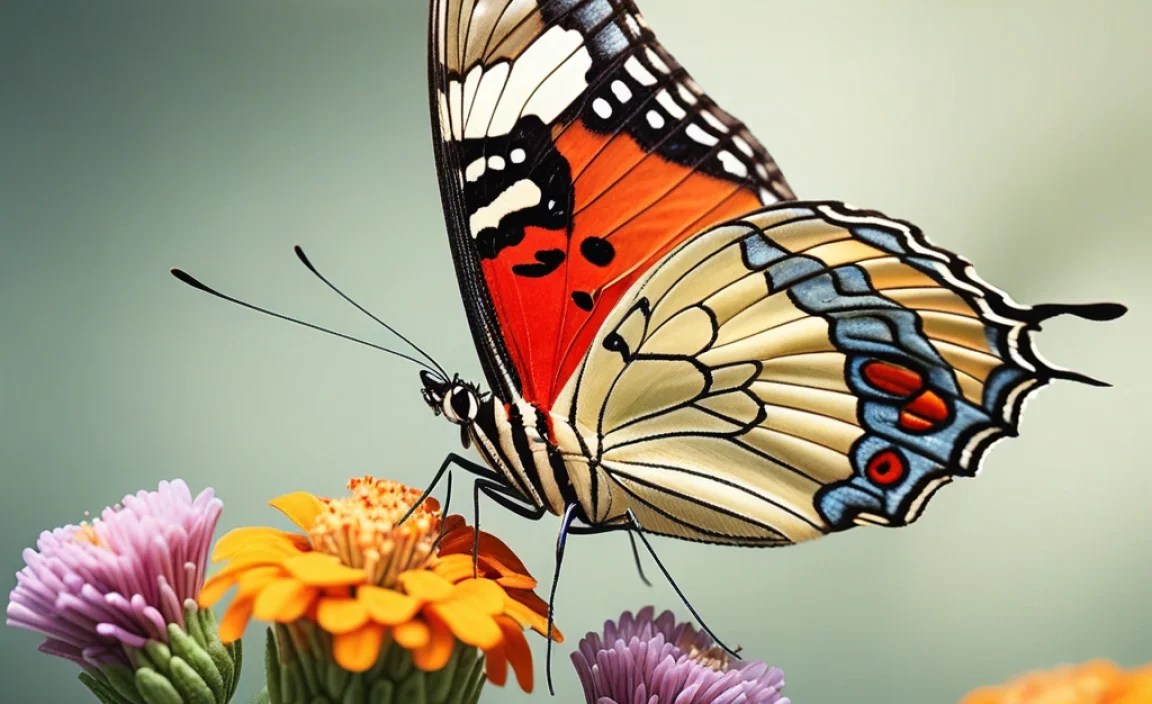
Identifying common butterfly species in Canada can be a fun and rewarding experience. Many butterflies have distinct colors and patterns. These help us tell them apart. Some butterflies are big and bright. Others are small and plain. By looking closely, we can learn to name them. Understanding their habitats and food sources also helps. Do they live in forests or fields? What flowers do they visit? Knowing these things makes butterfly species in Canada identification easier. It also helps us appreciate the natural world around us. We can become butterfly experts with a little practice. Keep an eye out for these beautiful creatures. You might be surprised by what you find.
- Monarchs have orange wings with black lines.
- Swallowtails have long tails on their wings.
- Admirals often have white stripes.
- Blues are small and blue.
- Coppers are small and copper-colored.
When you want to learn about butterflies, start with the common ones. Look in your backyard or local park. You might see Monarchs, Swallowtails, or Admirals. These butterflies are often easy to spot. Monarchs migrate long distances. Swallowtails are known for their beautiful patterns. Admirals are fast fliers. Each butterfly has its own special features. These features make butterfly species in Canada identification easier. Pay attention to the details. Notice the colors, shapes, and sizes. Use a field guide to help you. Soon, you will be able to name the butterflies you see.
What Makes a Butterfly Unique?
Have you ever wondered what makes each butterfly special? Butterflies have unique wing patterns. These patterns can be bright and colorful. They can also be dull and camouflaged. Some butterflies have spots or stripes. Others have intricate designs. The patterns help butterflies attract mates. They also help them hide from predators. The size and shape of the wings are important too. Some butterflies have long, narrow wings. Others have broad, round wings. These differences help them fly in different ways. All these features help with butterfly species in Canada identification.
Where Do Butterflies Live?
Where a butterfly lives can tell you a lot about it. Some butterflies live in forests. Others live in meadows. Some live near water. Others live in dry areas. The habitat provides food and shelter. It also affects the butterfly’s appearance. Butterflies in forests might be darker. Butterflies in meadows might be brighter. Knowing the habitat helps with butterfly species in Canada identification. It gives you clues about what to look for. So, pay attention to where you see the butterfly. It might help you name it.
What Do Butterflies Eat?
What do butterflies eat? Butterflies drink nectar from flowers. They use a long, straw-like tongue called a proboscis. Different butterflies like different flowers. Some like milkweed. Others like daisies. Some like clover. The food source can help with butterfly species in Canada identification. If you see a butterfly on a certain flower, it might be a clue. Plant different flowers in your garden. You can attract different kinds of butterflies. Then you can watch them and learn their names. It’s a fun way to learn about nature.
Fun Fact or Stat: The Monarch butterfly migrates over 3,000 miles each year!
Butterfly Wing Patterns and Colors
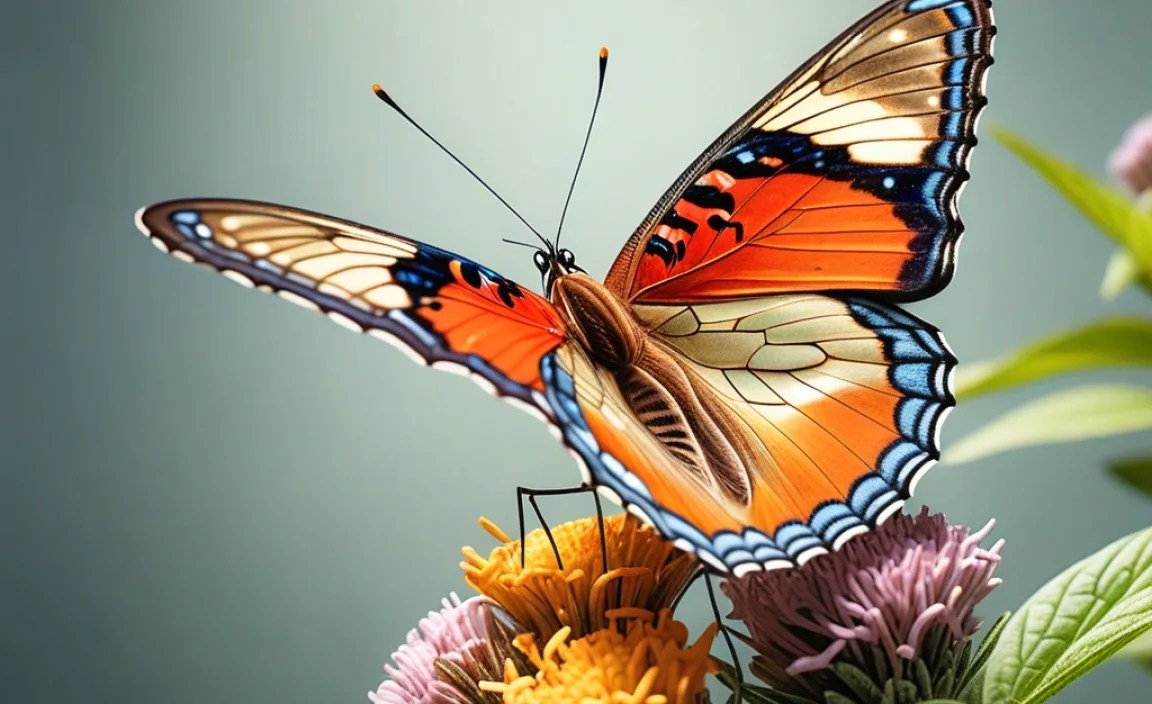
Butterfly wing patterns and colors are very important. They help us tell butterflies apart. The patterns can be simple or complex. The colors can be bright or dull. Some butterflies have spots. Others have stripes. Some have a mix of colors. These patterns serve many purposes. They help butterflies attract mates. They also help them hide from predators. Camouflage helps them blend in. Bright colors can warn predators. Learning about these patterns helps with butterfly species in Canada identification. Take a close look at the wings. You will see amazing details!
- Bright colors can attract mates.
- Spots can look like eyes to scare predators.
- Stripes can help butterflies blend in with grass.
- Some patterns mimic other insects.
- Color patterns help regulate body temperature.
- Darker colors absorb more sunlight.
When you look at a butterfly’s wings, notice the colors. Are they bright or dull? Are they uniform or patterned? Look for spots, stripes, and other markings. Pay attention to the edges of the wings. Are they smooth or jagged? These details can help you identify the butterfly. Use a field guide to compare the patterns. You can also use online resources. Many websites have pictures of different butterfly species. Comparing the pictures can help with butterfly species in Canada identification. Remember, practice makes perfect. The more you look, the better you will get.
Why Are Butterfly Wings So Colorful?
Have you ever wondered why butterfly wings are so colorful? The colors come from tiny scales on the wings. These scales reflect light. Different scales reflect different colors. Some scales contain pigments. Pigments are substances that give color. Other scales create colors through structure. These scales bend light in different ways. The combination of pigments and structure creates amazing colors. The colors help butterflies attract mates. They also help them avoid predators. Understanding this helps with butterfly species in Canada identification.
How Do Wing Patterns Help Butterflies?
Wing patterns help butterflies in many ways. Some patterns help them blend in. This is called camouflage. It helps them hide from predators. Other patterns warn predators. Bright colors can signal that a butterfly is poisonous. Some patterns mimic other insects. This can scare predators away. Patterns also help butterflies recognize each other. This is important for finding mates. All these functions are important for survival. Recognizing these patterns aids in butterfly species in Canada identification.
Do All Butterflies Have the Same Patterns?
No, all butterflies do not have the same patterns. Each species has its own unique patterns. Even butterflies within the same species can have slight variations. These variations can depend on where they live. They can also depend on the time of year. Some butterflies have different patterns on the top and bottom of their wings. This can help them blend in when they are resting. The diversity of patterns makes butterfly species in Canada identification interesting.
Fun Fact or Stat: Some butterfly wings have iridescent scales that change color depending on the angle of light!
Butterfly Habitats in Canada

Butterfly habitats in Canada are diverse and varied. Butterflies live in many different places. They live in forests, meadows, and gardens. They live near lakes, rivers, and streams. The type of habitat affects the butterflies that live there. Some butterflies prefer open areas. Others prefer shady areas. Some need specific plants to survive. These plants are food for their caterpillars. Understanding these habitats helps with butterfly species in Canada identification. Knowing where a butterfly lives gives you clues about what it is.
- Forests offer shade and shelter.
- Meadows provide flowers for nectar.
- Gardens are planted with butterfly-friendly plants.
- Wetlands provide water for butterflies.
- Urban areas can have small butterfly populations.
When you are looking for butterflies, consider the habitat. If you are in a forest, look for butterflies that like shade. If you are in a meadow, look for butterflies that like sunshine. Look for butterflies near their favorite plants. Monarchs like milkweed. Swallowtails like dill and parsley. Knowing these preferences makes butterfly species in Canada identification easier. Bring a field guide with you. It can help you match the butterfly to its habitat. You can also take pictures and look them up later.
Why Are Habitats Important for Butterflies?
Habitats are very important for butterflies. They provide food, shelter, and breeding sites. Butterflies need specific plants to lay their eggs on. Caterpillars need these plants to eat. Adult butterflies need nectar from flowers. Without the right habitat, butterflies cannot survive. Protecting butterfly habitats is important. We can help butterflies by planting native plants. We can also avoid using pesticides. These actions help with butterfly species in Canada identification by ensuring butterflies thrive.
What Kind of Habitats Do Butterflies Prefer?
Different butterflies prefer different habitats. Some like open, sunny areas. Others like shady, wooded areas. Some need wetlands. Others prefer dry areas. Monarchs like open fields with milkweed. Swallowtails like gardens with host plants. Blues like dry, rocky areas. Knowing these preferences helps with butterfly species in Canada identification. You can predict what butterflies you might see in a certain area.
How Can We Protect Butterfly Habitats?
We can protect butterfly habitats in many ways. We can plant native plants in our gardens. Native plants provide food and shelter for butterflies. We can avoid using pesticides. Pesticides can harm butterflies and other insects. We can support organizations that protect natural areas. We can also educate others about the importance of butterfly habitats. These actions help with butterfly species in Canada identification by preserving the butterflies’ homes.
Fun Fact or Stat: Butterflies play a crucial role in pollination, just like bees!
Using Field Guides for Butterfly Identification
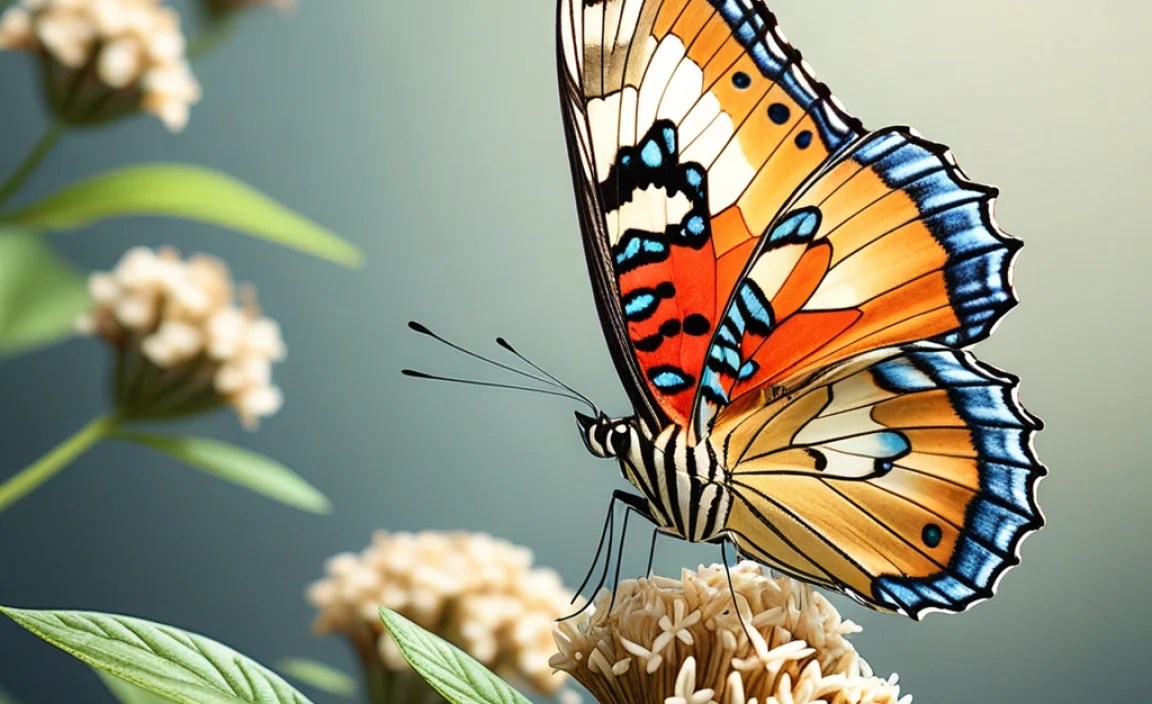
Using field guides is a great way to learn about butterfly species in Canada identification. Field guides are books that show pictures and descriptions of butterflies. They help you match the butterfly you see to its name. Field guides often include information about habitat and food. They can also tell you when the butterfly is most likely to be seen. Field guides are helpful for beginners and experts alike. Choose a field guide that is easy to use. Look for one with clear pictures and simple descriptions.
- Field guides provide pictures of butterflies.
- They describe the key features.
- They list the habitats.
- They tell you when to look for them.
- They can help you become a butterfly expert.
When you use a field guide, start by looking at the pictures. Find a picture that looks like the butterfly you saw. Read the description to confirm. Pay attention to the details. Check the size, color, and wing patterns. Look at the habitat and time of year. If everything matches, you have probably identified the butterfly. If not, keep looking. There are many different butterflies. It might take some time to find the right one. This process makes butterfly species in Canada identification easier.
What Should a Good Field Guide Include?
A good field guide should include clear pictures. The pictures should show the butterfly from different angles. The guide should also include detailed descriptions. The descriptions should cover size, color, and wing patterns. It should also include information about habitat and food. A good field guide should be easy to use. It should be organized in a logical way. It should also be lightweight and portable. All these features help with butterfly species in Canada identification.
How Do You Use a Field Guide Effectively?
To use a field guide effectively, start by observing the butterfly carefully. Note its size, color, and wing patterns. Also note the habitat and time of year. Then, look through the field guide for a matching picture. Read the description to confirm your identification. If you are not sure, ask an expert. Many butterfly clubs and organizations offer help with identification. Using a field guide makes butterfly species in Canada identification more fun and successful.
Where Can You Find a Good Field Guide?
You can find good field guides at bookstores and libraries. You can also find them online. Many websites sell field guides. Some websites offer free online field guides. Look for field guides that are specific to your area. A field guide for Canada will be more helpful than a general guide. Choose a field guide that meets your needs. With a good field guide, butterfly species in Canada identification becomes much easier.
Fun Fact or Stat: Some field guides include range maps showing where each butterfly species can be found!
Online Resources for Butterfly Identification
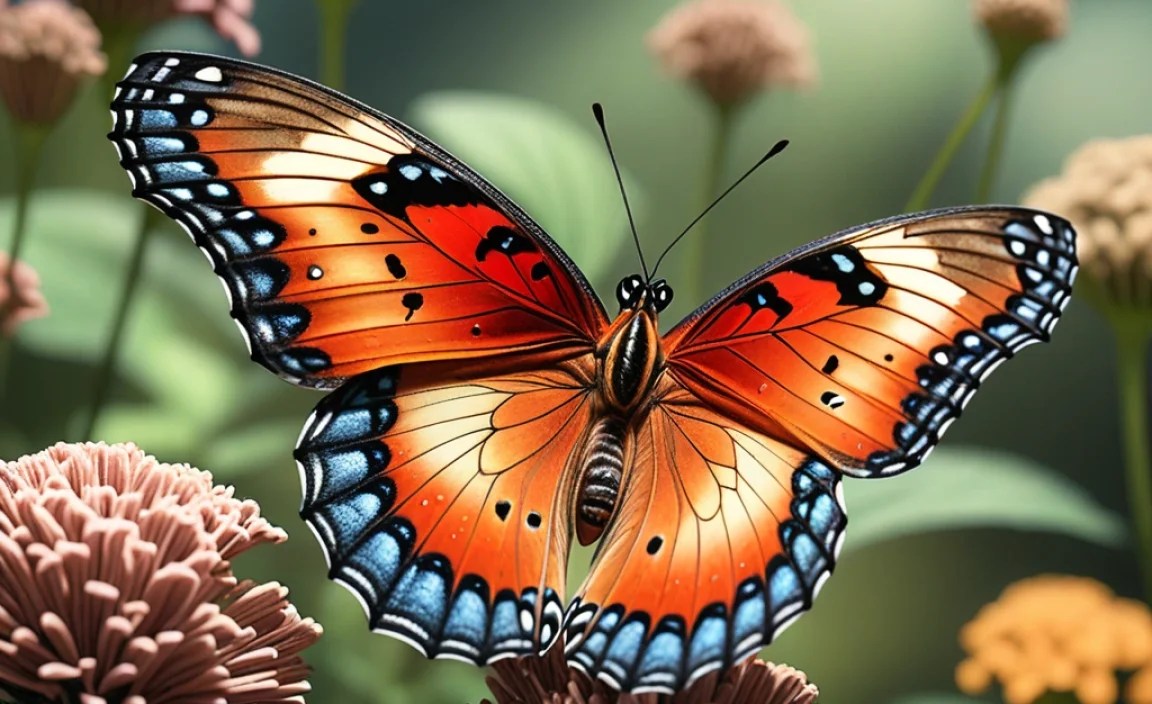
Online resources are very helpful for butterfly species in Canada identification. Many websites and apps can help you identify butterflies. These resources often have pictures, descriptions, and range maps. Some even have interactive keys that guide you through the identification process. Online resources are convenient and easy to use. You can access them on your computer or smartphone. They are a great supplement to field guides. They can also help you learn about butterflies from experts.
- Websites offer pictures and descriptions.
- Apps can identify butterflies from photos.
- Range maps show where butterflies live.
- Interactive keys guide you through identification.
- Online forums connect you with experts.
When using online resources, be careful to check the source. Make sure the information is accurate and reliable. Look for websites and apps that are created by experts. Compare information from different sources. If you are not sure, ask an expert. Many butterfly clubs and organizations have online forums. You can post pictures of butterflies and ask for help with identification. These forums can be very helpful for butterfly species in Canada identification.
What Are Some Good Butterfly Identification Websites?
There are many good butterfly identification websites. Some popular ones include Butterflies and Moths of North America (BAMONA). This website has pictures, descriptions, and range maps for butterflies in North America. Another good website is BugGuide.Net. This website has pictures and information about all kinds of insects, including butterflies. These websites help with butterfly species in Canada identification.
Are There Apps for Identifying Butterflies?
Yes, there are many apps for identifying butterflies. Some apps use your phone’s camera to identify butterflies from photos. Others use interactive keys to guide you through the identification process. These apps can be very helpful when you are in the field. They allow you to quickly identify butterflies without carrying a field guide. Using apps makes butterfly species in Canada identification easier and more accessible.
How Accurate Are Online Butterfly Identifications?
The accuracy of online butterfly identifications depends on the quality of the resource and the user’s skill. Some websites and apps are very accurate. Others are less reliable. It is important to check the source and compare information from different sources. It is also important to learn about butterfly identification yourself. With practice, you can become better at butterfly species in Canada identification.
Fun Fact or Stat: Some butterfly identification apps use artificial intelligence to identify butterflies from photos!
Conserving Butterflies in Canada
Conserving butterflies in Canada is very important. Butterflies are important pollinators. They help plants reproduce. They are also a food source for other animals. Butterfly populations are declining in many areas. This is due to habitat loss, pesticide use, and climate change. We can help butterflies by protecting their habitats. We can also plant butterfly-friendly gardens. We can reduce our use of pesticides. These actions support butterfly species in Canada identification by ensuring there are butterflies to identify.
- Protect butterfly habitats.
- Plant butterfly-friendly gardens.
- Reduce pesticide use.
- Support butterfly conservation organizations.
- Educate others about butterflies.
When you conserve butterflies, you are also helping other animals. Butterflies are part of a complex ecosystem. They interact with many other plants and animals. By protecting butterflies, you are protecting the entire ecosystem. This is important for the health of our planet. You can make a difference by taking simple actions. Plant a butterfly garden in your backyard. Avoid using pesticides. Support organizations that protect butterfly habitats. These actions help with butterfly species in Canada identification.
Why Is Butterfly Conservation Important?
Butterfly conservation is important for many reasons. Butterflies are important pollinators. They help plants reproduce. They are also a food source for other animals. Butterflies are also indicators of environmental health. If butterfly populations are declining, it could mean that something is wrong with the environment. Conserving butterflies helps protect the entire ecosystem. It also helps with butterfly species in Canada identification by preserving biodiversity.
What Can We Do to Help Butterflies?
We can do many things to help butterflies. We can plant butterfly-friendly gardens. We can avoid using pesticides. We can support organizations that protect butterfly habitats. We can also educate others about the importance of butterflies. These actions can make a big difference. Even small actions can help. Every effort aids in butterfly species in Canada identification.
How Do Climate Change and Pesticides Affect Butterflies?
Climate change and pesticides have a big impact on butterflies. Climate change can alter butterfly habitats. It can also change the timing of butterfly life cycles. Pesticides can kill butterflies and other insects. They can also harm the plants that butterflies need to survive. Reducing our use of pesticides and addressing climate change is important. These actions help with butterfly species in Canada identification by protecting butterfly populations.
Fun Fact or Stat: Many butterfly species are now endangered due to habitat loss and climate change!
| Butterfly Species | Habitat | Food Source | Distinctive Feature |
|---|---|---|---|
| Monarch | Open fields, meadows | Milkweed | Orange wings with black lines |
| Swallowtail | Gardens, woodlands | Dill, parsley | Long tails on wings |
| Admiral | Forest edges, parks | Nectar, sap | White stripes on wings |
| Blue | Dry, rocky areas | Clover, alfalfa | Small and blue |
Summary
Learning about butterfly species in Canada identification is a rewarding hobby. Butterflies are beautiful and important creatures. They play a vital role in our ecosystem. Identifying butterflies can be fun and educational. You can use field guides, online resources, and your own observations. By learning about butterflies, you can appreciate the natural world around you.
Remember to pay attention to wing patterns, colors, and habitats. Use reliable sources to confirm your identifications. Protect butterfly habitats by planting native plants. Reduce your use of pesticides. By taking these actions, you can help conserve butterflies. You can also inspire others to learn about and protect these amazing creatures.
Conclusion
Butterflies are amazing creatures. They add beauty to our world. They also play an important role in the ecosystem. Learning about butterfly species in Canada identification is a fun and rewarding hobby. It helps us appreciate the natural world. We can all help protect butterflies. We can plant butterfly gardens. We can reduce pesticide use. We can support conservation efforts. Together, we can ensure that butterflies thrive for generations to come.
Frequently Asked Questions
Question No 1: Why is it important to identify butterfly species?
Answer: Identifying butterfly species is important for several reasons. First, it helps us understand the biodiversity of our environment. Each butterfly species plays a unique role in the ecosystem. Knowing which species are present helps us monitor the health of the environment. Second, butterfly species in Canada identification can be a fun and educational hobby. It encourages us to observe and appreciate the natural world. Finally, identification is crucial for conservation efforts. We need to know which species are threatened or endangered so we can protect them.
Question No 2: What are the key characteristics to look for when identifying butterflies?
Answer: When identifying butterflies, there are several key characteristics to look for. The most obvious is the wing pattern. Pay attention to the colors, shapes, and markings on the wings. Also, note the size and shape of the butterfly. Some butterflies have long, narrow wings, while others have broad, round wings. The habitat where you find the butterfly is also important. Some butterflies prefer forests, while others prefer meadows. Knowing the habitat can narrow down the possibilities. Observing these features aids in butterfly species in Canada identification.
Question No 3: How can I attract more butterflies to my garden?
Answer: You can attract more butterflies to your garden by planting butterfly-friendly plants. Butterflies need nectar from flowers to feed on. They also need specific plants to lay their eggs on. These plants are called host plants. Monarchs, for example, need milkweed. Swallowtails need dill and parsley. Plant a variety of flowers and host plants. Avoid using pesticides. Provide a source of water. A shallow dish of water with pebbles will do. Creating the right environment improves butterfly species in Canada identification opportunities.
Question No 4: Are there any endangered butterfly species in Canada?
Answer: Yes, there are several endangered butterfly species in Canada. Habitat loss and climate change threaten some species. The Karner Blue butterfly is endangered in Ontario. The Poweshiek skipperling is endangered in Manitoba. Conservation efforts are underway to protect these species. These efforts include habitat restoration and captive breeding programs. Learning about these species and supporting conservation efforts is important. This helps preserve butterfly species in Canada identification for future generations.
Question No 5: What is the best time of year to see butterflies in Canada?
Answer: The best time of year to see butterflies in Canada is during the summer months. From June to August, many butterfly species are active. They are feeding on nectar and laying eggs. The specific timing depends on the species and the region. Some butterflies emerge earlier in the spring. Others emerge later in the fall. Check local resources to find out when different species are active in your area. The summer months are ideal for butterfly species in Canada identification.
Question No 6: How can I contribute to butterfly conservation efforts?
Answer: There are many ways to contribute to butterfly conservation efforts. You can plant a butterfly garden. You can reduce your use of pesticides. You can support organizations that protect butterfly habitats. You can also educate others about the importance of butterflies. Another way to help is to participate in citizen science projects. These projects involve collecting data on butterfly populations. This data helps scientists monitor butterfly populations and develop conservation strategies. Every effort helps with butterfly species in Canada identification and preservation.


