
Species Identification vs Taxonomy: The Powerful Key

Have you ever seen a cool bug and wondered what it was? Or maybe you found a cool plant. How do scientists know what each living thing is called? There are ways to figure this out. This article will explore species identification vs taxonomy. They are both important in science.
Key Takeaways
- Species identification helps us name individual living things.
- Taxonomy organizes all living things into groups.
- Scientists use keys and guides for species identification.
- Taxonomy uses a system with names like kingdom and species.
- Understanding species identification vs taxonomy helps us learn about nature.
Understanding Species Identification
Species identification is like being a detective for nature! Imagine you find a bird with bright blue feathers. You want to know what kind of bird it is. Species identification is the process of figuring out exactly which species it belongs to. Scientists and nature lovers use different tools to help. They might use field guides with pictures and descriptions. They could also use keys. These keys ask questions about the animal or plant. By answering the questions, you can narrow down the possibilities. You can find its exact name. Species identification is important. It helps us understand the world around us. It also helps us protect different kinds of animals and plants.
- Field guides have pictures.
- Field guides have descriptions.
- Keys ask questions.
- Keys help narrow choices.
- Identification helps protect species.
Think about finding a cool seashell at the beach. You might want to know what kind of seashell it is. You can use a seashell identification book. You look at the shape, color, and size of the shell. You compare it to the pictures in the book. After looking carefully, you might find a match! You have identified the species of the seashell. This is how species identification works in real life. You observe, compare, and use resources to find the name of a living thing. It is like solving a puzzle. When we know what something is, we can learn more about it. We can discover where it lives, what it eats, and how it interacts with the world around it.
Fun Fact or Stat: There are about 8.7 million species of plants and animals on Earth!
Why Is It Important?
Have you ever wondered why it is important to know the names of things? Imagine a doctor who did not know the names of different bones in your body. It would be hard for them to help you if you were hurt! In the same way, knowing the names of species helps scientists study and protect them. If we do not know what a plant or animal is, we cannot understand its role in the environment. We cannot know if it is in danger. Species identification is the first step in understanding the amazing diversity of life on Earth. It helps us track changes in populations. It helps us manage ecosystems. Without knowing what we have, we cannot protect it. It’s like trying to build a house without knowing what the different pieces of wood are called.
Tools for Identification
What tools do scientists use to identify species? They use many things! Microscopes help them see tiny details. DNA analysis can tell them exactly what a species is. Field guides are books with pictures and descriptions. They also use keys. These keys ask questions about the plant or animal. By answering the questions, they can narrow down the possibilities. For example, a key might ask, “Does the plant have red flowers?” If you answer yes, it will lead you to another question. If you answer no, it will lead you to a different question. This process continues until you arrive at the correct species. These tools make species identification easier and more accurate.
Challenges in Identification
Species identification is not always easy. Some species look very similar. This can make it hard to tell them apart. Also, some species change over time. A caterpillar turns into a butterfly. A tadpole turns into a frog. This can confuse people trying to identify them. Sometimes, new species are discovered. Scientists need to study them carefully to figure out what they are. They need to decide if they are really new or just a variation of an existing species. Despite these challenges, scientists keep working hard to identify all the species on Earth. Their work helps us understand and protect the world around us.
Fun Fact or Stat: Some insects can only be identified by looking at their tiny body hairs under a microscope!
Exploring the World of Taxonomy

Taxonomy is like organizing your toys into different boxes. You might put all your cars in one box. You might put all your dolls in another box. Taxonomy does the same thing for living things. It organizes them into groups based on their similarities. The biggest group is called a kingdom. There are five kingdoms: animals, plants, fungi, protists, and bacteria. Within each kingdom, there are smaller groups. These groups are called phylum, class, order, family, genus, and species. Species is the smallest and most specific group. Each species has a unique name. For example, the scientific name for humans is Homo sapiens. Taxonomy helps us understand how all living things are related to each other. It also helps us keep track of all the different species on Earth.
- Kingdom is the largest group.
- Species is the smallest group.
- Each species has a unique name.
- Taxonomy shows how things are related.
- It helps us track species.
Imagine you are organizing a library. You would not just throw all the books onto the shelves randomly. You would organize them by topic, author, or title. This would make it easier to find the book you are looking for. Taxonomy is like organizing the library of life. It helps scientists find and understand information about different species. It shows how species are related to each other through evolution. For example, lions and tigers are both cats. They are in the same family. This tells us that they share a common ancestor. Taxonomy is a powerful tool for understanding the history and diversity of life on Earth.
Fun Fact or Stat: Carl Linnaeus invented the system of taxonomy we use today in the 1700s!
How Does It Work?
How does taxonomy work? Scientists look at many things. They look at the physical features of an organism. They look at its DNA. They look at its behavior. They use all of this information to decide where to place the organism in the taxonomic system. For example, if an animal has fur and drinks milk, it is probably a mammal. Mammals are in a specific class within the animal kingdom. Scientists use a set of rules to make sure that everyone uses the same system. This makes it easier to communicate about different species. It also helps to avoid confusion. Taxonomy is a complex and constantly evolving field. As scientists learn more about the world, they sometimes change the way species are classified.
The Taxonomic Hierarchy
Have you ever seen a family tree? It shows how different members of a family are related to each other. The taxonomic hierarchy is like a family tree for all living things. It starts with the broadest category, the kingdom. It then narrows down to the most specific category, the species. The levels in between are phylum, class, order, family, and genus. Each level represents a different degree of relatedness. For example, all animals in the same family are more closely related to each other than animals in the same order. The taxonomic hierarchy helps us understand the relationships between all living things. It helps us see how we are all connected.
Why Is Taxonomy Important?
Taxonomy is important for many reasons. It helps us understand the relationships between living things. It helps us keep track of all the different species on Earth. It helps us communicate about species in a clear and consistent way. Taxonomy is also important for conservation. If we know what species are in danger, we can take steps to protect them. It also helps us understand how ecosystems work. By understanding the relationships between species, we can better manage and protect our natural resources. Taxonomy is a fundamental tool for understanding the world around us. It is essential for science, conservation, and education.
Fun Fact or Stat: The scientific name for a lion is Panthera leo!
Comparing Species Identification and Taxonomy
Species identification and taxonomy are like two sides of the same coin. Species identification is about figuring out what a particular organism is. Taxonomy is about organizing all organisms into groups. Species identification helps us put a name on a specific plant or animal. Taxonomy helps us understand how that plant or animal is related to other living things. One focuses on the individual, and the other focuses on the bigger picture. They both work together to help us understand the diversity of life on Earth. They are both essential tools for scientists, conservationists, and anyone who wants to learn more about the natural world. Think of species identification as finding a specific book in a library, while taxonomy is how the library is organized.
- Species identification names organisms.
- Taxonomy groups organisms.
- One focuses on the individual.
- The other focuses on the big picture.
- Both help us understand life.
Imagine you are building a house. Species identification is like knowing the names of all the different tools you need. You need to know what a hammer, a saw, and a screwdriver are. Taxonomy is like having a blueprint for the house. It shows you how all the different parts fit together. It shows you the relationships between the walls, the roof, and the foundation. Both are important for building a successful house. In the same way, both species identification and taxonomy are important for understanding the natural world. They give us the tools and the framework to explore and appreciate the amazing diversity of life on Earth.
Fun Fact or Stat: Around 18,000 new species are discovered each year!
Different Goals
What are the different goals of species identification and taxonomy? Species identification aims to find the correct name for a specific organism. It is like solving a puzzle. You have a mystery object, and you want to figure out its identity. Taxonomy aims to create a system for organizing all living things. It is like building a map of the natural world. You want to show how all the different species are related to each other. Species identification is often the first step in a scientific study. Taxonomy provides the framework for understanding the results of that study. They have different goals, but they work together to advance our knowledge of the natural world.
Different Methods
Species identification and taxonomy use different methods. Species identification relies on observation and comparison. Scientists look at the physical features of an organism. They compare it to descriptions and pictures in field guides. They might also use keys or consult with experts. Taxonomy uses a broader range of methods. Scientists look at physical features, DNA, behavior, and other characteristics. They use these to determine how closely related different species are. They use mathematical models and computer programs to analyze the data. Taxonomy is a more complex and data-intensive field than species identification.
Working Together
How do species identification and taxonomy work together? When a new species is discovered, scientists first need to identify it. They need to determine what kind of organism it is and give it a name. This involves species identification. Then, they need to place it in the taxonomic system. They need to figure out how it is related to other species. This involves taxonomy. The process of identifying and classifying a new species can take many years. It requires the expertise of many different scientists. The results are then published in scientific journals. This allows other scientists to learn about the new species. This shows how species identification and taxonomy work together to advance our knowledge of the natural world.
Fun Fact or Stat: Some species are named after famous people, like the beetle Agathidium vankatwijkense, named after a scientist!
Tools Used in Species Identification
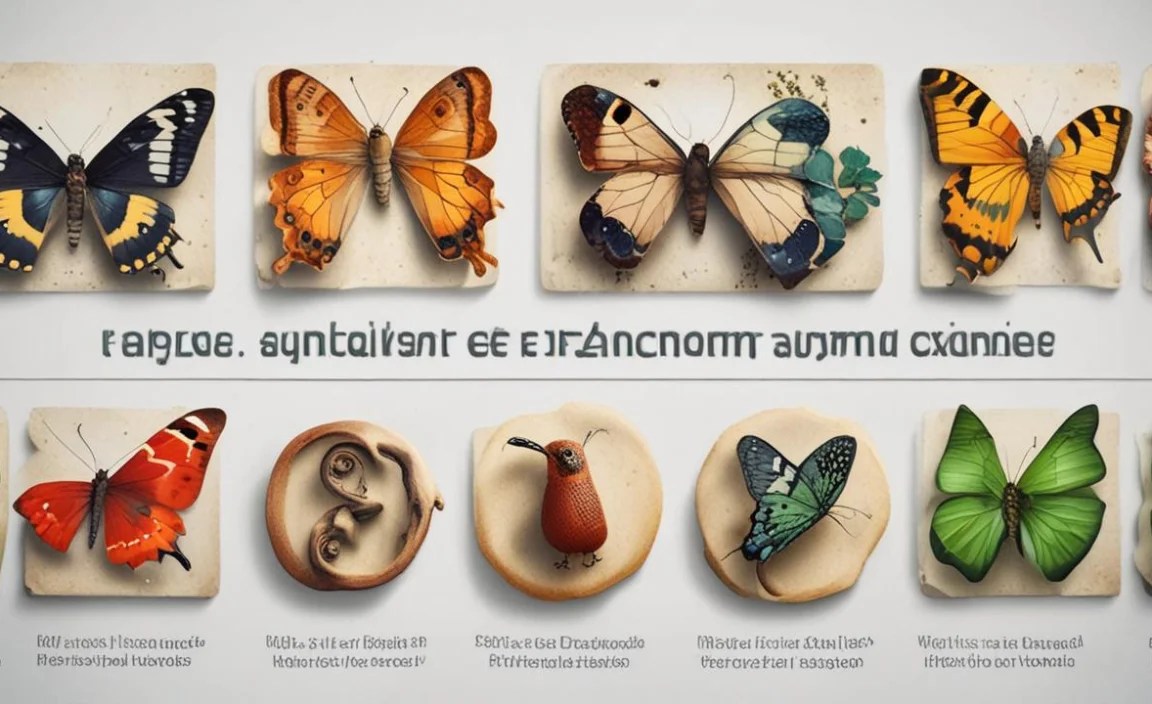
What tools do scientists use for species identification? Field guides are like picture books for nature. They show pictures of different plants and animals. They describe their key features. These guides help you compare what you see in nature to known species. Microscopes help scientists see tiny details. They can look at cells, hairs, and other small parts to identify species. DNA sequencing is a powerful tool. It can tell scientists exactly what species an organism is. Identification keys ask a series of questions. Each answer leads you to another question. This process helps narrow down the possibilities until you find the right species. These tools make species identification more accurate and easier.
- Field guides have pictures.
- Microscopes show tiny details.
- DNA tells the exact species.
- Keys ask questions.
- Experts help with hard cases.
Imagine you are trying to identify a type of tree. You might start by looking at its leaves. Are they needle-shaped or broad? Are they arranged in clusters or individually? You can use a field guide to compare the leaves to pictures of different tree species. If you need to see more detail, you can use a magnifying glass or a microscope. You can look at the veins in the leaves or the texture of the bark. If you are still not sure, you can consult with an expert. You can send them a picture of the tree or a sample of its leaves. They can use their knowledge and experience to help you identify the species. This is how different tools are used together for species identification.
Fun Fact or Stat: Some plants have special chemicals that can be used to identify them!
Field Guides
Have you ever used a field guide? They are like treasure maps for nature. They help you find and identify different plants and animals. Field guides usually have pictures, descriptions, and range maps. The pictures show you what the species looks like. The descriptions tell you about its key features. The range maps show you where it lives. Some field guides also include information about the species’ behavior, habitat, and diet. Field guides are a great resource for anyone who wants to learn more about the natural world. They are easy to use and carry with you on hikes and other outdoor adventures. They make species identification fun and accessible for everyone.
Microscopes and DNA
Microscopes and DNA are like super-powered tools for species identification. Microscopes let scientists see tiny details that are invisible to the naked eye. They can look at the structure of cells, the arrangement of tissues, and the shape of tiny organisms. This can help them distinguish between species that look very similar. DNA sequencing is even more powerful. It allows scientists to read the genetic code of an organism. This code is unique to each species. By comparing the DNA of different organisms, scientists can determine exactly what they are. They can also learn about their evolutionary relationships. Microscopes and DNA are essential tools for modern species identification.
Identification Keys
Identification keys are like a game of “20 Questions” for nature. They present you with a series of choices. Each choice leads you to another question. By answering the questions carefully, you can narrow down the possibilities until you arrive at the correct species. Keys are often used to identify plants, insects, and other invertebrates. They can be challenging to use at first, but they become easier with practice. There are different types of keys. Some keys use physical features, like the shape of a leaf or the color of a flower. Other keys use ecological information, like the habitat where the organism is found. Identification keys are a valuable tool for anyone who wants to learn how to identify species.
Fun Fact or Stat: Some identification keys are available as apps for your smartphone!
Challenges in Species Identification
Species identification can be tricky! Some species look very similar. This can make it hard to tell them apart. For example, some types of butterflies are almost identical. Scientists need to look at tiny details to identify them. Hybrids are also a challenge. These are offspring of two different species. They can have traits of both parents. This makes it hard to know what they are. Also, some species change over time. A caterpillar looks very different from a butterfly. Identifying them at different stages can be confusing. Despite these challenges, scientists are always improving their methods for species identification.
- Similar species are hard to tell apart.
- Hybrids have traits of two species.
- Species change over time.
- New species are always being found.
- Experts are needed for difficult cases.
Imagine you are trying to identify a bird in your backyard. It is small and brown, with a short beak. There are many different kinds of small brown birds. Some of them look almost exactly alike. To identify it correctly, you might need to look at its song, its behavior, or the shape of its wings. You might even need to take a picture and send it to an expert. Species identification is not always a simple process. It requires careful observation, attention to detail, and sometimes the help of a specialist. The reward is a deeper understanding and appreciation of the amazing diversity of life around us.
Fun Fact or Stat: There is a “barcode” for each species that scientists can use to identify them!
Similar Species
What makes it so hard to tell apart similar species? They share many of the same physical features. This is because they are often closely related. They may have evolved from a common ancestor. For example, different species of warblers, small songbirds, can be very difficult to identify. They are all small, active, and brightly colored. They may have similar songs and behaviors. To identify them correctly, you need to look for subtle differences in their plumage, their song, or their habitat. Species identification of similar species requires careful observation and a good understanding of their natural history.
Hybrids and Variations
Hybrids and variations can make species identification very difficult. Hybrids are the offspring of two different species. They have a mix of traits from both parents. This can make them look different from either parent species. For example, a hybrid between two species of oak tree may have leaves that are intermediate in shape and size. Variations within a species can also be confusing. Some species have different forms or colors depending on their age, sex, or location. These variations can make it hard to know what is “normal” for the species. Scientists use a variety of methods to identify hybrids and variations. This includes DNA analysis and careful study of their physical features.
Changing Over Time
How does the fact that species change over time affect species identification? Many organisms go through different life stages. Each stage can look very different. A caterpillar looks nothing like a butterfly. A tadpole looks nothing like a frog. It can be hard to recognize that these different forms are actually the same species. Scientists study the life cycles of organisms. They learn how they change over time. This helps them identify them correctly at different stages of their development. They also use DNA analysis to confirm that different forms are the same species.
Fun Fact or Stat: Some species can change their color to blend in with their surroundings!
The Role of Taxonomy in Conservation
Taxonomy plays a big role in conservation. It helps us know what species are at risk. If we do not know what a species is, we cannot protect it. Taxonomy helps us understand how species are related. This helps us understand how ecosystems work. We can use this information to make better decisions about conservation. For example, if we know that a species is closely related to an endangered species, we can take extra steps to protect it. Taxonomy also helps us monitor the health of ecosystems. By tracking the presence and abundance of different species, we can see how ecosystems are changing over time. This information can help us identify problems and take action to fix them. Without taxonomy, conservation would be much more difficult.
- It helps us identify species at risk.
- It helps us understand ecosystems.
- It helps us monitor ecosystem health.
- It helps us make conservation plans.
- It helps us track biodiversity loss.
Imagine you are trying to save a rainforest. You would need to know what kinds of plants and animals live there. You would need to know which species are rare or endangered. You would need to understand how the different species interact with each other. Taxonomy provides the framework for gathering and organizing this information. It helps you create a plan to protect the rainforest and its biodiversity. Without taxonomy, you would be working in the dark. You would not know what you are trying to save or how to save it. That is why taxonomy is so important for conservation.
Fun Fact or Stat: Scientists estimate that we are losing species at 1,000 times the natural rate!
Identifying Endangered Species
How does taxonomy help us identify endangered species? It provides a system for classifying and naming all living things. This system allows scientists to communicate clearly about different species. It also allows them to track the populations of different species over time. If a species is declining rapidly, it may be considered endangered. Taxonomy helps us define what a species is. This is important for determining whether a population is truly declining or just fluctuating naturally. Without taxonomy, it would be impossible to track the status of endangered species.
Understanding Ecosystems
Taxonomy helps us understand how ecosystems work. Ecosystems are complex webs of interactions between different species. To understand how an ecosystem functions, we need to know what species are present. We need to know how they are related to each other. Taxonomy provides the foundation for this understanding. It helps us identify the key species in an ecosystem. It helps us understand how they interact with each other. This information is essential for managing and protecting ecosystems.
Monitoring Biodiversity
How does taxonomy help us monitor biodiversity? Biodiversity is the variety of life on Earth. It is essential for the health and stability of ecosystems. To monitor biodiversity, we need to know what species are present in a given area. We need to track how their populations are changing over time. Taxonomy provides the tools for doing this. It allows us to identify and classify different species. It allows us to track their populations. This information can help us identify areas where biodiversity is declining. It can help us take action to protect those areas.
Fun Fact or Stat: Many conservation efforts focus on “hotspots” of biodiversity, where there are many unique species!
Practical Applications of Species Knowledge
Knowing about species identification vs taxonomy is not just for scientists. It has many practical uses. Farmers need to know what pests are eating their crops. Doctors need to know what germs are making people sick. Gardeners need to know what plants will grow well in their gardens. Knowing the names and characteristics of different species helps us solve everyday problems. It helps us make informed decisions about our health, our food, and our environment. It also helps us appreciate the amazing diversity of life on Earth. Whether you are a farmer, a doctor, a gardener, or just a curious person, species identification vs taxonomy can be useful tools.
- Farmers identify crop pests.
- Doctors identify germs.
- Gardeners choose the right plants.
- Governments track invasive species.
- Knowing species helps protect us.
Imagine you are a farmer. You notice that your corn crop is being eaten by insects. You need to know what kind of insect it is. Some insects are harmless or even beneficial. Others can destroy your entire crop. You can use a field guide or consult with an expert to identify the insect. Once you know what it is, you can choose the best way to control it. You might use a pesticide, introduce a natural predator, or change your planting practices. Knowing the species of the pest is essential for protecting your crop and your livelihood. This is just one example of how species identification is used in practice.
Fun Fact or Stat: Bees are very important pollinators. Without them, we would not have many fruits and vegetables!
Agriculture and Pest Control
How is species identification used in agriculture and pest control? Farmers need to know what insects, weeds, and diseases are affecting their crops. Some species are beneficial. Some are harmful. Identifying the harmful species is the first step in controlling them. Farmers can use this information to choose the right pesticides, herbicides, and other control methods. They can also use biological control. They can introduce natural enemies of the pests. Accurate species identification is essential for sustainable agriculture. It helps farmers protect their crops. It also helps protect the environment.
Here’s a table illustrating the impact of pests on agriculture:
| Pest Type | Example | Damage Caused | Impact on Crop Yield |
|---|---|---|---|
| Insects | Corn Earworm | Eats kernels, damages ears | Up to 50% yield loss |
| Weeds | Pigweed | Competes for nutrients, water | 20-80% yield loss |
| Fungi | Wheat Rust | Infects leaves, stems | 10-70% yield loss |
| Bacteria | Citrus Canker | Lesions on fruit, leaves | 10-50% yield loss |
Medicine and Disease Control
Species identification is also important in medicine and disease control. Doctors need to know what bacteria, viruses, and fungi are causing infections. This helps them choose the right antibiotics, antiviral drugs, and antifungal medications. Scientists also need to identify the vectors. Vectors are the animals that transmit diseases. For example, mosquitoes transmit malaria and Zika virus. Ticks transmit Lyme disease. Identifying these vectors is essential for preventing the spread of disease. Accurate species identification is critical for protecting public health.
Gardening and Horticulture
How is species identification used in gardening and horticulture? Gardeners need to know what plants will grow well in their gardens. They need to know what pests and diseases are affecting their plants. They can use this information to choose the right plants, fertilizers, and pest control methods. They can also use species identification to identify wild plants. They can learn about their medicinal or edible properties. Knowing the names and characteristics of different species can enhance your gardening experience. It can help you create a beautiful and healthy garden.
Fun Fact or Stat: Some plants can heal wounds or relieve pain!
Summary
Species identification is the process of figuring out what kind of plant or animal something is. Taxonomy is the science of organizing all living things into groups. Species identification is like naming a specific person, while taxonomy is like creating a family tree. They are both important for understanding the natural world. Scientists use tools like field guides, microscopes, and DNA analysis to identify species. They use taxonomy to understand how different species are related to each other. Challenges in species identification include similar species, hybrids, and species that change over time. Taxonomy plays a key role in conservation by helping us identify endangered species and understand ecosystems. Knowing about species identification vs taxonomy has practical uses in agriculture, medicine, and gardening.
Conclusion
Species identification and taxonomy are important tools for understanding the world. They help us name and organize the millions of species on Earth. They give us insights into the relationships between living things. They also help us protect our planet’s biodiversity. By learning about species identification vs taxonomy, we can become better stewards of the environment. We can also appreciate the amazing diversity of life around us.
Frequently Asked Questions
Question No 1: What is the difference between species identification vs taxonomy?
Answer: Species identification is about naming a single organism. You find a bug and want to know what it is called. That’s identification! Taxonomy is about organizing all living things into groups. It is like sorting them into categories based on how they are related. Taxonomy helps us understand the big picture of life on Earth. It shows how all the different species fit together. Species identification helps us understand the individual pieces of the puzzle.
Question No 2: Why is species identification important?
Answer: Species identification is important for many reasons. It helps us understand the natural world. It helps us protect endangered species. It helps us control pests and diseases. Without knowing what something is, we cannot study it, protect it, or control it. It’s like trying to solve a problem without knowing what the problem is! Species identification is the first step in understanding and managing the world around us. It allows us to learn about their needs and protect them.
Question No 3: What tools do scientists use for species identification?
Answer: Scientists use many different tools for species identification. Field guides are books with pictures and descriptions of different species. Microscopes help them see tiny details. DNA analysis can tell them exactly what species something is. Identification keys are sets of questions that help narrow down the possibilities. Experts can also help identify species. It is like having a team of detectives working to solve a mystery. All these tools help scientists identify the amazing diversity of life on Earth.
Question No 4: How does taxonomy help with conservation?
Answer: Taxonomy helps with conservation in several ways. It helps us identify endangered species. It helps us understand how ecosystems work. It helps us monitor biodiversity. If we do not know what species are at risk, we cannot protect them. If we do not understand how ecosystems work, we cannot manage them effectively. Taxonomy provides the foundation for conservation efforts. It helps us make informed decisions about how to protect our planet’s biodiversity. Knowing their relationships helps us understand how to save them.
Question No 5: What are some challenges in species identification?
Answer: There are many challenges in species identification. Some species look very similar. This can make it hard to tell them apart. Hybrids are offspring of two different species. They can have traits of both parents, making them difficult to identify. Some species change over time. A caterpillar looks very different from a butterfly. New species are always being discovered. These new species need to be identified and classified. These challenges make species identification a complex and ongoing process.
Question No 6: Can anyone learn about species identification vs taxonomy?
Answer: Yes! Anyone can learn about species identification vs taxonomy. There are many resources available for beginners. Field guides are a great place to start. Many museums and nature centers offer classes and workshops. There are also many websites and books about species identification vs taxonomy. You can start by learning about the plants and animals in your own backyard. With a little curiosity and effort, you can become a skilled species identifier and a knowledgeable taxonomist. Learning this subject helps us appreciate the world around us.


