Meadow Brown Butterfly: Spotting Guide + Fun Facts

The Meadow Brown butterfly (Maniola jurtina) is one of the most common butterflies in Europe. You can spot it easily by its orange patches on the forewings and brown body. It loves grassy areas and is a joy to watch fluttering about!
Have you ever wondered what that common brown butterfly flitting through your garden is? Chances are, it’s a Meadow Brown! These lovely butterflies are everywhere, but sometimes it’s hard to tell them apart from other brown butterflies. Many people get frustrated trying to identify them. But don’t worry! This guide will show you exactly how to recognize a Meadow Brown, what it eats, and how to make your garden a perfect home for them. Let’s explore the wonderful world of the Meadow Brown butterfly!
Identifying the Meadow Brown Butterfly
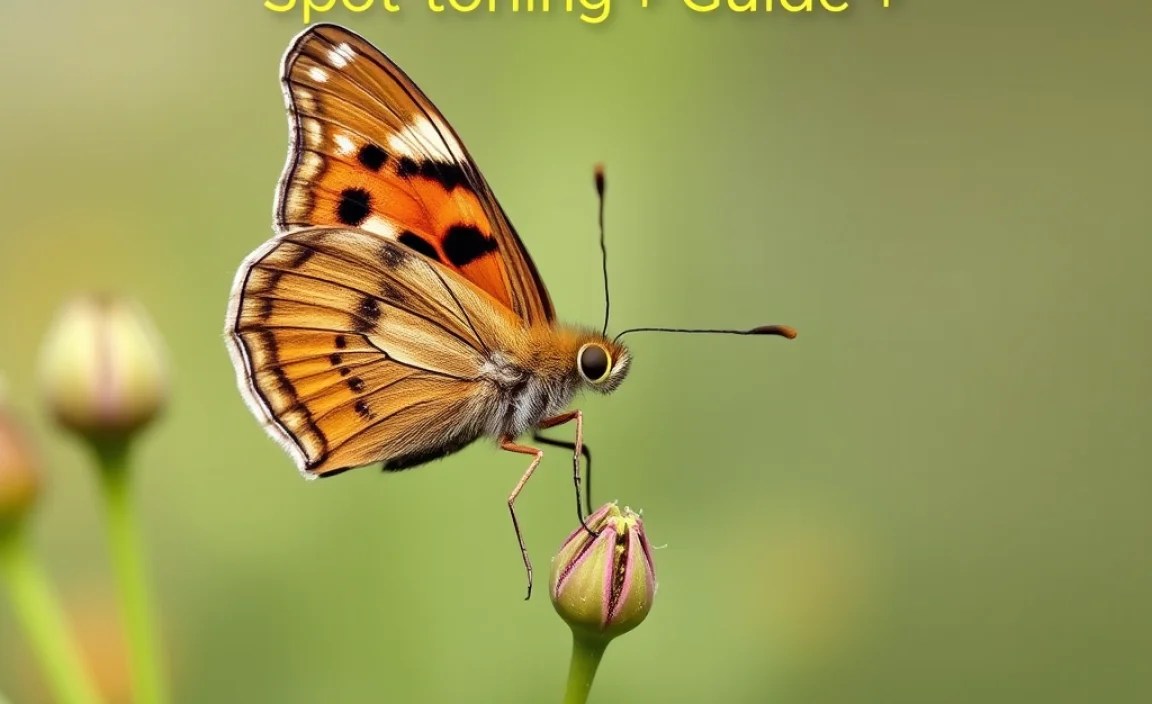
Knowing what to look for is the first step in identifying any butterfly. Here’s what makes the Meadow Brown special:
Key Features
- Wingspan: Typically 4 to 5 cm (1.6 to 2 inches).
- Color: The upper side of the wings is usually brown. Males are a uniform brown, while females have a larger orange patch on the forewing.
- Eyespots: A key identifier! Meadow Browns have one or two small black eyespots with white pupils on the forewings. The number and size can vary.
- Underside: The underside of the hindwing is mottled brown. This helps the butterfly camouflage when it rests with its wings closed.
- Body: Brown and fuzzy, like a tiny, winged teddy bear.
Male vs. Female
It’s easy to tell the difference between male and female Meadow Browns:
- Males: Have plain brown upper wings with a small eyespot.
- Females: Have a noticeable orange patch on their forewings with one or two eyespots.
Size and Shape
Meadow Browns are medium-sized butterflies. Their wings are rounded, giving them a soft appearance.
Distinguishing from Similar Species
Meadow Browns are often confused with other brown butterflies. Here’s how to tell them apart:
- Gatekeeper (Pyronia tithonus): Gatekeepers are smaller and have two distinct white dots in the eyespot on their forewing. They also have a more vibrant orange color.
- Speckled Wood (Pararge aegeria): Speckled Woods have a more distinctive pattern of cream and brown patches. They prefer shadier habitats.
- Wall Brown (Lasiommata megera): Wall Browns have brighter orange wings with a more distinct pattern. They also tend to bask in sunny spots on walls or paths.
| Feature | Meadow Brown | Gatekeeper | Speckled Wood | Wall Brown |
|---|---|---|---|---|
| Size | Medium (4-5 cm) | Small | Medium | Medium |
| Wing Color (Upper) | Brown (Female has orange patch) | Orange-brown | Cream and brown patches | Bright orange |
| Eyespots | 1-2, single white pupil | 1, two white pupils | Absent or faint | Distinct pattern |
| Habitat | Grasslands | Hedgerows and woodland edges | Woodlands | Sunny walls and paths |
Life Cycle of the Meadow Brown

Understanding the life cycle helps you appreciate these butterflies even more. Here’s a breakdown:
Egg Stage
The Meadow Brown life cycle starts with an egg. Female Meadow Browns lay their eggs on grasses. The eggs are usually pale green or yellowish-white and are laid singly or in small groups. They are small and can be hard to spot.
Larva (Caterpillar) Stage
Once the eggs hatch, tiny caterpillars emerge. These caterpillars are usually green or brown, helping them blend in with the grass. They feed on various grasses, growing larger as they molt (shed their skin).
Caterpillar Diet
Meadow Brown caterpillars aren’t picky eaters! They feed on a variety of common grasses, including:
- Fescues (Festuca spp.)
- Meadow-grasses (Poa spp.)
- Bents (Agrostis spp.)
Pupa (Chrysalis) Stage
When the caterpillar is fully grown, it forms a pupa, also known as a chrysalis. The pupa is usually green or brown and hangs from a grass stem or lies hidden amongst the vegetation. Inside the pupa, a miraculous transformation takes place.
Adult Stage
After a few weeks, the adult butterfly emerges from the pupa. The newly emerged butterfly unfolds its wings and waits for them to dry and harden before taking its first flight. The adult Meadow Brown then focuses on feeding and reproducing, continuing the cycle.
Habitat and Distribution
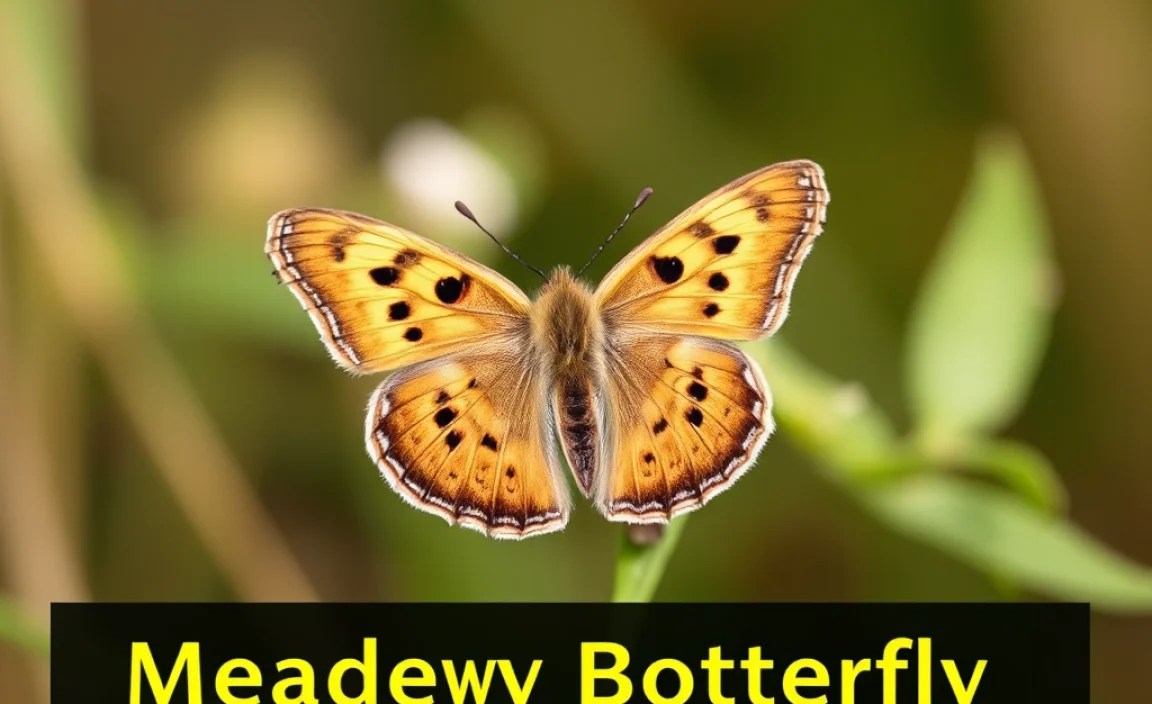
Meadow Browns are widespread across Europe and into Asia. Here’s where you’re most likely to find them:
Preferred Habitats
- Grasslands: Meadows, pastures, and grassy fields are their favorite places.
- Woodland edges: They also like the edges of woodlands and forests.
- Gardens: You might spot them in your garden, especially if you have long grass.
Geographic Range
Meadow Browns are found throughout the British Isles, Europe, and parts of Asia. They are one of the most common butterflies in these regions.
Factors Affecting Distribution
Several factors influence where Meadow Browns live:
- Grassland availability: They need grassy areas for food and breeding.
- Climate: They prefer temperate climates.
- Pesticide use: Pesticides can harm or kill them.
Behavior and Ecology
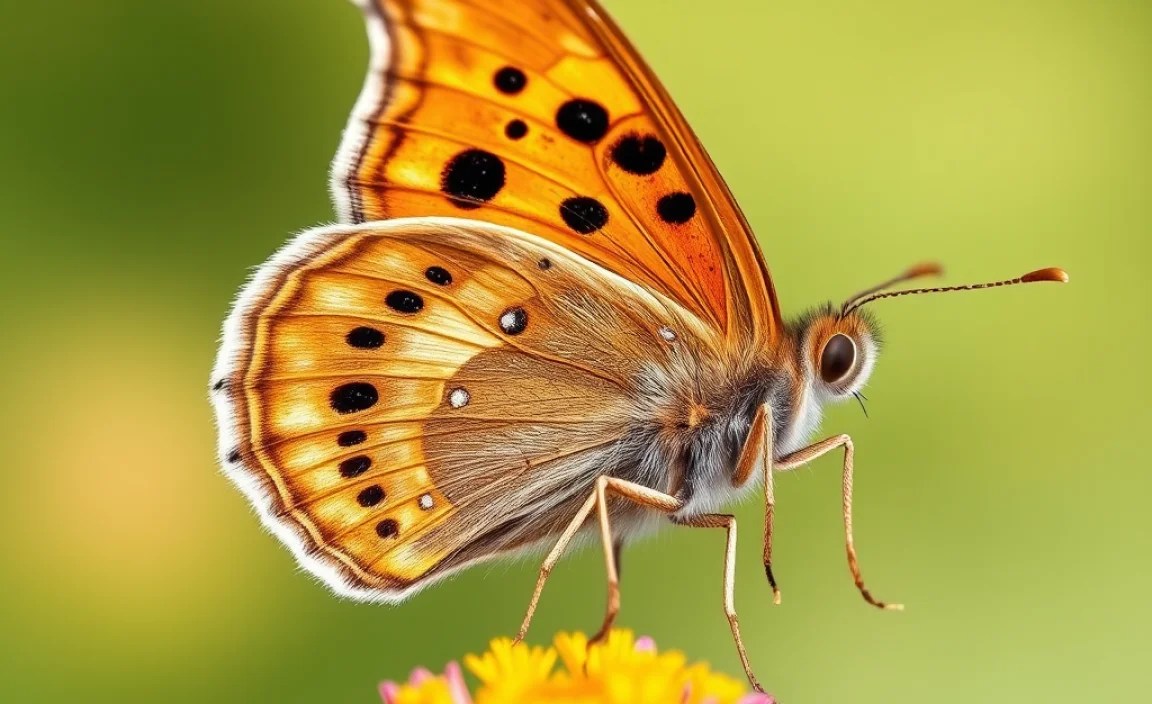
Understanding how Meadow Browns behave gives you a peek into their daily lives:
Flight Patterns
Meadow Browns have a distinctive, fluttering flight. They often fly low to the ground, searching for nectar or a mate.
Feeding Habits
Adult Meadow Browns feed on nectar from flowers. They aren’t very picky and will visit a wide range of blooms.
Favorite Nectar Sources
- Thistles (Cirsium spp.)
- Knapweeds (Centaurea spp.)
- Clovers (Trifolium spp.)
- Ragwort (Jacobaea vulgaris)
Mating Behavior
Male Meadow Browns patrol grassy areas, searching for females. When a male finds a female, he performs a courtship dance. If the female is receptive, they will mate.
Camouflage
The mottled brown underside of the Meadow Brown’s wings provides excellent camouflage. When the butterfly rests with its wings closed, it blends in perfectly with the surrounding vegetation, protecting it from predators.
Attracting Meadow Browns to Your Garden

Want to see more Meadow Browns in your garden? Here’s how:
Planting Nectar-Rich Flowers
Planting flowers that provide nectar will attract adult butterflies. Choose a variety of colors and shapes to appeal to different butterflies and insects.
Top Nectar Plants for Meadow Browns
- Lavender (Lavandula)
- Buddleia (Buddleja davidii)
- Verbena (Verbena bonariensis)
- Phlox (Phlox paniculata)
Leaving Areas of Long Grass
Meadow Browns need long grass for laying their eggs and for their caterpillars to feed on. Leave some areas of your garden uncut to provide a suitable habitat.
Avoiding Pesticides
Pesticides can harm or kill butterflies and other beneficial insects. Avoid using pesticides in your garden to protect Meadow Browns and other wildlife.
Creating a Butterfly-Friendly Habitat
In addition to providing food and shelter, consider adding other features to your garden to make it more butterfly-friendly:
- A shallow dish of water with pebbles: Butterflies need water, but they can drown in deep water. A shallow dish with pebbles provides a safe place for them to drink.
- A sunny basking spot: Butterflies need to bask in the sun to warm up. Provide a sunny spot where they can rest and warm their wings.
- Shelter from the wind: Butterflies are delicate and can be blown around by the wind. Plant shrubs or trees to provide shelter from the wind.
Conservation Status and Threats
While Meadow Browns are currently common, they still face threats:
Current Status
Meadow Browns are not currently considered threatened or endangered. However, their populations can fluctuate depending on habitat availability and climate conditions.
Threats to Meadow Brown Populations
- Habitat loss: The loss of grasslands due to development and agriculture is a major threat.
- Pesticide use: Pesticides can kill butterflies and their caterpillars.
- Climate change: Changes in temperature and rainfall patterns can affect their life cycle and distribution.
Conservation Efforts
Several organizations are working to protect butterflies and their habitats. These efforts include:
- Habitat restoration: Restoring grasslands and other butterfly habitats.
- Promoting sustainable agriculture: Encouraging farmers to use practices that are less harmful to butterflies.
- Raising awareness: Educating the public about the importance of butterflies and their conservation.
Meadow Browns in Culture and Symbolism
Butterflies often carry cultural and symbolic meaning. While the Meadow Brown may not be as prominently featured as some other species, its presence is still felt.
Symbolism
In general, butterflies are often seen as symbols of:
- Transformation
- Hope
- Rebirth
- Beauty
The Meadow Brown, with its understated beauty, might represent a quiet resilience and the beauty of the everyday.
Folklore
While specific folklore about the Meadow Brown may be scarce, butterflies in general are often associated with good luck and the souls of loved ones. In some cultures, they are believed to carry messages from the spirit world.
Frequently Asked Questions
What do Meadow Brown caterpillars eat?
Meadow Brown caterpillars primarily feed on various types of grasses, including fescues, meadow-grasses, and bents. They aren’t too picky!
How can I tell the difference between a male and female Meadow Brown?
The easiest way is to look at the upper side of the wings. Males have plain brown wings, while females have a noticeable orange patch on their forewings.
Are Meadow Browns endangered?
No, Meadow Browns are not currently endangered. However, their populations can be affected by habitat loss and pesticide use, so it’s important to protect their habitats.
What is the lifespan of a Meadow Brown butterfly?
Adult Meadow Browns typically live for a few weeks, during which they focus on feeding and reproducing. The entire life cycle, from egg to adult, takes about a year.
What is the best time of year to see Meadow Browns?
You’re most likely to see Meadow Browns flying from June to September. This is when they are most active as adults.
What kind of habitat do Meadow Browns prefer?
Meadow Browns love grasslands, meadows, and the edges of woodlands. They need grassy areas for their caterpillars to feed on.
How can I help Meadow Browns in my garden?
Plant nectar-rich flowers, leave areas of long grass, and avoid using pesticides. Providing a shallow dish of water and a sunny basking spot can also help.
Conclusion
The Meadow Brown butterfly, with its subtle beauty and widespread presence, is a delightful part of our natural world. By learning to identify them, understanding their life cycle, and creating butterfly-friendly habitats, we can all play a role in ensuring these lovely creatures continue to grace our meadows and gardens. So, next time you see a brown butterfly fluttering by, take a closer look – it might just be a Meadow Brown, bringing a touch of nature’s magic to your day. Embrace the simple joy of watching these butterflies and remember that even small actions can contribute to their conservation. Happy butterfly watching!