
Butterfly Identification in Midwest USA: Easy Guide

Do you love seeing colorful butterflies? They flutter around in gardens. They fly in parks during summertime. Have you ever wondered what kind they are? Figuring out butterfly identification in Midwest USA can be fun. It helps you learn about nature around you.
Key Takeaways
- Butterfly identification in Midwest USA relies on color, size, and markings.
- Learn host plants to find specific butterflies in their habitats.
- Use field guides or apps to help identify butterflies quickly.
- Observe butterfly behavior like flight patterns and feeding habits.
- Understanding butterfly anatomy aids in accurate identification.
Butterfly Identification in Midwest USA Basics


Identifying butterflies can seem tricky at first. There are many different kinds. But don’t worry! Anyone can learn to do it. In the Midwest, you will see many kinds of butterflies. Some are big and bright. Others are small and blend in well. The key is to look closely. Pay attention to colors, patterns, and sizes. Knowing where to look helps too. Some butterflies like open fields. Others prefer forests. Start with a simple guide. A guide will show you common butterflies in your area. With practice, butterfly identification in Midwest USA will become easier. You will start to notice small differences. These differences help you tell them apart. Soon you’ll be a butterfly expert!
- Look at the butterfly’s size.
- Notice the colors on its wings.
- Check for patterns like spots or stripes.
- See where you find the butterfly.
- Watch how the butterfly flies.
Learning about butterflies is exciting. Each butterfly has its own story. They start as tiny eggs. Then they become caterpillars. Caterpillars eat a lot and grow big. Next, they form a chrysalis. Inside, they change into a butterfly. Finally, they emerge with beautiful wings. They fly around and drink nectar. Butterflies also help plants. They carry pollen from flower to flower. This helps plants make seeds. So, butterflies are not just pretty. They are important for our environment. Butterfly identification in Midwest USA connects us to the natural world. It shows us the amazing life cycles happening all around.
Fun Fact or Stat: Butterflies use their feet to taste! They have taste receptors on their feet that help them find food.
What Makes a Butterfly Unique?
Butterflies are unique because of their wings. Butterfly wings have tiny scales. These scales give them their color. The colors can be bright and bold. They can also be dull and blend in. Some butterflies have patterns that scare away predators. Others have patterns that attract mates. The shape of the wings also matters. Some wings are round. Others are pointy. The veins on the wings are like fingerprints. No two butterflies have the same pattern. These unique features help us with butterfly identification in Midwest USA. Each butterfly species has its own special look. This helps them survive in their habitat. Learning about these differences is fascinating.
Why is Butterfly Identification Important?
Butterfly identification is important for many reasons. It helps scientists study the environment. Butterflies are sensitive to changes. If butterflies disappear, it could mean something is wrong. By knowing which butterflies live where, we can track their populations. This helps us protect their habitats. It also helps us understand how climate change affects them. Identifying butterflies also helps us learn about nature. It connects us to the world around us. We can appreciate the beauty and complexity of life. Butterfly identification in Midwest USA is a small but important part of conservation.
How Do Butterflies Help the Environment?
Butterflies play a big role in the environment. They are pollinators. This means they help plants make seeds. When they fly from flower to flower, they carry pollen. Pollen is needed for plants to reproduce. Without pollinators, many plants would die. Butterflies also serve as food for other animals. Birds, lizards, and spiders eat butterflies. They are part of the food chain. By supporting butterfly populations, we support the whole ecosystem. Butterfly identification in Midwest USA helps us understand these connections. We can see how each butterfly fits into the bigger picture. This knowledge helps us protect the environment for future generations.
Fun Fact or Stat: The Monarch butterfly migrates thousands of miles each year, from Canada and the US to Mexico!
Key Features for Midwest Butterfly Identification
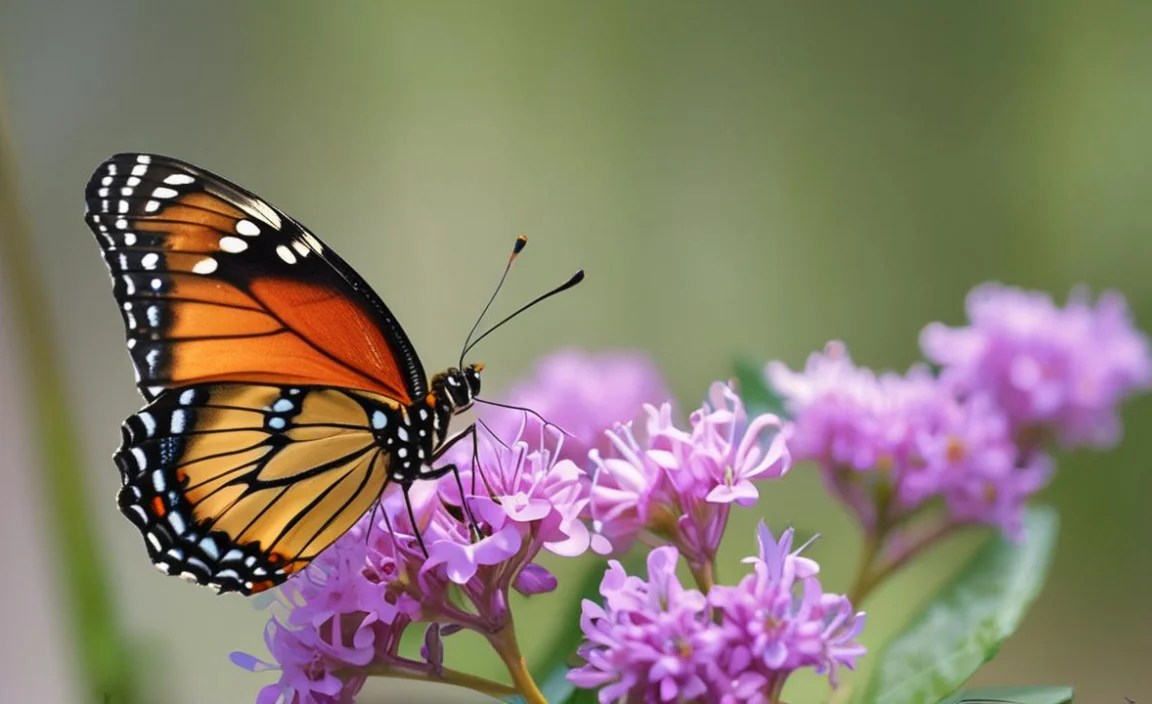
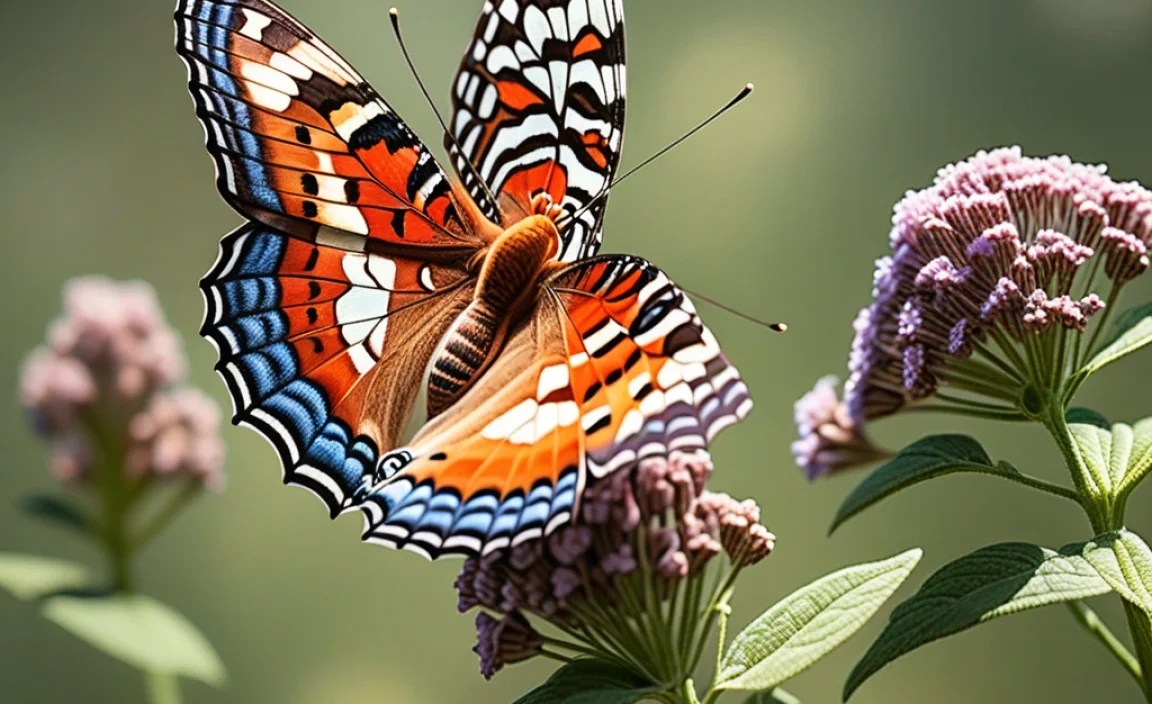
To identify butterflies, focus on key features. Start with the wing shape. Some butterflies have rounded wings. Others have pointed or angled wings. Next, look at the colors and patterns. Note the colors on the upper and lower wings. Are there spots, stripes, or bands? Also, pay attention to the size of the butterfly. Some are tiny, while others are quite large. The location where you find the butterfly matters too. Some butterflies prefer open fields. Others live in forests or near water. Host plants are a big clue. These are the plants that caterpillars eat. If you see a butterfly near its host plant, it’s a good clue. Butterfly identification in Midwest USA requires careful observation and attention to detail.
- Wing shape is a crucial identifier.
- Color patterns vary widely among species.
- Size can help narrow down the options.
- Location provides important context.
- Host plants offer clues to species.
Using a field guide is very helpful. A field guide shows pictures of different butterflies. It also describes their key features. You can compare the butterfly you see to the pictures in the guide. Field guides also include information about habitat and range. This helps you know if a butterfly is likely to be found in your area. There are also many apps for butterfly identification. You can take a picture of the butterfly. The app will suggest possible matches. Remember that no tool is perfect. Always double-check the identification with other sources. Butterfly identification in Midwest USA is a skill that improves with practice. The more you observe, the better you will become.
Fun Fact or Stat: Butterflies have two pairs of wings, but they look like one because they are closely connected.
How to Use a Butterfly Field Guide
A butterfly field guide is a great tool. It helps you identify butterflies. First, find the section for your region. Most guides are organized by location. Then, look at the pictures. Compare the butterfly you saw to the pictures in the book. Pay attention to the colors and patterns. Read the descriptions carefully. They will tell you about the butterfly’s size, habitat, and host plants. Some guides have keys. A key is a series of questions. You answer the questions to narrow down the possibilities. Start with the most obvious features. Is the butterfly big or small? What are the main colors? As you answer the questions, you will get closer to the right identification. Butterfly identification in Midwest USA becomes much easier with a good field guide.
Butterfly Wing Patterns: What to Look For
Butterfly wing patterns are very important. They help you identify different species. Look closely at the colors. Are they bright or dull? Are there spots, stripes, or bands? The arrangement of these patterns is key. Some butterflies have eyespots. These are round spots that look like eyes. They can scare away predators. Other butterflies have patterns that blend in with their surroundings. This helps them hide from danger. Note the patterns on both the upper and lower wings. Sometimes they are different. Pay attention to the edges of the wings. Are they smooth or jagged? All these details help with butterfly identification in Midwest USA. The more you notice, the easier it will be.
Understanding Butterfly Habitats
Understanding butterfly habitats is crucial. Different butterflies live in different places. Some like open fields with lots of flowers. Others prefer forests with shade. Some live near water, like ponds or streams. The type of plants in the area also matters. Butterflies need host plants for their caterpillars. If you know the host plant, you can often find the butterfly nearby. For example, Monarchs lay their eggs on milkweed. If you see milkweed, look for Monarch caterpillars or butterflies. Consider the time of year. Some butterflies are only active in certain seasons. Knowing the habitat helps narrow down the possibilities. Butterfly identification in Midwest USA relies on understanding where butterflies live.
Fun Fact or Stat: Some butterfly species can only be found in very specific habitats, making habitat conservation critical.
Common Midwest Butterflies: A Closer Look

The Midwest is home to many beautiful butterflies. The Monarch is a well-known example. It has orange wings with black lines and white spots. Another common butterfly is the Black Swallowtail. It is black with yellow spots and blue markings. The Cabbage White is a small, white butterfly. It is often seen in gardens. The Red Admiral is dark with red bands on its wings. The Painted Lady has orange, brown, and white patterns. These are just a few examples. There are many more butterflies to discover. Each has its own unique look and habitat. Learning about these common butterflies is a great start. It will build your confidence in butterfly identification in Midwest USA. You’ll soon be able to recognize them easily.
- Monarchs are famous for their migration.
- Black Swallowtails are large and striking.
- Cabbage Whites are often seen in gardens.
- Red Admirals have bold red markings.
- Painted Ladies are widespread and variable.
When you see a butterfly, take a moment to observe it. Note its size, color, and patterns. Watch how it flies. Does it flutter or glide? See what plants it visits. This can give you clues about its identity. If you have a camera, take a picture. You can use the picture to compare with field guides or apps. Don’t be afraid to make mistakes. Everyone starts somewhere. The more you practice, the better you will become. Butterfly identification in Midwest USA is a fun and rewarding hobby. It connects you to the natural world and helps you appreciate the beauty of butterflies.
Fun Fact or Stat: The Karner Blue butterfly is endangered and relies on wild lupine plants for survival in the Midwest.
Identifying the Monarch Butterfly
The Monarch butterfly is easy to recognize. It has bright orange wings with black lines. There are white spots along the edges. Monarchs are large butterflies. They are about 3-4 inches wide. They are famous for their long migration. Each year, they fly from Canada and the US to Mexico. They spend the winter in warm forests. In the spring, they return north to lay their eggs. Monarch caterpillars eat milkweed. Milkweed is a poisonous plant. The poison makes the caterpillars and butterflies taste bad to predators. This helps protect them. Butterfly identification in Midwest USA often starts with the Monarch. It is a beautiful and important butterfly.
Recognizing the Black Swallowtail
The Black Swallowtail is a striking butterfly. It is mostly black with yellow spots. The males have blue markings on their hindwings. The females have more blue and orange spots. Black Swallowtails are large butterflies. They have long tails on their hindwings. Their caterpillars eat plants in the parsley family. This includes parsley, dill, and fennel. You might find them in your garden. Black Swallowtails are common in the Midwest. They are beautiful and graceful fliers. Butterfly identification in Midwest USA includes learning to spot this butterfly.
Spotting the Cabbage White Butterfly
The Cabbage White is a small, white butterfly. It is very common in gardens and fields. The females have two black spots on their wings. The males have one or no spots. Cabbage White caterpillars eat cabbage and other leafy greens. They can be pests in gardens. These butterflies are not native to North America. They came from Europe a long time ago. They are now found all over the continent. They are simple but important. Butterfly identification in Midwest USA includes recognizing this common butterfly.
Fun Fact or Stat: Monarch butterflies are poisonous because they eat milkweed as caterpillars, which contains toxins that stay in their bodies.
Tools and Resources for Butterfly Identification
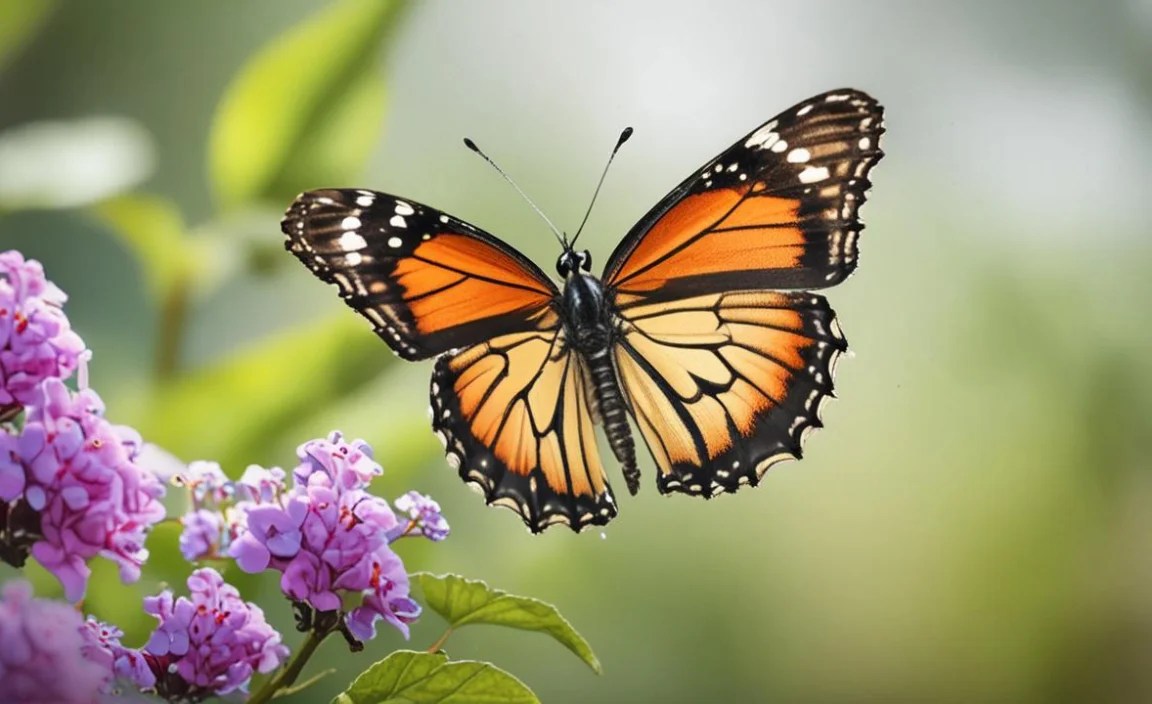
Many tools and resources can help you identify butterflies. Field guides are a great start. They show pictures and descriptions of different species. Apps are also useful. You can take a picture of a butterfly, and the app will suggest matches. Websites offer information and pictures. Butterfly clubs and organizations offer guided walks and workshops. These events help you learn from experts. Online forums let you ask questions and share pictures. Museums often have butterfly collections. These collections show different species from around the world. Don’t forget your local library. They have books and resources about butterflies. Butterfly identification in Midwest USA becomes easier with the right tools and resources.
- Field guides provide detailed information.
- Apps offer quick identification options.
- Websites have extensive butterfly databases.
- Clubs offer expert guidance and walks.
- Museums showcase diverse collections.
Choosing the right field guide is important. Look for a guide that covers your region. Make sure it has clear pictures and descriptions. Consider a guide with a key. A key helps you narrow down the possibilities. When using an app, check its accuracy. Some apps are better than others. Read reviews before downloading. Remember that no tool is perfect. Always double-check your identification with other sources. The more resources you use, the more confident you will become. Butterfly identification in Midwest USA is a journey of learning and discovery. Enjoy the process and have fun!
Fun Fact or Stat: Citizen science projects like butterfly counts rely on volunteers to gather data and track butterfly populations.
Best Butterfly Field Guides for the Midwest
Choosing the right field guide is important. A good guide will have clear pictures. It will also have detailed descriptions. Look for guides that focus on the Midwest. This will help you narrow down the possibilities. Peterson Field Guides are popular. They have been around for a long time. Kaufman Field Guides are also well-regarded. They are easy to use and have great photos. The Butterflies of Indiana is a great resource if you live in Indiana. It has information about butterflies in that state. Consider what features are important to you. Do you want lots of photos or detailed text? Butterfly identification in Midwest USA is easier with a good field guide.
Top Butterfly Identification Apps
Butterfly identification apps can be very helpful. You can take a picture of a butterfly. The app will try to identify it. iNaturalist is a popular app. It uses image recognition to identify plants and animals. It also connects you with a community of experts. Picture Insect is another option. It focuses on insects, including butterflies. It can identify butterflies from photos. Seek is an app from National Geographic. It is designed for kids. It is easy to use and fun. Remember to check the accuracy of the app. Some apps are better than others. Butterfly identification in Midwest USA can be faster with these apps.
Online Resources for Butterfly Enthusiasts
The internet is a great resource for butterfly enthusiasts. Many websites offer information and pictures. Butterflies and Moths of North America (BAMONA) is a popular site. It has a database of butterfly species. It also has distribution maps. BugGuide.Net is another useful site. It has photos and information about insects. You can ask questions in the forums. Local butterfly clubs often have websites. These sites provide information about local butterflies. They also announce events and workshops. Social media groups are also helpful. You can share pictures and ask for help with identification. Butterfly identification in Midwest USA is supported by many online resources.
Fun Fact or Stat: Many online databases and forums are run by volunteers who are passionate about butterflies and moths.
Creating a Butterfly Garden for Identification Practice
Creating a butterfly garden is a great way to practice butterfly identification in Midwest USA. A butterfly garden attracts butterflies to your yard. This gives you a chance to observe them up close. Choose plants that butterflies like. Include both nectar plants and host plants. Nectar plants provide food for adult butterflies. Host plants provide food for caterpillars. Milkweed is a host plant for Monarchs. Parsley is a host plant for Black Swallowtails. Plant flowers with different colors and shapes. This will attract a variety of butterflies. Provide a water source. A shallow dish with water and pebbles works well. Avoid using pesticides. Pesticides can harm butterflies and other insects. A butterfly garden is a beautiful and educational addition to your yard.
- Plant nectar-rich flowers for adults.
- Include host plants for caterpillars.
- Offer a shallow water source.
- Avoid using harmful pesticides.
- Create a sunny and sheltered space.
When you see a butterfly in your garden, take a moment to observe it. Note its size, color, and patterns. Watch how it flies. See what plants it visits. Use your field guide or app to identify it. Keep a journal of the butterflies you see. This will help you track your progress. Share your findings with others. Join a butterfly club or online forum. Learn from other butterfly enthusiasts. A butterfly garden is a great way to connect with nature. It also supports butterfly populations. Butterfly identification in Midwest USA becomes more enjoyable in your own garden.
Fun Fact or Stat: Butterfly gardens provide essential habitats for pollinators and help support local ecosystems.
Choosing the Right Plants for Your Garden
Choosing the right plants is important for a butterfly garden. Nectar plants provide food for adult butterflies. These plants have flowers that are rich in nectar. Some good choices include butterfly bush, coneflowers, and zinnias. Host plants provide food for caterpillars. These are the plants that caterpillars eat. Milkweed is a host plant for Monarchs. Parsley is a host plant for Black Swallowtails. Choose plants that are native to your area. Native plants are adapted to the local climate. They are also more likely to attract local butterflies. Plant a variety of plants. This will attract a wider range of butterflies. Butterfly identification in Midwest USA becomes easier when you have a diverse garden.
Providing Water and Shelter for Butterflies
Butterflies need water and shelter to survive. A shallow dish with water and pebbles is a great water source. The pebbles give butterflies a place to land. They can drink without falling in. A muddy puddle also works well. Butterflies get minerals from the mud. Shelter protects butterflies from wind and rain. Plant trees and shrubs to provide shelter. Tall grasses also offer protection. Avoid using pesticides. Pesticides can harm butterflies and other insects. A healthy garden provides everything butterflies need. Butterfly identification in Midwest USA is easier in a welcoming environment.
Attracting Specific Butterfly Species
You can attract specific butterfly species to your garden. Learn what plants they need. Plant those plants in your garden. For example, if you want to attract Monarchs, plant milkweed. Monarch caterpillars only eat milkweed. If you want to attract Black Swallowtails, plant parsley. Black Swallowtail caterpillars eat parsley. Research the butterflies in your area. Find out what their host plants are. Plant those host plants in your garden. You can also attract butterflies with nectar plants. Plant flowers that are rich in nectar. Butterflies will come to feed on the nectar. Butterfly identification in Midwest USA becomes more targeted when you attract specific species.
Fun Fact or Stat: Some butterflies are attracted to specific colors, with red, orange, and yellow being particularly enticing.
Documenting Your Butterfly Sightings
Documenting your butterfly sightings is a great way to learn. It also helps scientists track butterfly populations. Keep a journal of the butterflies you see. Note the date, time, and location. Describe the butterfly’s size, color, and patterns. Include any other interesting observations. Take pictures of the butterflies. Pictures help you remember what you saw. They also help with identification. Share your sightings with others. Join a butterfly club or online forum. Report your sightings to citizen science projects. These projects use your data to track butterfly populations. Butterfly identification in Midwest USA becomes more valuable when you document your sightings.
- Keep a detailed journal of sightings.
- Take clear photographs for reference.
- Share observations with clubs and forums.
- Report sightings to citizen science projects.
- Use data to track butterfly populations.
When you document your sightings, be as accurate as possible. Double-check your identifications. Use multiple resources to confirm your findings. If you are not sure, take a picture and ask for help. Remember that even experts make mistakes. The important thing is to keep learning. The more you observe and document, the better you will become. Butterfly identification in Midwest USA is a journey of discovery. Enjoy the process and share your knowledge with others.
Here is an example table comparing common butterflies:
| Butterfly | Size | Color | Host Plant | Habitat |
|---|---|---|---|---|
| Monarch | Large | Orange with black lines | Milkweed | Fields, gardens |
| Black Swallowtail | Large | Black with yellow spots | Parsley, dill | Gardens, meadows |
| Cabbage White | Small | White | Cabbage, broccoli | Gardens, farms |
| Red Admiral | Medium | Dark with red bands | Nettles | Woodlands, parks |
Fun Fact or Stat: Citizen science data on butterfly sightings helps researchers understand how climate change and habitat loss are affecting butterfly populations.
Creating a Butterfly Journal
A butterfly journal is a great way to document your sightings. Use a notebook or a digital document. Write down the date, time, and location of each sighting. Describe the butterfly in detail. Note its size, color, and patterns. Draw a sketch of the butterfly. Include any other interesting observations. Did you see it feeding on a flower? Was it flying quickly or slowly? Did you see it near a specific plant? These details can help with identification. A butterfly journal is a personal record of your observations. It can also be a valuable tool for learning. Butterfly identification in Midwest USA becomes more meaningful when you keep a journal.
Photographing Butterflies for Identification
Taking pictures of butterflies is helpful for identification. Use a camera or a smartphone. Get as close as you can to the butterfly. Try to get a clear picture of its wings. Capture the colors and patterns. Take pictures from different angles. This will show different features. If the butterfly is moving, take a video. You can pause the video and take screenshots. Edit your pictures to improve the quality. Crop the picture to focus on the butterfly. Adjust the brightness and contrast. Share your pictures with others. Ask for help with identification. Butterfly identification in Midwest USA is easier with good photographs.
Submitting Data to Citizen Science Projects
Citizen science projects rely on volunteers to collect data. You can submit your butterfly sightings to these projects. Butterflies and Moths of North America (BAMONA) is a popular project. You can submit your sightings online. Journey North tracks Monarch migrations. You can report your Monarch sightings. iNaturalist is a general nature app. You can submit sightings of any plant or animal. These projects use your data to track populations. They also use it to study the effects of climate change. Your observations can make a difference. Butterfly identification in Midwest USA contributes to scientific knowledge.
Fun Fact or Stat: Citizen science projects provide valuable data for researchers studying butterfly migration patterns and population trends.
Summary
Butterfly identification in Midwest USA can be a rewarding hobby. It connects you with nature and helps you learn about the environment. Start by learning the basics. Focus on key features like size, color, and patterns. Use field guides and apps to help you identify butterflies. Create a butterfly garden to attract butterflies to your yard. Document your sightings in a journal. Share your observations with others and contribute to citizen science projects. With practice and patience, you will become a skilled butterfly identifier.
Conclusion
Learning about butterflies is fun and important. You can start in your backyard. Watch butterflies and learn their names. Use guides and apps to help. Share what you learn with friends. You can help protect butterflies. Butterfly identification in Midwest USA is a great way to connect with nature. Enjoy discovering the beauty of butterflies.
Frequently Asked Questions
Question No 1: What is the best way to start learning about butterfly identification in Midwest USA?
Answer: The best way to start is by getting a good field guide. Look for one that covers the Midwest specifically. Then, begin observing butterflies in your backyard or local park. Pay attention to their size, color, and patterns. Start with common species like the Monarch or Cabbage White. As you become more familiar with these, you can move on to more challenging ones. Don’t be afraid to make mistakes. Learning takes time and practice. Joining a local butterfly club or online forum can also be very helpful. You can learn from experienced butterfly enthusiasts.
Question No 2: What are the key features to look for when identifying butterflies?
Answer: Key features include the butterfly’s size, color, wing shape, and patterns. Pay attention to the colors and patterns on both the upper and lower wings. Look for spots, stripes, or bands. Note the shape of the wings. Are they rounded or pointed? Consider the location where you found the butterfly. Some butterflies prefer open fields. Others live in forests. The host plant can also provide clues. This is the plant that the caterpillar eats. All these features can help you narrow down the possibilities and make an accurate identification.
Question No 3: Are there any apps that can help with butterfly identification in Midwest USA?
Answer: Yes, there are several apps that can help. iNaturalist is a popular app that uses image recognition to identify plants and animals, including butterflies. Picture Insect is another option that focuses specifically on insects. Seek is an app from National Geographic that is designed for kids and is easy to use. When using an app, it’s important to remember that they are not always perfect. Double-check the identification with a field guide or other reliable source. These apps can be a great starting point for butterfly identification in Midwest USA.
Question No 4: How can I attract more butterflies to my yard?
Answer: You can attract more butterflies to your yard by creating a butterfly garden. Plant nectar-rich flowers that provide food for adult butterflies. Some good choices include butterfly bush, coneflowers, and zinnias. Also, include host plants that provide food for caterpillars. For example, plant milkweed for Monarchs and parsley for Black Swallowtails. Provide a shallow dish of water with pebbles for butterflies to drink from. Avoid using pesticides, as they can harm butterflies and other beneficial insects. A sunny and sheltered location will also help attract butterflies.
Question No 5: Why is butterfly identification important?
Answer: Butterfly identification in Midwest USA and elsewhere is important for several reasons. Butterflies are indicators of environmental health. Changes in their populations can signal problems in the ecosystem. By tracking butterfly populations, scientists can monitor the health of the environment. Butterfly identification also helps us learn about biodiversity. It connects us to the natural world and allows us to appreciate the beauty and complexity of life. Furthermore, it supports conservation efforts by providing data on butterfly distribution and abundance.
Question No 6: What are some common mistakes people make when identifying butterflies?
Answer: One common mistake is not paying close enough attention to the details. It’s important to look at the size, color, patterns, and wing shape carefully. Another mistake is relying too heavily on a single source. Always double-check your identification with multiple resources. Also, be aware that butterfly colors and patterns can vary. Some butterflies have different forms depending on the season or their location. Finally, don’t be afraid to ask for help. Experienced butterfly enthusiasts can provide valuable insights and help you avoid common pitfalls in butterfly identification in Midwest USA.


