
Butterfly Diversification Timeline: The Amazing Secret

Quick Summary: Butterfly diversification occurred in distinct phases. The earliest butterflies emerged around 100 million years ago, diversifying alongside flowering plants (angiosperms) during the Cretaceous period. Major radiations took place in the Eocene and Oligocene epochs (56 to 23 million years ago), driven by climate changes and new host plant availability. These events shaped the butterfly families and species we see today.
Have you ever wondered how butterflies evolved into the diverse and beautiful creatures we see fluttering around our gardens? It’s a fascinating story that spans millions of years! Understanding the butterfly diversification timeline can feel a bit overwhelming, but don’t worry, it’s easier than you think. We’ll break it down into simple steps, exploring the key periods and events that shaped the butterfly world. By the end of this article, you’ll have a clear picture of how these delicate insects came to be so varied and widespread. Let’s dive in and uncover the secrets of butterfly evolution!
Understanding the Butterfly Diversification Timeline
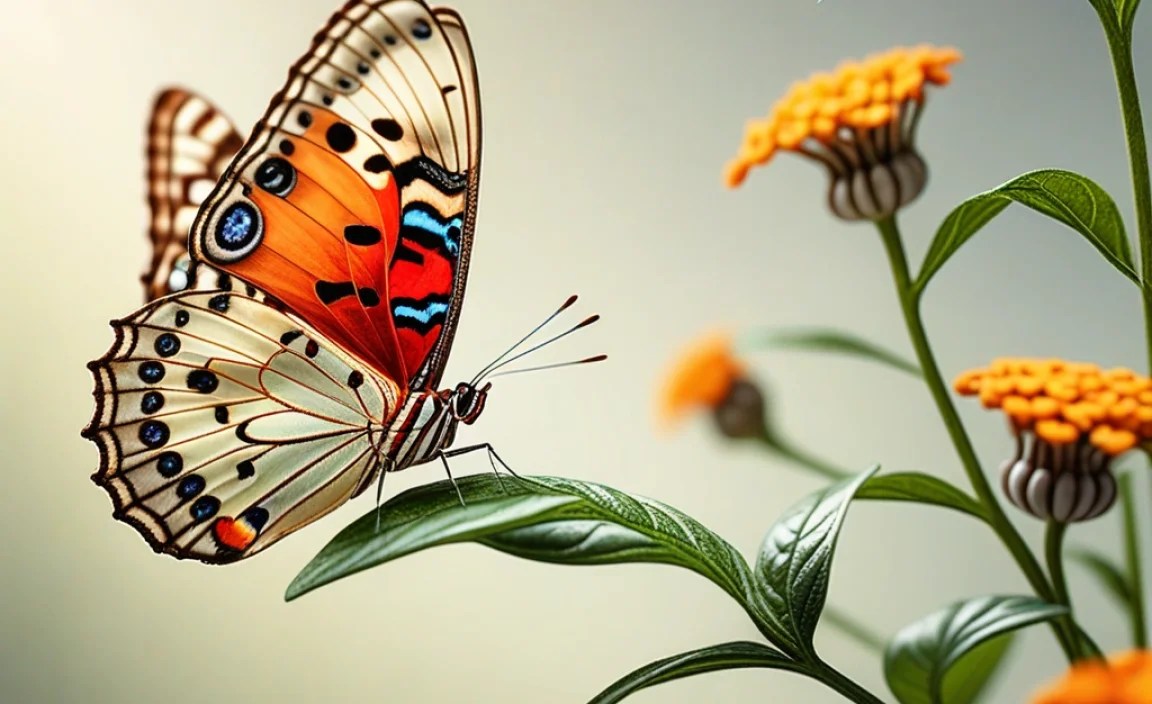
The diversification of butterflies is a complex process that spans millions of years, closely linked to the evolution of flowering plants and changes in global climate. Understanding this timeline provides valuable insights into the origins of butterfly families and their ecological relationships. Let’s explore the major milestones in butterfly evolution.
Early Origins (Cretaceous Period: 145 to 66 Million Years Ago)
The earliest butterfly fossils date back to the Cretaceous period, a time when dinosaurs still roamed the Earth and flowering plants were beginning to diversify. These ancient butterflies were likely quite different from the species we see today.
- First Butterflies Emerge: Fossil evidence suggests that the first butterflies appeared around 100 million years ago. These early butterflies were likely small and inconspicuous.
- Co-evolution with Flowering Plants: The rise of angiosperms (flowering plants) played a crucial role in butterfly evolution. Butterflies began to feed on nectar and lay their eggs on flowering plants, driving the co-evolution of both groups.
- Limited Fossil Record: The early fossil record of butterflies is sparse, making it challenging to reconstruct their exact evolutionary history during this period.
The Paleogene Period (66 to 23 Million Years Ago)
The Paleogene period, which includes the Paleocene, Eocene, and Oligocene epochs, saw significant diversification of butterflies. Climate changes and the continued evolution of flowering plants fueled this radiation.
Paleocene Epoch (66 to 56 Million Years Ago)
The Paleocene epoch followed the extinction of the dinosaurs and marked a period of recovery and diversification for many plant and animal groups.
- Recovery from Extinction: Butterflies, like other insect groups, recovered from the Cretaceous-Paleogene extinction event.
- Early Diversification: Some early butterfly lineages began to diversify, adapting to new ecological niches.
Eocene Epoch (56 to 34 Million Years Ago)
The Eocene epoch was a time of warm global temperatures and lush vegetation, which favored the diversification of butterflies.
- Major Radiation: Butterfly families such as the Nymphalidae (brush-footed butterflies) and Lycaenidae (gossamer-winged butterflies) underwent significant radiation during this period.
- Host Plant Specialization: Butterflies evolved specialized relationships with different host plants, leading to increased diversity.
- Fossil Evidence: Eocene fossils provide more detailed insights into butterfly morphology and evolution.
Oligocene Epoch (34 to 23 Million Years Ago)
The Oligocene epoch saw a cooling trend in global temperatures, which influenced butterfly distribution and evolution.
- Climate Change Impact: Cooling temperatures led to shifts in vegetation patterns, affecting butterfly habitats.
- Continued Diversification: Despite the cooling trend, butterflies continued to diversify, with new species and genera emerging.
- Evolution of New Traits: Some butterfly lineages evolved new traits, such as improved flight capabilities or camouflage, to adapt to changing environments.
Neogene Period (23 to 2.6 Million Years Ago)
The Neogene period, encompassing the Miocene and Pliocene epochs, saw further diversification and adaptation of butterflies to various habitats.
Miocene Epoch (23 to 5.3 Million Years Ago)
The Miocene epoch was characterized by the expansion of grasslands and the evolution of new plant communities.
- Adaptation to Grasslands: Some butterfly species adapted to grassland habitats, feeding on grasses and other herbaceous plants.
- Geographic Expansion: Butterflies expanded their geographic ranges, colonizing new regions as climates and habitats changed.
- Evolution of Migratory Behavior: The Monarch butterfly (Danaus plexippus) likely evolved its migratory behavior during this period, in response to seasonal changes in resource availability. You can learn more about monarch migration from organizations like Monarch Watch.
Pliocene Epoch (5.3 to 2.6 Million Years Ago)
The Pliocene epoch saw further cooling and drying of the climate, leading to the formation of modern biomes.
- Formation of Modern Biomes: Butterfly communities adapted to the formation of forests, grasslands, and deserts.
- Increased Specialization: Butterflies became increasingly specialized in their host plant preferences and habitat requirements.
Quaternary Period (2.6 Million Years Ago to Present)
The Quaternary period, which includes the Pleistocene and Holocene epochs, is marked by repeated glacial cycles and significant changes in butterfly distribution and abundance.
Pleistocene Epoch (2.6 Million to 11,700 Years Ago)
The Pleistocene epoch, often referred to as the Ice Age, saw repeated advances and retreats of glaciers, which dramatically altered butterfly habitats.
- Glacial Cycles: Glacial cycles caused significant shifts in butterfly distribution, with species retreating to warmer regions during glacial periods and expanding their ranges during interglacial periods.
- Genetic Bottlenecks: Some butterfly populations experienced genetic bottlenecks due to habitat loss and fragmentation.
Holocene Epoch (11,700 Years Ago to Present)
The Holocene epoch is the current interglacial period, characterized by relatively stable climate conditions and the expansion of human populations.
- Human Impact: Human activities, such as habitat destruction, agriculture, and climate change, have had a significant impact on butterfly populations.
- Conservation Challenges: Many butterfly species are now threatened or endangered due to habitat loss and other human-related factors. Conservation efforts are crucial to protect butterfly diversity. You can support butterfly conservation through organizations like the Xerces Society.
- Ongoing Evolution: Butterflies continue to evolve and adapt to changing environments, with new species and subspecies emerging.
Key Factors Driving Butterfly Diversification
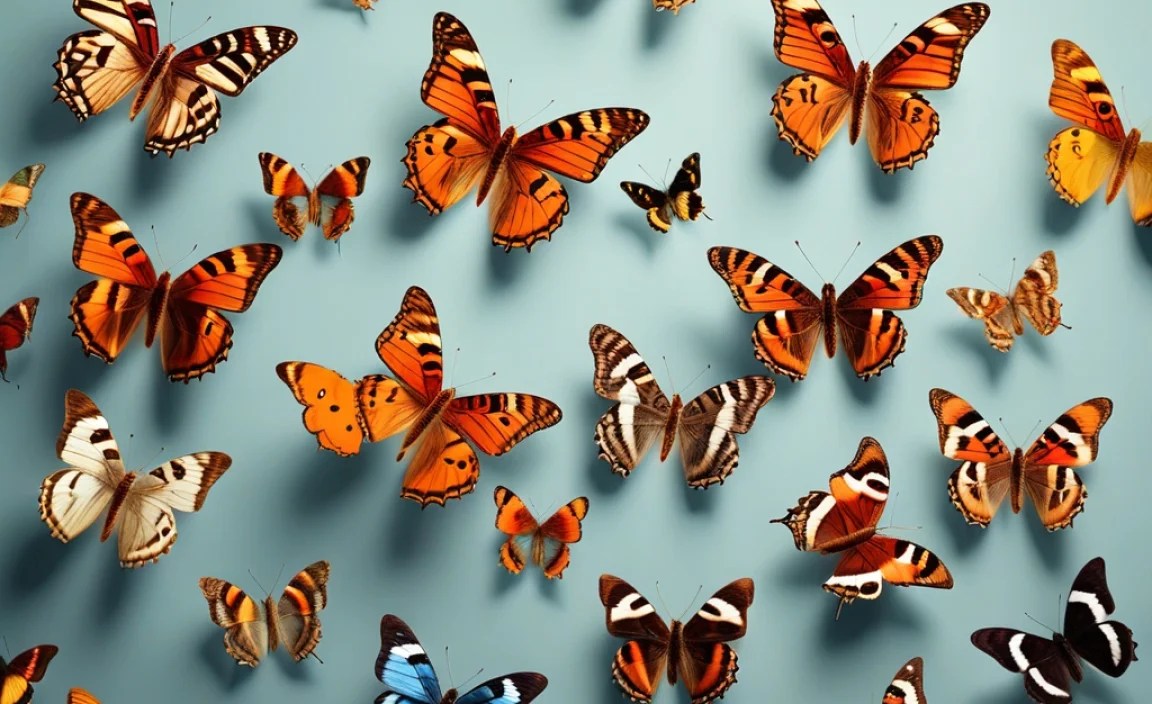
Several factors have played a crucial role in the diversification of butterflies over millions of years.
- Co-evolution with Flowering Plants: The mutualistic relationship between butterflies and flowering plants has been a major driver of diversification. Butterflies rely on flowering plants for nectar and as host plants for their larvae, while flowering plants rely on butterflies for pollination.
- Climate Change: Climate changes, such as warming and cooling trends, have influenced butterfly distribution and evolution. Butterflies have adapted to different climates by evolving new traits and shifting their geographic ranges.
- Habitat Availability: The availability of suitable habitats, such as forests, grasslands, and wetlands, has also played a crucial role in butterfly diversification. Butterflies have diversified to occupy different habitats, each with its unique ecological conditions.
- Genetic Variation: Genetic variation within butterfly populations allows them to adapt to changing environments and evolve new traits. Genetic mutations and gene flow between populations contribute to genetic variation.
Butterfly Families and Their Origins

Understanding the origins of different butterfly families provides insights into their evolutionary relationships and ecological roles. Here’s a brief overview of some major butterfly families and their approximate times of origin:
| Family | Common Name | Approximate Time of Origin | Characteristics |
|---|---|---|---|
| Nymphalidae | Brush-footed Butterflies | Eocene (56 to 34 Million Years Ago) | Reduced forelegs, diverse wing patterns, many migratory species. |
| Lycaenidae | Gossamer-winged Butterflies | Eocene (56 to 34 Million Years Ago) | Small size, often brightly colored, mutualistic relationships with ants. |
| Pieridae | Whites and Yellows | Oligocene (34 to 23 Million Years Ago) | White or yellow wings, often with black markings, larvae feed on cruciferous plants. |
| Papilionidae | Swallowtails | Cretaceous (100 Million Years Ago) | Large size, often with tail-like extensions on hindwings, larvae feed on a variety of plants. |
| Hesperiidae | Skippers | Eocene (56 to 34 Million Years Ago) | Stout body, hooked antennae, rapid flight, larvae feed on grasses and sedges. |
Methods for Studying Butterfly Evolution
Scientists use a variety of methods to study butterfly evolution and reconstruct their diversification timeline.
- Fossil Analysis: Fossil butterflies provide direct evidence of their morphology and distribution in the past. Scientists analyze butterfly fossils to determine their age, identify their taxonomic relationships, and reconstruct their evolutionary history.
- Molecular Phylogenetics: Molecular phylogenetics uses DNA sequences to reconstruct the evolutionary relationships between butterfly species and families. By comparing DNA sequences, scientists can estimate the time of divergence between different butterfly lineages and identify the genes that have played a role in their diversification.
- Comparative Morphology: Comparative morphology involves comparing the physical characteristics of different butterfly species to identify similarities and differences. This information can be used to reconstruct their evolutionary relationships and understand how they have adapted to different environments.
- Ecological Studies: Ecological studies examine the interactions between butterflies and their environment, including their host plants, predators, and competitors. This information can be used to understand how ecological factors have influenced butterfly diversification.
The Future of Butterfly Diversification
The future of butterfly diversification is uncertain, as butterflies face numerous challenges in the face of human-induced environmental changes.
- Climate Change: Climate change is altering butterfly habitats and disrupting their life cycles. Rising temperatures, changes in precipitation patterns, and increased frequency of extreme weather events can all negatively impact butterfly populations.
- Habitat Loss: Habitat loss due to deforestation, agriculture, and urbanization is a major threat to butterfly diversity. As butterfly habitats are destroyed, butterfly populations decline and become more fragmented.
- Pollution: Pollution from pesticides, herbicides, and other chemicals can harm butterflies and their host plants. Pesticides can directly kill butterflies, while herbicides can reduce the availability of host plants.
- Conservation Efforts: Conservation efforts, such as habitat restoration, captive breeding programs, and public education, are crucial to protect butterfly diversity. By protecting and restoring butterfly habitats, reducing pollution, and raising awareness about the importance of butterflies, we can help ensure their survival for future generations.
How to Support Butterfly Conservation
You can play a crucial role in supporting butterfly conservation efforts. Here are some practical steps you can take:
- Plant Native Host Plants: Planting native host plants in your garden provides food and shelter for butterfly larvae. Choose plants that are native to your region and that are known to attract butterflies.
- Provide Nectar Sources: Planting nectar-rich flowers provides food for adult butterflies. Choose flowers that bloom at different times of the year to provide a continuous source of nectar.
- Avoid Pesticides: Avoid using pesticides in your garden, as they can harm butterflies and other beneficial insects. Consider using organic gardening methods instead.
- Create a Butterfly Garden: Create a butterfly garden by providing a variety of host plants, nectar sources, and shelter. A butterfly garden can provide a haven for butterflies in your backyard.
- Support Conservation Organizations: Support butterfly conservation organizations by donating your time or money. These organizations work to protect butterfly habitats, conduct research, and educate the public about the importance of butterflies.
- Educate Others: Educate others about the importance of butterflies and the threats they face. Share your knowledge with friends, family, and neighbors, and encourage them to take action to protect butterflies.
FAQ About Butterfly Diversification
Here are some frequently asked questions about butterfly diversification:
- When did butterflies first appear?
- Butterflies first appeared around 100 million years ago during the Cretaceous period.
- What is co-evolution?
- Co-evolution is the process where two or more species influence each other’s evolution. Butterflies and flowering plants have co-evolved, with butterflies relying on plants for food and plants relying on butterflies for pollination.
- What are the major butterfly families?
- Major butterfly families include Nymphalidae (brush-footed butterflies), Lycaenidae (gossamer-winged butterflies), Pieridae (whites and yellows), Papilionidae (swallowtails), and Hesperiidae (skippers).
- How does climate change affect butterflies?
- Climate change can alter butterfly habitats, disrupt their life cycles, and shift their geographic ranges. Rising temperatures and changes in precipitation patterns can negatively impact butterfly populations.
- What can I do to help butterflies?
- You can help butterflies by planting native host plants and nectar sources, avoiding pesticides, creating a butterfly garden, and supporting conservation organizations.
- Why are butterfly fossils rare?
- Butterfly fossils are rare because their delicate bodies are not easily preserved. Fossilization requires specific conditions, and butterflies are often found in amber or sedimentary rock.
- What is molecular phylogenetics?
- Molecular phylogenetics is a method used to reconstruct the evolutionary relationships between species by analyzing their DNA sequences. This helps scientists understand how different butterfly lineages are related and when they diverged.
Conclusion
The butterfly diversification timeline is a remarkable story of adaptation, co-evolution, and resilience. From their humble beginnings in the Cretaceous period to their present-day diversity, butterflies have navigated countless challenges and opportunities. By understanding the factors that have shaped their evolution, we can better appreciate the beauty and ecological importance of these delicate creatures. As stewards of the environment, it’s our responsibility to protect butterfly habitats, support conservation efforts, and ensure that future generations can marvel at the sight of these winged wonders fluttering in our gardens. Let’s continue to learn, appreciate, and conserve these invaluable members of our planet’s biodiversity.


