
Rare Butterflies in Amazon: A Powerful, Colorful Secret

Have you ever heard of a place full of secrets? The Amazon rainforest is one of them. It holds many amazing animals and plants. Some of these are very hard to find. Today, we will talk about something truly special. We will explore the rare butterflies in Amazon.
Imagine butterflies with colors you have never seen. Think of patterns so unique they seem like magic. These rare butterflies in Amazon are real. They live hidden in the deep green forests. Let’s discover their world together.
Did you know that some butterflies taste with their feet? Or that they can only see red, green, and yellow? The Amazon is home to butterflies with incredible abilities. Some are so rare that scientists are still learning about them. It’s an exciting journey into a colorful world.
Key Takeaways
- The Amazon rainforest is home to many rare butterflies with unique colors and patterns.
- Many rare butterflies in Amazon are endangered due to habitat loss and climate change.
- Scientists study these butterflies to understand biodiversity and the health of the rainforest.
- Certain butterflies have unique adaptations, like tasting with their feet or specific color vision.
- Protecting the Amazon rainforest is crucial for the survival of these rare butterfly species.
Discovering Rare Butterflies in Amazon
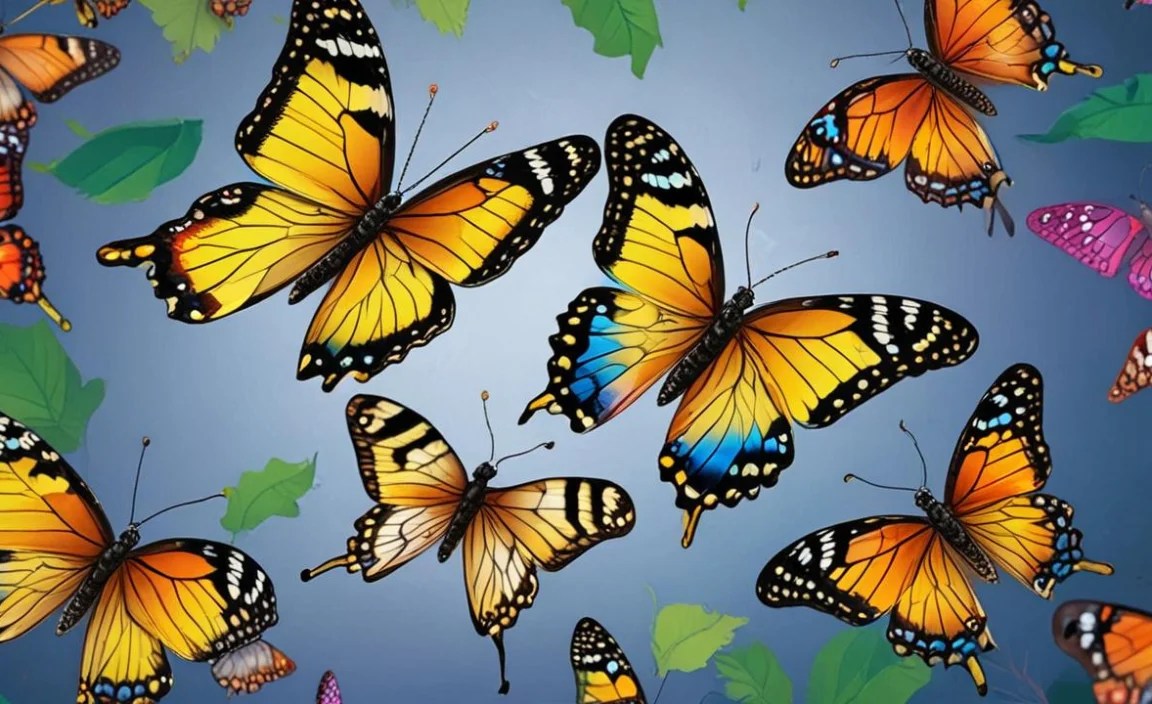
The Amazon rainforest is a vast and mysterious place. It is filled with countless species of plants and animals. Among them are some of the most rare butterflies in Amazon. These butterflies are not just beautiful. They are also important parts of the ecosystem. They help pollinate plants and serve as food for other animals. The rare butterflies in Amazon are often found in specific areas. They need particular plants to survive. These plants provide food for the caterpillars. They also offer shelter from predators and the weather. Finding these butterflies can be like searching for hidden treasure. Scientists and explorers spend years studying them. They want to understand their lives and how to protect them. These butterflies face many threats. Deforestation, climate change, and pollution all put them at risk. Learning about them is the first step to saving them. Protecting their home is vital for their survival.
- Butterflies pollinate many plants in the Amazon.
- Caterpillars need specific plants to eat.
- Scientists study butterflies to learn about the ecosystem.
- Deforestation threatens butterfly habitats.
- Climate change can affect butterfly populations.
The beauty of the rare butterflies in Amazon is truly captivating. Their wings shimmer with iridescent colors. Some have patterns that look like eyes. This helps them scare away predators. Others blend in perfectly with the leaves and flowers around them. Each species has its own unique story. The rare butterflies in Amazon are indicators of the forest’s health. When butterfly populations decline, it can signal problems in the environment. This could mean pollution, habitat loss, or other dangers. Protecting these fragile creatures is a way to protect the entire rainforest. It is a reminder of the importance of conservation. We can all play a part in helping these butterflies survive. By supporting sustainable practices and raising awareness, we can make a difference.
Fun Fact or Stat: Some Amazonian butterflies migrate thousands of miles each year, following the blooming seasons!
What Makes Amazon Butterflies Special?
Have you ever wondered what makes a butterfly special? In the Amazon, it’s their incredible adaptations. These butterflies have evolved over millions of years. They developed unique ways to survive. Some have evolved to mimic other insects. This helps them avoid predators. Others have bright colors that warn predators they are poisonous. The rare butterflies in Amazon show amazing diversity. Each species has its own role to play in the ecosystem. Their survival depends on the health of the rainforest. When the forest is damaged, they suffer. Protecting these butterflies means protecting the entire rainforest. This includes the plants, animals, and people who depend on it. We must work together to conserve this precious habitat. This will ensure that future generations can enjoy these amazing creatures.
How Do Butterflies Adapt to the Amazon?
Imagine living in a place as hot and humid as the Amazon. Butterflies have to adapt to this environment. They must find ways to stay cool and hydrated. Some butterflies have special scales on their wings. These scales reflect sunlight and keep them from overheating. Others drink nectar from flowers. This helps them stay hydrated. The rare butterflies in Amazon have also adapted to the rainforest’s many dangers. They must avoid predators like birds, monkeys, and spiders. Some butterflies have camouflage that helps them blend in. Others have bright colors that warn predators to stay away. Their adaptations are a testament to the power of evolution. They show how animals can adapt to even the most challenging environments. Protecting the rainforest is crucial for these adaptations to continue.
Why Are Some Butterflies So Rare?
Why are some butterflies so hard to find? The rare butterflies in Amazon face many threats. Deforestation is one of the biggest. When trees are cut down, butterflies lose their habitat. They also lose the plants they need to survive. Climate change is another threat. As the climate changes, the rainforest becomes drier. This can make it harder for butterflies to find food and water. Pollution also harms butterflies. Pesticides and other chemicals can poison them. The rare butterflies in Amazon are also vulnerable because they are often specialized. They may only live in a small area or eat one type of plant. This makes them more susceptible to extinction. Protecting these butterflies requires a multifaceted approach. We must stop deforestation, reduce pollution, and combat climate change.
The Importance of Amazon Butterfly Habitats

The Amazon rainforest is more than just a collection of trees. It is a complex web of life. Every plant and animal plays a role. The rare butterflies in Amazon are an important part of this web. They help pollinate plants, which is essential for the forest’s health. They also serve as food for other animals, like birds and lizards. Butterfly habitats are areas where these butterflies live and breed. These habitats often contain specific plants that the caterpillars need to eat. They also provide shelter from predators and the weather. Protecting these habitats is crucial for the survival of the butterflies. When habitats are destroyed, butterflies lose their homes and food sources. This can lead to population declines and even extinction. We must work to conserve these habitats. This will ensure that the butterflies can continue to thrive. The rare butterflies in Amazon need our help.
- Butterflies help pollinate plants.
- Butterfly habitats provide food and shelter.
- Habitat destruction threatens butterflies.
- Conservation efforts protect butterfly habitats.
- Butterflies are important for the ecosystem.
The Amazon rainforest is a biodiversity hotspot. This means it has a high concentration of different species. Many of these species are found nowhere else on Earth. The rare butterflies in Amazon are a prime example of this biodiversity. They come in a wide variety of colors, shapes, and sizes. Some are tiny, while others are as big as your hand. Each species has its own unique role to play in the ecosystem. Protecting butterfly habitats helps to preserve this biodiversity. It also helps to protect the other plants and animals that live in the rainforest. The rare butterflies in Amazon are a valuable part of our planet’s natural heritage. We must do everything we can to ensure their survival. This will benefit not only the butterflies but also the entire planet.
Fun Fact or Stat: The Amazon rainforest contains over 40,000 plant species, many of which are vital for butterfly survival!
Why Protect Butterfly Habitats?
Why is it so important to protect butterfly habitats? The answer is simple: butterflies are essential for the health of the Amazon rainforest. They pollinate plants, which helps them reproduce. They also serve as food for other animals. When butterfly habitats are destroyed, the entire ecosystem suffers. Plants may not be able to reproduce. Animals may lose their food source. The rare butterflies in Amazon are particularly vulnerable. They often have specific habitat requirements. This means they can only survive in certain areas. When these areas are destroyed, the butterflies have nowhere else to go. Protecting butterfly habitats is a way to protect the entire rainforest. It is a way to ensure that the ecosystem remains healthy and vibrant.
What Are the Threats to Butterfly Habitats?
The rare butterflies in Amazon face many threats. Deforestation is one of the biggest. When trees are cut down, butterflies lose their habitat. They also lose the plants they need to survive. Agriculture is another threat. When forests are cleared for farming, butterfly habitats are destroyed. Pesticides and other chemicals used in agriculture can also harm butterflies. Climate change is also a threat. As the climate changes, the rainforest becomes drier. This can make it harder for butterflies to find food and water. Pollution can also harm butterflies. Protecting butterfly habitats requires addressing these threats. We must stop deforestation, promote sustainable agriculture, and combat climate change.
How Can We Protect Butterfly Habitats?
Protecting butterfly habitats is a complex challenge. It requires a multifaceted approach. One important step is to stop deforestation. This can be done by promoting sustainable forestry practices. Another step is to promote sustainable agriculture. This means using farming methods that do not harm the environment. We can also combat climate change by reducing our carbon emissions. This can be done by using renewable energy sources. We can also reduce pollution by using fewer chemicals. The rare butterflies in Amazon need our help. By working together, we can protect their habitats and ensure their survival. Every action, no matter how small, can make a difference.
The Colorful World of Amazon Butterfly Species

The Amazon rainforest is home to an astonishing variety of butterfly species. Each one is unique in its own way. Some are brightly colored, with wings that shimmer in the sunlight. Others are camouflaged, blending in perfectly with the leaves and flowers around them. The rare butterflies in Amazon are particularly fascinating. They often have unusual patterns or behaviors. Some are only found in very small areas. Others migrate long distances. Learning about these different species is like taking a journey into a colorful world. The rare butterflies in Amazon show the beauty and diversity of the rainforest. They are a reminder of the importance of protecting this precious ecosystem. Every species has its own role to play. Their survival depends on the health of the rainforest.
- Amazon butterflies have diverse colors and patterns.
- Some butterflies are brightly colored.
- Others are camouflaged.
- Some butterflies migrate long distances.
- Each species has a unique role in the ecosystem.
The colors of Amazon butterflies are truly amazing. Some have iridescent wings that shimmer with all the colors of the rainbow. Others have bold patterns that warn predators to stay away. The colors are created by tiny scales on the butterflies’ wings. These scales reflect light in different ways. The rare butterflies in Amazon often have the most striking colors. This is because they have evolved to attract mates or to deter predators. The colors of butterflies are not just beautiful. They also serve an important purpose. They help butterflies survive in the rainforest. The rare butterflies in Amazon are a testament to the power of evolution. Their colors are a reminder of the beauty and diversity of nature.
Fun Fact or Stat: The Blue Morpho butterfly’s wings shimmer with iridescent blue, but the underside is brown to camouflage when its wings are closed!
What Are Some Common Butterfly Colors?
What colors come to mind when you think of butterflies? Many Amazon butterflies are brightly colored. They show off vibrant reds, yellows, and blues. These colors help them attract mates. They also warn predators that they are poisonous. Some butterflies are brown or gray. These colors help them camouflage. They blend in with the leaves and bark. This makes it harder for predators to see them. The rare butterflies in Amazon often have unique color combinations. They may have spots, stripes, or other patterns. These patterns help them stand out. They also help them blend in with their surroundings. The colors of butterflies are a fascinating example of adaptation.
How Do Butterflies Get Their Colors?
Have you ever wondered how butterflies get their colors? The answer lies in their wings. Butterfly wings are covered in tiny scales. These scales are like tiny tiles. They reflect light in different ways. Some scales contain pigments. Pigments are substances that absorb certain colors of light. Other scales reflect light without absorbing any colors. The combination of pigments and light reflection creates the colors we see. The rare butterflies in Amazon often have complex wing structures. These structures enhance the colors. They make the butterflies even more beautiful. The process of creating butterfly colors is a marvel of nature.
Why Are Butterfly Colors Important?
Why do butterflies need colors? Colors serve many purposes for butterflies. They help them attract mates. Male butterflies often have bright colors. This helps them attract female butterflies. Colors also help butterflies warn predators. Some butterflies are poisonous. They have bright colors that warn predators to stay away. Colors also help butterflies camouflage. Some butterflies blend in with their surroundings. This makes it harder for predators to see them. The rare butterflies in Amazon use colors in many different ways. Their colors are essential for their survival. Colors are a vital part of their lives.
Threats to Rare Butterflies in Amazon

The rare butterflies in Amazon face many serious threats. These threats endanger their survival. Deforestation is one of the most significant dangers. When forests are cleared, butterflies lose their habitat. They also lose the plants they need for food. Climate change is another major threat. As the climate changes, the Amazon rainforest becomes drier. This makes it harder for butterflies to find water and food. Pollution also harms butterflies. Pesticides and other chemicals can poison them. Illegal collecting is another threat. Some people collect rare butterflies for their own collections. This can decimate butterfly populations. Protecting these butterflies requires addressing these threats. We must stop deforestation, combat climate change, and reduce pollution.
- Deforestation destroys butterfly habitats.
- Climate change dries the rainforest.
- Pollution poisons butterflies.
- Illegal collecting harms populations.
- These threats endanger butterfly survival.
The Amazon rainforest is a vital ecosystem. It plays a crucial role in regulating the global climate. It also provides habitat for countless species of plants and animals. The rare butterflies in Amazon are an important part of this ecosystem. They help pollinate plants and serve as food for other animals. When these butterflies are threatened, the entire ecosystem is at risk. Protecting these butterflies is a way to protect the rainforest. It is a way to ensure that the ecosystem remains healthy and vibrant. The rare butterflies in Amazon are a valuable part of our planet’s natural heritage. We must do everything we can to ensure their survival. This will benefit not only the butterflies but also the entire planet.
Fun Fact or Stat: The Amazon rainforest is losing an area of forest the size of a football field every minute due to deforestation!
What is Deforestation?
Deforestation is the clearing of forests for other uses. This can include agriculture, logging, and mining. Deforestation is a major threat to the Amazon rainforest. It destroys the habitat of many plants and animals. The rare butterflies in Amazon are particularly vulnerable to deforestation. They often have specific habitat requirements. This means they can only survive in certain areas. When these areas are destroyed, the butterflies have nowhere else to go. Deforestation also contributes to climate change. Trees absorb carbon dioxide from the atmosphere. When trees are cut down, this carbon dioxide is released. This contributes to global warming.
How Does Climate Change Affect Butterflies?
Climate change is a major threat to the rare butterflies in Amazon. As the climate changes, the Amazon rainforest becomes drier. This makes it harder for butterflies to find water and food. Climate change can also disrupt butterfly life cycles. Butterflies may emerge from their pupae too early or too late. This can make it harder for them to find mates or food. Climate change can also lead to more extreme weather events. These events can destroy butterfly habitats. Protecting butterflies requires addressing climate change. We must reduce our carbon emissions. We must also protect and restore forests. This will help to mitigate the effects of climate change.
What Can Be Done About Pollution?
Pollution is another major threat to the rare butterflies in Amazon. Pesticides and other chemicals can poison butterflies. Pollution can also damage butterfly habitats. Protecting butterflies requires reducing pollution. We can do this by using fewer chemicals. We can also support sustainable agriculture. This means using farming methods that do not harm the environment. We can also clean up polluted areas. This will help to restore butterfly habitats. Every action, no matter how small, can make a difference. Working together, we can reduce pollution and protect the rare butterflies in Amazon. We can create a healthier environment for all.
Conservation Efforts for Amazon Butterflies
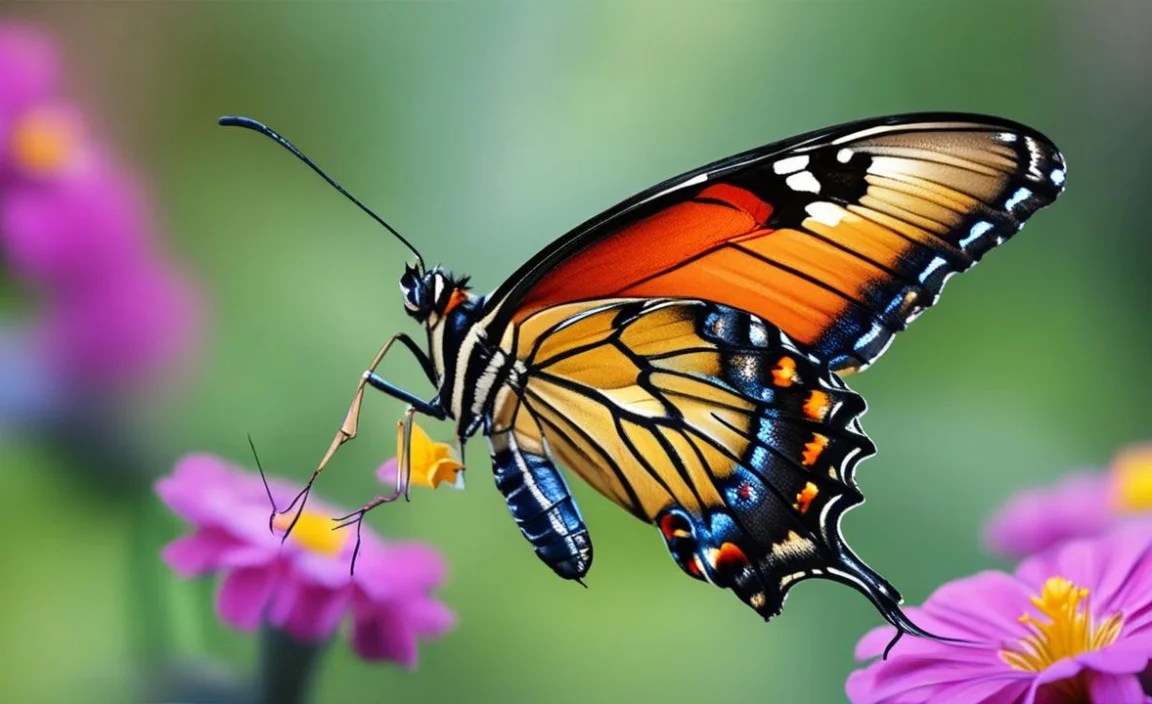
Many people are working to protect the rare butterflies in Amazon. These conservation efforts are vital for their survival. Some organizations are working to protect butterfly habitats. They are creating protected areas. They are also working to restore degraded habitats. Other organizations are working to educate people about butterflies. They are teaching people about the importance of butterflies. They are also teaching people how to protect butterflies. Scientists are also studying butterflies. They are learning about their life cycles. They are also learning about the threats they face. This information is used to develop conservation strategies. The rare butterflies in Amazon need our help. By supporting these conservation efforts, we can make a difference.
- Organizations protect butterfly habitats.
- They create protected areas.
- They restore degraded habitats.
- People educate about butterflies.
- Scientists study butterfly life cycles.
There are many ways to get involved in butterfly conservation. You can donate to organizations that are working to protect butterflies. You can also volunteer your time. You can help to restore butterfly habitats. You can also educate others about butterflies. You can also make changes in your own life. You can use fewer chemicals. You can also support sustainable products. Every action, no matter how small, can make a difference. The rare butterflies in Amazon need our help. By working together, we can ensure their survival. We can create a brighter future for butterflies and for the planet.
Fun Fact or Stat: Butterfly gardens and sanctuaries are becoming increasingly popular as a way to support local butterfly populations!
What Are Protected Areas?
Protected areas are areas of land or water that are set aside for conservation. These areas are managed to protect their natural resources. Protected areas can be national parks, wildlife refuges, or other types of reserves. Protected areas are important for protecting butterfly habitats. They provide a safe haven for butterflies. They also help to protect the plants that butterflies need for food. Protected areas are a vital tool for conserving the rare butterflies in Amazon. They help to ensure that these butterflies have a place to live and thrive. Supporting protected areas is a way to support butterfly conservation.
How Does Education Help?
Education is a powerful tool for butterfly conservation. When people learn about butterflies, they are more likely to care about them. They are also more likely to take action to protect them. Education can take many forms. It can include school programs, museum exhibits, and community events. Education can also be done through social media. The goal of education is to raise awareness about butterflies. It is also to teach people how to protect butterflies. Education is an essential part of any butterfly conservation strategy. It helps to create a culture of conservation. This is essential for the long-term survival of the rare butterflies in Amazon.
How Can Scientists Help?
Scientists play a crucial role in butterfly conservation. They study butterflies to learn about their life cycles. They also study the threats that butterflies face. This information is used to develop conservation strategies. Scientists also monitor butterfly populations. This helps them to track the effectiveness of conservation efforts. Scientists also work to restore butterfly habitats. They plant native plants. They also remove invasive species. The work of scientists is essential for the success of butterfly conservation efforts. The rare butterflies in Amazon depend on the expertise of scientists. Their research helps to protect these amazing creatures.
How to Support Amazon Butterfly Conservation
Supporting the conservation of rare butterflies in Amazon is something everyone can do. Even small actions can make a big difference. One way to help is by donating to conservation organizations. These groups work to protect butterfly habitats. They also conduct research and educate the public. Another way to help is by supporting sustainable products. Choose products that are made in a way that doesn’t harm the environment. You can also reduce your carbon footprint. This helps to combat climate change, which threatens butterflies. Educate yourself and others about the importance of butterfly conservation. Spread the word and encourage others to take action. The rare butterflies in Amazon need our support. By working together, we can help ensure their survival.
| Action | Description | Impact |
|---|---|---|
| Donate | Give money to conservation organizations. | Supports habitat protection and research. |
| Buy Sustainable | Choose eco-friendly products. | Reduces environmental damage. |
| Reduce Carbon Footprint | Use less energy and drive less. | Combats climate change. |
| Educate Others | Share information about butterflies. | Raises awareness and inspires action. |
The future of the rare butterflies in Amazon depends on our actions. We must act now to protect these amazing creatures. We can make a difference by supporting conservation efforts. We can also make changes in our own lives. By working together, we can create a brighter future for butterflies. We can also create a healthier planet for all. The rare butterflies in Amazon are a valuable part of our planet’s natural heritage. We must do everything we can to ensure their survival. Every action, no matter how small, can make a difference. Together, we can protect these beautiful and important creatures.
Fun Fact or Stat: Some conservation organizations offer “adopt-a-butterfly” programs where your donation directly supports the protection of a specific butterfly species!
How Can Kids Help Butterflies?
Even kids can help protect butterflies! One simple way is to plant a butterfly garden. Plant flowers that attract butterflies. These flowers provide food for caterpillars and adult butterflies. You can also avoid using pesticides. Pesticides can harm butterflies. You can also educate your friends and family about butterflies. Tell them about the importance of butterfly conservation. You can also support conservation organizations. You can ask your parents to donate or volunteer. Every little bit helps! The rare butterflies in Amazon need your help. By taking action, you can make a difference.
What Products Are Sustainable?
Sustainable products are products that are made in a way that doesn’t harm the environment. These products are often made from recycled materials. They are also made with less energy and water. Sustainable products can include food, clothing, and household goods. When you buy sustainable products, you are supporting companies that are committed to protecting the environment. This helps to reduce the impact of human activities on the planet. It also helps to protect butterfly habitats. Look for labels that indicate a product is sustainable. This will help you make informed choices. The rare butterflies in Amazon will thank you!
Why Is Reducing Carbon Footprint Important?
Reducing your carbon footprint is important for protecting butterflies. Climate change is a major threat to butterflies. It can disrupt their life cycles. It can also damage their habitats. Reducing your carbon footprint helps to combat climate change. You can do this by using less energy. You can also drive less. You can also eat less meat. These actions help to reduce the amount of carbon dioxide in the atmosphere. Carbon dioxide is a greenhouse gas. It traps heat and contributes to global warming. By reducing your carbon footprint, you can help to protect the rare butterflies in Amazon. You can also help to protect the planet for future generations.
Summary
The Amazon rainforest is home to many rare butterflies. These butterflies are important for the ecosystem. They pollinate plants and serve as food. However, they face many threats. Deforestation, climate change, and pollution all put them at risk. Conservation efforts are underway to protect these butterflies. These efforts include protecting habitats and educating people. You can support these efforts by donating, buying sustainable products, and reducing your carbon footprint. Protecting these butterflies helps to protect the entire rainforest. It also helps to ensure a healthy planet.
Conclusion
The rare butterflies in Amazon are more than just pretty insects. They are vital parts of a complex ecosystem. They face serious threats. But there is hope. By understanding these threats and supporting conservation, we can help. We can make a difference. Let’s work together to protect these amazing creatures. Let’s ensure they thrive for generations to come. The future of these rare butterflies in Amazon is in our hands. What will we do?
Frequently Asked Questions
Question No 1: What makes Amazon butterflies so special?
Answer: Amazon butterflies are special because of their amazing diversity. They have unique colors, patterns, and adaptations. Some have evolved to mimic other insects. Others have bright colors that warn predators they are poisonous. The rare butterflies in Amazon play a vital role in the rainforest ecosystem. They help pollinate plants and serve as food for other animals. Their survival depends on the health of the rainforest. This makes them important indicators of environmental health. Studying them helps us understand the complex web of life in the Amazon.
Question No 2: Why are some Amazon butterflies rare?
Answer: Some Amazon butterflies are rare because they face many threats. Deforestation is a major problem. It destroys their habitats and food sources. Climate change also affects them. It makes the rainforest drier and less hospitable. Pollution from pesticides and other chemicals harms them. Some rare butterflies in Amazon are only found in small areas. This makes them more vulnerable to extinction. Protecting these butterflies requires addressing these threats. We must stop deforestation, combat climate change, and reduce pollution. This will help to ensure their survival.
Question No 3: How does deforestation affect butterflies?
Answer: Deforestation has a devastating impact on butterflies. When forests are cleared, butterflies lose their habitat. They also lose the plants they need for food. This can lead to population declines and even extinction. The rare butterflies in Amazon are particularly vulnerable. They often have specific habitat requirements. This means they can only survive in certain areas. Deforestation also contributes to climate change. Trees absorb carbon dioxide from the atmosphere. When trees are cut down, this carbon dioxide is released. This contributes to global warming, further harming butterflies.
Question No 4: What can I do to help Amazon butterflies?
Answer: There are many things you can do to help Amazon butterflies. You can donate to conservation organizations. These groups work to protect butterfly habitats. You can also support sustainable products. Choose products that are made in a way that doesn’t harm the environment. You can also reduce your carbon footprint. This helps to combat climate change. Educate yourself and others about butterflies. Spread the word and encourage others to take action. Even small actions can make a big difference. The rare butterflies in Amazon need your help.
Question No 5: Are there any butterfly reserves in the Amazon?
Answer: Yes, there are butterfly reserves and protected areas in the Amazon. These areas are managed to protect butterfly habitats. They provide a safe haven for butterflies. They also help to protect the plants that butterflies need for food. These reserves are often part of larger conservation efforts. These efforts aim to protect the entire rainforest ecosystem. Supporting these reserves is a way to support the rare butterflies in Amazon. It is also a way to protect the incredible biodiversity of the rainforest. Look for organizations that support these reserves.
Question No 6: How do scientists study rare butterflies in Amazon?
Answer: Scientists use various methods to study rare butterflies in Amazon. They conduct field surveys to identify butterfly species. They also study butterfly behavior and ecology. They collect data on butterfly populations. They also monitor the health of butterfly habitats. Scientists use DNA analysis to understand butterfly evolution. They also use remote sensing technology to map butterfly habitats. This information is used to develop conservation strategies. The work of scientists is essential for protecting these amazing creatures. Their research helps us understand the threats they face. It also helps us find ways to protect them.


