
Mocker Swallowtail Identification: Your Easy Guide

Quick Summary: Identifying a Mocker Swallowtail involves carefully observing wing patterns, size, and geographic location. Look for the butterfly’s resemblance to toxic butterfly species like the African Monarch (Danaus chrysippus), which it mimics for protection. Key features include variations in wing color (orange, brown, black, and white), distinct black markings, and a wingspan typically ranging from 3 to 5 inches. Pay attention to regional differences, as patterns vary depending on the local butterfly species it imitates.
Have you ever spotted a butterfly and thought, “Is that a Monarch?” only to realize it’s slightly different? You might have encountered a Mocker Swallowtail! These fascinating butterflies are masters of disguise, cleverly mimicking poisonous species to avoid predators. Identifying them can be tricky, but don’t worry! This guide will walk you through the key features and regional variations to help you confidently identify these amazing insects. Get ready to uncover the secrets of the Mocker Swallowtail and appreciate its incredible adaptations!
Understanding the Mocker Swallowtail
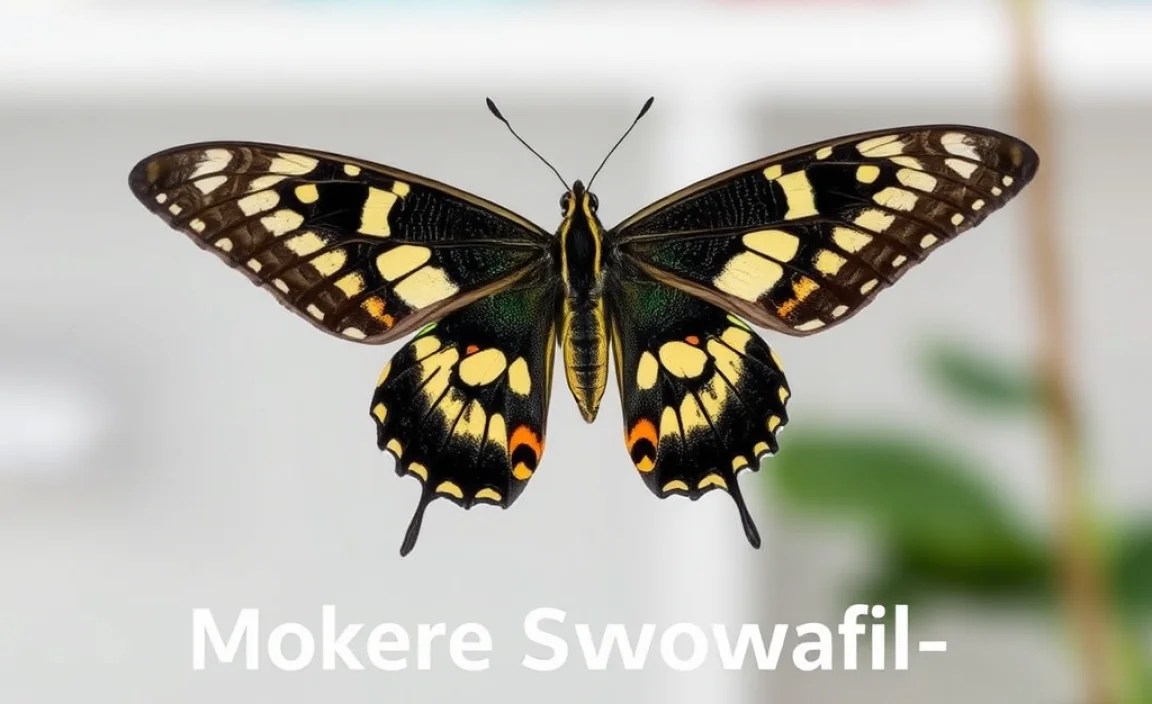
As a naturalist, I’ve always been captivated by the Mocker Swallowtail (Papilio dardanus). It’s not just a pretty butterfly; it’s a living example of evolution in action. This butterfly, native to sub-Saharan Africa, has developed an incredible ability to mimic other butterfly species, particularly those that are toxic to predators. This form of mimicry, known as Batesian mimicry, is a survival strategy that increases the Mocker Swallowtail’s chances of avoiding being eaten. Let’s dive into what makes this butterfly so unique.
What Makes the Mocker Swallowtail Special?
- Batesian Mimicry: The Mocker Swallowtail mimics toxic butterfly species to deter predators.
- Female Polymorphism: Females display different wing patterns, each mimicking a different toxic species found in their region.
- Geographic Variation: The appearance of the Mocker Swallowtail varies significantly across different regions of Africa.
- Survival Adaptation: Mimicry enhances the butterfly’s survival rate by reducing predation.
Why is Identification Challenging?
Identifying the Mocker Swallowtail can be challenging for several reasons:
- Mimicry Complexity: The butterfly mimics various toxic species, and these patterns can vary greatly.
- Regional Variations: The appearance of the Mocker Swallowtail changes depending on the local toxic models.
- Sexual Dimorphism: Males and females often look different, adding another layer of complexity.
Key Identification Features
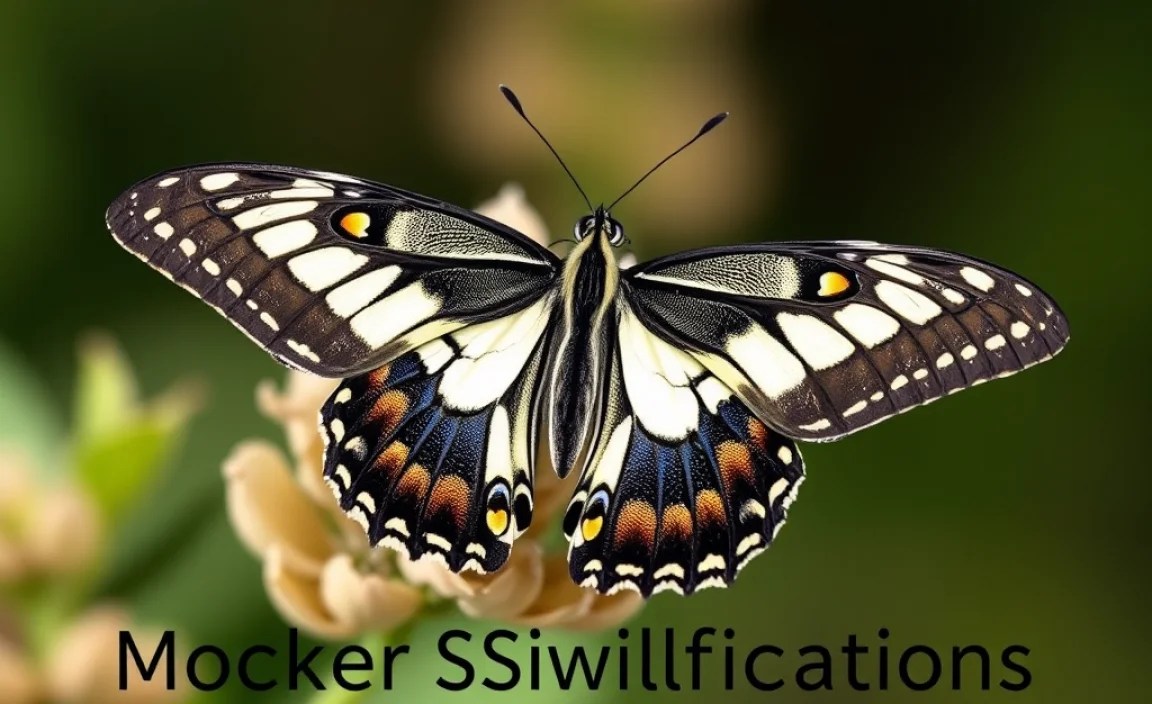
To accurately identify a Mocker Swallowtail, you need to pay close attention to specific features, including wing patterns, size, and geographic location. Here are the key characteristics to look for:
Wing Patterns
The most crucial aspect of identifying the Mocker Swallowtail is its wing patterns. These patterns mimic those of toxic butterflies, providing protection against predators. Here’s a breakdown of the common wing patterns:
- African Monarch Mimicry: In many regions, the Mocker Swallowtail mimics the African Monarch (Danaus chrysippus). This mimicry often results in orange or brown wings with black and white markings.
- Other Mimicry Patterns: Depending on the region, the Mocker Swallowtail may mimic other toxic species, leading to variations in wing color and pattern.
Size and Shape
The size and shape of the Mocker Swallowtail can also provide valuable clues. Here’s what to look for:
- Wingspan: The Mocker Swallowtail typically has a wingspan of 3 to 5 inches.
- Wing Shape: The shape of the wings can vary, but they generally have a swallowtail appearance, with elongated tails on the hindwings.
Geographic Location
The geographic location of the butterfly is crucial for identification. The Mocker Swallowtail is found throughout sub-Saharan Africa, and its appearance varies depending on the region and the toxic species it mimics.
Step-by-Step Identification Guide
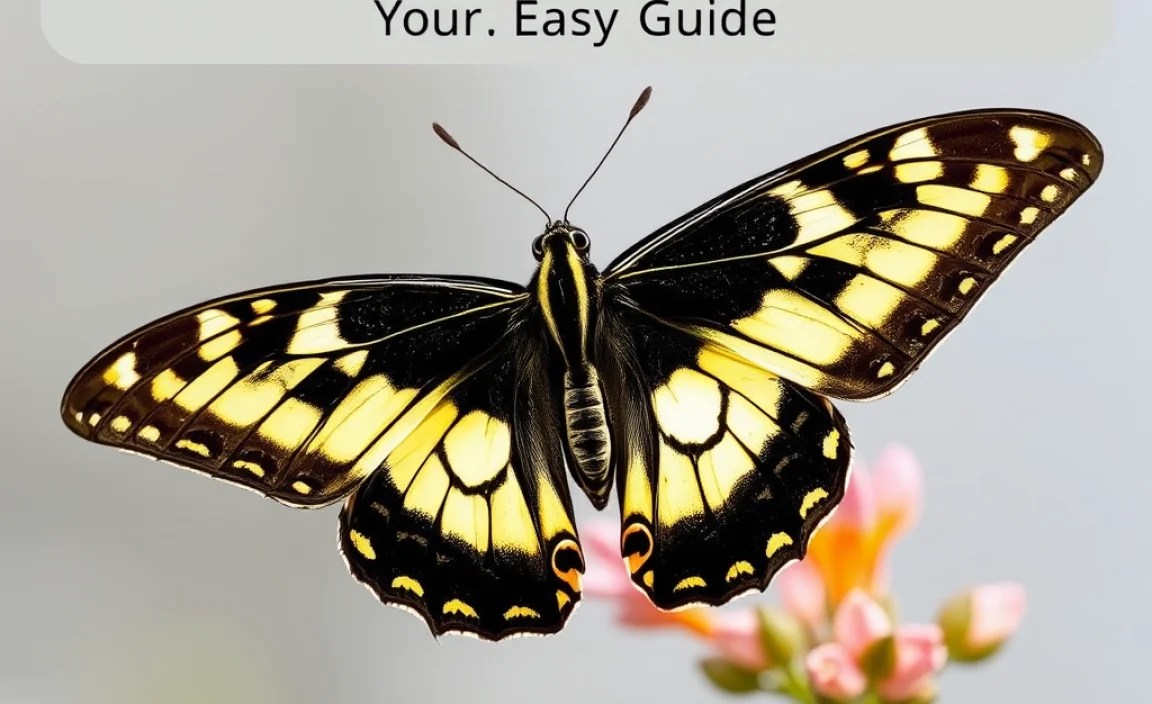
Now, let’s walk through a step-by-step guide to help you identify the Mocker Swallowtail:
Step 1: Observe the Wing Patterns
Carefully examine the wing patterns of the butterfly. Note the colors, markings, and any resemblance to other butterfly species.
- Orange/Brown Wings: If the butterfly has orange or brown wings with black and white markings, it may be mimicking the African Monarch.
- Other Colors: Look for other color combinations that may indicate mimicry of different toxic species.
Step 2: Check the Size and Shape
Measure or estimate the wingspan of the butterfly and observe the shape of its wings.
- Wingspan: A wingspan of 3 to 5 inches is typical for the Mocker Swallowtail.
- Wing Shape: Look for the characteristic swallowtail shape, with elongated tails on the hindwings.
Step 3: Determine the Geographic Location
Identify the region where you observed the butterfly. This information is crucial for understanding which toxic species the Mocker Swallowtail is likely to be mimicking.
- Sub-Saharan Africa: The Mocker Swallowtail is found throughout sub-Saharan Africa.
- Regional Variations: The appearance of the butterfly varies depending on the local toxic models.
Step 4: Compare with Known Mimicry Patterns
Compare the butterfly’s appearance with known mimicry patterns for the Mocker Swallowtail in that region. Consult field guides, online resources, or experts for assistance.
Step 5: Confirm with Multiple Sources
To ensure accurate identification, cross-reference your observations with multiple sources and consult with experts if possible.
Tools for Identification
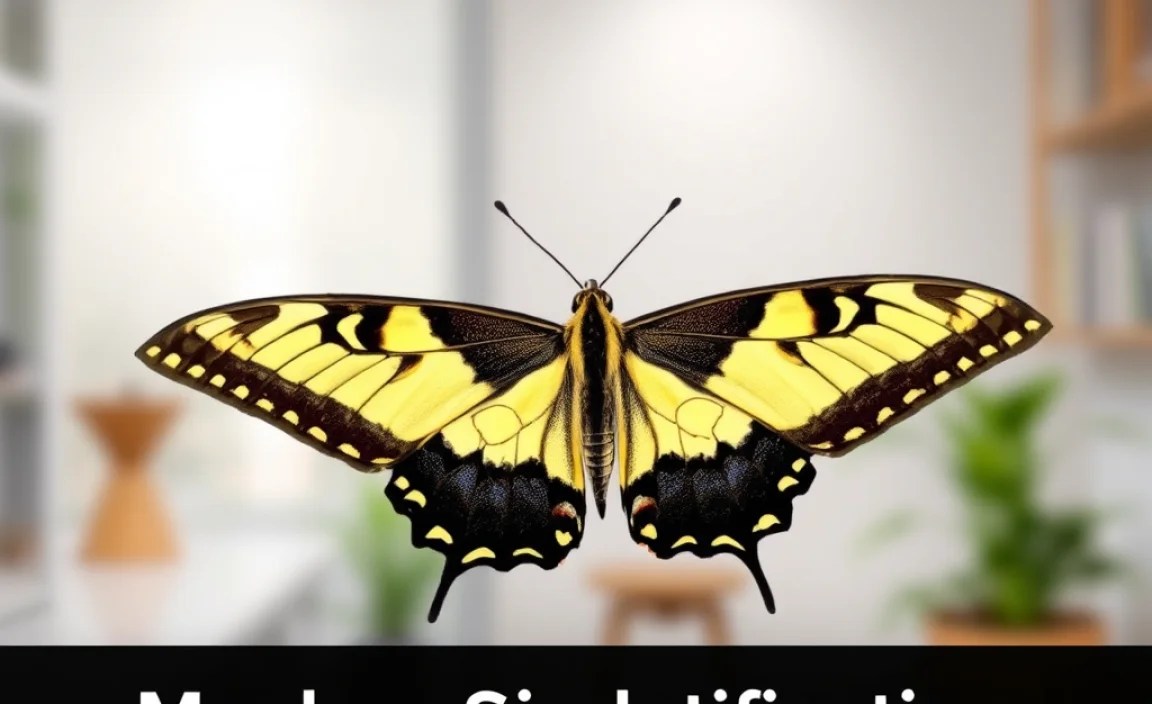
Several tools can assist you in identifying the Mocker Swallowtail:
- Field Guides: Butterfly field guides specific to the region can provide valuable information and illustrations.
- Online Resources: Websites and online databases dedicated to butterflies can offer detailed information and images.
- Butterfly Experts: Consulting with butterfly experts or local naturalists can provide valuable insights and confirmation.
- Binoculars: A good pair of binoculars can help you observe the butterfly’s features from a distance without disturbing it.
- Camera: Taking clear photos of the butterfly can help you compare it with images in field guides and online resources.
Regional Variations
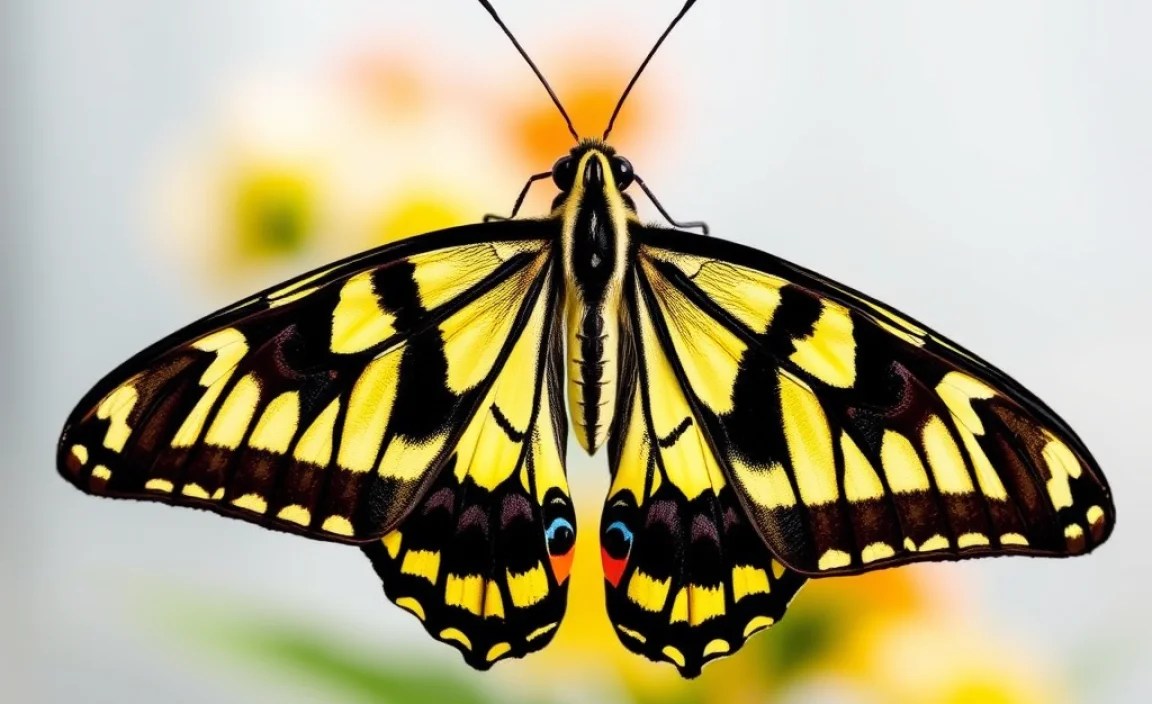
The Mocker Swallowtail exhibits significant regional variations in its appearance due to the different toxic species it mimics in different areas. Here’s a closer look at some of these variations:
Eastern Africa
In Eastern Africa, the Mocker Swallowtail often mimics the African Monarch (Danaus chrysippus) and other similar species. The butterflies in this region typically have orange or brown wings with black and white markings.
Southern Africa
In Southern Africa, the Mocker Swallowtail may mimic different species depending on the specific location. Some individuals may resemble the African Monarch, while others may mimic other toxic butterflies found in the area.
Central Africa
In Central Africa, the Mocker Swallowtail exhibits a wide range of mimicry patterns, reflecting the diversity of toxic butterfly species in the region. The butterflies in this area may have various color combinations and markings.
Mimicry in Detail
The Mocker Swallowtail’s mimicry is a fascinating example of evolutionary adaptation. By mimicking toxic species, the butterfly gains protection from predators that have learned to avoid the toxic models.
Batesian Mimicry Explained
Batesian mimicry is a type of mimicry in which a harmless species evolves to resemble a harmful or toxic species. This deceives predators, who avoid the mimic because they associate it with the harmful model.
The Role of Genetics
The Mocker Swallowtail’s mimicry is controlled by a complex set of genes that determine the butterfly’s wing patterns and colors. These genes allow the butterfly to evolve and adapt to mimic different toxic species in different regions.
Life Cycle of the Mocker Swallowtail
Understanding the life cycle of the Mocker Swallowtail can provide additional insights into its behavior and ecology. Here’s an overview of the butterfly’s life cycle:
Egg Stage
The life cycle begins with the egg stage. Female Mocker Swallowtails lay their eggs on the leaves of host plants, which include various species of citrus and other trees.
Larval Stage
Once the eggs hatch, the larvae (caterpillars) emerge. The caterpillars feed on the leaves of the host plants, growing and molting several times as they develop. The caterpillars are typically green or brown and may have markings that help them blend in with their surroundings.
Pupal Stage
After reaching their full size, the caterpillars enter the pupal stage. They form a chrysalis, which is typically attached to a stem or leaf. Inside the chrysalis, the caterpillar undergoes metamorphosis, transforming into a butterfly.
Adult Stage
After a period of time (usually a few weeks), the adult butterfly emerges from the chrysalis. The adult butterfly is now ready to reproduce and continue the life cycle. The adult Mocker Swallowtail feeds on nectar from flowers, using its long proboscis to extract the sweet liquid.
Conservation Status
The Mocker Swallowtail is not currently listed as an endangered species, but it faces several threats, including habitat loss and climate change. Conservation efforts are needed to protect this fascinating butterfly and its unique adaptations.
Threats to the Mocker Swallowtail
- Habitat Loss: The destruction of natural habitats due to agriculture, urbanization, and deforestation is a major threat to the Mocker Swallowtail.
- Climate Change: Changes in temperature and rainfall patterns can disrupt the butterfly’s life cycle and affect the availability of host plants and nectar sources.
- Pesticide Use: The use of pesticides can harm or kill Mocker Swallowtail caterpillars and adults.
Conservation Efforts
Several conservation efforts can help protect the Mocker Swallowtail and its habitat:
- Habitat Preservation: Protecting and restoring natural habitats is essential for the survival of the Mocker Swallowtail.
- Sustainable Agriculture: Promoting sustainable agricultural practices that minimize the use of pesticides and protect natural habitats.
- Climate Change Mitigation: Reducing greenhouse gas emissions and mitigating the effects of climate change.
- Public Education: Raising awareness about the importance of butterfly conservation and encouraging people to take action to protect these amazing insects.
| Feature | Description | Importance |
|---|---|---|
| Wing Pattern | Mimics toxic butterfly species (e.g., African Monarch) | Critical for identification |
| Size | Wingspan of 3-5 inches | Helpful for differentiation |
| Geographic Location | Sub-Saharan Africa; varies regionally | Essential context |
| Mimicry Type | Batesian mimicry (harmless mimicking harmful) | Understanding the evolutionary strategy |
| Life Cycle | Egg, larva, pupa, adult | Provides ecological insight |
Attracting Mocker Swallowtails to Your Garden
While the Mocker Swallowtail is native to Africa, creating a butterfly-friendly garden can still support local butterfly populations and provide a beautiful and educational experience. Here are some tips for attracting butterflies to your garden:
Plant Host Plants
Plant host plants that caterpillars can feed on. For the Mocker Swallowtail, these include various species of citrus and other trees. Research local butterfly species and their host plant preferences to create a suitable habitat.
Provide Nectar Sources
Plant a variety of flowering plants that provide nectar for adult butterflies. Choose plants with different colors, shapes, and blooming times to attract a wide range of butterfly species. Some popular nectar sources include milkweed, butterfly bush, and zinnias. The Xerces Society offers detailed guides to native plants that attract pollinators.
Offer Shelter and Water
Provide shelter from wind and rain by planting trees and shrubs. Place shallow dishes of water with pebbles or stones for butterflies to land on and drink safely.
Avoid Pesticides
Avoid using pesticides in your garden, as they can harm or kill butterflies and other beneficial insects. Instead, use natural pest control methods, such as introducing beneficial insects or hand-picking pests.
The Cultural Significance of Butterflies
Butterflies have long held cultural significance in many societies around the world. They are often seen as symbols of transformation, rebirth, and hope. In some cultures, butterflies are believed to carry the souls of the dead, while in others, they are associated with good luck and prosperity.
The Mocker Swallowtail, with its incredible mimicry abilities, adds another layer of fascination to the cultural symbolism of butterflies. Its ability to transform its appearance to resemble other species can be seen as a metaphor for adaptability and resilience.
FAQ: Mocker Swallowtail Identification
What is Batesian mimicry?
Batesian mimicry is when a harmless species evolves to look like a harmful one, tricking predators into avoiding it.
Where is the Mocker Swallowtail found?
The Mocker Swallowtail lives in sub-Saharan Africa, with different patterns depending on the region.
Why is it called the Mocker Swallowtail?
It’s called the Mocker Swallowtail because the females “mock” or mimic toxic butterflies for protection.
How big is a Mocker Swallowtail?
The Mocker Swallowtail typically has a wingspan of 3 to 5 inches.
What do Mocker Swallowtail caterpillars eat?
Mocker Swallowtail caterpillars eat leaves from host plants like citrus trees.
Are Mocker Swallowtails poisonous?
No, Mocker Swallowtails are not poisonous. They only mimic poisonous butterflies.
How can I attract butterflies to my garden?
Plant nectar-rich flowers, host plants, offer shelter, and avoid pesticides to attract butterflies.
Conclusion
Identifying the Mocker Swallowtail can be a rewarding experience that deepens your appreciation for the wonders of nature. By carefully observing wing patterns, size, and geographic location, you can unlock the secrets of this incredible butterfly and its remarkable mimicry abilities. Remember to consult field guides, online resources, and experts to confirm your observations and expand your knowledge. Whether you’re a seasoned naturalist or a beginner butterfly enthusiast, the Mocker Swallowtail offers a fascinating glimpse into the world of evolutionary adaptation and the beauty of the natural world. So, keep your eyes open, your curiosity piqued, and continue exploring the amazing world of butterflies!


