
Easy Tree Species Identification: The Ultimate Guide

Have you ever walked in a forest and wondered what kind of trees you were seeing? It can be fun to learn about the different trees around us. Figuring out what kind of tree it is called tree species identification. It is like being a detective, but with plants!
Learning about trees helps us appreciate nature. We can also learn about the environment. Let’s explore how to identify different kinds of trees.
Key Takeaways
- Tree species identification helps us learn about different trees and their names.
- Look at the leaves, bark, and shape of the tree to identify it.
- Use a tree identification book or a website for help.
- Different trees grow in different places.
- Learning about trees helps us care for the environment.
Basics of Tree Species Identification

Identifying trees can be a fun and rewarding hobby. There are many different kinds of trees in the world. Each has its own unique features. To start, you can look at the tree’s leaves. Are they simple or compound? Simple leaves have one blade. Compound leaves have many leaflets. Next, check the shape of the leaves. Are they oval, round, or pointy? Look at the edges too. Are they smooth or jagged? The way the leaves grow on the branch also matters. Do they grow opposite each other? Or do they grow in an alternating pattern? All of these things help with tree species identification.
- Look at the leaves.
- Check the bark.
- Note the tree’s shape.
- See where the tree grows.
- Use a tree guide.
Bark is another important clue. Some trees have smooth bark. Others have rough or cracked bark. The color of the bark can also vary. Some bark is light gray. Other bark is dark brown or even reddish. The overall shape of the tree can help too. Some trees are tall and thin. Others are short and wide. Where the tree grows is also important. Some trees grow in forests. Other trees grow in deserts. By paying attention to these details, you can start to identify different types of trees and master tree species identification.
What are the Key Features of a Tree?
Have you ever wondered what makes a tree a tree? Trees have many key features. They have a trunk, branches, and leaves. The trunk is the main stem of the tree. It supports the branches and leaves. Branches grow out from the trunk. They hold the leaves up to the sunlight. Leaves are where the tree makes its food. They use sunlight, water, and air to create energy. Roots are also important. They anchor the tree in the ground. Roots also absorb water and nutrients from the soil. All of these parts work together to keep the tree alive and growing. Recognizing these parts is fundamental to tree species identification.
Why is Tree Identification Important?
Why should we learn about trees? Knowing about trees helps us understand the environment. Trees provide us with many things. They give us oxygen to breathe. They also provide us with wood for building. Trees help to clean the air and water. They provide homes for animals. Learning about trees can help us protect them. We can also learn how to plant and care for trees. When we know the names of different trees, we can appreciate them more. Understanding tree species identification encourages us to protect our forests and parks.
How Do Trees Help the Environment?
Trees are super important for the environment. They help clean the air we breathe. Trees take in carbon dioxide. This is a gas that can cause problems in the atmosphere. They release oxygen. Oxygen is what we need to breathe. Trees also help to clean the water. Their roots act like filters. They remove pollutants from the soil. Trees provide homes for many animals. Birds, squirrels, and insects all live in trees. Trees also help to prevent soil erosion. Their roots hold the soil in place. By planting and protecting trees, we can help the environment. It all starts with tree species identification so we know what we’re protecting.
Fun Fact or Stat: Did you know that the tallest tree in the world is a redwood tree named Hyperion? It is over 379 feet tall!
Leaf Identification for Tree Species
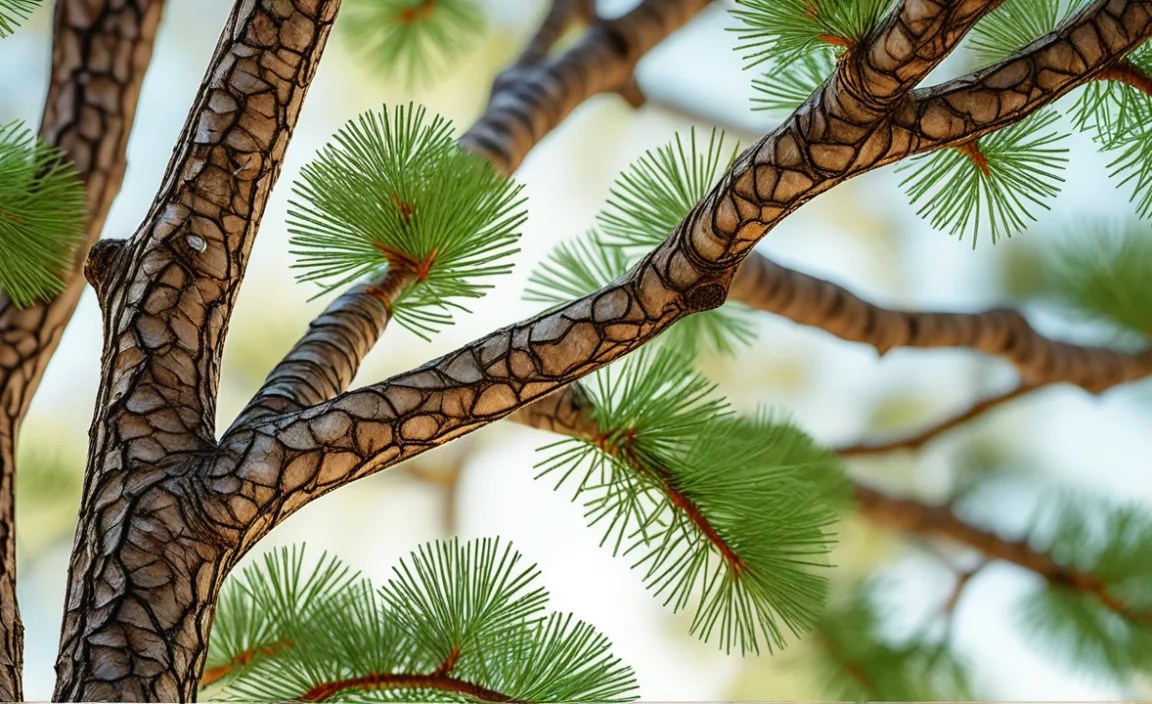
Leaves are like the tree’s fingerprints. They come in many shapes and sizes. Looking at leaves is a great way to start tree species identification. Some leaves are simple. This means they have one leaf blade. Other leaves are compound. These have many leaflets. The shape of the leaf is also important. Some leaves are oval. Others are heart-shaped or needle-like. The edges of the leaf can be smooth, toothed, or lobed. How the leaves are arranged on the branch matters too. They can be opposite, alternate, or whorled. All of these details can help you figure out what kind of tree you are looking at. Learning these leaf features can make tree species identification much easier.
- Simple leaves have one blade.
- Compound leaves have many leaflets.
- Leaf shapes vary.
- Leaf edges can be smooth or toothed.
- Leaf arrangement matters.
- Use a leaf identification guide.
The color of the leaf can also be a clue. Most leaves are green. But some leaves can be red, yellow, or purple. The texture of the leaf can also vary. Some leaves are smooth. Others are rough or hairy. The veins on the leaf can also be helpful. The pattern of the veins can be different for different trees. By carefully observing the leaves, you can narrow down the possibilities. Then, you can use a tree identification book or website to confirm your guess. Remember that leaves can change color in the fall. So, it is helpful to look at the leaves in different seasons for accurate tree species identification.
What is a Simple Leaf?
Imagine a single leaf, like the kind you might draw in art class. That’s a simple leaf! A simple leaf has just one leaf blade. It is connected to the twig by a petiole, or stem. Simple leaves can come in many different shapes. They can be oval, round, heart-shaped, or even needle-like. The edges of a simple leaf can also vary. They might be smooth, toothed, or lobed. Oak trees have simple leaves with lobes. Maple trees have simple leaves with pointy lobes. Birch trees have simple leaves with toothed edges. Paying attention to these details will help you with tree species identification.
What is a Compound Leaf?
Now, imagine a leaf that looks like it’s made up of many smaller leaves. That’s a compound leaf! A compound leaf has many leaflets that are attached to a central stem. Each leaflet looks like a small leaf. But it is actually part of the larger compound leaf. Compound leaves can be pinnately compound. This means the leaflets are arranged in two rows along the stem. They can also be palmately compound. This means the leaflets radiate from a central point. Walnut trees have pinnately compound leaves. Buckeye trees have palmately compound leaves. Recognizing compound leaves is an important step in tree species identification.
How Do Leaf Arrangements Help?
The way leaves are arranged on a branch can tell you a lot about a tree. There are three main types of leaf arrangements. Opposite, alternate, and whorled. Opposite leaves grow directly across from each other on the branch. Maple trees and ash trees have opposite leaves. Alternate leaves grow in a staggered pattern along the branch. Oak trees and birch trees have alternate leaves. Whorled leaves grow in a circle around the branch. Catalpa trees have whorled leaves. By observing the leaf arrangement, you can narrow down the possibilities when using tree species identification.
Fun Fact or Stat: The largest leaf in the world belongs to the Raffia palm tree. Its leaves can grow up to 80 feet long!
Bark Characteristics and Tree Identification
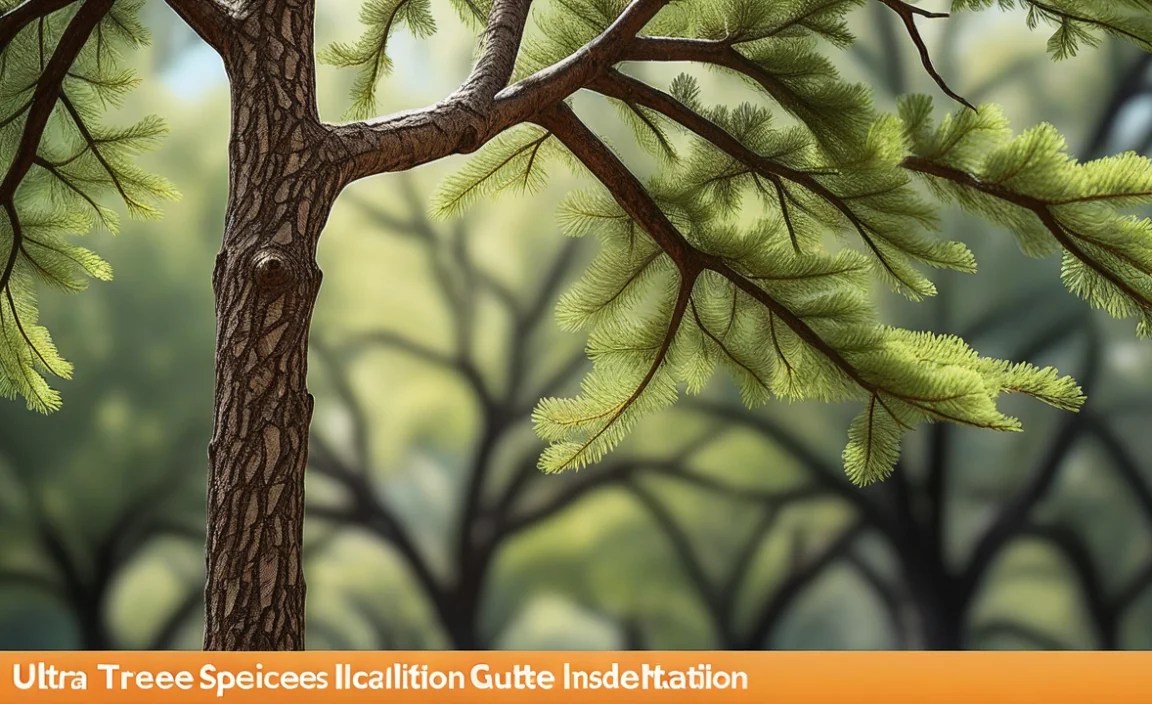
Bark is the outer layer of a tree’s trunk and branches. It protects the tree from damage. It also helps to keep the tree from drying out. The bark can be a great clue for tree species identification. Different trees have different types of bark. Some trees have smooth bark. Others have rough bark. The color of the bark can also vary. Some bark is light gray. Other bark is dark brown or reddish. The texture of the bark can also be helpful. Some bark is flaky. Other bark is furrowed. By paying attention to the bark, you can learn a lot about a tree.
- Smooth bark is found on beech trees.
- Rough bark is found on oak trees.
- Flaky bark is found on birch trees.
- Furrowed bark is found on pine trees.
- Bark color varies.
The pattern of the bark can also be distinctive. Some trees have bark that peels off in strips. Other trees have bark that forms plates. The thickness of the bark can also be important. Some trees have very thick bark. This protects them from fire. Other trees have thin bark. This makes them more vulnerable to damage. When identifying trees, it’s helpful to look at both the leaves and the bark. By combining these clues, you can make a more accurate identification. Always consider the age of the tree. Young trees may have different bark than older trees. Understanding bark is key to tree species identification.
What Does Smooth Bark Indicate?
Have you ever seen a tree with bark so smooth you could almost slide down it? Smooth bark is often a sign of certain tree species. Beech trees are famous for their smooth, gray bark. Young maple trees also have smooth bark. The smoothness comes from the way the bark grows. It stretches and expands as the tree grows. But it doesn’t crack or furrow like rough bark. Smooth bark can be sensitive to damage. So, it’s important to be careful around trees with smooth bark. Identifying smooth bark is a clue for tree species identification.
What Does Rough Bark Indicate?
Now, think of a tree with bark that feels bumpy and uneven. Rough bark is another important clue. Oak trees are known for their rough, furrowed bark. Pine trees also have rough bark. Rough bark is often thicker than smooth bark. It provides extra protection for the tree. The ridges and cracks in rough bark can create homes for insects and other small creatures. These textures are what make tree species identification so much fun.
How Does Bark Color Help?
Did you know that bark comes in many different colors? The color of the bark can help you identify a tree. Birch trees have white bark. Cherry trees have reddish-brown bark. Pine trees have dark brown bark. The color of the bark is determined by the chemicals in the bark. It can also be affected by the environment. The color of the bark can change as the tree gets older. So, it’s important to consider the age of the tree when using bark color for tree species identification.
Fun Fact or Stat: Cork oak trees have bark that is harvested to make cork. The bark can be harvested every nine years!
Tree Shape and Branching Patterns
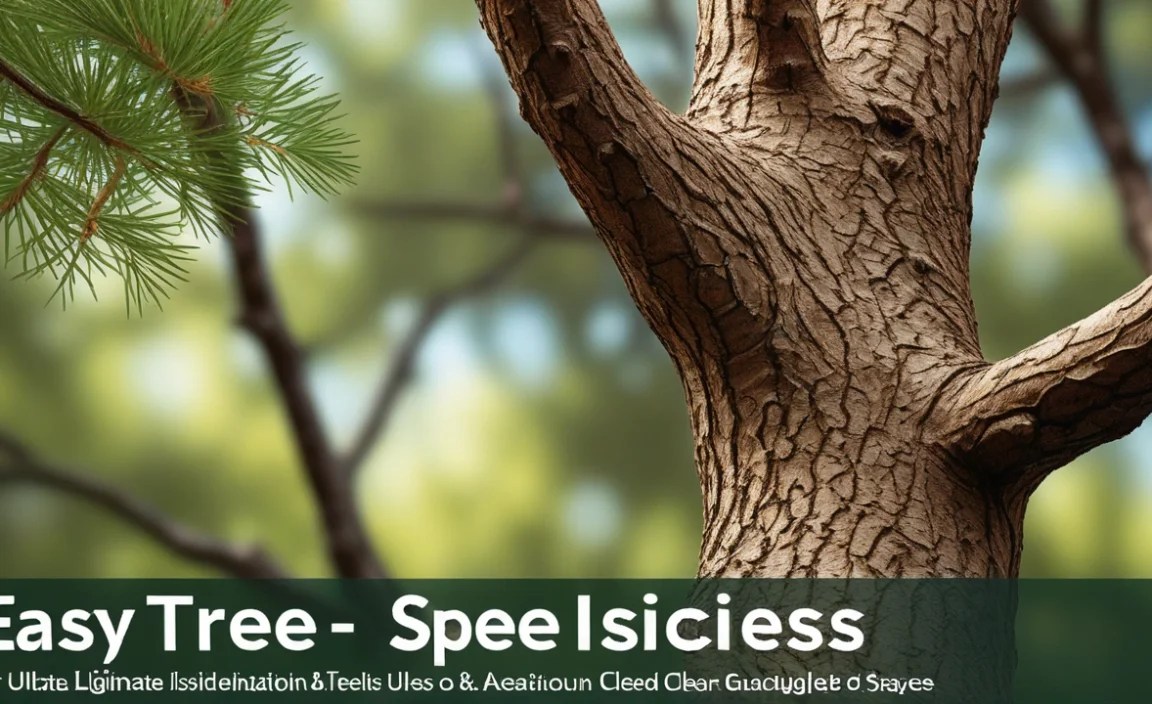
The overall shape of a tree can be a helpful clue. Some trees are tall and slender. Others are short and wide. The shape of the crown, or the top of the tree, can also vary. Some trees have rounded crowns. Others have conical or pyramidal crowns. The way the branches grow can also be distinctive. Some trees have branches that grow straight out from the trunk. Others have branches that droop down. The branching pattern can be opposite or alternate. By observing the shape and branching pattern, you can narrow down the possibilities for tree species identification.
- Tall and slender trees include poplars.
- Short and wide trees include oaks.
- Rounded crowns are common in maples.
- Conical crowns are common in spruces.
- Drooping branches are found on willows.
The angle of the branches can also be important. Some trees have branches that grow at a sharp angle. Others have branches that grow at a more gradual angle. The density of the branches can also vary. Some trees have very dense branches. Others have more open branches. The bark on the branches can also be different than the bark on the trunk. Young branches may have smoother bark than the trunk. By paying attention to these details, you can become a better tree identifier. Always consider the environment where the tree is growing. Trees in open areas may have different shapes than trees in forests. Understanding tree shape is crucial for tree species identification.
What is a Conical Tree Shape?
Imagine a tree that looks like a cone or a pyramid. That’s a conical tree shape! Conical trees are often evergreen trees, like spruces and firs. The conical shape helps the tree shed snow in the winter. It also allows sunlight to reach the lower branches. The branches of a conical tree are usually shorter at the top and longer at the bottom. This creates the cone shape. Recognizing the conical shape can help with tree species identification.
What is a Rounded Tree Shape?
Now, think of a tree that looks like a big, green ball. That’s a rounded tree shape! Rounded trees are often deciduous trees, like maples and oaks. The rounded shape allows the tree to capture sunlight from all directions. The branches of a rounded tree are usually evenly distributed around the trunk. This creates the ball shape. Identifying the rounded shape is an important part of tree species identification.
How Do Branching Patterns Help?
The way the branches grow on a tree can tell you a lot. Opposite branching means the branches grow directly across from each other on the trunk. Alternate branching means the branches grow in a staggered pattern along the trunk. Some trees have opposite branching. Others have alternate branching. Maple trees have opposite branching. Oak trees have alternate branching. By observing the branching pattern, you can narrow down the possibilities when using tree species identification.
Fun Fact or Stat: Some trees can live for thousands of years. The oldest known tree is a bristlecone pine tree in California. It is over 5,000 years old!
Using Tree Identification Guides
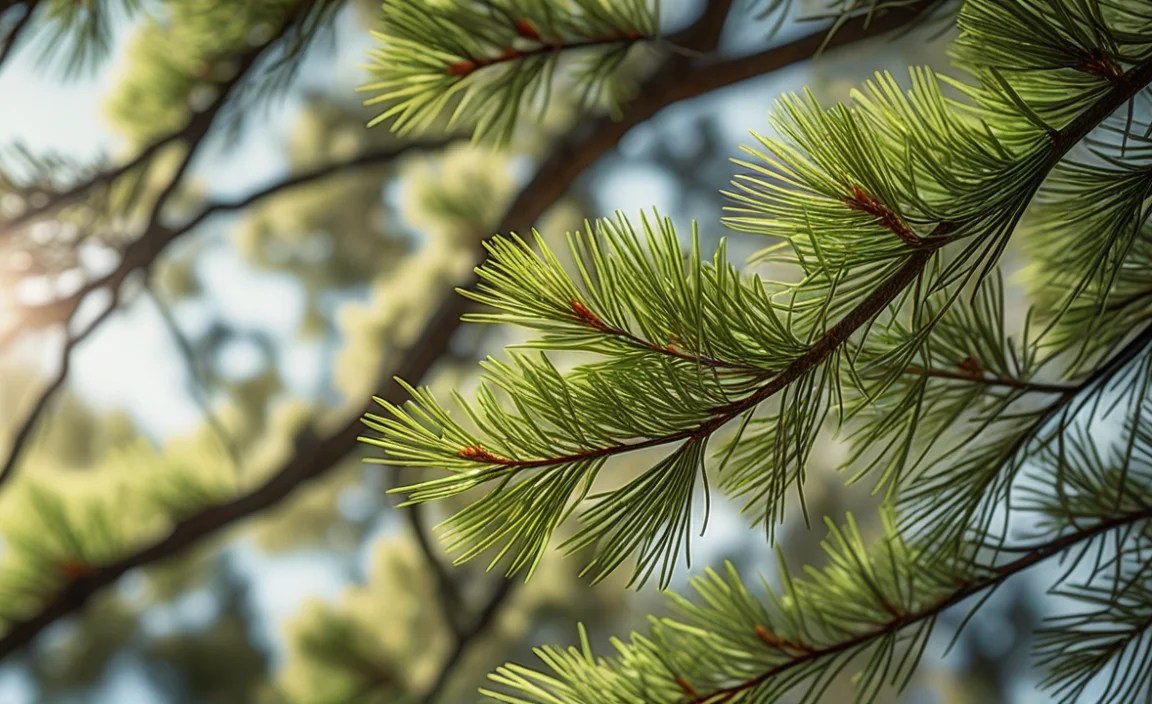
Tree identification guides are helpful tools. They can help you identify trees quickly and easily. These guides usually have pictures and descriptions of different trees. They also include information about leaves, bark, and shape. Some guides are specific to a certain region. Others cover a wider area. You can find tree identification guides in bookstores or online. Some websites also have interactive tree identification tools. These tools can help you identify trees based on their characteristics. Using a guide is a great way to learn about trees. It makes tree species identification easier and more fun.
- Tree guides have pictures.
- They have descriptions of trees.
- Guides cover leaves, bark, and shape.
- Some guides are regional.
- Websites have identification tools.
When using a tree identification guide, start by looking at the leaves. Compare the leaves you see to the pictures in the guide. Pay attention to the shape, size, and arrangement of the leaves. Next, look at the bark. Compare the bark to the descriptions in the guide. Note the color, texture, and pattern of the bark. Then, look at the overall shape of the tree. Compare the shape to the pictures in the guide. Consider the environment where the tree is growing. Some trees only grow in certain areas. By using a tree identification guide, you can learn to identify different types of trees. This skill makes tree species identification much more efficient.
What Information Do Tree Guides Provide?
Tree guides are packed with useful information. They typically include pictures of the tree, leaves, bark, and flowers or fruits. They also provide descriptions of these features. The descriptions help you compare the tree you are looking at to the information in the guide. Tree guides often include information about the tree’s habitat. This tells you where the tree is likely to grow. They may also include information about the tree’s uses. For example, some trees are used for lumber. Others are used for medicine. Tree guides are essential tools for tree species identification.
How Do Online Tree Identification Tools Work?
Online tree identification tools can be very helpful. These tools usually ask you a series of questions about the tree you are trying to identify. The questions might be about the leaves, bark, shape, or location of the tree. Based on your answers, the tool will suggest possible matches. Some tools use pictures to help you compare the tree you are looking at to the options. These tools can be a quick and easy way to identify trees. But it’s important to remember that they are not always accurate. It’s always a good idea to double-check your results with a tree guide or expert. This is important for accurate tree species identification.
Where Can You Find Tree Identification Guides?
You can find tree identification guides in many places. Bookstores often have a section dedicated to nature guides. Libraries are another great resource. They usually have a variety of tree guides that you can borrow. You can also find tree guides online. Many websites sell tree guides in both print and digital formats. Some websites also offer free tree identification resources. These resources might include pictures, descriptions, and interactive tools. Check your local park or nature center. They may offer tree identification workshops or guided walks. These are great ways to learn about trees and improve your tree species identification skills.
Fun Fact or Stat: There are over 60,000 different species of trees in the world!
Tree Habitats and Species Distribution
Where a tree grows can be a clue to its identity. Different trees prefer different habitats. Some trees grow in forests. Others grow in deserts. Some trees grow near water. Others grow on mountains. The climate, soil, and amount of sunlight all affect where a tree can grow. By knowing the habitat of a tree, you can narrow down the possibilities. For example, a palm tree is unlikely to grow in a cold, snowy area. An oak tree is unlikely to grow in a very dry desert. Understanding tree habitats is important for tree species identification.
- Forests have many tree species.
- Deserts have drought-tolerant trees.
- Wetlands have water-loving trees.
- Mountains have trees adapted to cold.
- Climate affects tree distribution.
The distribution of a tree species refers to where it is found in the world. Some trees are found only in a small area. These are called endemic species. Other trees are found in many different regions. These are called widespread species. The distribution of a tree species can be affected by many factors. These include climate change, human activity, and natural disasters. By knowing the distribution of a tree, you can make a more informed guess about its identity. Always consider the local environment when identifying trees. This is crucial for successful tree species identification.
How Does Climate Affect Tree Growth?
Climate plays a big role in where trees can grow. Temperature, rainfall, and sunlight all affect tree growth. Some trees need warm temperatures to thrive. Others can tolerate cold temperatures. Some trees need a lot of rainfall. Others can survive in dry conditions. The amount of sunlight also matters. Some trees need full sun. Others can grow in the shade. Climate change is affecting tree growth in many ways. Some trees are moving to new areas as the climate changes. Others are struggling to survive in their current locations. Learning about climate helps with tree species identification.
What are Endemic Tree Species?
Have you ever heard of a tree that only grows in one place? These are called endemic tree species. Endemic species are found nowhere else in the world. They are often adapted to very specific environmental conditions. Island ecosystems often have many endemic species. This is because islands are isolated from other areas. Protecting endemic species is very important. They are often vulnerable to extinction. Examples include certain types of pine trees found only in small regions of California. Endemic species help with tree species identification.
How Do Humans Impact Tree Distribution?
Humans have a big impact on where trees grow. We clear forests for agriculture, development, and logging. This can destroy tree habitats and reduce tree populations. We also introduce new tree species to areas where they don’t naturally occur. These introduced species can sometimes outcompete native species. This can change the composition of forests and ecosystems. Climate change, driven by human activity, is also affecting tree distribution. By being aware of our impact, we can help protect trees and forests. Understanding human impact is key to tree species identification.
| Tree Type | Habitat | Leaf Type | Bark |
|---|---|---|---|
| Oak | Forests | Simple, lobed | Rough, furrowed |
| Pine | Mountains | Needle-like | Scaly, plated |
| Maple | Forests, urban areas | Simple, palmate | Smooth, gray |
| Birch | Cool climates | Simple, toothed | Paper-like, peeling |
Fun Fact or Stat: The Amazon rainforest contains about 390 billion trees!
Importance of Tree Conservation
Trees are vital for our planet. They provide us with oxygen, clean water, and healthy soil. They also provide homes for many animals. Trees help to regulate the climate by absorbing carbon dioxide. They play a crucial role in the fight against climate change. Conserving trees is essential for our well-being. We can conserve trees by planting new trees, protecting existing forests, and reducing our consumption of wood products. By working together, we can ensure that trees continue to thrive for generations to come. It starts with knowing what you’re conserving through tree species identification.
- Trees provide oxygen.
- They clean water and soil.
- Trees support wildlife.
- They regulate the climate.
- Conservation is essential.
Deforestation, or the clearing of forests, is a major threat to trees. Deforestation can lead to soil erosion, loss of biodiversity, and climate change. We can reduce deforestation by using sustainable forestry practices. Sustainable forestry means managing forests in a way that meets our needs without harming the environment. We can also reduce our consumption of wood products by using recycled paper and wood. By making these choices, we can help to protect trees and forests around the world. Proper tree species identification helps conserve forests more effectively.
How Does Deforestation Impact the Environment?
Deforestation has many negative impacts on the environment. It leads to soil erosion, which can pollute waterways and damage agricultural land. It also contributes to climate change by releasing carbon dioxide into the atmosphere. Deforestation reduces biodiversity by destroying habitats for plants and animals. It can also lead to flooding and drought. By understanding the impacts of deforestation, we can work to prevent it. Protecting our forests is essential for a healthy planet. It all starts with being able to perform tree species identification.
What is Sustainable Forestry?
Sustainable forestry is a way of managing forests that meets our needs without harming the environment. It involves planting new trees, protecting existing trees, and harvesting trees in a responsible manner. Sustainable forestry practices can help to maintain biodiversity, protect water quality, and reduce soil erosion. Sustainable forestry also helps to ensure that forests will continue to provide us with valuable resources for generations to come. This is important for both the economy and the environment. Knowing different species via tree species identification helps.
How Can We Help Conserve Trees?
There are many things we can do to help conserve trees. We can plant new trees in our yards, schools, and communities. We can support organizations that are working to protect forests. We can reduce our consumption of wood products by using recycled paper and wood. We can also educate others about the importance of trees and forests. By working together, we can make a big difference in the fight to conserve trees. Remember, even small actions can have a big impact. This starts with understanding the role of tree species identification.
Fun Fact or Stat: Trees can absorb up to 48 pounds of carbon dioxide per year!
Summary
Learning about trees is a fun and important way to connect with nature. Tree species identification involves looking at leaves, bark, shape, and habitat. Leaves can be simple or compound, with different shapes and arrangements. Bark varies in texture, color, and pattern. The tree’s overall shape and branching pattern can also provide clues. Tree identification guides and online tools can help. They have pictures and descriptions of different trees. Knowing where a tree grows helps narrow down possibilities. Different trees prefer different habitats.
Conserving trees is vital for the environment. Trees provide oxygen, clean water, and homes for animals. Deforestation has negative impacts. Sustainable forestry practices can help protect forests. We can help by planting trees, reducing wood consumption, and supporting conservation efforts. By learning about trees and working to protect them, we can help ensure a healthy planet for future generations. It all starts with accurate tree species identification.
Conclusion
Identifying trees is a fun and rewarding activity. It helps us appreciate the natural world. By learning about leaves, bark, and shapes, we can identify different tree species. Using tree identification guides and online tools makes it easier. Protecting trees is important for the environment. They give us oxygen and clean water. Let’s all do our part to conserve these amazing plants. With a little practice, anyone can become skilled at tree species identification.
Frequently Asked Questions
Question No 1: Why is it important to learn about tree species identification?
Answer: Learning about tree species identification is important for several reasons. First, it helps us appreciate the diversity of trees around us. Each tree species has its own unique characteristics and plays a specific role in the ecosystem. Second, it helps us understand the environment better. Trees provide us with oxygen, clean water, and healthy soil. They also provide homes for many animals. By learning about trees, we can better understand how they contribute to our well-being. Finally, knowing how to identify trees helps us conserve them. When we know the names of different trees, we can better protect them and their habitats.
Question No 2: What are the key features to look for when identifying a tree?
Answer: When identifying a tree, there are several key features to look for. The first is the leaves. Pay attention to the shape, size, and arrangement of the leaves. Are they simple or compound? Are they opposite or alternate? The second is the bark. Note the color, texture, and pattern of the bark. Is it smooth or rough? Does it peel off in strips? The third is the overall shape of the tree. Is it tall and slender or short and wide? The fourth is the habitat. Where is the tree growing? Is it in a forest or a desert? By paying attention to these features, you can narrow down the possibilities and identify the tree. Remember to check the tree species identification books.
Question No 3: How can tree identification guides help?
Answer: Tree identification guides are very helpful tools for learning about trees. These guides usually have pictures and descriptions of different trees. They also include information about leaves, bark, and shape. Some guides are specific to a certain region. Others cover a wider area. When using a tree identification guide, start by looking at the leaves. Compare the leaves you see to the pictures in the guide. Pay attention to the shape, size, and arrangement of the leaves. Next, look at the bark. Compare the bark to the descriptions in the guide. Note the color, texture, and pattern of the bark. Then, look at the overall shape of the tree. Compare the shape to the pictures in the guide. Considering the environment makes tree species identification easier.
Question No 4: What is the difference between simple and compound leaves?
Answer: The difference between simple and compound leaves is in the number of leaf blades. A simple leaf has just one leaf blade. It is connected to the twig by a petiole, or stem. A compound leaf has many leaflets that are attached to a central stem. Each leaflet looks like a small leaf. But it is actually part of the larger compound leaf. Compound leaves can be pinnately compound. This means the leaflets are arranged in two rows along the stem. They can also be palmately compound. This means the leaflets radiate from a central point. Recognizing the difference is essential to tree species identification.
Question No 5: How does climate affect tree distribution?
Answer: Climate has a major impact on where trees can grow. Temperature, rainfall, and sunlight all affect tree growth. Some trees need warm temperatures to thrive. Others can tolerate cold temperatures. Some trees need a lot of rainfall. Others can survive in dry conditions. The amount of sunlight also matters. Some trees need full sun. Others can grow in the shade. Climate change is affecting tree distribution in many ways. Some trees are moving to new areas as the climate changes. Others are struggling to survive in their current locations. Knowing about the climate in tree species identification is important.
Question No 6: What can kids do to help conserve trees?
Answer: Kids can do many things to help conserve trees. They can plant new trees in their yards, schools, and communities. They can support organizations that are working to protect forests. They can reduce their consumption of wood products by using recycled paper and wood. They can also educate others about the importance of trees and forests. By working together, kids can make a big difference in the fight to conserve trees. Kids can also learn about tree species identification to help protect the trees in their area and learn how to properly care for them.


