
Butterflies in Sahel Region: Discover Secret Beauty

Butterflies in the Sahel region face harsh conditions! These tough insects have adapted to survive in the dry, hot climate. Many migrate to find food and water, while others have developed special ways to conserve moisture. Sadly, habitat loss and climate change threaten these beautiful creatures. Protecting their homes is key to their survival.
Have you ever wondered how butterflies survive in some of the world’s toughest places? The Sahel region, a dry and challenging area in Africa, is home to some truly amazing butterflies. It might seem impossible for these delicate insects to thrive there, but they do! Learning about these butterflies shows us how nature can adapt and survive, and also reminds us of the importance of protecting these fragile ecosystems. We’ll explore the special ways these butterflies live, the threats they face, and what we can do to help them.
Frequently Asked Questions About Butterflies in the Sahel Region
Here are some common questions people have about butterflies in the Sahel region:
- What is the Sahel region?
- The Sahel is a zone in Africa between the Sahara Desert to the north and the savanna to the south. It stretches across several countries and has a dry, hot climate.
- How do butterflies survive in such a dry climate?
- Butterflies in the Sahel have special adaptations, such as migrating to find water, conserving moisture in their bodies, and feeding on drought-resistant plants.
- What are some common butterflies found in the Sahel?
- Some common butterflies include the African Monarch, various Swallowtails, and species of Blues and Whites, all adapted to the arid conditions.
- What threatens butterflies in the Sahel?
- Habitat loss due to agriculture, overgrazing, and deforestation, as well as climate change and pesticide use, are major threats.
- Why are butterflies important to the Sahel ecosystem?
- Butterflies are important pollinators, helping plants reproduce. They also serve as a food source for birds and other animals, and their presence indicates a healthy ecosystem.
- What can be done to help protect butterflies in the Sahel?
- Protecting and restoring habitats, promoting sustainable agriculture, reducing pesticide use, and raising awareness about the importance of butterflies are all important steps.
- Are there any butterfly conservation efforts in the Sahel?
- Yes, some organizations are working to protect butterfly habitats, educate local communities, and promote sustainable land management practices.
Understanding the Sahel Region

The Sahel is a unique and challenging environment. It’s a transition zone between the Sahara Desert and the more fertile savannas. This region stretches across Africa, including countries like Senegal, Mauritania, Mali, Burkina Faso, Niger, Nigeria, Chad, Sudan, and Eritrea. The climate is hot and dry, with a short rainy season. This makes it tough for many plants and animals to survive. Yet, life finds a way, and butterflies are among the resilient creatures that call the Sahel home.
The Climate of the Sahel
The Sahel’s climate is characterized by:
- High temperatures: Often exceeding 100°F (38°C) during the hottest months.
- Low rainfall: Most areas receive less than 20 inches (500 mm) of rain per year, concentrated in a short rainy season.
- Prolonged droughts: The region is prone to droughts, which can last for years and have devastating effects on the environment and people.
- High evaporation rates: The intense heat causes water to evaporate quickly, making it difficult for plants and animals to stay hydrated.
Vegetation in the Sahel
The vegetation in the Sahel is adapted to the dry climate. Common plants include:
- Grasses: Drought-resistant grasses that can survive with little water.
- Shrubs: Thorny shrubs and bushes that help conserve moisture.
- Acacia trees: These trees have deep roots that can reach underground water sources.
- Baobab trees: Known for their ability to store water in their trunks, helping them survive dry periods.
Butterfly Adaptations in the Sahel

Butterflies in the Sahel have developed remarkable adaptations to survive the harsh conditions. These adaptations help them cope with the heat, lack of water, and limited food sources.
Migration
Migration is a key survival strategy for many butterflies in the Sahel. They move to areas with more favorable conditions during the dry season. For example, the African Monarch (Danaus chrysippus) undertakes long migrations to find food and water. These migrations can cover hundreds of miles and involve large numbers of butterflies.
Water Conservation
Conserving water is crucial in the Sahel. Butterflies use several methods to minimize water loss:
- Reduced activity during the hottest hours: They seek shade or remain inactive to reduce water loss through evaporation.
- Efficient excretion: They produce concentrated waste to minimize water loss.
- Specialized scales: Their scales help to reduce water loss from their bodies.
Dietary Adaptations
Butterflies in the Sahel have adapted to feed on the available plants. This includes:
- Nectar from drought-resistant plants: They feed on the nectar of plants that can survive in the dry climate.
- Sap and other plant fluids: When nectar is scarce, they may feed on sap or other plant fluids.
- Specific host plants for caterpillars: The caterpillars of Sahel butterflies are adapted to feed on specific plants that grow in the region.
Camouflage and Mimicry
Camouflage and mimicry help butterflies avoid predators. Some butterflies blend in with their surroundings, while others mimic poisonous species to deter predators.
- Coloration: Many butterflies have dull colors that match the dry vegetation.
- Patterns: Some have patterns that disrupt their outline, making them harder to see.
- Mimicry: Some butterflies mimic the appearance of poisonous butterflies, such as the African Monarch, to avoid being eaten.
Common Butterflies in the Sahel Region

Several butterfly species are commonly found in the Sahel region, each with its unique characteristics and adaptations.
African Monarch (Danaus chrysippus)
The African Monarch is a widespread butterfly known for its long migrations. It is similar in appearance to the Monarch butterfly of North America. The African Monarch is orange with black borders and white spots. It feeds on milkweed plants, which contain toxins that make the butterfly poisonous to predators. According to research from the Smithsonian Institution, these butterflies travel great distances in search of suitable habitats.
Swallowtails (Papilio species)
Several Swallowtail species are found in the Sahel, including the Mocker Swallowtail (Papilio dardanus). These butterflies are known for their elegant shape and vibrant colors. Some Swallowtails in the Sahel mimic poisonous butterflies to protect themselves from predators. The Mocker Swallowtail is particularly interesting because females can mimic different poisonous species, depending on their location.
Blues (Lycaenidae family)
Blues are small, often brightly colored butterflies. Many species are found in the Sahel. They are known for their delicate appearance and intricate wing patterns. The caterpillars of some Blues have a symbiotic relationship with ants, which protect them from predators in exchange for sugary secretions.
Whites (Pieridae family)
Whites are another common group of butterflies in the Sahel. They are typically white or yellow with black markings. Many Whites are migratory and can be seen in large numbers during certain times of the year. They often lay their eggs on plants in the cabbage family.
Table of Common Butterflies in the Sahel Region
| Butterfly Species | Appearance | Adaptations | Habitat |
|---|---|---|---|
| African Monarch (Danaus chrysippus) | Orange with black borders and white spots | Long migrations, poisonous to predators | Open grasslands and scrublands |
| Mocker Swallowtail (Papilio dardanus) | Variable, mimics poisonous butterflies | Mimicry to avoid predators | Forest edges and savannas |
| Blues (Lycaenidae family) | Small, often brightly colored | Symbiotic relationship with ants | Various habitats, including grasslands and woodlands |
| Whites (Pieridae family) | White or yellow with black markings | Migratory behavior | Open areas and cultivated lands |
Threats to Butterflies in the Sahel

Butterflies in the Sahel face numerous threats that endanger their populations. These threats are primarily caused by human activities and climate change.
Habitat Loss
Habitat loss is one of the most significant threats to butterflies in the Sahel. This is driven by:
- Agriculture: Clearing land for farming destroys butterfly habitats and reduces the availability of host plants for caterpillars.
- Overgrazing: Excessive grazing by livestock degrades grasslands and reduces the diversity of plant species.
- Deforestation: Cutting down trees for firewood and other uses destroys butterfly habitats and reduces shade, increasing temperatures.
Climate Change
Climate change is exacerbating the challenges faced by butterflies in the Sahel. The effects of climate change include:
- Increased temperatures: Higher temperatures increase water loss and stress butterflies.
- Prolonged droughts: Droughts reduce the availability of water and food, making it difficult for butterflies to survive.
- Changes in rainfall patterns: Unpredictable rainfall patterns disrupt butterfly life cycles and reduce the availability of host plants.
Pesticide Use
Pesticide use in agriculture poses a direct threat to butterflies. Pesticides can kill butterflies directly or indirectly by poisoning their food sources. The Xerces Society emphasizes the importance of reducing pesticide use to protect pollinators.
Other Threats
Other threats to butterflies in the Sahel include:
- Overcollection: Although less common, overcollection of butterflies for trade or personal collections can impact local populations.
- Pollution: Pollution from industrial activities and urbanization can degrade butterfly habitats and harm their health.
Conservation Efforts
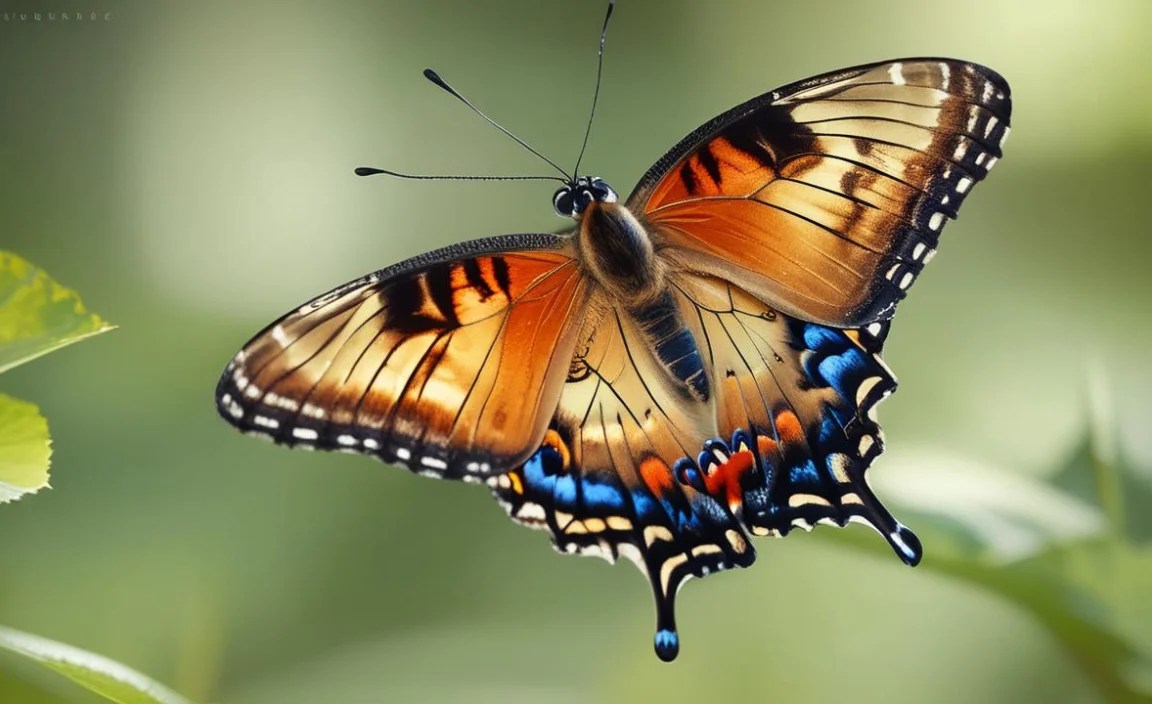
Despite the many threats, there are ongoing conservation efforts aimed at protecting butterflies in the Sahel. These efforts involve:
Habitat Restoration
Restoring degraded habitats is crucial for butterfly conservation. This includes:
- Reforestation: Planting trees to provide shade and habitat for butterflies.
- Grassland restoration: Restoring grasslands by controlling grazing and planting native grasses.
- Creating butterfly gardens: Establishing gardens with native plants that provide nectar and host plants for butterflies.
Sustainable Agriculture
Promoting sustainable agriculture practices can reduce the impact of farming on butterfly populations. This includes:
- Reducing pesticide use: Using alternative pest control methods, such as integrated pest management (IPM).
- Promoting crop diversity: Planting a variety of crops to provide habitat and food for butterflies.
- Conserving water: Using efficient irrigation methods to reduce water use and protect water sources.
Community Involvement
Engaging local communities in conservation efforts is essential for long-term success. This includes:
- Education: Raising awareness about the importance of butterflies and their role in the ecosystem.
- Training: Providing training on sustainable land management practices.
- Incentives: Providing incentives for communities to protect butterfly habitats.
Research and Monitoring
Research and monitoring are important for understanding butterfly populations and the threats they face. This includes:
- Surveys: Conducting surveys to monitor butterfly populations and identify important habitats.
- Research: Studying butterfly behavior, ecology, and genetics to inform conservation strategies.
- Data collection: Collecting data on habitat conditions and threats to butterflies.
How You Can Help Butterflies in the Sahel
Even if you don’t live in the Sahel, there are still ways you can help protect butterflies in this region:
- Support conservation organizations: Donate to organizations that are working to protect butterflies and their habitats in the Sahel.
- Raise awareness: Share information about the threats to butterflies in the Sahel with your friends and family.
- Reduce your carbon footprint: Take steps to reduce your carbon footprint, such as using public transportation, conserving energy, and eating locally sourced food.
- Advocate for change: Support policies that promote sustainable land management and reduce pesticide use.
Butterfly Conservation: A Summary Table
Here’s a table summarizing the key conservation efforts to protect butterflies in the Sahel:
| Conservation Effort | Description | Benefits |
|---|---|---|
| Habitat Restoration | Reforestation, grassland restoration, creating butterfly gardens | Provides habitat and food sources for butterflies |
| Sustainable Agriculture | Reducing pesticide use, promoting crop diversity, conserving water | Reduces the negative impact of farming on butterfly populations |
| Community Involvement | Education, training, incentives for conservation | Engages local communities in protecting butterflies |
| Research and Monitoring | Surveys, research on butterfly behavior, data collection | Informs conservation strategies and monitors butterfly populations |
The Future of Butterflies in the Sahel

The future of butterflies in the Sahel depends on our ability to address the threats they face and implement effective conservation strategies. By protecting and restoring habitats, promoting sustainable agriculture, and engaging local communities, we can help ensure that these beautiful creatures continue to thrive in this challenging environment. It requires a collaborative effort involving governments, organizations, and individuals to make a real difference.
Butterflies are more than just beautiful insects; they are an important part of the Sahel ecosystem. They play a crucial role in pollination and serve as a food source for other animals. By protecting butterflies, we are also protecting the health and resilience of the entire ecosystem. The National Geographic Society highlights the importance of biodiversity and conservation efforts to maintain ecological balance.
Let’s work together to create a future where butterflies in the Sahel can continue to flutter and thrive, bringing beauty and life to this unique and challenging region.


