
How to Raise Monarch Butterfly: Easy Guide

Raising monarch butterflies can be a rewarding experience! Here’s how: Start with milkweed plants to provide food for monarch caterpillars. Collect eggs or small caterpillars from the milkweed. Keep them in a safe enclosure with fresh milkweed and clean the enclosure regularly. Once the caterpillars form a chrysalis, wait for them to emerge as butterflies, then release them into a safe environment.
Have you ever dreamed of seeing a monarch butterfly flutter around your garden? It’s a truly magical sight! But what if you could do more than just watch? What if you could help these beautiful creatures thrive? Raising monarch butterflies from tiny eggs to magnificent adults is easier than you think, and it’s a fantastic way to connect with nature. Don’t worry if you’re new to this – this guide will give you simple steps to successfully raise monarch butterflies.
In this guide, I’ll walk you through each stage of the monarch’s life, from egg to butterfly, and show you exactly what you need to do to help them along the way. We’ll cover everything from setting up the perfect habitat to feeding your caterpillars and safely releasing your butterflies back into the wild. Let’s get started and create a haven for these iconic pollinators!
Why Raise Monarch Butterflies?
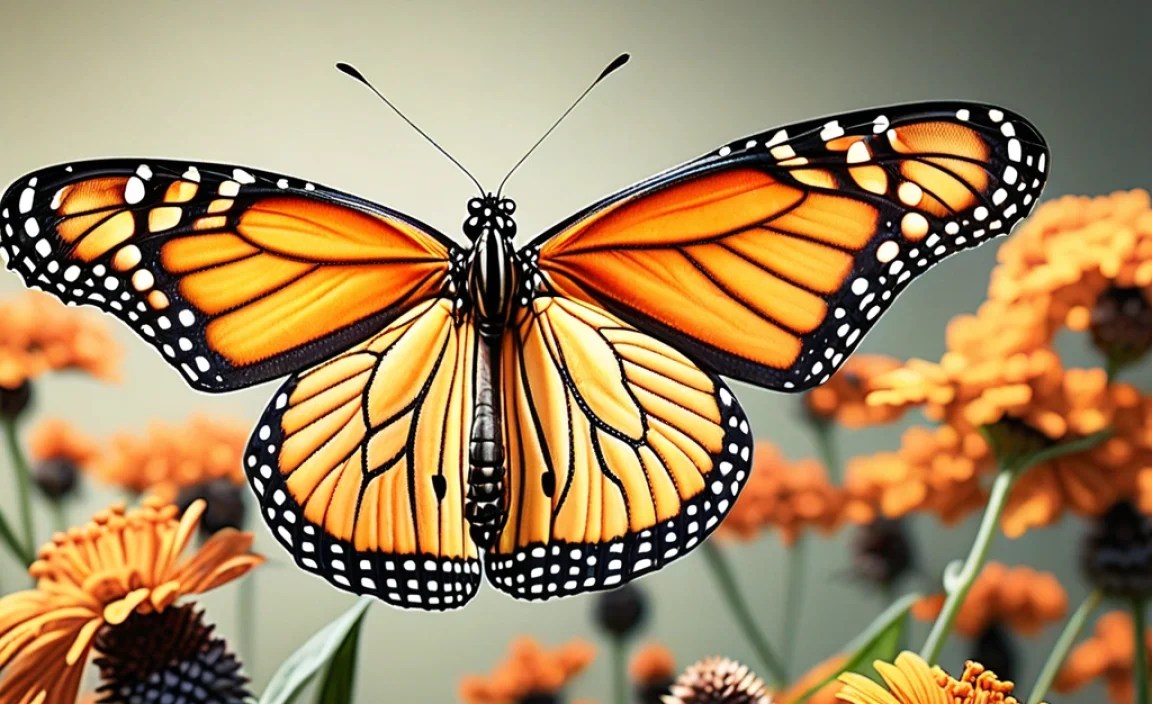
Monarch butterflies are more than just pretty insects; they play a vital role in our ecosystem. Sadly, their populations have been declining due to habitat loss and other environmental factors. By raising monarchs, you’re directly contributing to their conservation. Plus, it’s an incredible learning experience for both kids and adults!
- Conservation: Help boost the monarch population.
- Education: Learn about the butterfly life cycle firsthand.
- Connection with Nature: Experience the wonder of transformation.
Understanding the Monarch Butterfly Life Cycle

Before you start raising monarchs, it’s helpful to understand their life cycle. There are four stages:
- Egg: Tiny, pearl-like eggs laid on milkweed plants.
- Larva (Caterpillar): The eating and growing stage.
- Pupa (Chrysalis): The transformation stage.
- Adult Butterfly: The reproductive and migratory stage.
Knowing these stages will help you provide the right care at each step.
Step-by-Step Guide: How to Raise Monarch Butterflies

Here’s a comprehensive guide to help you successfully raise monarch butterflies.
Step 1: Finding Monarch Eggs and Caterpillars
The first step is finding monarch eggs or small caterpillars. Milkweed is the host plant for monarchs, so this is where you’ll find them. There are several types of milkweed, and monarchs aren’t picky – any kind will do!
- Inspect Milkweed Plants: Look for tiny, cream-colored eggs on the undersides of milkweed leaves.
- Check for Caterpillars: Small caterpillars are often found on or near milkweed leaves.
- Collect Carefully: If you find eggs or caterpillars, gently collect them.
Tip: Wear gloves when handling milkweed, as some people are sensitive to the sap.
Step 2: Setting Up a Monarch Habitat
Now that you have your eggs or caterpillars, you’ll need a safe and comfortable habitat.
- Choose an Enclosure: A mesh cage, aquarium, or plastic container with air holes works well.
- Clean the Enclosure: Wash the enclosure with soap and water to remove any contaminants.
- Add Fresh Milkweed: Provide a constant supply of fresh milkweed for the caterpillars to eat. Place the stems in a small jar of water to keep them fresh, and cover the opening to prevent caterpillars from falling in and drowning.
- Maintain Humidity: Mist the enclosure lightly with water to maintain humidity.
- Keep it Clean: Remove frass (caterpillar droppings) daily to prevent mold and disease.
Important: Avoid overcrowding the enclosure to prevent the spread of disease.
Step 3: Feeding Your Monarch Caterpillars
Monarch caterpillars are eating machines! They need a constant supply of fresh milkweed to grow.
- Provide Fresh Milkweed Daily: Replace the milkweed with fresh leaves every day.
- Wash Milkweed: Rinse the milkweed leaves with water to remove any pesticides or contaminants.
- Monitor Food Supply: Make sure the caterpillars always have enough to eat.
Tip: If you run out of fresh milkweed, you can store it in the refrigerator for a few days.
Step 4: Caring for the Chrysalis
Once the caterpillar is ready to pupate, it will hang upside down in a “J” shape and form a chrysalis. This stage usually lasts about 10-14 days.
- Do Not Disturb: Avoid touching or moving the chrysalis.
- Maintain Humidity: Keep the humidity in the enclosure consistent.
- Watch for Changes: The chrysalis will become clear just before the butterfly emerges.
Important: If the chrysalis falls, you can gently tape it to the side of the enclosure using masking tape or dental floss.
Step 5: Releasing Your Monarch Butterfly
After about two weeks, the chrysalis will become transparent, and you’ll be able to see the butterfly inside. Soon after, the butterfly will emerge.
- Wait for Wings to Dry: The butterfly will need a few hours to dry and expand its wings.
- Provide Nectar: Offer a shallow dish of sugar water (1 part sugar to 4 parts water) for the butterfly to feed on.
- Choose a Safe Location: Release the butterfly in a safe area with plenty of nectar sources, away from predators and traffic.
- Release in Good Weather: Release the butterfly on a warm, sunny day.
Tip: If the butterfly doesn’t fly right away, gently place it on a flower or plant. It will fly when it’s ready.
Creating a Butterfly-Friendly Garden
To support monarch butterflies and other pollinators, consider creating a butterfly-friendly garden.
- Plant Milkweed: Provide a host plant for monarch caterpillars.
- Plant Nectar Flowers: Offer a variety of nectar-rich flowers for adult butterflies.
- Provide Water: Offer a shallow dish of water with pebbles for butterflies to drink from.
- Avoid Pesticides: Use natural pest control methods to protect butterflies and other beneficial insects.
Dealing with Common Problems
Sometimes, things don’t go as planned. Here are some common problems and how to deal with them.
| Problem | Solution |
|---|---|
| Caterpillars dying | Ensure fresh, pesticide-free milkweed; clean enclosure regularly. |
| Chrysalis falling | Gently tape it to the side of the enclosure. |
| Butterfly not flying | Give it time to dry its wings; offer sugar water. |
| Disease | Isolate affected caterpillars; sanitize the enclosure. |
Supplies You’ll Need
Here’s a list of supplies you’ll need to raise monarch butterflies:
- Milkweed plants
- Enclosure (mesh cage, aquarium, or plastic container)
- Spray bottle
- Paper towels
- Shallow dish
- Sugar
Monarch Butterfly Migration
One of the most fascinating aspects of monarch butterflies is their incredible migration. Monarchs east of the Rocky Mountains migrate thousands of miles to overwinter in the oyamel fir forests of central Mexico. Monarchs west of the Rocky Mountains overwinter in California.
The monarch migration is a multi-generational journey. The butterflies that make it to the overwintering sites are several generations removed from the ones that started the journey north. These overwintering butterflies then begin the journey back north in the spring, laying eggs along the way. It takes multiple generations to complete the cycle.
Learn more about monarch butterfly migration from organizations like the World Wildlife Fund.
Monarch Butterfly Conservation
Monarch butterfly populations have declined significantly in recent decades due to habitat loss, climate change, and pesticide use. You can help protect monarch butterflies by:
- Planting milkweed and nectar flowers
- Avoiding pesticide use
- Supporting organizations that work to protect monarch habitats
- Educating others about the importance of monarch conservation
Organizations like the Xerces Society are dedicated to protecting invertebrates and their habitats, including monarch butterflies. By supporting these organizations, you can help ensure that future generations will be able to enjoy the beauty of monarch butterflies.
Fun Facts About Monarch Butterflies
Here are some fun facts about monarch butterflies:
- Monarch caterpillars can eat an entire milkweed leaf in about five minutes.
- Monarch butterflies use their antennae to smell and taste.
- Monarch butterflies have a wingspan of about 3-4 inches.
- Monarch butterflies can fly up to 25 miles per hour.
- Monarch butterflies are poisonous to predators because they eat milkweed, which contains toxins called cardiac glycosides.
The Symbolic Meaning of Monarch Butterflies
Monarch butterflies hold deep symbolic meaning across cultures.
- Transformation: Representing change and personal growth.
- Resurrection: Symbolizing hope and new beginnings.
- Endurance: Reflecting the long journey of migration.
- Beauty: Reminding us of nature’s delicate artistry.
These meanings add another layer of appreciation to these incredible creatures, connecting us to their life cycle and journey on a spiritual level.
Tips for Photographing Monarch Butterflies
Capturing the beauty of monarch butterflies through photography can be a rewarding experience. Here are some tips to help you get stunning shots:
- Use a Macro Lens: This allows you to capture the intricate details of the butterfly’s wings and body.
- Shoot in Natural Light: Avoid using flash, as it can startle the butterfly and wash out the colors.
- Focus Carefully: Make sure your focus is sharp, especially on the butterfly’s eyes or antennae.
- Be Patient: Butterflies are constantly moving, so be patient and wait for the right moment.
- Capture Behavior: Try to capture interesting behaviors, such as feeding on nectar or resting on a leaf.
Frequently Asked Questions (FAQ)
What do monarch caterpillars eat?
Monarch caterpillars exclusively eat milkweed leaves. Make sure to provide them with a constant supply of fresh milkweed.
How long does it take for a monarch butterfly to emerge from its chrysalis?
It typically takes about 10-14 days for a monarch butterfly to emerge from its chrysalis.
How do I know when a monarch butterfly is about to emerge?
The chrysalis will become clear just before the butterfly emerges, allowing you to see the butterfly inside.
What should I do if a monarch butterfly’s chrysalis falls?
Gently tape the chrysalis to the side of the enclosure using masking tape or dental floss.
When is the best time to release a monarch butterfly?
Release the butterfly on a warm, sunny day, away from predators and traffic.
How can I attract monarch butterflies to my garden?
Plant milkweed and nectar flowers, provide a water source, and avoid using pesticides.
Are monarch butterflies endangered?
Monarch butterfly populations have declined significantly in recent years, and they are considered a species of concern. Efforts are underway to protect and restore their habitats.
Conclusion
Raising monarch butterflies is a truly rewarding experience. It’s a chance to connect with nature, learn about the butterfly life cycle, and contribute to the conservation of these beautiful creatures. By following these steps, you can help ensure that future generations will be able to enjoy the magic of monarch butterflies. So, go ahead and start your own monarch-raising adventure – you won’t regret it!


