
Butterfly Identification By Season: The Ultimate Guide

Have you ever seen a butterfly? They flutter around in gardens. They are very pretty. Did you know you can tell them apart? It’s called butterfly identification. You can even use the season to help! Knowing when they fly helps with butterfly identification by season. It’s like a fun detective game.
Key Takeaways
- Butterfly identification by season can be a fun and educational outdoor activity for families.
- Different butterfly species emerge and are active during specific seasons.
- Knowing common butterflies in your area helps with identification all year.
- Look for unique colors, patterns, and sizes to identify each butterfly.
- Use field guides and online resources to learn more about butterfly identification.
Butterfly Identification by Season: An Overview
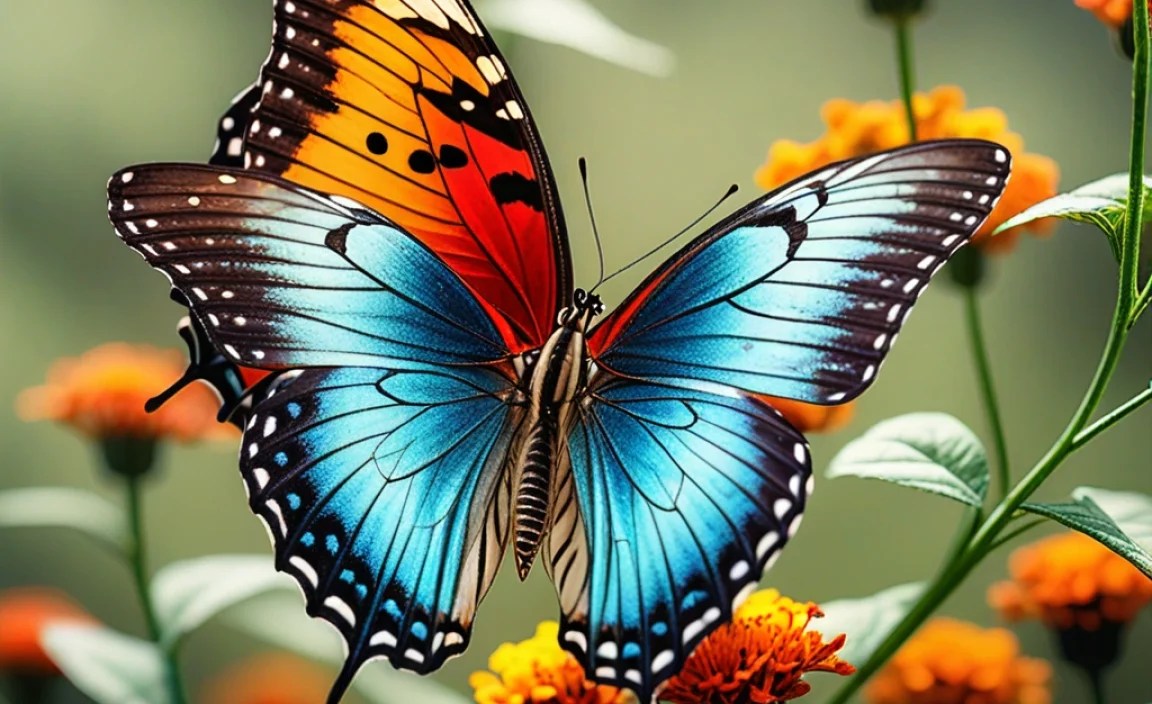
Butterfly identification by season is a fascinating hobby. It connects you with nature. It helps you learn about the world around you. Many butterflies are only seen during certain times of the year. Some appear in the spring when flowers bloom. Others wait until the summer heat. Still others come out in the fall before winter arrives. By knowing when to look, you can narrow down the possibilities. This makes it easier to figure out which butterfly you are seeing. Think of it like this: Some toys only come out during holidays. You wouldn’t look for Christmas decorations in July, right? The same idea applies to butterflies. Some fly in spring, some in summer, and some in fall. When you understand this, identification becomes much easier and more fun.
- Spring brings out the first butterflies.
- Summer is the peak season for butterflies.
- Fall sees fewer butterflies around.
- Location affects what butterflies you see.
- Butterfly gardens attract more species.
Imagine you’re a nature detective. Your mission is to identify every butterfly you see. The first thing you do is check the calendar. Is it spring, summer, or fall? Each season brings different butterflies to your area. For example, the Monarch butterfly is famous for its fall migration. You are more likely to see it then. Some butterflies might only be around for a few weeks. Others might stick around for a couple of months. Keep a notebook. Write down the date and the butterflies you spot. Over time, you’ll start to see patterns. You’ll know which butterflies to expect in each season. This makes identification much easier and more rewarding. It’s like learning the secret code of the butterfly world.
Fun Fact or Stat: Monarch butterflies migrate thousands of miles each fall!
Why Does Timing Matter?
Why is timing so important for butterfly identification? Butterflies emerge when their food is available. Plants bloom at different times of the year. Some plants flower in the spring. Others wait until summer. Butterflies need nectar to survive. The butterfly life cycle depends on the season. Caterpillars hatch and grow when their food plants are ready. They turn into butterflies when the weather is right. Some butterflies have multiple generations in a year. Others only have one. Knowing the timing helps you know which butterflies to expect. It’s like knowing when your favorite fruit will be ripe. You wouldn’t look for strawberries in December, would you?
Butterfly Life Cycles and Seasons
The butterfly life cycle plays a big part in seasonal appearances. Most butterflies start as eggs. These eggs hatch into caterpillars. Caterpillars eat and grow. Then, they form a chrysalis. Inside the chrysalis, they transform into butterflies. The whole process can take weeks or months. The timing depends on the species and the weather. For example, some butterflies overwinter as pupae. They emerge in the spring when it warms up. Others overwinter as adults. They might be the first butterflies you see in the spring. Understanding the life cycle helps you predict when butterflies will appear. It also helps you understand why they are only around for a short time.
Using Phenology for Identification
Have you heard of phenology? It is the study of seasonal events in nature. This includes when plants bloom. It also includes when butterflies emerge. Phenology can be a great tool for butterfly identification. By tracking when certain plants flower, you can predict when certain butterflies will appear. For example, if you know that milkweed blooms in early summer, you can expect to see Monarch butterflies around that time. There are many resources online that track phenological events. You can use these resources to plan your butterfly watching trips. It’s like having a secret calendar for nature’s events.
Spring Butterfly Identification Tips
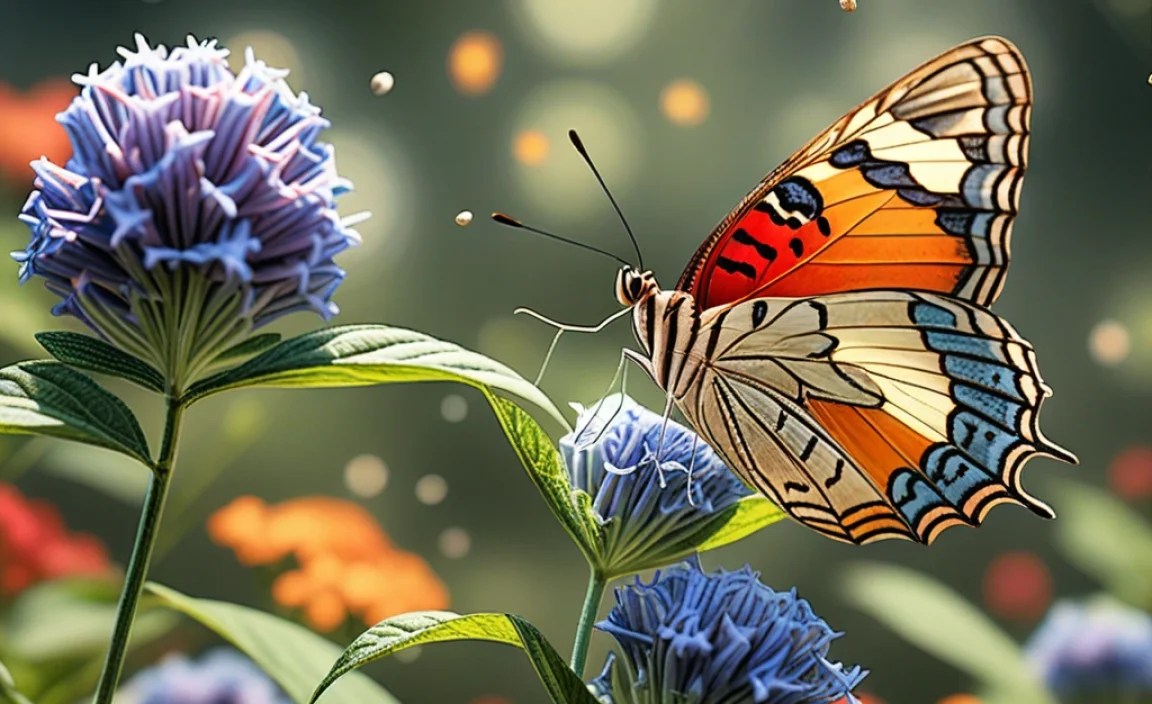
Spring is a special time for butterfly identification. After a long winter, the first butterflies start to emerge. These early butterflies are often eager to find nectar. They are easier to spot. Spring butterflies tend to be smaller. They also have brighter colors. This helps them attract mates and find food. Some common spring butterflies include the Spring Azure and the Mourning Cloak. The Spring Azure is a small, blue butterfly. The Mourning Cloak is a large, dark butterfly with yellow edges. Look for them near blooming trees and flowers. Keep an eye out for other early risers. Spring is a great time to start your butterfly watching adventure. It’s like the grand opening of the butterfly season!
- Look for butterflies near spring flowers.
- Check sunny spots on warm days.
- Learn to identify common spring species.
- Bring a field guide with you.
- Take photos to help with identification.
Imagine you are walking through a garden in April. The air is fresh. The flowers are blooming. Suddenly, you see a small, blue butterfly flitting around. It’s probably a Spring Azure. These butterflies are among the first to emerge in the spring. They are a welcome sign that warmer weather is here. They often visit the blossoms of dogwood and other early-blooming trees. Another spring butterfly is the Mourning Cloak. This butterfly is unique. It can survive the winter as an adult. You might see it on a warm day in early spring. These butterflies are a reminder that nature is waking up after a long sleep. They are a symbol of hope and renewal. Keep your eyes open. Spring is a great time to see these beautiful creatures.
Fun Fact or Stat: Some butterflies can fly even when it’s cold because they can shiver to warm up their flight muscles!
Spotting Early Risers
How can you spot the early risers of the butterfly world? First, pay attention to the weather. Butterflies need warmth to fly. They are more likely to be active on sunny days. Look for them in sheltered spots. These spots protect them from the wind. Early spring flowers are another good place to look. These flowers provide nectar for hungry butterflies. Some early risers include the Eastern Comma and the Question Mark. These butterflies have unique markings that help them blend in with their surroundings. They are masters of camouflage. Spotting them takes a keen eye.
Spring Azure Identification
The Spring Azure is a common spring butterfly. It is small and blue. It can be tricky to identify. There are other blue butterflies that look similar. Look for the Spring Azure near its host plants. These plants include dogwood and viburnum. The caterpillars feed on the leaves of these plants. The Spring Azure has a weak, fluttering flight. It often flies close to the ground. Look for it in wooded areas. The Spring Azure is a beautiful addition to the spring landscape. It is a sign that warmer weather is on the way.
Mourning Cloak Characteristics
The Mourning Cloak is a unique butterfly. It is one of the few that can survive the winter as an adult. It is a large, dark butterfly with yellow edges. These yellow edges make it easy to identify. The Mourning Cloak is often seen near woodlands and forests. It feeds on tree sap and rotting fruit. It does not always visit flowers. The Mourning Cloak is a symbol of resilience. It shows that even in the darkest of times, there is always hope. It is a reminder that nature is full of surprises.
Summer Butterfly Identification Strategies
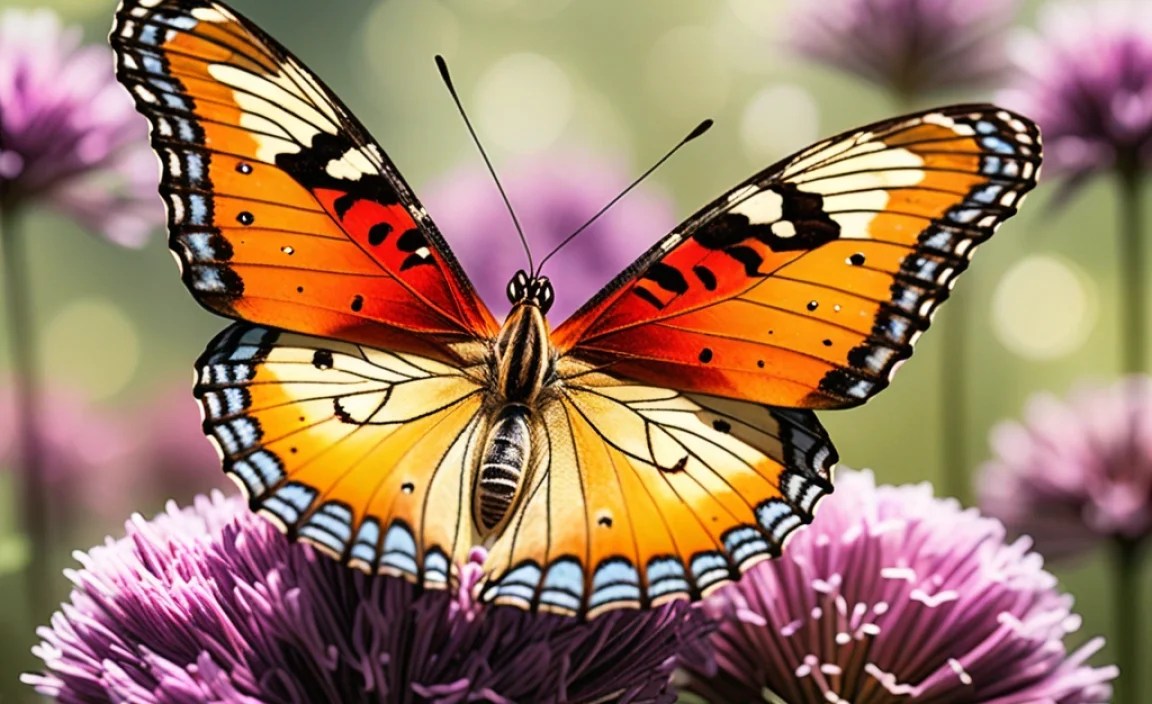
Summer is the best time for butterfly identification. The weather is warm. Flowers are blooming. Butterflies are everywhere! You can see many different kinds of butterflies in the summer. Some common summer butterflies include the Monarch, the Swallowtail, and the Painted Lady. The Monarch is famous for its orange and black wings. The Swallowtail is large. It has beautiful patterns. The Painted Lady is smaller. It has a mix of colors. Summer is the perfect time to explore your backyard. Visit local parks. Go on a butterfly safari. You might be surprised at what you find. Just remember to be patient. Butterfly identification takes time and practice. With a little effort, you’ll become a butterfly expert in no time.
- Visit butterfly gardens in the summer.
- Look for butterflies in meadows and fields.
- Learn to identify common summer species.
- Use binoculars to get a closer look.
- Join a butterfly watching group.
Imagine you’re walking through a field of wildflowers in July. The sun is shining. Bees are buzzing. Suddenly, you see a flash of orange. It’s a Monarch butterfly! Monarchs are some of the most recognizable butterflies in North America. They are known for their long migration. They fly thousands of miles each year. Another common summer butterfly is the Swallowtail. These butterflies are large and graceful. They often visit flowers like milkweed and thistle. Summer is a time of abundance. The butterfly world is no exception. Take advantage of the warm weather and long days. Get outside and explore. You never know what you might discover.
Fun Fact or Stat: Some butterflies taste with their feet!
Identifying Monarchs
Monarchs are easy to identify. They have bright orange wings with black veins. They also have a black border with white spots. Male Monarchs have two black spots on their hindwings. Female Monarchs do not. Monarchs are important pollinators. They help spread pollen from flower to flower. Monarch populations are declining. This is due to habitat loss and other factors. You can help Monarchs by planting milkweed in your garden. Milkweed is the only food source for Monarch caterpillars. By planting milkweed, you can provide a home for these beautiful butterflies.
Swallowtail Varieties
Swallowtails are large and beautiful butterflies. They come in many different colors and patterns. Some common Swallowtails include the Eastern Tiger Swallowtail, the Black Swallowtail, and the Spicebush Swallowtail. The Eastern Tiger Swallowtail is yellow with black stripes. The Black Swallowtail is black with yellow spots. The Spicebush Swallowtail is dark with blue and green markings. Swallowtails are often seen visiting flowers. They are especially fond of milkweed and butterfly bush. They are a joy to watch. They add beauty to the summer landscape.
Painted Lady Distinctions
The Painted Lady is a small, colorful butterfly. It has a mix of orange, brown, and white markings. It is often mistaken for the Monarch. The Painted Lady is smaller than the Monarch. It also has different patterns on its wings. Painted Ladies are migratory butterflies. They travel long distances each year. They can be found all over the world. They are a symbol of resilience. They can adapt to many different environments. They are a reminder that beauty can be found even in the most unexpected places.
Fall Butterfly Identification Challenges

Fall brings new challenges for butterfly identification. Many butterflies are starting to disappear. They are either migrating or preparing for winter. The weather is getting colder. This makes it harder to spot butterflies. However, there are still some butterflies to be seen in the fall. These include late-season migrants and overwintering species. Some common fall butterflies include the Monarch, the Clouded Sulphur, and the American Lady. The Monarch is still migrating south. The Clouded Sulphur is a small, yellow butterfly. The American Lady is similar to the Painted Lady. It has distinctive eye spots on its wings. Fall can be a rewarding time for butterfly identification. You might see something unexpected. It’s like a farewell tour for the butterfly season.
- Focus on late-season migrants.
- Look for butterflies on sunny days.
- Check flowering plants that bloom late in the season.
- Be patient and observant.
- Record your sightings for future reference.
Imagine you’re taking a walk on a crisp October day. The leaves are changing color. The air is cool. You might not expect to see any butterflies. But if you look closely, you might be surprised. Some butterflies are still active in the fall. They are trying to get as much nectar as possible before winter arrives. The Monarch is a common sight in the fall. It is migrating south to its overwintering grounds. The Clouded Sulphur is another fall butterfly. It is small and yellow. It can be seen flying even on cool days. Fall is a time of transition. The butterfly world is also changing. Take the time to appreciate the last of the butterflies before winter sets in.
Fun Fact or Stat: Some butterflies can fly up to 30 miles per hour!
Late-Season Migrants
Late-season migrants are butterflies that migrate south in the fall. The Monarch is the most famous example. Other late-season migrants include the Cloudless Sulphur and the Buckeye. These butterflies are traveling to warmer climates. They cannot survive the winter in colder regions. They are driven by instinct. They are following a path that has been passed down for generations. They are a reminder of the power of nature. They are a symbol of hope and resilience.
Clouded Sulphur Identification
The Clouded Sulphur is a small, yellow butterfly. It is common in the fall. It can be identified by its yellow color and black wing margins. The Clouded Sulphur is often seen flying in open fields and meadows. It feeds on nectar from a variety of flowers. It is a fast flier. It can be difficult to photograph. It is a welcome sight in the fall. It adds a touch of color to the autumn landscape.
American Lady Distinctions
The American Lady is similar to the Painted Lady. It can be difficult to tell them apart. The American Lady has two large eye spots on its hindwings. The Painted Lady does not. The American Lady is often seen in open areas. It feeds on nectar from a variety of flowers. It is a migratory butterfly. It can be found all over North America. It is a symbol of beauty and grace. It is a reminder that even small creatures can travel great distances.
Butterfly Habitats and Seasonal Changes
Butterfly habitats change with the seasons. This affects which butterflies you will see. In the spring, you’ll find butterflies near blooming trees and flowers. In the summer, you’ll find them in meadows and fields. In the fall, you’ll find them near late-blooming plants. Some butterflies are very picky about their habitat. They only live in certain areas. Others are more adaptable. They can live in a variety of places. Understanding butterfly habitats can help you with identification. It can also help you protect these important creatures. Butterflies need our help. We can provide them with food and shelter. We can protect their habitats. Together, we can ensure that butterflies thrive for generations to come.
- Observe how habitats change throughout the year.
- Learn which plants attract butterflies in each season.
- Create a butterfly garden in your backyard.
- Protect natural habitats from development.
- Support organizations that conserve butterfly habitats.
Imagine you’re a butterfly. Where would you want to live? You would want a place with plenty of food. You would also want a place with shelter. Butterflies need different things in different seasons. In the spring, they need nectar from flowers. In the summer, they need host plants for their caterpillars. In the fall, they need places to overwinter. We can help butterflies by providing them with these things. We can plant butterfly gardens. We can protect natural habitats. We can make a difference in the lives of these beautiful creatures. Every little bit helps. Even a small garden can make a big difference.
Fun Fact or Stat: Butterflies have four wings, not two!
Spring Habitats
Spring habitats are full of new life. Trees are budding. Flowers are blooming. Butterflies are emerging. Look for butterflies near woodlands and forests. These areas provide shelter and food. Early spring flowers are a good source of nectar. Dogwood, redbud, and willow are all good choices. Plant these trees and shrubs in your yard. You will attract butterflies. You will also provide habitat for other wildlife.
Summer Habitats
Summer habitats are full of color and activity. Meadows and fields are full of wildflowers. Butterflies are everywhere. Look for butterflies near milkweed, thistle, and butterfly bush. These plants provide nectar and host plants for caterpillars. Plant these flowers in your garden. You will create a butterfly paradise. You will also attract bees and other pollinators.
Fall Habitats
Fall habitats are changing. Leaves are falling. Flowers are fading. Butterflies are preparing for winter. Look for butterflies near late-blooming plants. Asters, goldenrod, and sedum are all good choices. Leave some leaf litter in your yard. This provides shelter for overwintering butterflies. You will help them survive the winter. You will also provide habitat for other insects.
Tools for Butterfly Identification by Season
There are many tools that can help with butterfly identification by season. Field guides are a great resource. They provide information about different species. They also have pictures and descriptions. Online resources are also helpful. There are many websites and apps that can help you identify butterflies. Binoculars can help you get a closer look. A camera can help you take pictures. A notebook can help you keep track of your sightings. With the right tools, you can become a butterfly expert. You can also share your knowledge with others. Butterfly watching is a fun and rewarding hobby. It can connect you with nature. It can also help you learn about the world around you.
- Use field guides to identify species.
- Explore online resources and apps.
- Use binoculars for closer observation.
- Take photos for later identification.
- Keep a notebook to record your sightings.
Imagine you’re going on a butterfly safari. What tools would you bring? You would definitely want a field guide. This will help you identify the butterflies you see. You would also want binoculars. This will allow you to get a closer look. A camera is also a good idea. You can take pictures of the butterflies you see. A notebook is essential. You can record your sightings. With these tools, you’ll be ready for anything. You’ll be able to identify butterflies with confidence. You’ll also be able to learn more about these amazing creatures.
Fun Fact or Stat: Some female butterflies only lay one egg at a time!
Field Guides
Field guides are essential for butterfly identification. They provide detailed information about different species. They include pictures, descriptions, and range maps. Peterson Field Guides and National Audubon Society Field Guides are popular choices. Choose a field guide that is specific to your region. This will make identification easier. Practice using your field guide. Learn to identify common species. You will become a butterfly expert in no time.
Online Resources
Online resources are a valuable tool for butterfly identification. There are many websites and apps that can help you. BugGuide.net and iNaturalist are popular choices. These resources allow you to compare photos. They also provide expert identification. Use online resources to supplement your field guide. You will learn even more about butterflies. You will also connect with other butterfly enthusiasts.
Binoculars and Cameras
Binoculars and cameras are helpful for butterfly identification. Binoculars allow you to get a closer look. This can help you see details that you might otherwise miss. Cameras allow you to take pictures. This can help you identify butterflies later. Choose binoculars and cameras that are lightweight and easy to use. You will be more likely to take them with you on your butterfly adventures. You will also capture amazing photos.
Regional Butterfly Identification by Season
Butterfly identification by season varies by region. Different regions have different climates. They also have different plant communities. This affects which butterflies you will see. In the Northeast, you might see Monarchs and Swallowtails. In the Southeast, you might see Gulf Fritillaries and Zebra Swallowtails. In the Midwest, you might see Viceroys and Painted Ladies. In the Southwest, you might see Queens and Pipevine Swallowtails. In the Pacific Northwest, you might see Anise Swallowtails and Lorquin’s Admirals. Understanding regional differences can help you with identification. It can also help you appreciate the diversity of butterflies. Butterflies are everywhere. They are a reminder of the beauty and complexity of nature.
- Learn about the butterflies in your region.
- Visit local parks and nature centers.
- Join a local butterfly watching group.
- Use regional field guides.
- Share your sightings with others.
Imagine you’re traveling across the country. You’re visiting different regions. You would expect to see different butterflies in each region. The butterflies in the Northeast are different from the butterflies in the Southwest. This is because the climates are different. The plants are different. The habitats are different. Learning about regional differences can make butterfly identification more fun. It can also help you appreciate the diversity of nature. So, pack your bags. Get ready to explore. The butterfly world is waiting for you.
Fun Fact or Stat: Some butterflies can see ultraviolet light!
Northeast Species
The Northeast is home to many beautiful butterflies. Monarchs, Swallowtails, and Viceroys are common. Look for these butterflies in meadows and fields. They are often seen visiting flowers. They are a welcome sight in the summer. They add beauty to the landscape. They are a reminder of the importance of pollinators.
Southeast Species
The Southeast is known for its colorful butterflies. Gulf Fritillaries, Zebra Swallowtails, and Pipevine Swallowtails are common. Look for these butterflies in gardens and woodlands. They are often seen visiting nectar plants. They are a joy to watch. They add a touch of magic to the air. They are a symbol of the region’s natural beauty.
Southwest Species
The Southwest is home to unique butterflies. Queens, Pipevine Swallowtails, and Bordered Patch butterflies are common. Look for these butterflies in deserts and canyons. They are adapted to the harsh climate. They are a testament to the power of adaptation. They are a reminder of the resilience of life.
| Season | Northeast | Southeast | Southwest |
|---|---|---|---|
| Spring | Spring Azure | Zebra Swallowtail | Pipevine Swallowtail |
| Summer | Monarch | Gulf Fritillary | Queen |
| Fall | Clouded Sulphur | Cloudless Sulphur | Dainty Sulphur |
| Winter | Mourning Cloak | Long-tailed Skipper | Sleepy Orange |
Summary
Butterfly identification by season is a fun and rewarding hobby. It connects you with nature. It helps you learn about the world around you. By paying attention to the season, you can narrow down the possibilities. This makes identification easier. Spring brings out the first butterflies. Summer is the peak season. Fall sees fewer butterflies around. Each region has its own unique species. Use field guides and online resources to help you. Butterfly watching is a great way to spend time outdoors. It is also a great way to learn about science and nature. So, get outside and explore. The butterfly world is waiting for you.
Conclusion
Butterflies are beautiful and fascinating creatures. Butterfly identification by season is a great way to learn more about them. You can learn to tell different species apart. You can also learn about their life cycles and habitats. Pay attention to the season. Use field guides and online resources. Get outside and explore. You’ll be amazed at what you discover. Butterflies are a reminder of the beauty and wonder of the natural world. Let’s protect them and their habitats. They are important to our ecosystem.
Frequently Asked Questions
Question No 1: Why is butterfly identification by season important?
Answer: Butterfly identification by season is important because it helps you understand when certain species are active. Different butterflies emerge and are visible during different times of the year. Knowing the season can help you narrow down the possibilities when you’re trying to identify a butterfly. For example, you wouldn’t expect to see a butterfly that typically emerges in summer during the winter months. This knowledge makes the identification process much easier and more efficient. It also allows you to better appreciate the life cycles and habits of these fascinating insects. You can also plan your butterfly watching trips better.
Question No 2: What are some common spring butterflies?
Answer: In the spring, you can expect to see several types of butterflies emerging. Some common spring butterflies include the Spring Azure, Mourning Cloak, and Eastern Comma. The Spring Azure is a small, blue butterfly. The Mourning Cloak is a larger, dark butterfly with yellow borders. The Eastern Comma has distinctive comma-shaped markings on its wings. These butterflies are often among the first to emerge after the winter. They can be seen flitting around early blooming flowers and trees. Keep an eye out for these early risers as you explore nature in the spring.
Question No 3: How does the butterfly life cycle affect seasonal appearances?
Answer: The butterfly life cycle plays a significant role in their seasonal appearances. Most butterflies go through four stages: egg, larva (caterpillar), pupa (chrysalis), and adult. The timing of these stages varies depending on the species and the climate. Some butterflies overwinter as eggs, larvae, or pupae. They emerge as adults in the spring or summer. Others migrate to warmer climates to avoid the cold. Understanding the butterfly life cycle can help you predict when certain species will be active. This knowledge is essential for accurate butterfly identification by season. It also makes you appreciate how nature works.
Question No 4: What tools can help with butterfly identification by season?
Answer: Several tools can assist with butterfly identification by season. A good field guide is essential. It provides pictures and descriptions of different species. Online resources like websites and apps can also be helpful. These resources often have large databases of butterfly images and information. Binoculars can help you get a closer look at butterflies without disturbing them. A camera allows you to take pictures for later identification. Keeping a notebook to record your sightings and observations is also a great idea. With these tools, you can become a confident butterfly identifier.
Question No 5: How can I create a butterfly-friendly habitat in my backyard?
Answer: Creating a butterfly-friendly habitat in your backyard is a great way to attract these beautiful insects. Plant a variety of nectar-rich flowers that bloom throughout the season. Include host plants for caterpillars. Milkweed is essential for Monarchs. Avoid using pesticides. Provide a shallow dish of water for butterflies to drink. Offer sunny spots for them to bask. Shelter from the wind is also important. Leave some leaf litter in the fall. This provides overwintering habitat. By following these tips, you can create a welcoming haven for butterflies in your own backyard.
Question No 6: What should I do if I find an injured butterfly?
Answer: If you find an injured butterfly, handle it with care. If the butterfly has a broken wing, you can try to stabilize it with a small piece of tape. Be careful not to get tape on the scales. Offer the butterfly some sugar water. Mix one part sugar with four parts water. Place the mixture on a sponge or cotton ball. Put the butterfly in a safe, sheltered location. This will give it a chance to recover. If the butterfly’s injuries are severe, contact a local butterfly rescue organization or wildlife rehabilitator for assistance. Sometimes, the best thing is to let nature take its course.


