
Butterfly Life Span Chart: The Ultimate Guide

Quick Summary: Butterfly lifespans vary greatly depending on the species. Some butterflies live only a few weeks as adults, focusing on reproduction. Others, like Monarchs, can live for several months, especially if they overwinter. Environmental factors like temperature, food availability, and predation also play crucial roles in determining how long a butterfly lives. This chart will help you understand the typical life spans of common butterfly species.
Butterflies, with their vibrant colors and graceful flight, are a joy to see in our gardens and natural spaces. Have you ever wondered how long these delicate creatures live? It’s a question I often hear, and the answer is more complex than you might think! Butterfly lifespans vary greatly, influenced by species, habitat, and even the time of year they emerge. Understanding these life cycles helps us appreciate the beauty and fragility of butterflies and encourages us to protect their habitats. Let’s explore the fascinating world of butterfly life spans together, and I’ll provide a helpful chart to guide you. You’ll soon discover the incredible diversity in their life cycles, from the speedy flutterers to the long-lived migrants.
Understanding Butterfly Life Cycles

Butterflies undergo a complete metamorphosis, meaning they have four distinct life stages: egg, larva (caterpillar), pupa (chrysalis), and adult. Each stage plays a critical role in the butterfly’s life cycle and overall lifespan.
- Egg: Butterflies lay their eggs on specific host plants that will serve as food for the caterpillars.
- Larva (Caterpillar): The caterpillar stage is all about eating and growing. Caterpillars molt several times as they increase in size.
- Pupa (Chrysalis): Inside the chrysalis, the caterpillar transforms into a butterfly. This stage can last from a few days to several weeks.
- Adult: The adult butterfly emerges from the chrysalis, ready to reproduce. The primary goal of most adult butterflies is to mate and lay eggs, ensuring the continuation of their species.
Factors Affecting Butterfly Lifespan

Several factors influence how long a butterfly lives. These can be broadly categorized into species-specific traits and environmental conditions.
Species-Specific Traits
Different butterfly species have evolved different life strategies. Some species prioritize rapid reproduction, while others invest in longer lifespans to allow for migration or overwintering.
Environmental Conditions
Environmental factors play a significant role in butterfly survival and lifespan:
- Temperature: Butterflies are cold-blooded, so temperature affects their activity levels and development. Warmer temperatures generally speed up development, while colder temperatures can slow it down or even cause death.
- Food Availability: Adult butterflies need nectar for energy, and caterpillars need a steady supply of host plants. Lack of food can shorten lifespans.
- Predation: Butterflies are prey for birds, spiders, and other insects. Predation pressure can significantly reduce the number of butterflies that survive to reproduce.
- Habitat Quality: The availability of suitable habitat, including host plants, nectar sources, and shelter, is crucial for butterfly survival.
- Pesticide Use: Insecticides can directly kill butterflies or harm their host plants, negatively impacting their populations and lifespans.
Butterfly Life Span Chart
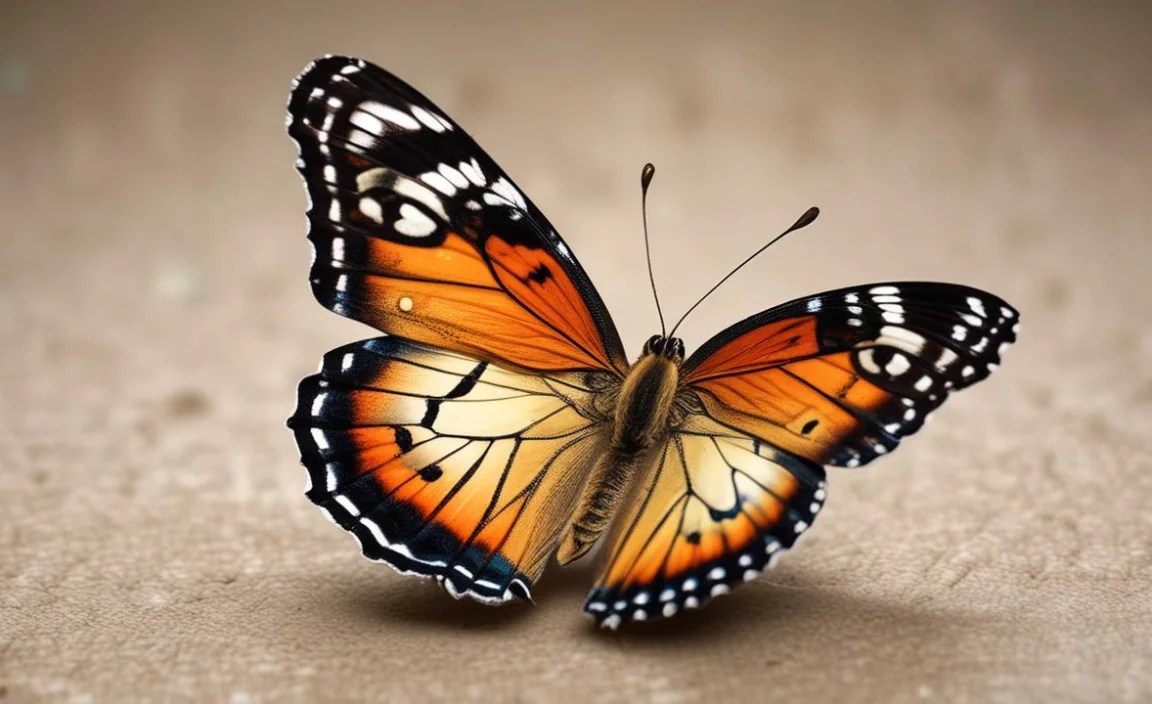
Here’s a chart showcasing the typical lifespan of various butterfly species. Keep in mind these are averages, and individual butterflies may live shorter or longer lives depending on environmental conditions and other factors.
| Butterfly Species | Typical Adult Lifespan | Notes |
|---|---|---|
| Monarch (Danaus plexippus) | 2-6 weeks (summer generation); up to 9 months (migratory generation) | Migratory generation overwinters in Mexico and California. |
| Painted Lady (Vanessa cardui) | 2-4 weeks | Highly migratory; several generations per year. |
| Swallowtail (various species, e.g., Papilio machaon, Papilio glaucus) | 2 weeks to 2 months (depending on species and generation) | Some species have multiple generations per year. |
| Cabbage White (Pieris rapae) | 2-3 weeks | Common garden butterfly; multiple generations per year. |
| Mourning Cloak (Nymphalis antiopa) | 10-11 months | Overwinters as an adult; one of the longest-lived butterflies. |
| Comma (Polygonia c-album) | Up to 10 months | Overwinters as an adult. |
| Red Admiral (Vanessa atalanta) | 6-12 months | Migratory and overwinters in warmer climates. |
| Buckeye (Junonia coenia) | 2-5 weeks | Several generations per year. |
| Spring Azure (Celastrina ladon) | 1-2 weeks | One of the shortest-lived butterflies. |
| Blues (various species, e.g., Polyommatus icarus) | 1-3 weeks | Small butterflies; several generations per year in some species. |
Detailed Look at Butterfly Lifespans

Let’s dive deeper into the lifespans of some well-known butterfly species.
Monarch Butterfly (Danaus plexippus)
The Monarch is famous for its incredible migration. Summer generation Monarchs typically live only a few weeks, focusing on reproduction. However, the generation that migrates to Mexico or California can live up to nine months, overwintering before returning north to breed. This extended lifespan is crucial for the Monarch’s migratory cycle. The Monarch butterfly is a classic example of how migration impacts lifespan.
Painted Lady (Vanessa cardui)
The Painted Lady is another migratory butterfly with a relatively short lifespan of 2-4 weeks. It undertakes long-distance migrations, often across continents. Multiple generations occur each year, with each generation continuing the migratory journey.
Swallowtail Butterflies (Papilio spp.)
Swallowtail butterflies are a diverse group, and their lifespans vary depending on the species and generation. Some Swallowtails may live only a couple of weeks, while others can live up to two months. Several species have multiple generations per year, allowing them to take advantage of favorable conditions.
Mourning Cloak (Nymphalis antiopa)
The Mourning Cloak is one of the longest-lived butterflies, with a lifespan of up to 10-11 months. It overwinters as an adult, often in sheltered locations such as tree cavities or under loose bark. This overwintering behavior allows it to survive the cold winter months and emerge in the spring.

How to Help Butterflies Live Longer

As a naturalist, I believe we all have a role to play in protecting butterflies and their habitats. Here are some ways you can help butterflies thrive:
- Plant Host Plants: Providing host plants for caterpillars is essential. Research which plants are preferred by the butterfly species in your area and plant them in your garden.
- Provide Nectar Sources: Plant a variety of nectar-rich flowers that bloom throughout the growing season. This will provide a continuous food source for adult butterflies.
- Avoid Pesticides: Pesticides can harm or kill butterflies and other beneficial insects. Use organic gardening practices and avoid using pesticides whenever possible.
- Create a Butterfly Garden: Design a garden specifically for butterflies, including host plants, nectar sources, shelter, and water.
- Support Conservation Organizations: Donate to or volunteer with organizations that are working to protect butterfly habitats and promote conservation. The Xerces Society is a great example.
Building a Butterfly-Friendly Habitat

Creating a butterfly-friendly habitat involves more than just planting a few flowers. Consider these factors:
- Sunlight: Butterflies need sunlight to warm their bodies and become active. Choose a sunny location for your butterfly garden.
- Shelter: Provide shelter from wind and rain, such as trees, shrubs, and tall grasses.
- Water: Butterflies need water to drink. Provide a shallow dish of water with pebbles or stones for them to land on.
- Puddling Area: Butterflies often gather at puddles or damp soil to obtain minerals and salts. Create a puddling area by burying a container filled with sand and keeping it moist.
Butterfly Conservation Efforts
Many butterfly species are facing threats due to habitat loss, pesticide use, and climate change. Conservation efforts are crucial to protect these beautiful creatures. Here are some examples of conservation initiatives:
- Habitat Restoration: Restoring degraded habitats by planting native plants and removing invasive species.
- Captive Breeding Programs: Breeding endangered butterfly species in captivity and releasing them into the wild.
- Pesticide Reduction: Promoting the use of organic farming practices and reducing pesticide use in agricultural areas.
- Public Education: Educating the public about the importance of butterflies and the threats they face.
The Role of Citizen Science

You can also contribute to butterfly conservation through citizen science projects. These projects involve volunteers collecting data on butterfly populations, migration patterns, and habitat use. This data helps scientists monitor butterfly populations and develop effective conservation strategies. One example is Journey North, which tracks Monarch migrations.
Butterfly Life Span Chart: Species-Specific Examples
To further illustrate the differences in butterfly lifespans, let’s look at a few more specific examples.
Eastern Tiger Swallowtail (Papilio glaucus)
The Eastern Tiger Swallowtail is a large, striking butterfly found in eastern North America. Its lifespan as an adult is typically around 2-3 weeks. It has multiple broods per year, with each brood emerging at different times during the growing season.
Black Swallowtail (Papilio polyxenes)
The Black Swallowtail is another common swallowtail butterfly found throughout North America. Its adult lifespan is similar to that of the Eastern Tiger Swallowtail, around 2-3 weeks. Caterpillars feed on plants in the parsley family, such as dill, fennel, and parsley.
Red-Spotted Purple (Limenitis arthemis astyanax)
The Red-Spotted Purple is a beautiful butterfly with iridescent blue and purple markings. It has a relatively long lifespan compared to some other butterflies, living for up to 2-3 months as an adult. It overwinters as a caterpillar.
Viceroy (Limenitis archippus)
The Viceroy butterfly mimics the Monarch in appearance, providing it with protection from predators. Its adult lifespan is typically around 2-3 weeks. It has multiple generations per year.
| Butterfly Species | Adult Lifespan (Approximate) | Key Characteristics |
|---|---|---|
| Eastern Tiger Swallowtail (Papilio glaucus) | 2-3 weeks | Large, yellow with black stripes; multiple broods per year. |
| Black Swallowtail (Papilio polyxenes) | 2-3 weeks | Black with yellow spots; caterpillars feed on parsley family. |
| Red-Spotted Purple (Limenitis arthemis astyanax) | 2-3 months | Iridescent blue and purple; overwinters as a caterpillar. |
| Viceroy (Limenitis archippus) | 2-3 weeks | Mimics Monarch; multiple generations per year. |
FAQ: Butterfly Lifespans
How long do butterflies typically live?
The lifespan of a butterfly varies greatly by species, ranging from a few weeks to several months. Some, like the Mourning Cloak, can live nearly a year.
What is the shortest-lived butterfly?
Some of the shortest-lived butterflies, like the Spring Azure, live only about a week or two as adults.
Do butterflies live longer in captivity?
In captivity, butterflies may sometimes live slightly longer due to the absence of predators and consistent food supply, but their lifespan is still primarily determined by their species and genetics.
How can I help butterflies live longer in my garden?
You can help butterflies by planting host plants for caterpillars and nectar-rich flowers for adults, providing a water source, and avoiding pesticides.
Why do some butterflies migrate?
Butterflies migrate to find suitable breeding grounds, follow food sources, or escape unfavorable weather conditions. The Monarch butterfly is a famous example of a long-distance migrant. Migration is a survival strategy. Learn more from the National Wildlife Federation.
What happens to butterflies in the winter?
Some butterflies migrate to warmer climates, while others overwinter as adults, pupae, or even caterpillars, depending on the species. Some species, like the Mourning Cloak, can survive the winter as adults by finding sheltered locations.
Are butterfly populations declining?
Yes, many butterfly populations are declining due to habitat loss, pesticide use, and climate change. Conservation efforts are needed to protect these important pollinators.
Conclusion
As we’ve seen, the lifespan of a butterfly is a fascinating and complex topic. From the short-lived Spring Azure to the long-lived Mourning Cloak, each species has its own unique life cycle and adaptations. Understanding these life cycles helps us appreciate the beauty and fragility of butterflies and encourages us to take action to protect them. By planting host plants and nectar sources, avoiding pesticides, and supporting conservation organisations, we can all contribute to ensuring that these beautiful creatures continue to grace our gardens and natural spaces for generations to come. So, let’s get outside, observe these amazing insects, and do our part to help them thrive! As a naturalist, I find endless inspiration in the intricate details of nature, and I hope you do too.


