Butterfly Identification in East Coast USA: Easy Guide

Have you ever seen a butterfly and wondered what kind it was? The East Coast of the USA has many beautiful butterflies. It can be fun to learn about them. We can discover their names and where they live. Butterfly identification in East Coast USA is like being a nature detective.
Imagine walking in a garden and seeing a flash of color. It is a butterfly flitting from flower to flower. Wouldn’t you want to know its name? Learning about butterflies helps us appreciate nature. It also teaches us about the world around us. Let’s explore how to identify these amazing insects!
Key Takeaways
- Use field guides and online resources for butterfly identification in East Coast USA.
- Observe wing patterns, colors, and sizes to identify different butterfly species.
- Note the butterfly’s habitat and behavior for clues about its identity.
- Learn common butterfly families like swallowtails, monarchs, and sulphurs.
- Take photos to compare with identification guides for accurate results.
Butterfly Identification Basics In East Coast USA

Identifying butterflies can be a fun hobby. It starts with knowing what to look for. Butterfly identification in East Coast USA depends on careful observation. Look at the butterfly’s wings. Note the colors, patterns, and shapes. Are there stripes, spots, or bands? Also, consider the size of the butterfly. Some are tiny, while others are quite large. Pay attention to where you see the butterfly. Different species live in different habitats. Some like forests, while others prefer gardens or meadows. Observing their behavior can also help. How does it fly? What flowers does it visit? All these details add up to a positive ID. So, grab your notepad and get ready to explore the world of butterflies! You will learn a lot and enjoy yourself.
- Observe wing colors and patterns.
- Note the size of the butterfly.
- Consider the habitat where you see it.
- Watch its flight behavior.
- Check what flowers it visits.
When identifying butterflies, remember to be patient. It can take time to learn all the different species. Start with common butterflies in your area. Use a field guide to help you. Field guides have pictures and descriptions of butterflies. They can help you match what you see to the right name. Online resources can also be helpful. Websites and apps have lots of information. They often include photos and range maps. Range maps show where different butterflies live. You can also join a local butterfly club. Experts can help you learn and improve your skills. Identifying butterflies is a rewarding hobby. You will connect with nature and learn about the amazing world around you. Keep practicing, and you will become a butterfly expert!
Fun Fact or Stat: Did you know that some butterflies migrate thousands of miles each year?
What Wing Patterns Should You Notice?
When identifying butterflies, wing patterns are key. Do you know what makes each butterfly different? Look closely at the patterns on the wings. Some butterflies have stripes. Others have spots or bands. Monarchs have orange wings with black lines and white spots. Swallowtails often have long tails on their hindwings. Viceroys look similar to monarchs but have an extra black line. Red-spotted purples have iridescent blue and purple markings. The patterns can also vary within a species. Some butterflies have different patterns depending on their sex. Others change patterns with the seasons. Pay attention to the details. The more you observe, the better you will become at butterfly identification. Understanding wing patterns unlocks the secrets of the butterfly world. This helps you to identify each unique species.
How Does Size Help Identify Butterflies?
The size of a butterfly can be a big clue. Are all butterflies the same size? No, they come in many sizes. Some are tiny, while others are quite large. The Eastern Tiger Swallowtail is one of the largest butterflies in the East Coast. It can have a wingspan of up to 5 inches. The Little Wood Satyr is one of the smallest. It has a wingspan of only about 1 inch. Size, combined with color and pattern, can narrow down your choices. When you see a butterfly, estimate its size. Is it smaller than your thumb? Or bigger than your hand? Use a ruler if you need to. This can help you quickly rule out certain species. Size is another tool for butterfly identification in East Coast USA. Use it to become a butterfly expert!
What Habitats Do Butterflies Prefer?
Butterflies live in different places. Does where a butterfly lives matter? Yes! Habitat is important for butterfly identification in East Coast USA. Some butterflies live in forests. Others prefer open meadows or gardens. Monarchs are often found in fields with milkweed. Spicebush Swallowtails like wooded areas with spicebush plants. Coastal areas are home to different species than mountain regions. Knowing the habitat can help you narrow down your search. Think about where you are when you see a butterfly. What kind of plants are nearby? What is the landscape like? This information, along with other clues, will help you identify the butterfly. It’s like being a detective solving a mystery.
Common Butterfly Families In The East Coast USA
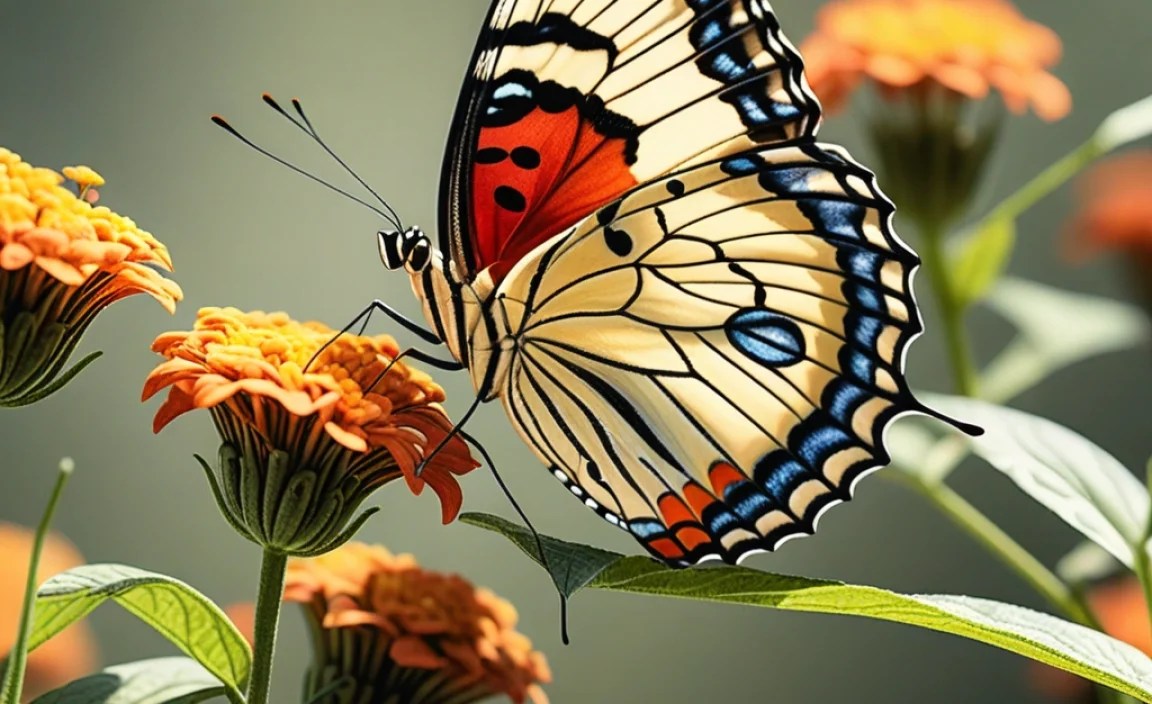
Butterflies are grouped into families. Learning these families makes butterfly identification in East Coast USA easier. Swallowtails are large and have tails on their wings. They are often black or yellow with colorful markings. Whites and Sulphurs are usually white, yellow, or orange. They are often seen flying in fields. Brushfoots have small front legs. They include monarchs, viceroys, and admirals. Blues and Coppers are small and often blue or orange. They are found near their host plants. Skippers are small and fast-flying. They have hooked antennae. Knowing these families gives you a head start. You can quickly narrow down the possibilities. It’s like learning the basic food groups before cooking a meal. Understanding butterfly families helps you become a butterfly expert.
- Swallowtails have tails on their wings.
- Whites and Sulphurs are often yellow or white.
- Brushfoots have small front legs.
- Blues and Coppers are usually small and blue.
- Skippers are small and fly fast.
When learning butterfly families, start with the most common ones. In the East Coast, Swallowtails, Brushfoots, and Whites/Sulphurs are often seen. Look for field guides that group butterflies by family. This will help you learn to recognize them quickly. Practice identifying butterflies in your backyard or local park. The more you practice, the easier it will become. You can also use online resources to learn about butterfly families. Many websites have photos and descriptions of each family. Some even have quizzes to test your knowledge. Remember, learning takes time. Don’t get discouraged if you don’t know all the families right away. Keep exploring and learning, and you will become a butterfly family expert!
Fun Fact or Stat: Some butterfly families have over 600 different species!
What Makes Swallowtails Unique?
Swallowtails are a favorite of many butterfly watchers. Do you know what sets them apart? Their long tails make them unique. These tails extend from their hindwings. Swallowtails are also large and colorful. They often have black and yellow patterns. Some species have blue or red markings. The Eastern Tiger Swallowtail is a common sight. It is yellow with black stripes. The Black Swallowtail is black with yellow spots. The Spicebush Swallowtail is dark blue-green. Swallowtails are found in gardens, fields, and forests. They are named after their forked tails. These tails look like the tails of swallow birds. Swallowtails are beautiful and easy to spot. They are a great group to start with for butterfly identification in East Coast USA. Can you spot a swallowtail in your backyard?
Why Are Brushfoots Called Brushfoots?
Brushfoots are another important butterfly family. Have you ever wondered about their name? They are called Brushfoots because of their front legs. These legs are small and hairy. They look like little brushes. Brushfoots do not use these legs for walking. They use them for tasting and sensing. Monarchs, Viceroys, and Admirals are all Brushfoots. Monarchs are orange with black lines. Viceroys look like Monarchs but have an extra black line. Red Admirals are black with red bands. Brushfoots are found in many habitats. They are often seen in gardens and meadows. Look closely at their legs. You will see why they are called Brushfoots. This is a cool fact for butterfly identification in East Coast USA!
How To Identify Whites And Sulphurs?
Whites and Sulphurs are common butterflies. What makes them easy to identify? Their colors make them stand out. Whites are usually white or pale. Sulphurs are yellow or orange. Cabbage Whites are a common sight in gardens. They are white with small black spots. Clouded Sulphurs are yellow with black borders. They are often seen flying in fields. Whites and Sulphurs are small to medium-sized. They are found in open areas. They like to visit flowers for nectar. Their bright colors make them easy to spot. Look for them in your garden or local park. This is a simple step in butterfly identification in East Coast USA.
Using Butterfly Field Guides Effectively
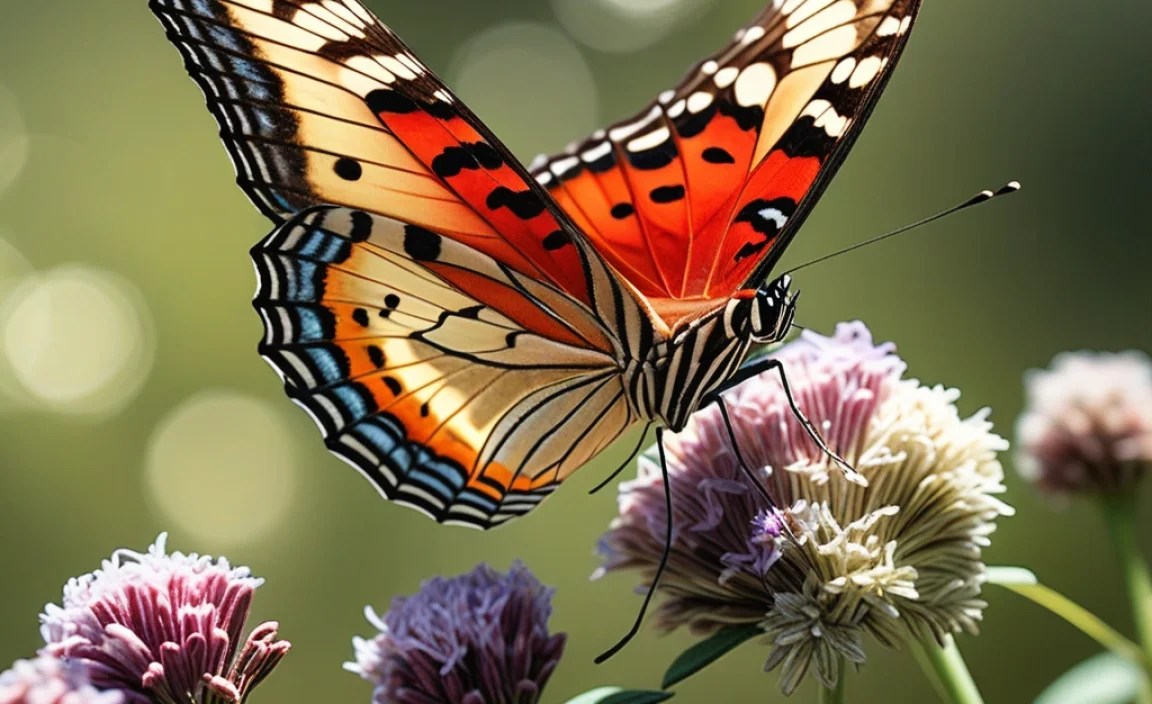
Field guides are helpful tools for butterfly identification in East Coast USA. They show pictures and descriptions of different butterflies. A good field guide covers the butterflies in your region. It should have clear photos or illustrations. The descriptions should include size, color, and habitat. Some guides also include information about butterfly behavior. To use a field guide, first observe the butterfly carefully. Note its size, color, and patterns. Then, look in the field guide for a butterfly that matches. Read the description to see if it fits. Check the range map to see if the butterfly lives in your area. Field guides can be used in the field or at home. They are a great way to learn about butterflies. With practice, you will become an expert at using field guides.
- Choose a field guide for your region.
- Look for clear photos and descriptions.
- Note the size, color, and patterns of the butterfly.
- Check the range map to see if it lives in your area.
- Use the field guide in the field or at home.
When using field guides, remember that butterflies can vary. Some butterflies look different depending on their sex or the season. Some field guides show these variations. Pay attention to the details in the photos and descriptions. Don’t be afraid to use multiple field guides. Different guides may have different information. You can also use online resources to supplement your field guide. Many websites have butterfly photos and information. Some even have apps that can help you identify butterflies. Field guides are a valuable tool, but they are not perfect. Sometimes, you may need to get help from an expert. Join a local butterfly club or ask a naturalist for help. With patience and practice, you will become a master of using field guides!
Fun Fact or Stat: Some field guides include information about butterfly host plants!
What Should A Good Field Guide Include?
A good field guide is essential for butterfly lovers. What makes a field guide great? It should have accurate information. The photos and descriptions should be clear and easy to understand. The guide should cover the butterflies in your region. It should include information about size, color, and habitat. A good field guide also has range maps. These maps show where each butterfly lives. Some guides include information about butterfly behavior. Others have tips for finding butterflies. Look for a guide that is easy to carry. You will want to take it with you on your butterfly adventures. A good field guide is your best friend for butterfly identification in East Coast USA. It opens the door to the fascinating world of butterflies.
How To Use Range Maps In Field Guides?
Range maps are important in field guides. Do you know why they matter? Range maps show where different butterflies live. This helps you narrow down your search. If a butterfly is not found in your area, you can rule it out. Range maps are usually shown as colored areas on a map. The color shows where the butterfly lives. Some maps show the butterfly’s year-round range. Others show its summer or winter range. Range maps can be helpful, but they are not always perfect. Butterflies can sometimes be found outside their usual range. This can happen if they are blown off course by the wind. Or, if they are migrating. Use range maps as a guide, but don’t rely on them completely. They are a useful tool for butterfly identification in East Coast USA.
Where Can You Buy Butterfly Field Guides?
Finding a good field guide is easy. Where can you buy one? Many bookstores sell field guides. Look for them in the nature section. You can also find field guides online. Amazon and other websites sell a wide variety of guides. Nature centers and museums often have field guides for sale. Local butterfly clubs may also sell guides. Ask your local library. They may have field guides you can borrow. When buying a field guide, consider your needs. Do you want a guide that covers your whole state? Or just your local area? Do you want a guide with photos or illustrations? Read reviews before you buy. This will help you choose a good field guide. Then, you will be ready for butterfly identification in East Coast USA.
Online Resources For Butterfly Identification
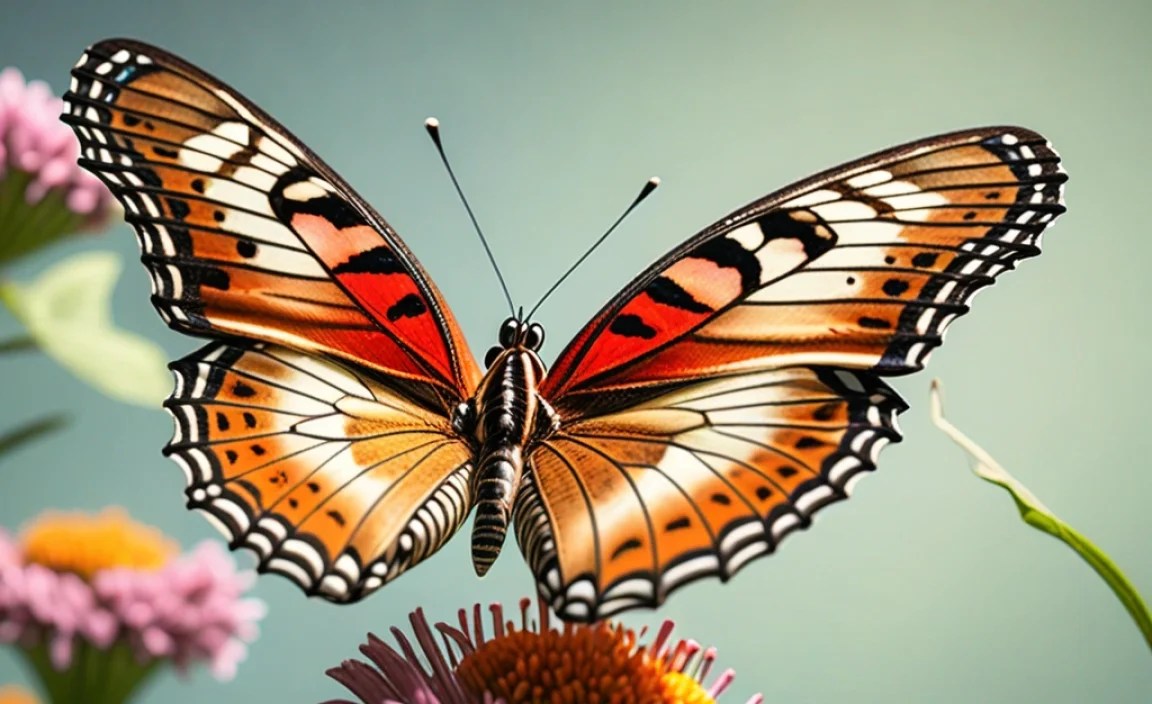
The internet is full of information. It can help you with butterfly identification in East Coast USA. Many websites have photos and descriptions of butterflies. Some websites have interactive tools. You can enter information about a butterfly you saw. The tool will suggest possible matches. Online forums and social media groups can also be helpful. You can post a photo of a butterfly and ask for help identifying it. Just be sure to use reliable sources. Some websites may have incorrect information. Look for websites run by museums, universities, or nature organizations. These websites are more likely to be accurate. With a little searching, you can find lots of helpful online resources.
- Use websites with photos and descriptions.
- Try interactive identification tools.
- Join online forums and social media groups.
- Use reliable sources like museums and universities.
- Check multiple sources to verify information.
When using online resources, be careful about the images you see. Photos can look different depending on the lighting and camera. Also, butterflies can vary in color and pattern. Don’t rely on just one photo to identify a butterfly. Look at multiple photos from different angles. Read the description carefully. Pay attention to the details. If you are not sure, ask an expert. Many online resources have contact information for experts. They can help you identify a butterfly from a photo. Online resources are a great way to learn about butterflies. But they are not a substitute for careful observation. Use them as a supplement to your field guide and your own observations.
Fun Fact or Stat: There are butterfly identification apps for smartphones!
What Are The Best Butterfly Websites?
Many great websites can help you identify butterflies. Which ones are the best? BugGuide.net is a popular choice. It has lots of photos and information. The Butterflies and Moths of North America (BAMONA) website is also excellent. It has range maps and life history information. The websites of museums and universities are also good resources. Look for websites run by entomology departments. These websites often have detailed information about local butterflies. When using these websites, remember to be careful. Check the information against other sources. Not all websites are accurate. But with a little research, you can find some great resources for butterfly identification in East Coast USA.
How To Use Butterfly Identification Apps?
Butterfly identification apps can be fun and helpful. Have you tried one? These apps use your phone’s camera to identify butterflies. You take a photo of the butterfly. The app compares it to its database. Then, it suggests possible matches. Some apps also have information about butterflies. They may include descriptions, range maps, and life history information. To use an app, first download it to your phone. Then, open the app and follow the instructions. Take a clear photo of the butterfly. Make sure the lighting is good. The app will then analyze the photo. It will give you a list of possible matches. Compare the photos and descriptions to your butterfly. If you are not sure, ask an expert. Butterfly identification apps are a great tool for beginners. They can help you learn about butterflies. But they are not always accurate. Use them as a guide, but always double-check the information.
Should You Trust Social Media IDs?
Social media can be a great way to connect with other butterfly lovers. But should you trust the IDs you see online? Be careful about relying on social media IDs. Anyone can post a photo and suggest an identification. The person may not be an expert. The ID may be wrong. It’s always best to double-check the information. Compare the photo to your field guide. Look for information on reliable websites. Ask an expert if you are not sure. Social media can be a good starting point. But don’t rely on it completely. Use your own knowledge and resources to verify the ID. This is important for accurate butterfly identification in East Coast USA.
Photographing Butterflies For Identification
Taking good photos helps with butterfly identification in East Coast USA. A clear photo shows the butterfly’s colors and patterns. Use a camera or smartphone. Get as close as you can to the butterfly. Be careful not to scare it away. Focus on the wings. Make sure they are in focus. Take photos from different angles. This will show different features. Good lighting is also important. Natural light is best. Avoid using the flash if possible. The flash can wash out the colors. Take lots of photos. The more photos you have, the better. You can then choose the best ones to use for identification. Good photos make it easier to identify butterflies.
- Use a camera or smartphone.
- Get close to the butterfly.
- Focus on the wings.
- Take photos from different angles.
- Use natural light.
After you take your photos, review them carefully. Choose the ones that are the clearest and show the most detail. Crop the photos to focus on the butterfly. You can also adjust the brightness and contrast. This will make the colors more accurate. Save the photos to your computer or phone. Then, you can use them to identify the butterfly. Compare the photos to your field guide. Or, post them on an online forum and ask for help. Remember to include information about where and when you took the photo. This will help others identify the butterfly. Good photos are a valuable tool for butterfly identification. They can help you learn about the amazing world of butterflies.
Fun Fact or Stat: Some cameras have a “butterfly mode” for taking photos!
What Camera Settings Work Best?
Using the right camera settings can improve your butterfly photos. Do you know which settings to use? Set your camera to macro mode. This allows you to focus on close-up subjects. Use a small aperture. This will give you a greater depth of field. This means more of the butterfly will be in focus. Set your ISO to a low number. This will reduce noise in your photos. Use natural light whenever possible. Avoid using the flash. If you must use the flash, use a diffuser. This will soften the light. Experiment with different settings. See what works best for your camera and your style. Good camera settings will help you capture beautiful butterfly photos. This makes butterfly identification in East Coast USA easier.
How To Approach Butterflies Without Scaring Them?
Getting close to butterflies can be tricky. How do you approach them without scaring them? Move slowly and quietly. Avoid sudden movements. Approach the butterfly from the side. This is less threatening than approaching from the front. If the butterfly flies away, don’t chase it. Wait for it to land again. Be patient. Butterflies are more likely to stay still if they feel safe. Use a telephoto lens. This allows you to take photos from a distance. Wear neutral colors. Bright colors can scare butterflies. Learn about butterfly behavior. Knowing when they are most active can help you find them. With patience and practice, you can learn to approach butterflies without scaring them. This allows you to take great photos for butterfly identification in East Coast USA.
Why Is Lighting Important For Butterfly Photos?
Lighting is key to good butterfly photos. Why does it matter so much? Good lighting shows the butterfly’s true colors. It also reveals details in the patterns. Natural light is best. Avoid taking photos in direct sunlight. This can create harsh shadows. Overcast days are ideal. The light is soft and even. If you must take photos in sunlight, use a diffuser. This will soften the light. Avoid using the flash if possible. The flash can wash out the colors. If you must use the flash, use a diffuser. Experiment with different lighting conditions. See what works best for your camera and your style. Good lighting will make your butterfly photos look amazing. This helps with accurate butterfly identification in East Coast USA.
Attracting Butterflies To Your Yard For Easier ID
Attracting butterflies to your yard makes butterfly identification in East Coast USA easier. Plant flowers that butterflies like. Different butterflies like different flowers. Milkweed is a favorite of monarchs. Butterfly bush attracts many species. Plant a variety of flowers. This will attract more butterflies. Provide a water source. A shallow dish of water with pebbles works well. Butterflies need water to drink. Avoid using pesticides. Pesticides can harm butterflies. Provide shelter from the wind. Plant trees and shrubs. This will give butterflies a place to rest. With a little effort, you can create a butterfly-friendly yard. This will make it easier to observe and identify butterflies.
- Plant a variety of flowers.
- Provide a water source.
- Avoid using pesticides.
- Provide shelter from the wind.
- Learn about butterfly host plants.
When planting flowers, choose native species. Native plants are adapted to your local climate. They are also more attractive to local butterflies. Learn about butterfly host plants. Host plants are plants that butterflies lay their eggs on. Monarchs lay their eggs on milkweed. Black Swallowtails lay their eggs on parsley and dill. Planting host plants will encourage butterflies to breed in your yard. Observe your yard regularly. Note which butterflies you see. Keep a record of your observations. This will help you learn about butterflies. Attracting butterflies to your yard is a rewarding hobby. It is also a great way to learn about nature. You will enjoy watching these beautiful creatures up close.
Fun Fact or Stat: Butterflies taste with their feet!
What Flowers Attract The Most Butterflies?
Choosing the right flowers is key to attracting butterflies. Which flowers are the most popular? Butterfly bush is a classic choice. It attracts many different species. Milkweed is essential for monarchs. Zinnias are bright and colorful. They also attract many butterflies. Lavender has a sweet fragrance. It is also a favorite of butterflies. Coneflowers are easy to grow. They provide nectar for butterflies. Plant a variety of these flowers in your yard. This will attract a wide range of butterflies. They will flock to your garden for nectar. This makes it easier to observe and identify them. Enjoy the beauty and wonder of butterflies in your own backyard. This helps with butterfly identification in East Coast USA.
How To Create A Butterfly Puddling Area?
Butterflies need water and minerals. Do you know how to provide them? Create a butterfly puddling area. This is a shallow dish of water with sand or mud. Add some rocks or pebbles. This gives butterflies a place to land. Keep the soil moist. Butterflies will sip the water and minerals. You can also add a pinch of salt to the water. This provides extra minerals. Place the puddling area in a sunny spot. Butterflies like to bask in the sun. Clean the puddling area regularly. This will prevent algae from growing. A butterfly puddling area is a great addition to any butterfly garden. It provides essential resources for butterflies. And it gives you a chance to observe them up close. This makes butterfly identification in East Coast USA easier.
Why Avoid Pesticides In A Butterfly Garden?
Pesticides can harm butterflies. Why should you avoid them in your garden? Pesticides are designed to kill insects. But they can also kill butterflies. Even organic pesticides can be harmful. Pesticides can poison butterflies directly. They can also kill their host plants. This deprives butterflies of food and shelter. There are many ways to control pests without using pesticides. Hand-pick pests off plants. Use natural predators like ladybugs. Plant pest-resistant varieties. Create a healthy ecosystem in your garden. This will attract beneficial insects that eat pests. Avoiding pesticides is essential for protecting butterflies. It also creates a healthier environment for you and your family. This is important for successful butterfly identification in East Coast USA.
Butterfly Conservation And Identification
Butterflies are important to our ecosystem. Why is conservation important? They help pollinate flowers. They are also a food source for birds and other animals. Butterfly identification in East Coast USA helps with conservation. By knowing which butterflies live in your area, you can help protect them. Many butterfly populations are declining. This is due to habitat loss, pesticide use, and climate change. You can help by planting butterfly-friendly gardens. Avoid using pesticides. Support organizations that protect butterfly habitats. Learn about butterfly conservation. Share your knowledge with others. Together, we can help protect these beautiful creatures for future generations.
- Plant butterfly-friendly gardens.
- Avoid using pesticides.
- Support conservation organizations.
- Learn about butterfly conservation.
- Share your knowledge with others.
When identifying butterflies, note their abundance. Are you seeing fewer butterflies than you used to? This could be a sign that their population is declining. Report your sightings to butterfly monitoring programs. These programs track butterfly populations over time. This helps scientists understand how butterflies are doing. You can also participate in citizen science projects. These projects involve collecting data about butterflies. This data is used to study butterfly populations and habitats. Butterfly conservation is everyone’s responsibility. By working together, we can make a difference. We can help ensure that butterflies continue to thrive in the East Coast and beyond.
Fun Fact or Stat: Some butterflies are endangered!
How Does Habitat Loss Affect Butterflies?
Habitat loss is a major threat to butterflies. What happens when their homes disappear? Butterflies need specific habitats to survive. They need places to feed, breed, and shelter. When these habitats are destroyed, butterflies have nowhere to go. Habitat loss is caused by many factors. Development, agriculture, and logging are all major causes. Climate change can also cause habitat loss. As temperatures rise, habitats can become unsuitable for butterflies. Protecting butterfly habitats is essential for their survival. This can be done by conserving existing habitats. It can also be done by restoring degraded habitats. Supporting conservation organizations is a great way to help. This helps with butterfly identification in East Coast USA and conservation.
What Role Do Butterflies Play In The Ecosystem?
Butterflies play an important role in the ecosystem. What do they do for our environment? They are pollinators. They carry pollen from flower to flower. This helps plants reproduce. Butterflies are also a food source for other animals. Birds, lizards, and spiders eat butterflies. Butterfly caterpillars are also an important food source. They provide food for birds and other insects. Butterflies are also indicators of environmental health. Their presence or absence can tell us about the health of an ecosystem. A healthy butterfly population indicates a healthy environment. Protecting butterflies is important for maintaining a healthy ecosystem. By understanding their role, we can help protect them. This helps with butterfly identification in East Coast USA.
How Can Citizen Scientists Help Butterfly Conservation?
Citizen scientists can make a big difference in butterfly conservation. What can you do to help? You can participate in butterfly monitoring programs. These programs track butterfly populations over time. You can also collect data about butterfly habitats. This data can be used to study butterfly populations. You can also help educate others about butterflies. Share your knowledge with friends and family. Encourage them to plant butterfly-friendly gardens. You can also support conservation organizations. Donate your time or money to help protect butterflies. Citizen science projects are a great way to get involved in butterfly conservation. They provide valuable data for scientists. And they help raise awareness about the importance of butterflies. This helps with butterfly identification in East Coast USA and conservation.
Summary
Butterfly identification in East Coast USA is a fun and rewarding hobby. It involves learning about different butterfly species. You can identify butterflies by observing their wing patterns, colors, and sizes. Using field guides and online resources can help. Knowing common butterfly families makes the process easier. Taking good photos is important for accurate identification. Attracting butterflies to your yard can also help. Learning about butterfly conservation is essential. Butterflies play an important role in the ecosystem. Protecting their habitats is crucial for their survival. By learning about butterflies, you can appreciate their beauty and contribute to their conservation.
Conclusion
Learning about butterflies is a great way to connect with nature. Identifying different species can be a fun and rewarding experience. It also helps us appreciate the diversity of life on Earth. By understanding butterflies, we can also contribute to their conservation. Butterfly identification in East Coast USA is a skill that anyone can learn. So, get outside, observe, and enjoy the beauty of butterflies!
Frequently Asked Questions
Question No 1: What is the best field guide for butterfly identification in East Coast USA?
Answer: There are many good field guides available. A popular choice is “Butterflies of the East Coast” by Rick Cech and Guy Tudor. This guide covers a wide range of species. It includes detailed descriptions and photos. Another good option is “National Audubon Society Field Guide to North American Butterflies.” This guide is comprehensive and easy to use. Choose a guide that covers your specific region. Look for one with clear photos and descriptions. Also, consider the size and weight of the guide. You will want to take it with you on your butterfly adventures. Field guides are a valuable tool for butterfly identification in East Coast USA. They can help you learn about butterflies and contribute to their conservation.
Question No 2: How can I attract more butterflies to my garden?
Answer: Attracting butterflies to your garden is easy. Plant flowers that butterflies like. Milkweed is a favorite of monarchs. Butterfly bush attracts many species. Zinnias and coneflowers are also popular. Provide a water source. A shallow dish of water with pebbles works well. Avoid using pesticides. Pesticides can harm butterflies. Provide shelter from the wind. Plant trees and shrubs. This will give butterflies a place to rest. Learn about butterfly host plants. Host plants are plants that butterflies lay their eggs on. Monarchs lay their eggs on milkweed. Black Swallowtails lay their eggs on parsley and dill. Planting host plants will encourage butterflies to breed in your yard. By following these tips, you can create a butterfly-friendly garden. This will make butterfly identification in East Coast USA easier and more enjoyable.
Question No 3: What are some common butterflies in the East Coast USA?
Answer: The East Coast is home to many different butterfly species. Some common ones include Monarchs, Eastern Tiger Swallowtails, Black Swallowtails, and Cabbage Whites. Monarchs are orange with black lines and white spots. They are famous for their long migrations. Eastern Tiger Swallowtails are yellow with black stripes. They are one of the largest butterflies in the East Coast. Black Swallowtails are black with yellow spots. They are often seen in gardens. Cabbage Whites are white with small black spots. They are common in gardens and fields. These are just a few of the many butterflies you can find in the East Coast. With a little practice, you can learn to identify them all. This is a great step for butterfly identification in East Coast USA.
Question No 4: How can I tell the difference between a butterfly and a moth?
Answer: Butterflies and moths are both insects. They both belong to the order Lepidoptera. However, there are some key differences between them. Butterflies are usually active during the day. Moths are usually active at night. Butterflies have thin antennae with a club at the end. Moths have feathery or comb-like antennae. Butterflies usually hold their wings upright when they are resting. Moths usually hold their wings flat. Butterflies are usually more colorful than moths. Moths are often brown or gray. These differences can help you tell the difference between a butterfly and a moth. But there are always exceptions to the rule. Some moths are active during the day. Some butterflies have feathery antennae. So, it’s important to look at all the features before making a decision.
Question No 5: What should I do if I find an injured butterfly?
Answer: If you find an injured butterfly, you can try to help it. First, gently pick it up. Be careful not to damage its wings. Place it in a safe place. A box or container with air holes works well. Provide it with food. You can offer it a sugar-water solution. Mix one part sugar with four parts water. Soak a cotton ball in the solution. Place the cotton ball near the butterfly’s mouth. If the butterfly is unable to fly, it may have a broken wing. You can try to splint the wing with tape. But this is best left to experts. Contact a local butterfly organization or wildlife rehabilitator. They can provide more specialized care. Remember, butterflies are delicate creatures. Handle them with care. Your efforts can make a difference in their survival. The knowledge you gain from butterfly identification in East Coast USA will also help!
Question No 6: Are there any butterfly monitoring programs in the East Coast USA?
Answer: Yes, there are several butterfly monitoring programs in the East Coast. These programs track butterfly populations over time. This helps scientists understand how butterflies are doing. The North American Butterfly Association (NABA) runs several monitoring programs. They have butterfly counts in different regions. You can also check with your state’s natural resources agency. They may have their own monitoring programs. Participating in these programs is a great way to help butterfly conservation. You can collect data about butterfly populations. This data is used to study butterfly habitats and trends. Butterfly monitoring programs are a valuable tool for protecting butterflies. Your skills in butterfly identification in East Coast USA will be of use.