
Butterfly Abundance Estimation: Easy Guide

Butterfly Abundance Estimation: A Beginner’s Guide

Quick Summary: Estimating butterfly abundance involves various methods like mark-recapture, transect walks, and visual counts. These techniques help scientists and enthusiasts understand butterfly populations in a specific area. By marking and recapturing butterflies, or systematically walking through habitats to count individuals, we gain valuable insights into their numbers and overall health, aiding conservation efforts.
Butterflies flutter into our lives, bringing beauty and joy. But how many are actually out there? Estimating butterfly populations can seem like a daunting task. It’s like trying to count every star in the night sky! Many people are curious about butterfly numbers, but don’t know where to start. Don’t worry! This guide will walk you through simple, effective methods to estimate butterfly abundance, helping you understand and appreciate these delicate creatures even more.
Ready to uncover the secrets of butterfly populations? Let’s get started!
Why Estimate Butterfly Abundance?
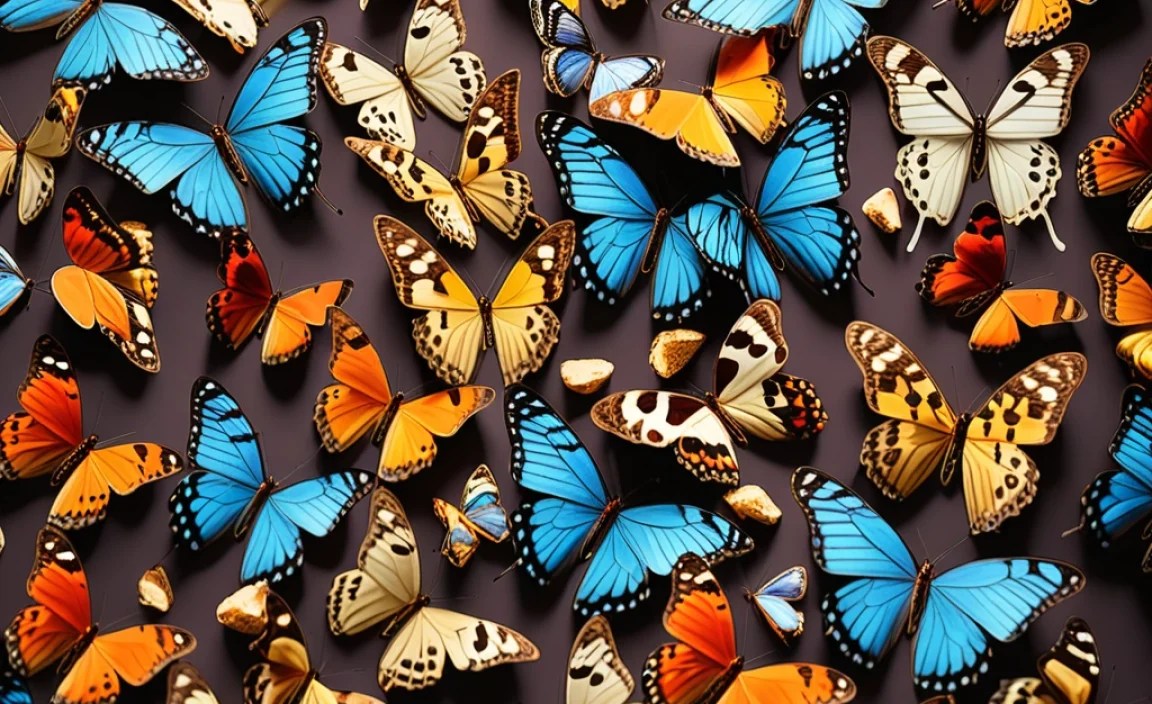
Estimating butterfly abundance is more than just counting pretty wings. It provides critical information for several reasons:
- Conservation: Knowing the population size helps conservationists identify species at risk and implement effective protection strategies.
- Ecological Monitoring: Butterflies are sensitive to environmental changes. Their abundance can indicate the health of an ecosystem.
- Research: Scientists use abundance data to study butterfly behavior, migration patterns, and the impact of habitat loss.
- Gardening: Understanding local butterfly populations helps gardeners create butterfly-friendly habitats.
Methods for Estimating Butterfly Abundance

Several methods can be used to estimate butterfly populations, each with its own strengths and limitations. Here are some of the most common techniques:
1. Mark-Recapture Method
The mark-recapture method is a classic technique used to estimate the size of a population. It involves capturing a sample of butterflies, marking them, releasing them back into the environment, and then recapturing another sample later. By comparing the number of marked butterflies in the second sample to the total number captured, you can estimate the total population size.
Steps for Mark-Recapture:
- Capture: Use a butterfly net to catch a sample of butterflies in your study area.
- Mark: Gently mark each butterfly with a unique identifier using a fine-tipped, non-toxic marker. Avoid marking the wings heavily to prevent hindering their flight.
- Record: Note the date, location, and identifier for each butterfly.
- Release: Release the marked butterflies back into the same area where they were captured.
- Recapture: After a few days (allowing the butterflies to redistribute), recapture another sample of butterflies from the same area.
- Count: Count the number of marked butterflies in the second sample and the total number of butterflies captured.
- Calculate: Use the Lincoln-Petersen index to estimate the population size:
N = (M * C) / R
Where:
- N = Estimated population size
- M = Number of butterflies marked in the first capture
- C = Total number of butterflies captured in the second capture
- R = Number of marked butterflies recaptured in the second capture
Example:
Suppose you capture and mark 50 butterflies (M). A week later, you capture 60 butterflies (C), and 10 of them are marked (R). The estimated population size (N) would be:
N = (50 * 60) / 10 = 300
Therefore, the estimated butterfly population size is 300.
| Variable | Description | Example Value |
|---|---|---|
| N | Estimated Population Size | 300 |
| M | Number of Butterflies Marked in the First Capture | 50 |
| C | Total Number of Butterflies Captured in the Second Capture | 60 |
| R | Number of Marked Butterflies Recaptured in the Second Capture | 10 |
Pros of Mark-Recapture:
- Provides a quantitative estimate of population size.
- Can be used for mobile populations.
Cons of Mark-Recapture:
- Can be time-consuming and labor-intensive.
- Assumes that marking does not affect butterfly behavior or survival.
- Requires careful handling to avoid harming the butterflies.
2. Transect Walks
Transect walks involve walking along a predetermined path (transect) and counting all the butterflies observed within a certain distance of the transect line. This method is useful for assessing butterfly abundance in a specific habitat.
Steps for Transect Walks:
- Establish Transect: Choose a representative area and establish a straight transect line. The length of the transect can vary depending on the size of the habitat.
- Set Observation Distance: Define a fixed distance on either side of the transect line (e.g., 5 meters).
- Walk Slowly: Walk along the transect line at a slow, steady pace.
- Count Butterflies: Count all butterflies observed within the defined distance of the transect line. Record the species and number of individuals.
- Repeat: Repeat the transect walk multiple times on different days and times to account for variations in butterfly activity.
- Calculate Density: Calculate the butterfly density by dividing the total number of butterflies observed by the area of the transect (transect length x 2 x observation distance).
Example:
If you walk a 100-meter transect with a 5-meter observation distance on each side, the area of the transect is 100m * 10m = 1000 square meters. If you observe 50 butterflies, the density is 50 butterflies / 1000 square meters = 0.05 butterflies per square meter.
| Variable | Description | Example Value |
|---|---|---|
| Transect Length | Length of the transect line | 100 meters |
| Observation Distance | Distance on either side of the transect line | 5 meters |
| Area of Transect | Transect Length * 2 * Observation Distance | 1000 square meters |
| Number of Butterflies Observed | Total number of butterflies counted | 50 |
| Butterfly Density | Number of Butterflies Observed / Area of Transect | 0.05 butterflies per square meter |
Pros of Transect Walks:
- Relatively simple and easy to implement.
- Provides data on butterfly distribution and habitat use.
Cons of Transect Walks:
- Can be affected by weather conditions and observer bias.
- May not be suitable for all habitats (e.g., dense forests).
3. Visual Counts
Visual counts involve simply observing and counting butterflies in a defined area over a specific period. This method is less precise than mark-recapture or transect walks but can provide a quick estimate of butterfly abundance.
Steps for Visual Counts:
- Define Area: Choose a specific area to observe (e.g., a garden, a meadow).
- Set Observation Time: Determine the duration of the observation period (e.g., 15 minutes, 1 hour).
- Count Butterflies: Count all butterflies observed within the defined area during the observation period. Record the species and number of individuals.
- Repeat: Repeat the visual count multiple times on different days and times to account for variations in butterfly activity.
- Calculate Average: Calculate the average number of butterflies observed per observation period.
Example:
If you conduct visual counts in your garden for 30 minutes each day for a week and observe an average of 10 butterflies per session, you can estimate that there are approximately 10 butterflies present in your garden during that time.
| Variable | Description | Example Value |
|---|---|---|
| Observation Area | Specific area for observation | Garden |
| Observation Time | Duration of the observation period | 30 minutes |
| Number of Sessions | Number of observation sessions | 7 |
| Average Butterflies per Session | Average number of butterflies observed per session | 10 |
| Estimated Butterfly Abundance | Average Butterflies per Session | 10 |
Pros of Visual Counts:
- Quick and easy to implement.
- Requires minimal equipment.
Cons of Visual Counts:
- Less precise than other methods.
- Can be affected by weather conditions and observer bias.
4. Citizen Science Projects
Participating in citizen science projects is a great way to contribute to butterfly monitoring efforts. Organizations like the North American Butterfly Association (NABA) and local nature centers often coordinate butterfly counts and surveys. These projects provide valuable data on butterfly populations across large areas.
How to Participate:
- Find a Project: Search online for local or national citizen science projects focused on butterfly monitoring. NABA’s Butterfly Count Program is a popular option.
- Register: Register for the project and learn about the data collection protocols.
- Collect Data: Follow the project’s guidelines to conduct butterfly counts in your area.
- Submit Data: Submit your data to the project organizers.
Benefits of Citizen Science:
- Contribute to valuable scientific research.
- Learn about butterfly identification and ecology.
- Connect with other nature enthusiasts.
Citizen science projects provide valuable data that can be used to track butterfly populations over time and identify trends. The Xerces Society is another excellent resource for finding citizen science opportunities and learning about butterfly conservation.
Tips for Accurate Butterfly Abundance Estimation
To ensure your butterfly abundance estimates are as accurate as possible, consider the following tips:
- Timing: Conduct surveys during peak butterfly activity periods, typically on warm, sunny days.
- Weather: Avoid surveying during windy or rainy conditions, as butterflies are less active.
- Identification: Familiarize yourself with the butterfly species in your area to accurately identify and count them. Field guides and online resources can be helpful.
- Consistency: Use the same method and protocols for each survey to ensure consistent data collection.
- Location: Choose survey locations that are representative of the habitat you are studying.
- Patience: Be patient and observant. Butterfly surveys require careful attention to detail.
Tools You’ll Need
Here are some tools that can help you with butterfly abundance estimation:
- Butterfly Net: For capturing butterflies for mark-recapture studies.
- Non-toxic Marker: For marking butterflies without harming them.
- Field Guide: For identifying butterfly species.
- Binoculars: For observing butterflies from a distance.
- GPS Device: For recording survey locations.
- Data Sheets: For recording data in the field.
- Camera: For photographing butterflies for identification and documentation.
Frequently Asked Questions (FAQ)
1. What is butterfly abundance?
Butterfly abundance refers to the number of butterflies in a specific area or habitat. It helps us understand their population size and distribution.
2. Why is it important to estimate butterfly abundance?
Estimating butterfly abundance helps with conservation efforts, ecological monitoring, and understanding the impact of environmental changes on butterfly populations.
3. What is the best method for estimating butterfly abundance?
The best method depends on your goals and resources. Mark-recapture is more precise but requires more effort. Transect walks and visual counts are simpler but less accurate.
4. How can I attract more butterflies to my garden?
Planting butterfly-friendly flowers, providing a water source, and avoiding pesticides can attract more butterflies to your garden. Native plants are especially beneficial.
5. What are some common butterfly species I might see?
Common butterfly species include Monarchs, Swallowtails, Painted Ladies, and Cabbage Whites. Use a field guide to identify butterflies in your area.
6. Can weather affect butterfly abundance estimates?
Yes, weather can significantly affect butterfly activity. Avoid surveying during windy, rainy, or very cold conditions, as butterflies are less active.
7. Where can I find more information about butterfly conservation?
Organizations like the Xerces Society, the North American Butterfly Association (NABA), and local nature centers offer valuable information and resources about butterfly conservation.
Conclusion
Estimating butterfly abundance is a rewarding way to connect with nature and contribute to conservation efforts. By using methods like mark-recapture, transect walks, and visual counts, you can gain valuable insights into butterfly populations in your area. Remember to be patient, observant, and consistent in your data collection. Whether you’re a seasoned naturalist or a curious beginner, every butterfly count helps us better understand and protect these beautiful creatures. So grab your net, field guide, and data sheet, and start exploring the wonderful world of butterflies! Happy counting!


