
Swallowtail Butterfly Unusual Species: Ultimate Guide

Unusual swallowtail butterflies capture our attention with their unique colors, patterns, and behaviors. From the vibrant blues of the Ulysses Swallowtail to the rare golds of the Gold Rim Swallowtail, these butterflies showcase nature’s artistry. Some, like the Kite Swallowtail, have extraordinarily long tails, while others, like the Spicebush Swallowtail, mimic toxic butterflies for protection. Discovering these remarkable species reminds us of the incredible diversity within the butterfly world.
Have you ever been captivated by a butterfly so striking that it seemed to come straight out of a fairy tale? Swallowtail butterflies are famous for their beauty, but some species take it to a whole new level! It’s easy to think you know butterflies, but then you stumble across one so unusual it leaves you wondering what other secrets nature holds. Identifying these uncommon beauties can be tricky, but it’s also incredibly rewarding.
In this article, we’ll explore some of the most unusual swallowtail butterflies around the world. You’ll learn about their unique features, habitats, and behaviors. Get ready to be amazed by the stunning variety and adaptations of these incredible insects!
Frequently Asked Questions (FAQ)
What makes a swallowtail butterfly “unusual”?
Unusual swallowtail butterflies often have unique color patterns, exceptionally long tails, mimicry adaptations, or rarity in their natural habitats. These traits set them apart from more common swallowtail species.
Where can I find unusual swallowtail butterflies?
Unusual swallowtail butterflies can be found in various regions around the world, including tropical rainforests, mountainous areas, and specific island ecosystems. Their habitats vary greatly depending on the species.
Are unusual swallowtail butterflies endangered?
Some unusual swallowtail butterflies are endangered due to habitat loss, climate change, and over-collection. Conservation efforts are crucial to protect these vulnerable species.
How can I attract swallowtail butterflies to my garden?
To attract swallowtail butterflies, plant host plants for their caterpillars (like citrus for Giant Swallowtails or spicebush for Spicebush Swallowtails) and nectar-rich flowers for the adults. Avoid using pesticides that can harm them.
What is mimicry in butterflies?
Mimicry is when a butterfly evolves to resemble another species, often one that is toxic or unpalatable to predators. This helps the mimic avoid being eaten. The Spicebush Swallowtail, for example, mimics the poisonous Pipevine Swallowtail.
What is the largest swallowtail butterfly?
The Queen Alexandra’s Birdwing is the largest swallowtail butterfly, with females having wingspans that can exceed 11 inches (28 cm). It is found in Papua New Guinea.
Why are butterflies important to the ecosystem?
Butterflies are important pollinators, helping to spread pollen from flower to flower as they feed on nectar. They also serve as a food source for birds and other animals, playing a key role in the food web.
Exploring the World of Unusual Swallowtail Butterflies

Swallowtail butterflies, belonging to the family Papilionidae, are renowned for their striking beauty and distinctive “tails” on their hindwings. However, within this diverse group, some species stand out due to their unusual characteristics. These unique butterflies captivate enthusiasts with their rare colors, patterns, behaviors, and adaptations.
1. Ulysses Swallowtail (Papilio ulysses)
A Flash of Electric Blue
The Ulysses Swallowtail, also known as the Blue Emperor, is famous for its brilliant iridescent blue wings. Native to Australia, Indonesia, Papua New Guinea, and the Solomon Islands, this butterfly is a true spectacle. The intensity of its blue color varies with the angle of light, creating a shimmering effect that is hard to miss.
Habitat and Behavior
These butterflies are typically found in tropical rainforests and coastal areas. They are strong fliers and can often be seen soaring high above the canopy. Male Ulysses Swallowtails are particularly attracted to blue objects, a trait that has been used to study their behavior.
Conservation Status
While not currently endangered, the Ulysses Swallowtail faces threats from habitat loss due to deforestation. Conservation efforts are important to ensure the survival of this stunning species.
2. Queen Alexandra’s Birdwing (Ornithoptera alexandrae)
The Giant of Butterflies
Queen Alexandra’s Birdwing is the largest butterfly in the world. Females can have a wingspan exceeding 11 inches (28 cm). This magnificent butterfly is found only in a small region of the Popondetta plains in Papua New Guinea.
Appearance and Life Cycle
The females are larger and more heavily patterned than the males, with brown and white markings. Males have striking iridescent green and blue wings. The larvae feed on the Aristolochia vine, which contains toxins that make the butterfly unpalatable to predators.
Endangered Status
This species is critically endangered due to habitat loss from palm oil plantations and volcanic activity. Strict conservation measures, including habitat protection and captive breeding programs, are essential for its survival. The International Union for Conservation of Nature (IUCN) lists it as endangered, highlighting the urgency of conservation efforts.
3. Gold Rim Swallowtail (Battus polydamas)
Golden Elegance
The Gold Rim Swallowtail, or Polydamas Swallowtail, is known for the bright yellow or gold spots along the edges of its wings. It is found throughout the Americas, from the United States to Argentina. Its striking coloration provides a beautiful contrast against its black body.
Host Plants and Habitat
The caterpillars of this butterfly feed on plants in the Aristolochia genus, also known as pipevines. These plants contain compounds that make the butterfly toxic to predators. They are commonly found in gardens, open woodlands, and along forest edges.
Ecological Role
The Gold Rim Swallowtail plays an important role in its ecosystem as a pollinator and a food source for birds and other insects. Its presence is often an indicator of a healthy environment.
4. Kite Swallowtail (Eurytides Marcellus)
Graceful Tails
The Kite Swallowtail, or Zebra Swallowtail, is a distinctive butterfly with long, elegant tails that resemble the tails of a kite. It is found in the eastern United States and parts of Canada. Its black and white stripes give it a zebra-like appearance, making it easy to identify.
Variations and Forms
This butterfly has different forms depending on the season. The spring form is smaller and has lighter coloration, while the summer form is larger and more boldly striped. These variations are influenced by temperature and day length.
Conservation Considerations
The Kite Swallowtail is relatively common in its range, but it relies on the availability of its host plant, the pawpaw tree (Asimina triloba). Protecting pawpaw trees is important for maintaining healthy populations of this beautiful butterfly.
5. Spicebush Swallowtail (Papilio troilus)
A Master of Mimicry
The Spicebush Swallowtail is a fascinating butterfly found in eastern North America. It is known for its remarkable mimicry of the poisonous Pipevine Swallowtail (Battus philenor). This mimicry helps protect it from predators who mistake it for the toxic species.
Appearance and Behavior
The Spicebush Swallowtail has dark wings with iridescent blue or green markings. The caterpillars feed on spicebush (Lindera benzoin) and sassafras (Sassafras albidum) leaves. They are often found in wooded areas and gardens.
Life Cycle and Adaptations
The caterpillars are masters of disguise, resembling bird droppings when young and developing large eyespots to scare away predators as they mature. This butterfly’s life cycle is a testament to the power of adaptation and survival.
6. Red-Spotted Swallowtail (Atrophaneura aristolochiae)
Striking Contrasts
The Red-Spotted Swallowtail is a beautiful butterfly found in South Asia and Southeast Asia. It is characterized by its black wings adorned with bright red spots on the hindwings. These spots serve as a warning signal to predators.
Toxic Defense
The caterpillars feed on Aristolochia vines, which contain toxic compounds that are retained in the adult butterfly. This makes the Red-Spotted Swallowtail unpalatable to predators, contributing to its survival.
Habitat and Distribution
This butterfly is commonly found in tropical forests, gardens, and urban areas. It is a strong flier and can be seen fluttering around flowering plants in search of nectar.
7. Madagascan Green Swallowtail (Graphium griveaudi)
Emerald Jewel
The Madagascan Green Swallowtail is a rare and stunning butterfly endemic to Madagascar. It is known for its vibrant green wings with black markings. This butterfly is a true jewel of the Malagasy rainforests.
Endangered Status
This species is critically endangered due to habitat loss from deforestation. The remaining populations are small and fragmented, making it vulnerable to extinction. Conservation efforts are essential to protect this unique butterfly and its habitat.
Conservation Initiatives
Organizations like the Madagascar Fauna and Flora Group are working to protect the Madagascan Green Swallowtail through habitat restoration, reforestation, and community education programs. These efforts aim to ensure the long-term survival of this remarkable species.
Comparing Unusual Swallowtail Butterflies
| Species | Location | Unique Feature | Conservation Status |
|---|---|---|---|
| Ulysses Swallowtail | Australia, Indonesia, Papua New Guinea | Iridescent blue wings | Not endangered |
| Queen Alexandra’s Birdwing | Papua New Guinea | Largest butterfly in the world | Critically endangered |
| Gold Rim Swallowtail | Americas | Gold spots on wing edges | Not endangered |
| Kite Swallowtail | Eastern United States, Canada | Long, elegant tails | Not endangered |
| Spicebush Swallowtail | Eastern North America | Mimicry of Pipevine Swallowtail | Not endangered |
| Red-Spotted Swallowtail | South Asia, Southeast Asia | Red spots on black wings | Not endangered |
| Madagascan Green Swallowtail | Madagascar | Vibrant green wings | Critically endangered |
Attracting Swallowtail Butterflies to Your Garden

One of the best ways to appreciate these amazing creatures is to attract them to your own backyard. By creating a butterfly-friendly garden, you can provide them with the resources they need to thrive. Here are some tips to get you started:
- Plant Host Plants: Swallowtail caterpillars are picky eaters and only feed on specific plants. Research which swallowtail species are native to your area and plant their host plants. For example:
- Spicebush Swallowtail: Plant spicebush (Lindera benzoin) and sassafras (Sassafras albidum).
- Giant Swallowtail: Plant citrus trees (Citrus spp.) and Hercules’ Club (Zanthoxylum clava-herculis).
- Black Swallowtail: Plant parsley, dill, fennel, and carrots.
- Provide Nectar Sources: Adult butterflies feed on nectar from flowers. Plant a variety of nectar-rich flowers that bloom throughout the growing season. Some good choices include:
- Butterfly bush (Buddleja davidii)
- Zinnia (Zinnia elegans)
- Lantana (Lantana camara)
- Milkweed (Asclepias spp.)
- Offer a Water Source: Butterflies need water to stay hydrated. Provide a shallow dish of water with pebbles or marbles for them to land on.
- Avoid Pesticides: Pesticides can harm or kill butterflies and other beneficial insects. Use organic gardening practices and avoid spraying pesticides in your garden.
- Provide Shelter: Butterflies need shelter from wind and predators. Plant trees and shrubs to provide them with a safe haven.
Conservation Efforts and How You Can Help
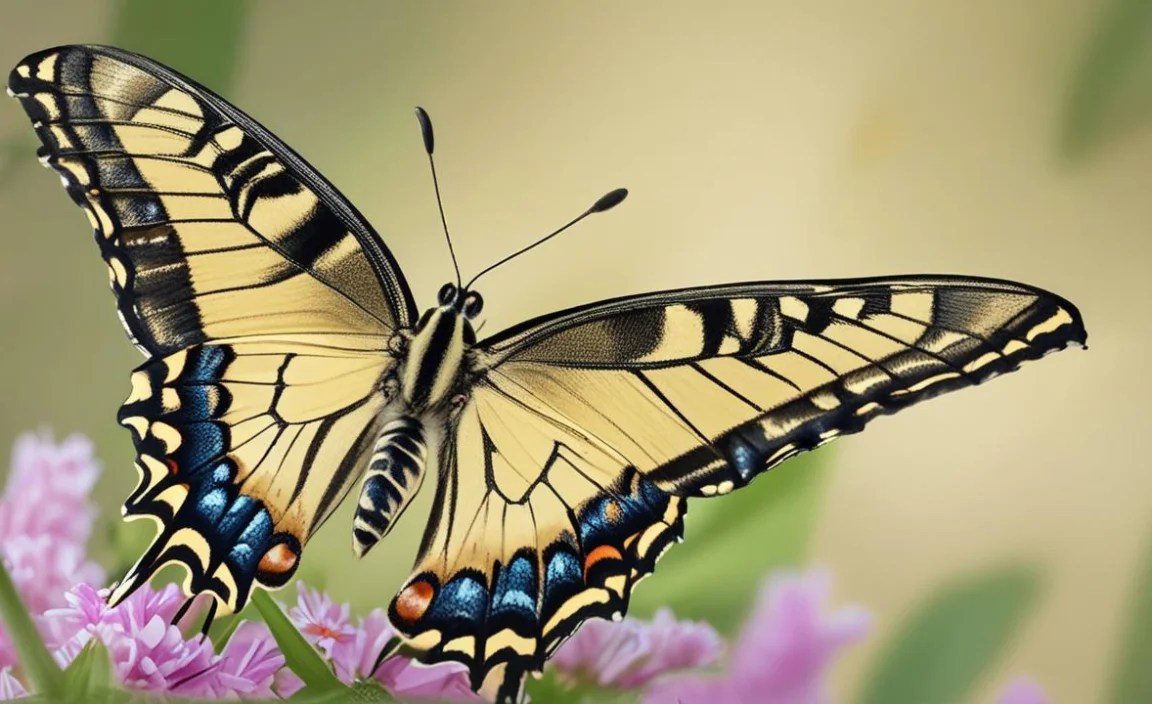
Many unusual swallowtail butterflies are facing threats from habitat loss, climate change, and over-collection. Conservation efforts are essential to protect these vulnerable species and their habitats. Here are some ways you can help:
- Support Conservation Organizations: Donate to or volunteer with organizations that are working to protect butterflies and their habitats, such as the Xerces Society or the Butterfly Conservation Society.
- Create Butterfly-Friendly Habitats: Plant native host plants and nectar sources in your garden to provide food and shelter for butterflies.
- Educate Others: Share your knowledge about butterflies with friends, family, and community members. Encourage them to take action to protect these amazing creatures.
- Reduce Your Carbon Footprint: Climate change is a major threat to butterflies and other wildlife. Take steps to reduce your carbon footprint, such as using public transportation, conserving energy, and reducing waste.
- Advocate for Conservation Policies: Contact your elected officials and urge them to support policies that protect butterflies and their habitats.
The Cultural Significance of Swallowtail Butterflies

Beyond their ecological importance, swallowtail butterflies hold cultural significance in many societies around the world. They are often seen as symbols of transformation, beauty, and freedom. In some cultures, butterflies are believed to represent the souls of the departed or to bring good luck.
Symbolism in Art and Literature
Butterflies have long been a source of inspiration for artists and writers. They appear in paintings, poems, and stories as symbols of hope, change, and the ephemeral nature of life. Their delicate beauty and graceful flight have captivated audiences for centuries.
Butterflies in Mythology
In Greek mythology, the butterfly is associated with Psyche, the goddess of the soul. The story of Psyche’s transformation into a butterfly is a powerful metaphor for personal growth and spiritual awakening.
Butterflies in Different Cultures
In Japan, butterflies are often used in weddings to symbolize marital bliss. In China, they are associated with love and joy. In many indigenous cultures, butterflies are seen as messengers from the spirit world.
Observing Unusual Swallowtail Butterflies in the Wild
One of the most rewarding experiences for a butterfly enthusiast is observing these unusual swallowtail butterflies in their natural habitats. Whether you’re hiking through a tropical rainforest or exploring a local garden, keep an eye out for these stunning creatures. Here are some tips for successful butterfly watching:
- Know Where to Look: Research the habitats and host plants of the swallowtail species you’re interested in seeing. Visit locations where these plants are common.
- Go at the Right Time: Butterflies are most active on warm, sunny days. Avoid butterfly watching on cold, cloudy, or windy days.
- Be Patient: Butterflies can be elusive, so be prepared to wait and watch quietly. Bring a comfortable chair or blanket to sit on.
- Use Binoculars: Binoculars can help you get a closer look at butterflies without disturbing them.
- Bring a Camera: Capture your observations with a camera. Photos can help you identify butterflies later and share your experiences with others.
- Respect Their Habitat: Avoid disturbing the plants and animals in the butterfly’s habitat. Stay on marked trails and do not collect butterflies.
The Future of Unusual Swallowtail Butterflies
The future of unusual swallowtail butterflies depends on our collective efforts to protect their habitats and address the threats they face. By supporting conservation organizations, creating butterfly-friendly gardens, and advocating for responsible environmental policies, we can help ensure that these amazing creatures continue to thrive for generations to come.
As you learn more about these butterflies, take a moment to appreciate the incredible diversity and beauty of the natural world. Each species has its own unique story to tell, and by protecting them, we are preserving a vital part of our planet’s heritage.
Conclusion
Exploring the world of unusual swallowtail butterflies reveals a realm of incredible beauty and adaptation. From the dazzling blue of the Ulysses Swallowtail to the majestic size of Queen Alexandra’s Birdwing, these species captivate our imaginations and remind us of the wonders of nature. By understanding their unique characteristics, habitats, and conservation needs, we can play a vital role in protecting these remarkable creatures. Whether you’re planting a butterfly garden, supporting conservation organizations, or simply sharing your knowledge with others, every action counts. Let’s continue to celebrate and safeguard the extraordinary diversity of swallowtail butterflies for future generations to enjoy.


