
Butterflies in Cerrado Region: A Powerful Guide

The Cerrado region of Brazil is home to an amazing variety of butterflies! To identify them, start by noting their size, color, and wing patterns. Observe their behavior, like what flowers they visit. Use field guides and online resources to compare your observations. With a little practice, you’ll be identifying these beautiful creatures in no time!
Have you ever been amazed by the colorful butterflies fluttering around in nature? The Cerrado, a vast savanna in Brazil, is a hotspot for these beautiful insects. Identifying butterflies can seem tricky at first, but don’t worry! It’s easier than you think with the right approach. This guide will walk you through the steps to identify butterflies in the Cerrado, making your nature walks much more exciting.
We’ll cover everything from observing key features to using helpful resources. Soon, you’ll be able to name the butterflies you see and understand their role in the Cerrado’s unique ecosystem. Let’s get started and uncover the secrets of these winged jewels!
Understanding Butterflies in the Cerrado Region

The Cerrado is a biodiversity hotspot, and its butterflies are a key part of this richness. Before diving into identification, let’s understand what makes the Cerrado so special and what types of butterflies you might encounter.
What is the Cerrado?
The Cerrado is a vast tropical savanna in Brazil. It’s the second-largest biome in South America, known for its unique landscape of grasslands, shrublands, and forests. The climate is seasonal, with distinct wet and dry periods. This environment supports a wide range of plant and animal life, including a diverse butterfly population.
Why is the Cerrado important for butterflies?
The Cerrado offers a variety of habitats that cater to different butterfly species. The region’s diverse flora provides food for caterpillars and nectar for adult butterflies. The seasonal climate also influences butterfly life cycles, with many species emerging during the wet season when food is abundant.
Common Butterfly Families in the Cerrado
Several butterfly families are commonly found in the Cerrado. Here are a few:
- Nymphalidae (Brush-footed Butterflies): This is one of the largest butterfly families, known for their vibrant colors and patterns. They often have reduced front legs, which they use for tasting rather than walking.
- Pieridae (Whites and Yellows): These butterflies are typically white, yellow, or orange, often with black markings. They are commonly seen flying in open areas.
- Papilionidae (Swallowtails): Swallowtails are large, striking butterflies with distinctive tails on their hindwings. They are often found in forests and woodlands.
- Lycaenidae (Gossamer-winged Butterflies): These small butterflies are often brightly colored, with metallic or iridescent scales. Many have intricate patterns and behaviors.
Step-by-Step Guide to Butterfly Identification
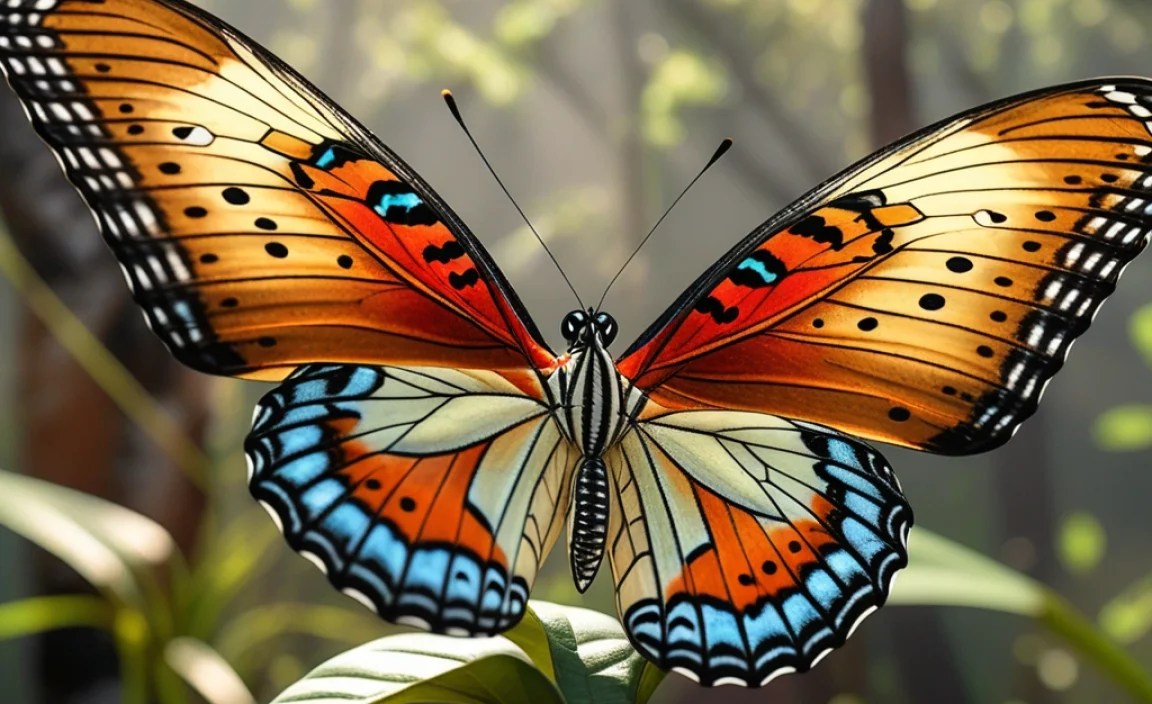
Identifying butterflies involves careful observation and comparison. Here’s a step-by-step guide to help you get started.
Step 1: Observe the Butterfly’s Size and Shape
Start by noting the butterfly’s overall size. Is it small, medium, or large? Also, pay attention to its shape. Is it slender or broad-winged? These basic characteristics can help narrow down the possibilities.
Step 2: Note the Colors and Patterns
The colors and patterns on a butterfly’s wings are key identification features. Describe the colors you see – are they bright and bold, or subtle and muted? Note any distinct patterns, such as spots, stripes, or bands.
Step 3: Examine the Wing Structure
Look closely at the wing structure. Are the wings rounded or angular? Do they have tails or extensions? The shape of the wings can be a clue to the butterfly’s family or genus.
Step 4: Observe the Butterfly’s Behavior
A butterfly’s behavior can also provide clues to its identity. What flowers does it visit? How does it fly? Does it bask in the sun or stay in the shade? These behaviors can be characteristic of certain species.
Step 5: Use Field Guides and Online Resources
Field guides and online resources are essential tools for butterfly identification. These resources provide descriptions, illustrations, and photographs of different butterfly species. Compare your observations with the information in these guides to identify the butterfly you’ve seen.
Essential Tools for Butterfly Identification
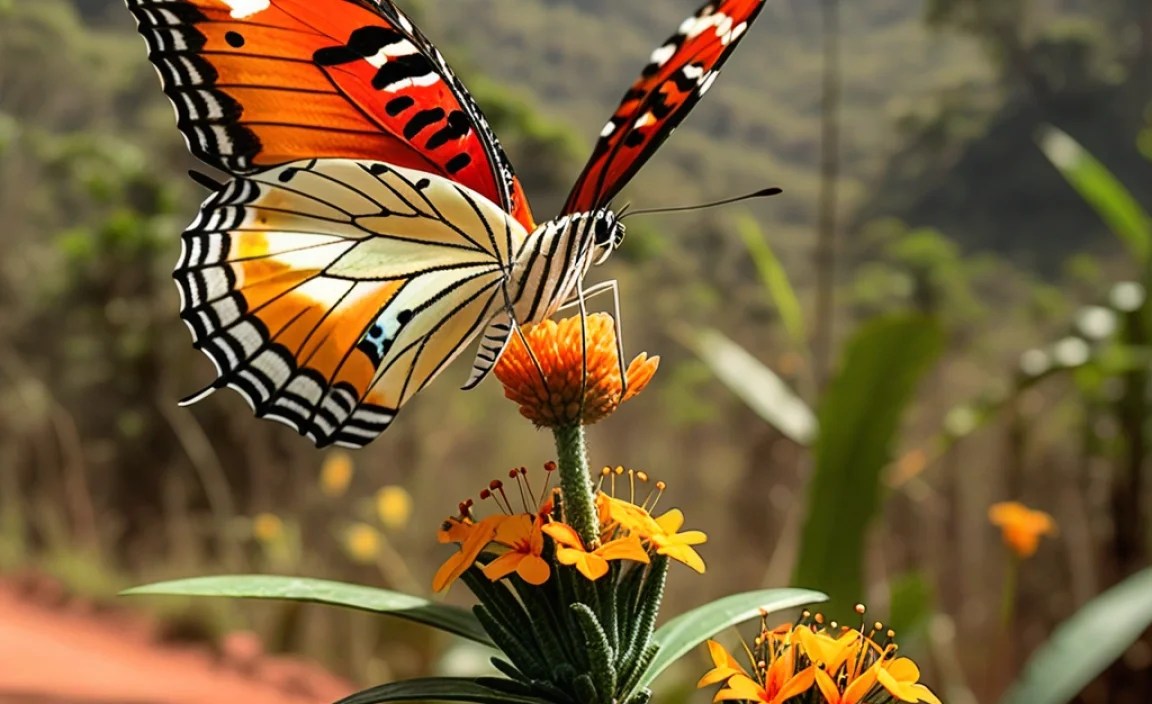
Having the right tools can make butterfly identification easier and more accurate. Here’s a list of essential tools:
- Binoculars: A good pair of binoculars allows you to observe butterflies from a distance without disturbing them. Look for binoculars with a close focusing distance for detailed viewing.
- Field Guide: A field guide specifically for Brazilian butterflies is invaluable. Look for one with detailed descriptions, illustrations, and range maps.
- Camera: Taking photos of butterflies allows you to study them later and compare them with images in field guides and online resources.
- Notebook and Pen: Keep a notebook and pen handy to record your observations. Note the date, time, location, and any details about the butterfly’s appearance and behavior.
- Magnifying Glass: A magnifying glass can help you examine small details, such as wing patterns and structures.
Butterfly Identification: Key Characteristics to Observe

When identifying butterflies, focus on these key characteristics:
| Characteristic | Description | Example |
|---|---|---|
| Size | Overall size of the butterfly (small, medium, large) | Small: 1-2 inches, Medium: 2-4 inches, Large: 4+ inches |
| Color | Dominant colors on the wings | White, yellow, orange, blue, brown, black |
| Patterns | Distinct patterns on the wings (spots, stripes, bands) | Spots: Round or irregular markings, Stripes: Linear markings, Bands: Broad markings across the wings |
| Wing Shape | Shape of the wings (rounded, angular, tailed) | Rounded: Smooth, curved edges, Angular: Sharp, pointed edges, Tailed: Extensions on the hindwings |
| Behavior | Butterfly’s behavior (flower preference, flight pattern, basking habits) | Flower Preference: Specific types of flowers visited, Flight Pattern: Fast or slow, direct or erratic, Basking Habits: Sunny or shaded areas |
Butterfly Habitats in the Cerrado

Understanding the different habitats in the Cerrado can help you predict where to find certain butterfly species.
Grasslands
Grasslands are open areas dominated by grasses and herbs. These habitats are home to many butterfly species that feed on grasses and wildflowers. Look for butterflies like the Whites and Yellows (Pieridae) in these areas.
Shrublands
Shrublands are characterized by dense shrubs and small trees. These habitats provide shelter and food for a variety of butterflies. You might find Gossamer-winged Butterflies (Lycaenidae) and Brush-footed Butterflies (Nymphalidae) here.
Forests
The Cerrado also includes patches of forests, especially along rivers and streams. These forests are home to many butterfly species that prefer shaded environments. Look for Swallowtails (Papilionidae) and other forest-dwelling butterflies in these areas.
Attracting Butterflies to Your Garden in the Cerrado
You can create a butterfly-friendly garden in the Cerrado by providing food, water, and shelter. Here’s how:
Plant Nectar-Rich Flowers
Butterflies feed on nectar, so plant a variety of nectar-rich flowers in your garden. Choose native species that are well-adapted to the Cerrado climate. Some good options include:
- Lantana (Lantana camara): A popular choice for attracting butterflies with its colorful flower clusters.
- Butterfly Bush (Buddleja davidii): Although not native, it’s highly attractive to butterflies.
- Zinnia (Zinnia elegans): Easy to grow and provides a long-lasting source of nectar.
- Marigold (Tagetes spp.): A cheerful flower that attracts many butterfly species.
Provide Host Plants for Caterpillars
Butterflies lay their eggs on specific host plants, which the caterpillars then feed on. Plant host plants in your garden to support the entire butterfly life cycle. Some examples include:
- Milkweed (Asclepias spp.): Host plant for Monarch butterflies.
- Citrus Trees (Citrus spp.): Host plant for Giant Swallowtail butterflies.
- Passionflower (Passiflora spp.): Host plant for Gulf Fritillary butterflies.
Offer a Water Source
Butterflies need water to stay hydrated. Provide a shallow dish of water with pebbles or sand for them to land on. This prevents them from drowning.
Avoid Pesticides
Pesticides can harm butterflies and other beneficial insects. Avoid using pesticides in your garden. Instead, use natural methods to control pests.
Butterfly Conservation in the Cerrado
Butterflies play an important role in the Cerrado ecosystem, and their conservation is essential. Here are some ways you can help protect butterflies in the Cerrado:
- Support Conservation Organizations: Donate to or volunteer with organizations that work to protect the Cerrado and its biodiversity.
- Promote Sustainable Practices: Encourage sustainable agriculture and land management practices that minimize habitat destruction.
- Educate Others: Share your knowledge about butterflies and the Cerrado with friends, family, and community members.
- Create Butterfly-Friendly Habitats: Plant native flowers and host plants in your garden to provide food and shelter for butterflies.
- Reduce Your Carbon Footprint: Climate change can impact butterfly populations, so take steps to reduce your carbon footprint, such as using public transportation, conserving energy, and reducing waste.
Resources for Butterfly Identification
Here are some useful resources for butterfly identification:
- Field Guides:
- Butterflies of Brazil by Helena Cochrane
- Guia de Borboletas Brasileiras by Fernando Straube
- Online Resources:
- Mobile Apps:
- Picture Insect
- Seek by iNaturalist
FAQ: Identifying Butterflies in the Cerrado
Here are some frequently asked questions about identifying butterflies in the Cerrado.
What is the best time of year to see butterflies in the Cerrado?
The best time to see butterflies in the Cerrado is during the wet season (October to April), when food is abundant and many species emerge.
How can I attract more butterflies to my garden?
Plant nectar-rich flowers and host plants, provide a water source, and avoid using pesticides.
What is the difference between a butterfly and a moth?
Butterflies are typically active during the day, have slender bodies, and hold their wings upright when at rest. Moths are often active at night, have thicker bodies, and hold their wings flat when at rest.
How do I use a field guide to identify butterflies?
Compare your observations of the butterfly’s size, color, patterns, and wing shape with the descriptions and illustrations in the field guide. Use the range maps to see if the species is known to occur in your area.
Are there any poisonous butterflies in the Cerrado?
Some butterflies are poisonous due to the toxins they accumulate from their host plants. These butterflies often have bright colors and patterns to warn predators. An example is the Monarch butterfly, which feeds on milkweed.
What should I do if I find an injured butterfly?
If you find an injured butterfly, you can try to help it by providing a sugar-water solution for it to feed on. Mix one part sugar with four parts water and place it in a shallow dish. You can also contact a local butterfly expert or conservation organization for advice.
Why are butterflies important for the Cerrado ecosystem?
Butterflies are important pollinators, helping to fertilize plants and maintain biodiversity. They also serve as a food source for other animals and play a role in nutrient cycling.
Conclusion
Identifying butterflies in the Cerrado is a rewarding experience that connects you to the natural world. By following these steps, using the right tools, and understanding the key characteristics of butterflies, you can unlock the secrets of these beautiful creatures. The Cerrado is a treasure trove of biodiversity, and its butterflies are a vital part of this ecosystem. Your efforts to identify and conserve them contribute to the preservation of this unique environment for future generations. So grab your binoculars and field guide, head out into the Cerrado, and start exploring the wonderful world of butterflies!


