British Swallowtail Conservation: A Powerful Comeback?

Quick Summary: British Swallowtail conservation focuses on preserving their unique habitat in the Norfolk Broads, where they depend on milk-parsley plants. You can help by supporting conservation organizations, planting milk-parsley in suitable areas, reducing pesticide use, and educating others about these stunning butterflies. Every small action contributes to their survival!
Have you ever dreamed of seeing a British Swallowtail butterfly, with its striking yellow and black wings dancing in the sunlight? These magnificent creatures are a true symbol of the British countryside. Unfortunately, they are also one of our rarest butterflies, facing numerous threats that put their survival at risk. It can feel overwhelming to know how to help, but don’t worry! This guide will walk you through simple yet effective steps you can take to contribute to British Swallowtail conservation. Together, we can make a real difference and ensure future generations can enjoy these beauties.
Understanding the British Swallowtail
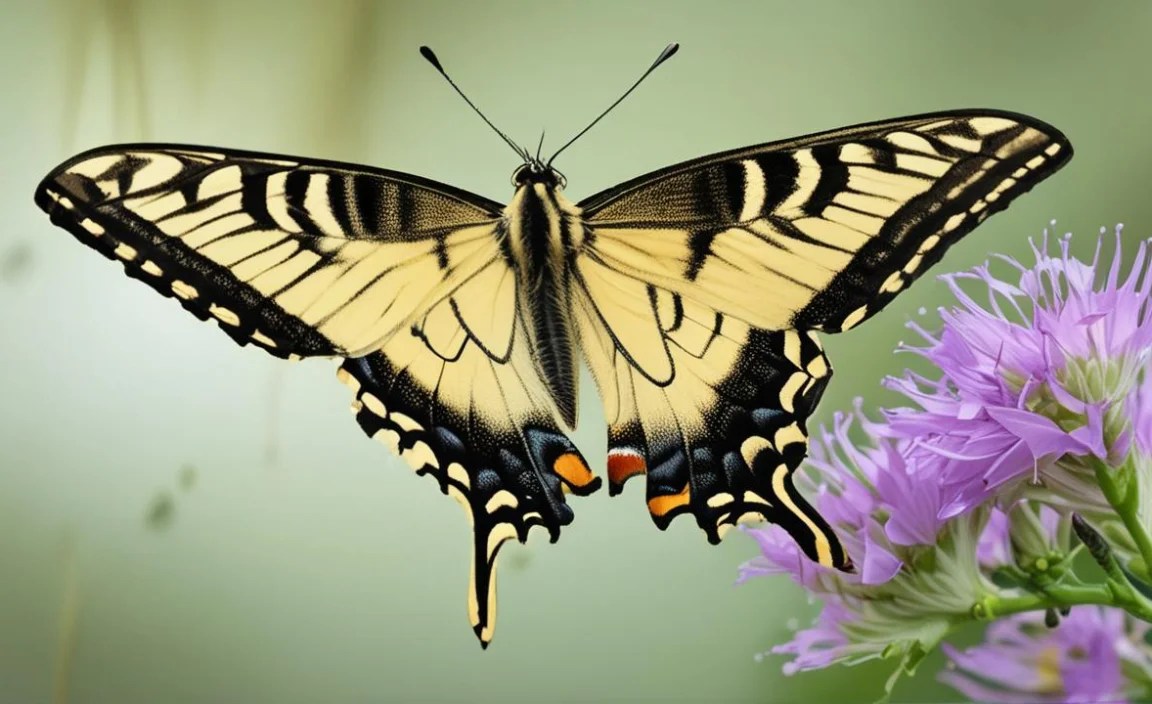
The British Swallowtail (Papilio machaon britannicus) is a subspecies of the Swallowtail butterfly found exclusively in the UK, primarily in the Norfolk Broads. It’s a sight to behold, with its large size, vibrant colours, and elegant flight. But what makes it so special, and why is it in need of our help?
Why the British Swallowtail is Unique
- Endemic Subspecies: The British Swallowtail is unique to the UK, making it a vital part of our natural heritage.
- Habitat Specialist: Unlike other Swallowtail subspecies, it relies almost entirely on milk-parsley (Peucedanum palustre) as its larval food plant.
- Restricted Range: Its distribution is limited to the Norfolk Broads, a unique wetland ecosystem.
Threats to Their Survival
Several factors threaten the British Swallowtail, including:
- Habitat Loss: Drainage and changes in land management have reduced the availability of suitable habitat and milk-parsley.
- Climate Change: Changing weather patterns can disrupt their breeding cycle and affect the availability of their food plant.
- Collection: Although illegal, the collection of Swallowtails still occurs, further reducing their numbers.
- Pesticide Use: Pesticides can directly harm the caterpillars and reduce the abundance of insects that the adult butterflies rely on for nectar.
How You Can Help with British Swallowtail Conservation
Even small actions can collectively make a big difference. Here’s how you can contribute to the conservation of the British Swallowtail:
1. Support Conservation Organizations
Several organizations are actively involved in British Swallowtail conservation. Supporting them financially or through volunteer work can significantly boost their efforts. Some key organizations include:
- Butterfly Conservation: This UK-based charity works to protect butterflies and moths through habitat conservation, research, and advocacy. Butterfly Conservation is a great place to start.
- The Norfolk Wildlife Trust: This organization manages nature reserves in the Norfolk Broads, providing vital habitat for Swallowtails and other wildlife. Learn more at The Norfolk Wildlife Trust.
- The Broads Authority: This statutory body is responsible for managing the Norfolk and Suffolk Broads, including conserving its biodiversity. Check them out at The Broads Authority.
Ways to Support:
- Become a Member: Membership fees provide crucial funding for conservation projects.
- Donate: One-off or regular donations can directly support habitat management and research.
- Volunteer: Participate in practical conservation work, such as habitat restoration and butterfly monitoring.
2. Create a Butterfly-Friendly Garden
While the British Swallowtail is highly specialized, you can still create a garden that benefits butterflies in general, contributing to a healthier ecosystem that supports them indirectly. Consider these steps:
Plant Nectar-Rich Flowers
Adult butterflies need nectar for energy. Choose a variety of flowering plants that bloom at different times of the year to provide a continuous food source. Some excellent choices include:
- Buddlejas (Butterfly Bush)
- Lavender
- Sedum
- Echinacea
- Verbena
Provide Caterpillar Food Plants
While you may not be able to grow milk-parsley outside of its natural range, you can provide food plants for other butterfly species. This will attract more butterflies to your garden, creating a richer ecosystem. Some options are:
- Nasturtiums (food plant for the Large White butterfly)
- Fennel (food plant for the Swallowtail butterfly – if you live in an area where they occur)
- Thistles (food plant for the Painted Lady butterfly)
Avoid Pesticides
Pesticides can harm butterflies and other beneficial insects. Opt for organic gardening methods and encourage natural predators like ladybugs and lacewings to control pests.
Provide Shelter and Water
Butterflies need shelter from wind and rain, as well as a source of water. Plant shrubs and trees to create sheltered areas, and provide a shallow dish of water with pebbles for them to land on.
3. Plant Milk-Parsley (If You’re in the Right Area)
If you live in or near the Norfolk Broads, planting milk-parsley in your garden or on suitable land can directly benefit the British Swallowtail. However, it’s crucial to consider a few key factors:
Is Your Location Suitable?
Milk-parsley thrives in damp, marshy conditions. It’s essential to ensure that your garden or land provides the right environment. Check with local conservation organizations for advice on suitable locations.
Source Your Plants Responsibly
Obtain milk-parsley plants from reputable nurseries that specialize in native plants. Avoid taking plants from the wild, as this can harm existing populations.
Planting and Care Tips
- Timing: Plant milk-parsley in spring or autumn.
- Location: Choose a sunny spot with damp soil.
- Watering: Keep the soil consistently moist, especially during dry periods.
- Maintenance: Milk-parsley is a perennial, so it will come back year after year. Cut back the old stems in late winter to encourage new growth.
4. Reduce Pesticide Use
Pesticides are a major threat to butterflies and other insects. By reducing your reliance on pesticides, you can help create a safer environment for them.
Alternatives to Pesticides
- Encourage Natural Predators: Attract ladybugs, lacewings, and other beneficial insects to your garden to control pests naturally.
- Use Organic Pest Control Methods: Try using organic sprays, such as those made from neem oil or garlic, to control pests.
- Practice Companion Planting: Plant herbs and flowers that repel pests alongside your vegetables and other plants.
Be Mindful of Where You Buy Food
Support farmers and businesses that use sustainable agricultural practices and avoid pesticides. This will help reduce the overall use of pesticides in the environment.
5. Educate Others
Raising awareness about the British Swallowtail and its conservation needs is crucial. The more people who understand the importance of protecting this butterfly, the more likely we are to succeed.
Share Information
- Talk to Friends and Family: Share your knowledge about the British Swallowtail and its conservation with your friends and family.
- Use Social Media: Share articles, photos, and videos about the British Swallowtail on social media.
- Contact Local Schools: Reach out to local schools and offer to give talks or presentations about butterflies and conservation.
Participate in Citizen Science Projects
Citizen science projects allow you to contribute to scientific research by collecting data on butterflies and other wildlife. This information can be used to inform conservation efforts.
- Butterfly Monitoring Scheme: Participate in the Butterfly Monitoring Scheme, which involves counting butterflies in designated areas.
- iRecord: Use the iRecord app to record your sightings of butterflies and other wildlife.
6. Support Sustainable Tourism
If you visit the Norfolk Broads, support businesses that are committed to sustainable tourism practices. This will help protect the environment and benefit local communities.
Choose Eco-Friendly Accommodation
Stay in eco-friendly hotels, guesthouses, or campsites that minimize their environmental impact.
Support Local Businesses
Buy local products and services, and support businesses that are committed to sustainable practices.
Respect the Environment
Follow the Countryside Code and avoid disturbing wildlife or damaging habitats.
The Importance of Habitat Management

Effective habitat management is essential for the long-term survival of the British Swallowtail. This involves maintaining and restoring the wetland habitats of the Norfolk Broads, as well as managing the vegetation to ensure that milk-parsley thrives.
Maintaining Water Levels
Maintaining appropriate water levels is crucial for creating suitable conditions for milk-parsley. This involves managing drainage systems and ensuring that the wetlands are not too dry or too wet.
Controlling Invasive Species
Invasive species, such as Himalayan balsam and reed sweet-grass, can outcompete milk-parsley and other native plants. Controlling these species is essential for maintaining the biodiversity of the Norfolk Broads.
Grazing Management
Careful grazing management can help to create a mosaic of habitats that benefit the British Swallowtail and other wildlife. Grazing can prevent the vegetation from becoming too dense and shading out milk-parsley.
Understanding the Butterfly Life Cycle

Understanding the life cycle of the British Swallowtail can help you appreciate the challenges it faces and the importance of conservation efforts. Here’s a brief overview:
- Egg: The female Swallowtail lays her eggs on milk-parsley plants.
- Larva (Caterpillar): The caterpillar hatches from the egg and feeds on the leaves of the milk-parsley. It goes through several stages of growth, shedding its skin each time.
- Pupa (Chrysalis): The caterpillar pupates, forming a chrysalis. Inside the chrysalis, the caterpillar transforms into a butterfly.
- Adult: The adult butterfly emerges from the chrysalis and feeds on nectar from flowers. It mates and lays eggs, starting the cycle all over again.
British Swallowtail: Conservation Efforts & Monitoring

Dedicated conservation and monitoring are essential to safeguard British Swallowtail populations. These efforts are crucial for understanding population trends, assessing the effectiveness of conservation strategies, and adapting management practices as needed.
Butterfly Monitoring Scheme
The Butterfly Monitoring Scheme (BMS), coordinated by Butterfly Conservation, is a long-term project that tracks butterfly populations across the UK. Volunteers regularly visit designated sites to count butterflies, providing valuable data on population trends and habitat use. This data helps inform conservation strategies and assess the impact of environmental changes.
Habitat Restoration Projects
Various habitat restoration projects are underway in the Norfolk Broads to improve the quality and extent of suitable habitat for the British Swallowtail. These projects may involve:
- Re-wetting drained areas: Restoring water levels to create damp, marshy conditions that favor milk-parsley.
- Controlling invasive species: Removing or managing invasive plants that compete with milk-parsley.
- Planting milk-parsley: Introducing milk-parsley to areas where it is scarce or absent.
- Creating buffer zones: Establishing areas of suitable habitat around existing populations to provide connectivity and resilience.
Captive Breeding Programs
In some cases, captive breeding programs may be used to supplement wild populations of British Swallowtails. These programs involve rearing butterflies in a controlled environment and then releasing them into the wild to boost numbers.
| Conservation Action | Description | Benefits |
|---|---|---|
| Butterfly Monitoring Scheme | Regularly counting butterflies at designated sites. | Provides data on population trends and habitat use. |
| Habitat Restoration Projects | Improving the quality and extent of suitable habitat. | Creates more space and resources for Swallowtails. |
| Captive Breeding Programs | Rearing butterflies in a controlled environment and releasing them into the wild. | Boosts population numbers in the short term. |
The Legal Protection of British Swallowtails
The British Swallowtail receives legal protection under UK law, which prohibits certain activities that could harm the species or its habitat. Understanding these legal protections is important for ensuring that conservation efforts are effective.
Wildlife and Countryside Act 1981
The Wildlife and Countryside Act 1981 is the primary legislation protecting wildlife in the UK. Under this Act, it is illegal to intentionally kill, injure, or take a British Swallowtail, or to damage or destroy its habitat.
Natural Environment and Rural Communities Act 2006
The Natural Environment and Rural Communities Act 2006 places a duty on public bodies to have regard to the conservation of biodiversity in all their functions. This means that public bodies, such as local authorities and government agencies, must consider the impact of their decisions on British Swallowtails and other wildlife.
FAQ: British Swallowtail Conservation
What is the British Swallowtail?
The British Swallowtail is a unique subspecies of the Swallowtail butterfly found only in the UK, mainly in the Norfolk Broads. It’s known for its large size and striking yellow and black wings.
Why is the British Swallowtail endangered?
The British Swallowtail faces threats like habitat loss, climate change, pesticide use, and illegal collection, all contributing to its decline.
What is milk-parsley?
Milk-parsley (Peucedanum palustre) is the primary food plant for British Swallowtail caterpillars. It grows in damp, marshy areas, making it essential for their survival.
Can I plant milk-parsley in my garden?
If you live in or near the Norfolk Broads and have a damp, sunny spot, you can plant milk-parsley to support British Swallowtails. Source plants from reputable nurseries.
How can I help if I don’t live in the Norfolk Broads?
You can support conservation organizations, create a butterfly-friendly garden with nectar-rich flowers, reduce pesticide use, and educate others about British Swallowtail conservation.
What are some butterfly-friendly flowers I can plant?
Good choices include Buddlejas (Butterfly Bush), lavender, sedum, and verbena, which provide nectar for adult butterflies.
Why is it important to avoid pesticides?
Pesticides can harm butterflies and other beneficial insects, reducing their populations and disrupting the ecosystem. Opt for organic gardening methods instead.
Conclusion
The British Swallowtail is a precious part of our natural heritage, and its survival depends on our collective efforts. By supporting conservation organizations, creating butterfly-friendly gardens, reducing pesticide use, and educating others, we can all play a role in protecting this magnificent butterfly. Every small action counts, and together, we can ensure that future generations have the opportunity to witness the beauty of the British Swallowtail dancing in the skies of the Norfolk Broads. Let’s work together to create a brighter future for these iconic butterflies and the habitats they call home.