
Butterfly Visual ID Tips: Your Ultimate Guide!

Butterfly Visual ID Tips: Quick Summary
To visually identify butterflies, focus on key features such as size, color patterns on both sides of the wings, wing shape, and behavior. Note the butterfly’s habitat and the plants it frequents. Observing these details and comparing them to field guides or online resources will greatly improve your identification skills.
Have you ever seen a butterfly flitting through your garden and wondered what kind it was? Identifying butterflies can seem tricky at first, but with a few simple tips, you can unlock the secrets of these beautiful creatures. Many people struggle to tell one butterfly from another, but don’t worry – it’s easier than you think!
This guide will walk you through the key things to look for, from wing patterns to behavior, making butterfly identification fun and accessible. We’ll break down the process step by step, so you can confidently name the butterflies you see. Get ready to discover the amazing diversity of butterflies right in your own backyard!
Getting Started with Butterfly Identification
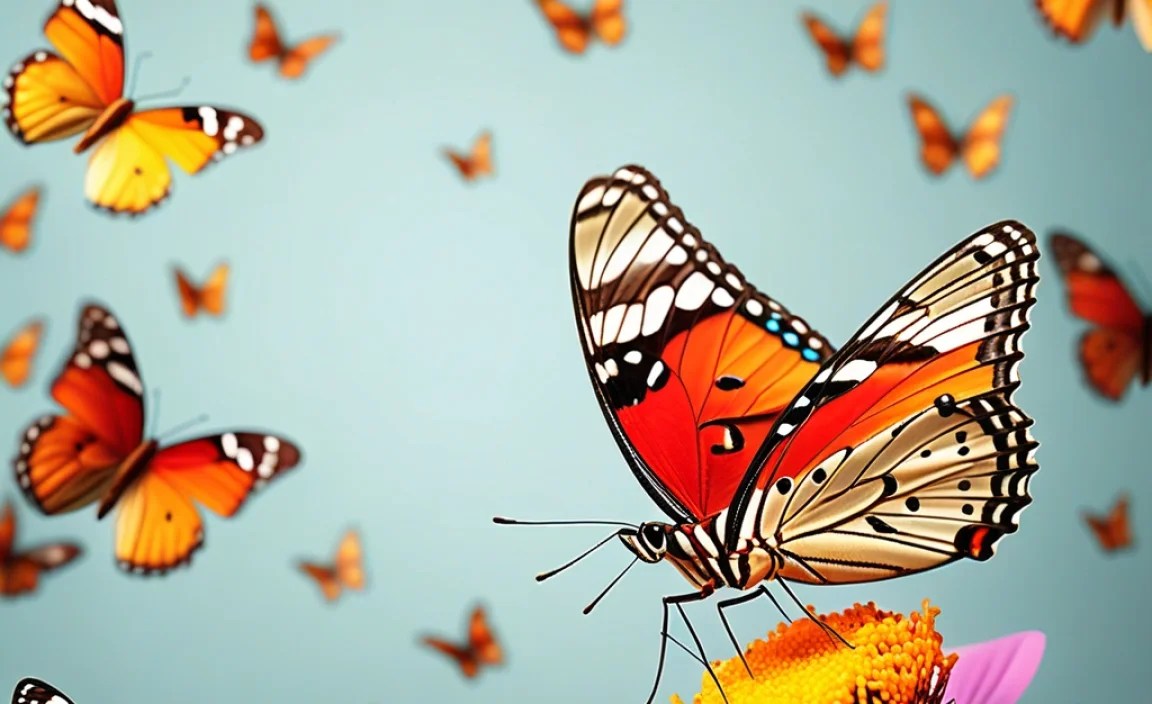
Butterfly identification relies on careful observation of key characteristics. Here’s a breakdown of the most important features to consider:
- Wing Patterns and Colors: Pay close attention to the colors, spots, bands, and other markings on both the upper and lower sides of the wings.
- Wing Shape: Note the overall shape of the wings. Are they rounded, angular, or swallow-tailed?
- Size: Estimate the butterfly’s wingspan. This can help narrow down possibilities.
- Behavior: Observe how the butterfly flies, feeds, and rests.
- Habitat and Location: Where did you see the butterfly? Different species are found in different habitats.
Step-by-Step Butterfly Visual ID Tips

Follow these steps to become a butterfly identification pro:
Step 1: Observe the Butterfly’s Size and Shape
Start by noting the butterfly’s overall size and shape. This is a quick way to eliminate many possibilities.
- Size: Is it small (under 2 inches), medium (2-4 inches), or large (over 4 inches)?
- Wing Shape: Are the wings rounded, angular, or do they have tails? Some butterflies have distinctive shapes like the swallowtails with their elongated tails.
Step 2: Examine the Wing Colors and Patterns
The colors and patterns on a butterfly’s wings are like its unique fingerprint. Pay close attention to these details.
- Color Combinations: What are the dominant colors? Are there contrasting colors or patterns?
- Spots and Markings: Note the presence, size, and arrangement of spots, stripes, and bands.
- Upper vs. Lower Wing: The patterns on the upper and lower sides of the wings can be quite different, so try to observe both if possible.
Step 3: Consider the Butterfly’s Behavior
How a butterfly behaves can also provide clues to its identity.
- Flight Pattern: Does it fly quickly and erratically, or does it glide more gracefully?
- Feeding Habits: What flowers does it visit? Some butterflies are picky eaters and only feed on certain plants.
- Resting Position: How does it hold its wings when at rest? Some butterflies hold their wings open, while others keep them closed.
Step 4: Note the Habitat and Location
Butterflies are often found in specific habitats, so knowing where you saw the butterfly can help narrow down the possibilities.
- Habitat Type: Was it in a forest, meadow, garden, or wetland?
- Geographic Location: Where are you located? Different butterfly species are found in different regions.
Step 5: Use Field Guides and Online Resources
Once you’ve gathered as much information as possible, it’s time to consult field guides and online resources. These tools can help you compare your observations to known species.
- Field Guides: Regional butterfly field guides are invaluable for identification. Look for guides that include detailed descriptions and illustrations or photographs. The Kaufman Field Guide to Butterflies of North America is a popular resource.
- Online Resources: Websites like Butterflies and Moths of North America and The Xerces Society offer extensive databases of butterfly species, with photos, descriptions, and distribution maps.
- Butterfly Identification Apps: There are several smartphone apps available that can help you identify butterflies based on photos or descriptions.
Detailed Characteristics to Observe

Let’s dive deeper into the specific characteristics you should be looking for when identifying butterflies:
Wing Color and Pattern Details
The color and pattern on a butterfly’s wings are its most distinguishing features. Here’s what to look for:
- Base Color: The dominant color of the wings (e.g., orange, yellow, blue, brown).
- Patterns: Look for distinctive patterns such as stripes, spots, bands, or eyespots.
- Margins: Note the color and pattern along the edges of the wings. Are they fringed, scalloped, or bordered with a different color?
- Metallic or Iridescent Colors: Some butterflies have wings that shimmer or change color depending on the angle of the light.
Wing Shape Variations
The shape of a butterfly’s wings can be just as important as the color and pattern. Here are some common wing shapes:
- Rounded: Wings are smooth and curved, with no sharp angles.
- Angular: Wings have sharp angles or points.
- Swallowtail: Wings have elongated tails extending from the hindwings.
- Elongated: Wings are longer than they are wide.
- Scalloped: Wing edges are wavy or have small indentations.
Body Characteristics
While the wings are the most obvious feature, the butterfly’s body can also provide clues.
- Body Color: Note the color of the butterfly’s body (e.g., black, brown, orange).
- Body Shape: Is the body slender or stout?
- Antennae: Butterfly antennae are typically club-shaped. Note the color and shape of the club.
Behavioral Clues
Observing how a butterfly behaves can help you narrow down the possibilities.
- Flight Style: Is the flight rapid and erratic, or slow and fluttering?
- Sun Basking: Does the butterfly bask in the sun with its wings open or closed?
- Nectar Sources: What types of flowers does the butterfly visit? Some butterflies are attracted to specific plants.
- Territorial Behavior: Does the butterfly defend a particular area or perch?
Butterfly Habitats and Host Plants
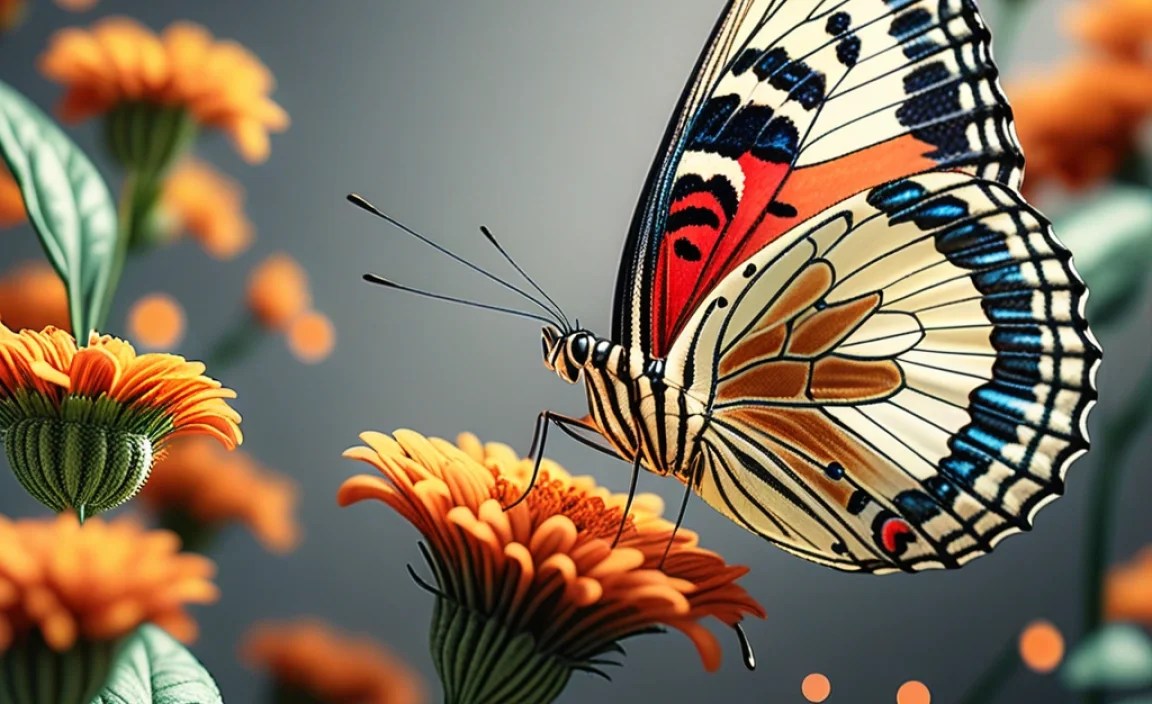
Understanding butterfly habitats and host plants is crucial for accurate identification. Different species are found in different environments and rely on specific plants for food and reproduction.
Common Butterfly Habitats
Butterflies can be found in a wide range of habitats, each supporting different species.
- Forests: Many butterflies are found in forests, especially along edges and in clearings.
- Meadows and Fields: Open grassy areas with wildflowers are prime butterfly habitat.
- Gardens: Butterfly gardens with nectar-rich flowers and host plants attract a variety of species.
- Wetlands: Marshes, swamps, and other wetlands can be home to specialized butterfly species.
- Deserts: Even arid environments can support butterflies adapted to dry conditions.
Importance of Host Plants
Host plants are plants that butterfly larvae (caterpillars) feed on. Knowing the host plant can be a key to identifying a butterfly.
- Monarchs and Milkweed: Monarch butterflies are famous for their dependence on milkweed plants.
- Swallowtails and Citrus/Parsley: Swallowtail caterpillars often feed on citrus trees or plants in the parsley family.
- Painted Ladies and Thistle: Painted Lady caterpillars commonly feed on thistle plants.
Tools for Butterfly Identification
Having the right tools can make butterfly identification easier and more accurate.
Essential Equipment
- Binoculars: A good pair of binoculars can help you get a closer look at butterflies without disturbing them.
- Camera: A camera with a zoom lens allows you to capture detailed photos for later identification.
- Field Notebook: Keep a notebook to record your observations, including date, time, location, and physical characteristics.
- Magnifying Glass: A magnifying glass can help you see small details on the wings and body.
Useful Resources
- Regional Field Guides: These guides provide detailed descriptions and illustrations of butterflies found in your area.
- Online Databases: Websites like Butterflies and Moths of North America and The Xerces Society offer a wealth of information on butterfly species.
- Smartphone Apps: Butterfly identification apps can help you identify butterflies based on photos or descriptions.
Butterfly Identification Table
| Feature | Description | Example |
|---|---|---|
| Size | Overall wingspan of the butterfly. | Small (under 2 inches), Medium (2-4 inches), Large (over 4 inches) |
| Wing Shape | Shape of the wings. | Rounded, Angular, Swallowtail, Elongated |
| Wing Color | Dominant colors on the wings. | Orange, Yellow, Blue, Brown, Black |
| Wing Pattern | Distinctive patterns on the wings. | Stripes, Spots, Bands, Eyespots |
| Habitat | Type of environment where the butterfly is found. | Forest, Meadow, Garden, Wetland, Desert |
| Behavior | How the butterfly behaves. | Flight style, sun basking, nectar sources, territorial behavior |
Tips for Taking Good Butterfly Photos
Clear photos are essential for accurate butterfly identification. Here are some tips for taking great butterfly photos:
Camera Settings
- Use Macro Mode: Macro mode allows you to focus on small details.
- Adjust ISO: Use a low ISO setting (e.g., 100 or 200) for best image quality.
- Control Aperture: Use a narrow aperture (e.g., f/8 or f/11) to increase depth of field.
- Shutter Speed: Use a fast shutter speed to freeze the butterfly’s movement.
Techniques for Capturing Images
- Get Close: Move slowly and carefully to get as close as possible to the butterfly.
- Focus Carefully: Make sure the butterfly is in sharp focus.
- Shoot from Different Angles: Capture images from multiple angles to show different features.
- Use Natural Light: Avoid using flash, which can wash out colors and scare the butterfly.
Challenges in Butterfly Identification
Butterfly identification can be challenging, even for experienced enthusiasts. Here are some common difficulties:
Similar Species
Many butterfly species look very similar, making it difficult to tell them apart. Pay close attention to subtle differences in color patterns and markings.
Variations Within Species
Butterflies can exhibit significant variation in color and pattern within the same species. This can be due to factors such as geographic location, season, and individual genetics.
Damaged Wings
Butterflies with damaged wings can be difficult to identify, as key features may be missing or obscured.
Butterfly Conservation
As you become more familiar with butterflies, you may want to get involved in conservation efforts. Butterflies are important pollinators and indicators of ecosystem health, but many species are threatened by habitat loss, pesticide use, and climate change.
Supporting Butterfly Conservation
- Plant Native Host Plants: Provide food for butterfly larvae by planting native host plants in your garden.
- Create a Butterfly Garden: Plant nectar-rich flowers to attract adult butterflies.
- Avoid Pesticides: Pesticides can harm or kill butterflies and other beneficial insects.
- Support Conservation Organizations: Donate to or volunteer with organizations that work to protect butterfly habitats.
- Educate Others: Share your knowledge and passion for butterflies with others.
Frequently Asked Questions (FAQ)
What is the most important thing to look for when identifying butterflies?
The most important thing is to observe the colors and patterns on the wings. These are like the butterfly’s unique fingerprint.
How can I attract more butterflies to my garden?
Plant a variety of nectar-rich flowers and host plants that butterflies love. Also, avoid using pesticides.
What is a host plant?
A host plant is a specific type of plant that butterfly caterpillars eat. For example, Monarch caterpillars eat milkweed.
Are butterfly identification apps accurate?
Butterfly identification apps can be helpful, but they are not always 100% accurate. Always double-check with a field guide or expert.
Why is butterfly conservation important?
Butterflies are important pollinators and indicators of a healthy environment. Protecting them helps maintain biodiversity.
What should I do if I find an injured butterfly?
If you find an injured butterfly, you can try to gently move it to a safe place with food and water. If the injury is severe, contact a local butterfly rescue organization.
How can I tell the difference between a butterfly and a moth?
Butterflies typically have thin antennae with club-shaped tips, while moths have feathery or comb-like antennae. Butterflies also usually hold their wings upright when resting, while moths often hold them flat.
Conclusion
Identifying butterflies is a rewarding and fascinating hobby that connects you with the natural world. By following these visual ID tips and practicing your observation skills, you’ll be able to identify the butterflies in your area with confidence. Remember to pay attention to size, shape, color patterns, behavior, habitat, and host plants. Use field guides, online resources, and photography to enhance your learning experience. Most importantly, enjoy the beauty and wonder of these incredible creatures, and consider how you can contribute to their conservation. Happy butterflying!


