
Butterfly Spotting for Beginners: Easy Guide

Butterfly spotting for beginners is easier than you think! Start by learning basic identification, finding butterfly habitats, and using binoculars. Pay attention to behavior, record your sightings, and join local groups to enhance your skills and contribute to conservation.
Butterflies! These colorful insects bring joy and wonder to our gardens and wild spaces. Many people find them hard to identify because they flit and fly so quickly. It can be frustrating to catch more than a glimpse. But don’t worry! With a few simple techniques, you can become a confident butterfly spotter.
This guide will give you step-by-step instructions to identify butterflies in your backyard or local park. You’ll learn what equipment to use, how to find the best spots, and tips for remembering different species. Get ready to open your eyes to the fascinating world of butterflies!
Getting Started with Butterfly Spotting
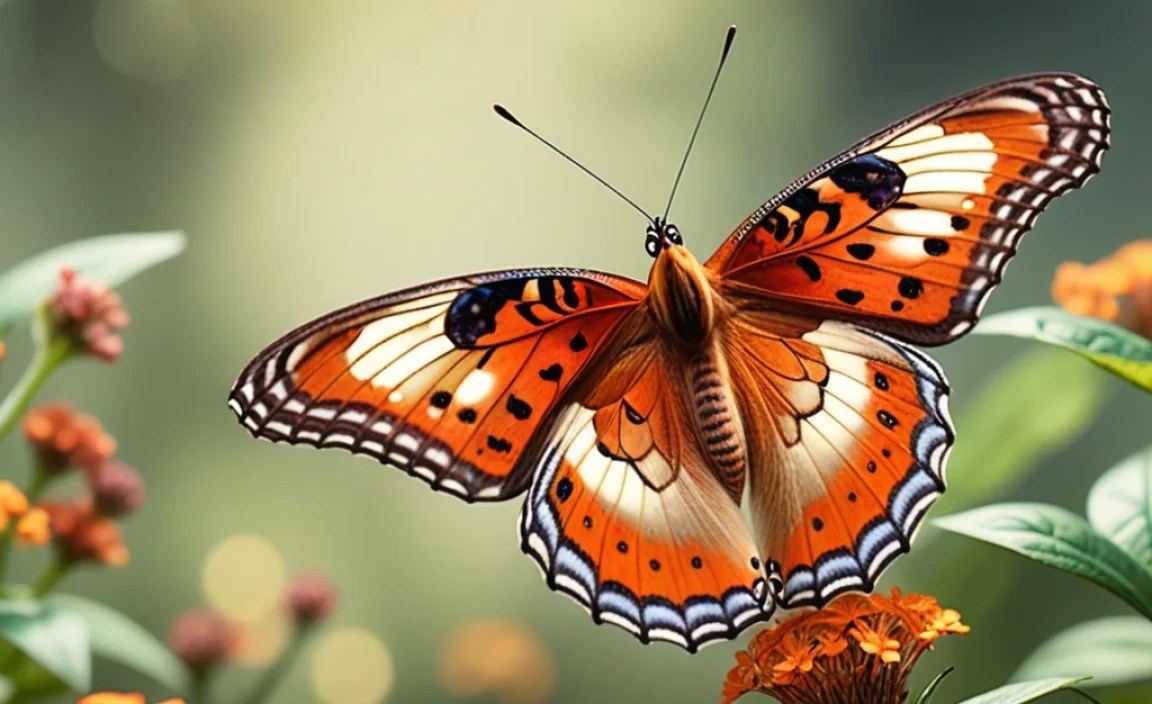
Butterfly spotting is a rewarding hobby that connects you with nature. It’s also a great way to contribute to citizen science. Before you head out, let’s cover some basics.
Essential Equipment for Butterfly Spotting
You don’t need a lot of fancy gear to start. Here are a few essential items:
- Binoculars: A good pair of binoculars helps you see details without disturbing the butterflies. Look for binoculars with a close focus distance.
- Butterfly Field Guide: A field guide specific to your region is crucial for identification. Peterson Field Guides and Kaufman Field Guides are excellent choices.
- Notebook and Pencil: Keep a record of your sightings, including the date, location, and any interesting behavior you observe.
- Camera or Smartphone: Taking photos helps with identification later and creates a visual record of your finds.
- Magnifying Glass: A small magnifying glass can help you examine fine details on butterfly wings.
- Comfortable Shoes: You’ll be doing some walking, so wear comfortable shoes.
- Water and Snacks: Stay hydrated and energized, especially on longer outings.
Understanding Butterfly Anatomy
Knowing the basic parts of a butterfly will help you identify different species. Here’s a quick overview:
- Wings: Butterflies have four wings, usually brightly colored. The patterns and colors are key identification features.
- Body: The body is divided into three parts: the head, thorax, and abdomen.
- Antennae: Butterflies use their antennae to sense their environment, including smells and air currents.
- Proboscis: This is a long, straw-like tongue that butterflies use to drink nectar. When not in use, it’s coiled up.
Where to Find Butterflies
Butterflies thrive in sunny, sheltered locations with plenty of nectar sources. Here are some great places to look:
- Gardens: Butterfly gardens are specifically designed to attract butterflies with nectar-rich flowers and host plants for caterpillars.
- Meadows: Open meadows with wildflowers are butterfly magnets.
- Woodland Edges: The edges of forests offer a mix of sunlight and shelter.
- Parks: Many parks have butterfly gardens or natural areas where butterflies can be found.
- Near Water: Butterflies often gather near streams, ponds, and puddles to drink water and minerals.
Identifying Butterflies: A Step-by-Step Guide
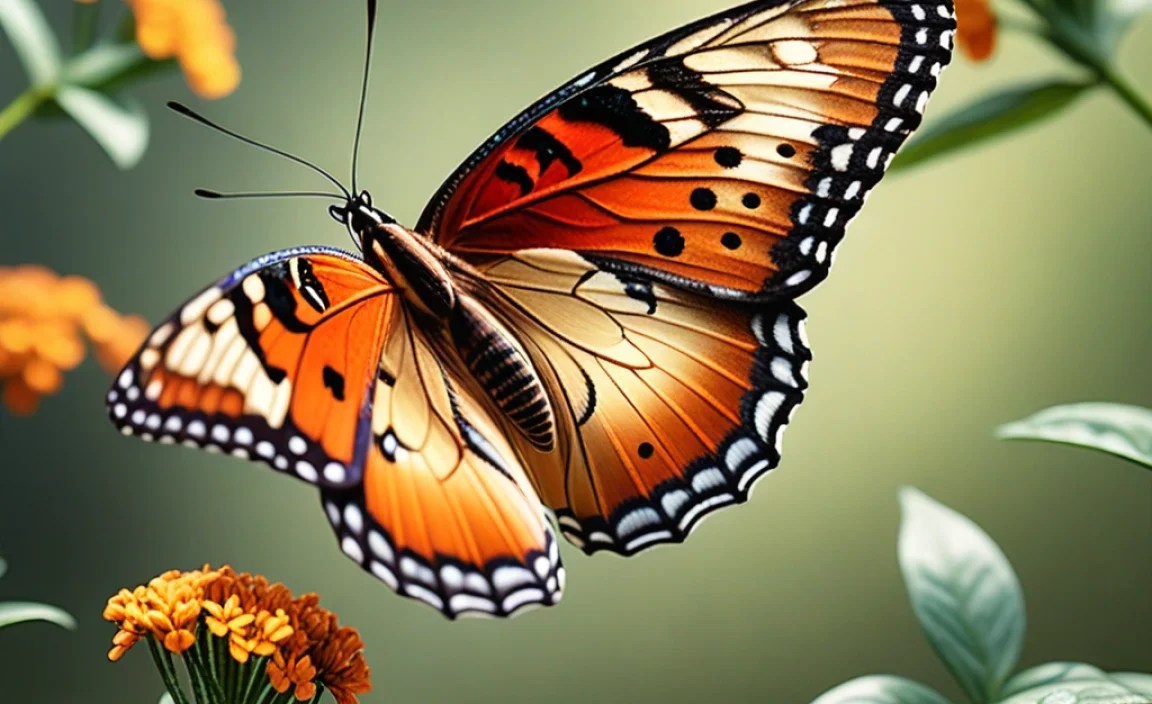
Identifying butterflies can seem daunting at first, but with practice, you’ll become more confident. Here’s a step-by-step approach:
Step 1: Observe the Butterfly’s Size and Shape
Start by noting the butterfly’s size. Is it small, medium, or large? Also, pay attention to the shape of its wings. Are they rounded, triangular, or elongated?
Step 2: Note the Colors and Patterns
The colors and patterns on a butterfly’s wings are crucial for identification. Describe the colors you see: are they bright and bold, or muted and subtle? Note any distinctive patterns, such as spots, stripes, or bands.
Step 3: Observe the Butterfly’s Behavior
How is the butterfly behaving? Is it actively feeding on flowers, basking in the sun, or flying rapidly? Some butterflies have characteristic flight patterns that can aid in identification.
Step 4: Use Your Field Guide
Now it’s time to consult your field guide. Look for butterflies that match the size, shape, colors, and patterns you’ve observed. Pay close attention to the range maps to make sure the species is found in your area.
Step 5: Take a Photo
If possible, take a photo of the butterfly. This will allow you to examine it more closely later and compare it to images in your field guide or online resources.
Step 6: Confirm Your Identification
Once you’ve made a tentative identification, double-check your findings. Look for multiple sources to confirm that you’ve correctly identified the butterfly. Online resources like BugGuide.net and iNaturalist can be helpful.
Butterfly Identification Tips and Tricks
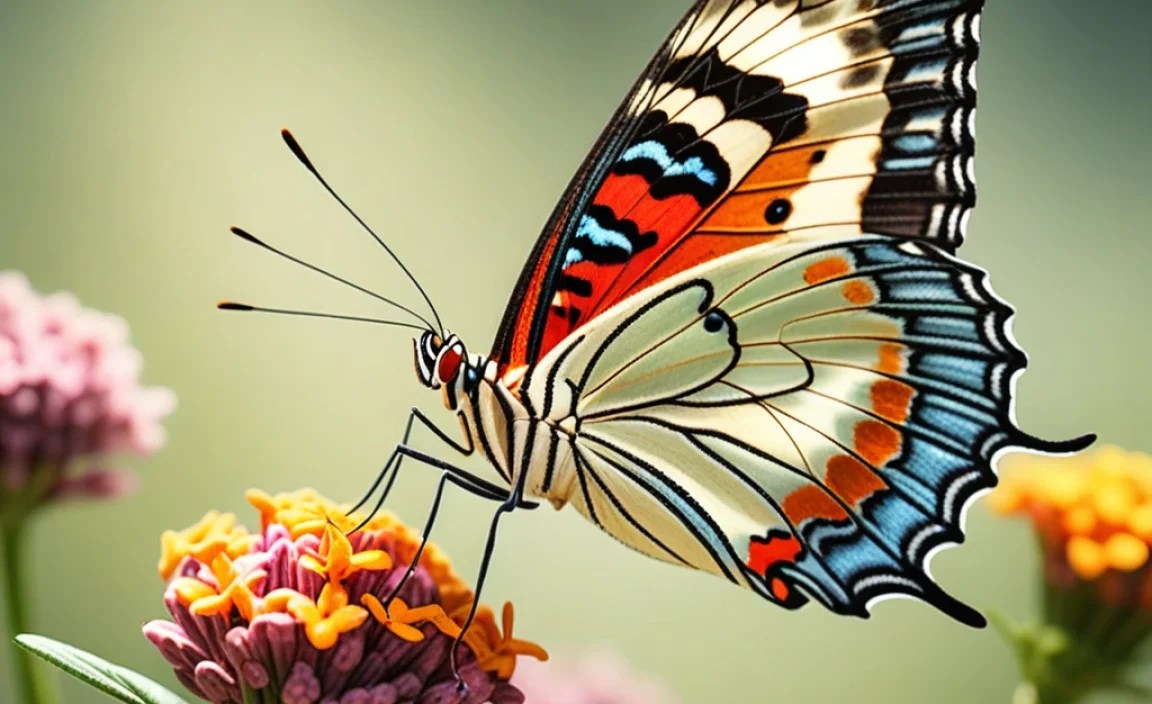
Here are some additional tips to help you become a butterfly identification expert:
- Learn the Common Species First: Start by focusing on the butterflies that are most common in your area. Once you’re familiar with these, you can gradually expand your knowledge.
- Pay Attention to Details: Small details, such as the shape of a spot or the color of a fringe, can be crucial for distinguishing between similar species.
- Consider the Season: Some butterflies are only active during certain times of the year. Be aware of the seasonal distribution of butterflies in your region.
- Join a Butterfly Club: Local butterfly clubs offer opportunities to learn from experienced butterfly spotters and participate in group outings.
- Practice Regularly: The more you practice, the better you’ll become at identifying butterflies. Make it a habit to spend time observing butterflies whenever you can.
Creating a Butterfly-Friendly Garden
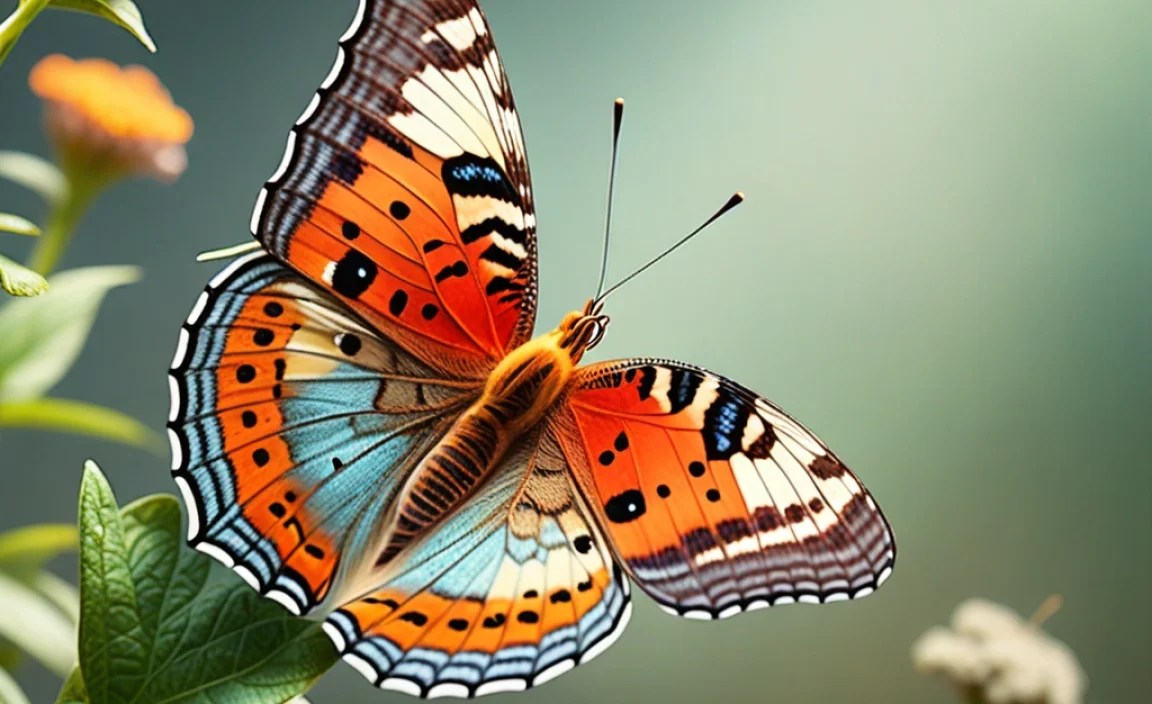
One of the best ways to attract butterflies to your yard is to create a butterfly-friendly garden. Here’s how:
Plant Nectar-Rich Flowers
Butterflies need nectar for energy, so plant a variety of flowers that provide a continuous source of nectar throughout the growing season. Some good choices include:
- Butterfly Bush (Buddleja davidii): A classic butterfly magnet.
- Purple Coneflower (Echinacea purpurea): Attracts a wide variety of butterflies.
- Zinnia (Zinnia elegans): Easy to grow and comes in many colors.
- Lantana (Lantana camara): Produces clusters of colorful flowers.
- Milkweed (Asclepias spp.): Essential for Monarch butterflies.
Provide Host Plants for Caterpillars
Butterflies lay their eggs on specific host plants that caterpillars need to feed on. Planting these host plants will ensure that butterflies can complete their life cycle in your garden. Some examples include:
- Milkweed (Asclepias spp.): Host plant for Monarch caterpillars.
- Parsley, Dill, and Fennel (Foeniculum vulgare): Host plants for Swallowtail caterpillars.
- Violets (Viola spp.): Host plants for Fritillary caterpillars.
- Spicebush (Lindera benzoin): Host plant for Spicebush Swallowtail caterpillars.
- Clovers and Alfalfa: Host plants for Sulphur butterflies.
Offer a Water Source
Butterflies need water, but they can’t drink from open water sources like bird baths. Instead, create a “puddling station” by filling a shallow dish with sand or gravel and keeping it moist. Butterflies will land on the damp surface and drink the water.
Provide Shelter
Butterflies need shelter from wind and predators. Plant shrubs and trees to provide a safe haven for them. You can also create a butterfly house, although these are more for decoration than actual shelter.
Avoid Pesticides
Pesticides can harm or kill butterflies and caterpillars. Avoid using pesticides in your garden, or choose organic options that are less harmful.
Butterfly Conservation
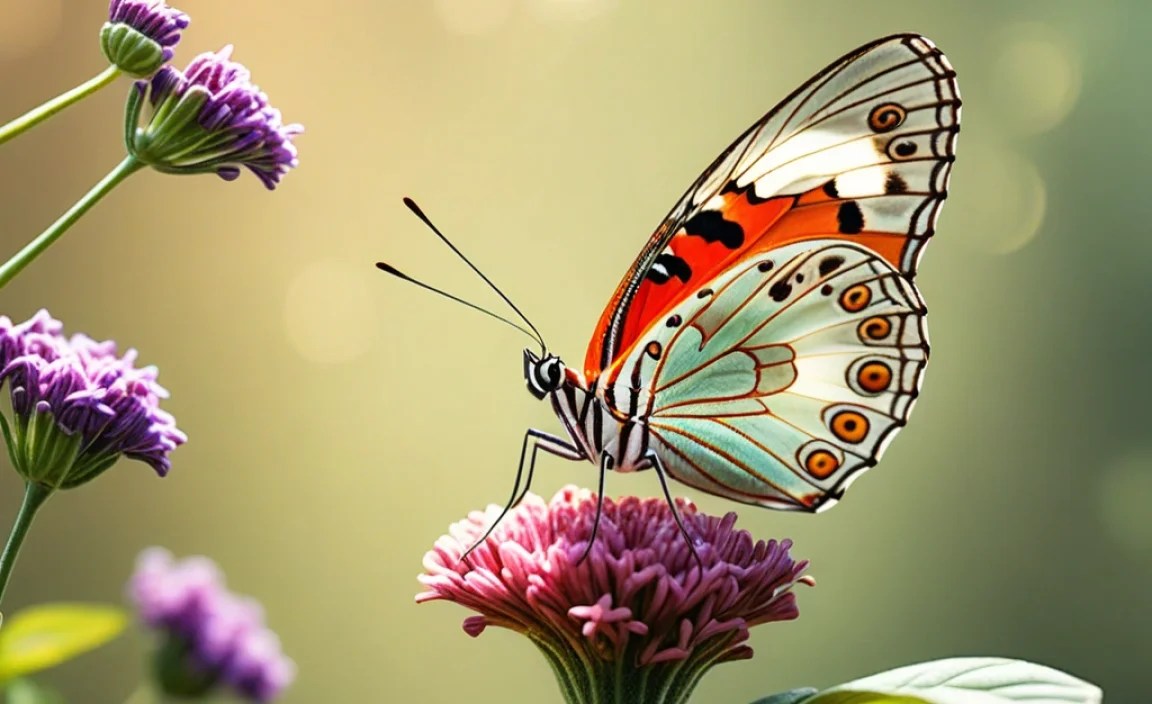
Many butterfly species are threatened by habitat loss, climate change, and pesticide use. Here are some things you can do to help protect butterflies:
- Support Butterfly Conservation Organizations: Donate to organizations like the Xerces Society that work to protect butterflies and their habitats.
- Plant Native Plants: Native plants provide the best food and shelter for butterflies and other wildlife.
- Reduce Your Carbon Footprint: Climate change is a major threat to butterflies. Take steps to reduce your carbon footprint, such as driving less, using less energy, and eating locally.
- Advocate for Butterfly Conservation: Contact your elected officials and let them know that you support policies that protect butterflies and their habitats.
- Educate Others: Share your knowledge about butterflies with others and encourage them to take action to protect these beautiful creatures.
Understanding Butterfly Migration
Butterfly migration is one of the most fascinating phenomena in the natural world. Some butterfly species, like the Monarch, undertake long-distance migrations to find suitable breeding grounds and overwintering sites.
Monarch Migration
The Monarch butterfly is famous for its multi-generational migration from Canada and the United States to Mexico. Each year, millions of Monarchs travel thousands of miles to overwinter in the oyamel fir forests of central Mexico.
The Monarch migration is threatened by habitat loss, climate change, and pesticide use. You can help protect Monarchs by planting milkweed, their host plant, and avoiding the use of pesticides.
Other Migratory Butterflies
While the Monarch is the most well-known migratory butterfly, other species also undertake migrations. These include:
- Painted Lady (Vanessa cardui): Migrates from North Africa and the Middle East to Europe.
- Cloudless Sulphur (Phoebis sennae): Migrates from the southern United States to the northern United States and Canada.
- American Snout (Libytheana carinenta): Known for its mass migrations in the southern United States.
Butterfly Camouflage and Mimicry
Butterflies use a variety of strategies to protect themselves from predators, including camouflage and mimicry.
Camouflage
Camouflage is the ability to blend in with the environment. Some butterflies have wing patterns that resemble leaves, bark, or other natural objects. This helps them avoid detection by predators.
Examples of butterflies that use camouflage include the Oak Leaf Butterfly (Kallima inachus), which looks like a dead leaf when its wings are closed, and the Tree Nymph Butterfly (Idea Leuconoe), which is translucent.
Mimicry
Mimicry is when one species evolves to resemble another species. There are two main types of mimicry:
- Batesian Mimicry: A harmless species mimics a harmful species. For example, the Viceroy butterfly (Limenitis archippus) mimics the Monarch butterfly, which is poisonous to predators.
- Müllerian Mimicry: Two or more harmful species mimic each other. This benefits all species involved because predators learn to avoid the shared warning signal. For example, the Heliconius butterflies of South America all have similar bright colors and patterns, which warn predators that they are toxic.
Butterfly Symbolism and Cultural Significance
Butterflies have been symbols of transformation, hope, and beauty for centuries. In many cultures, they are associated with the soul, rebirth, and resurrection.
Spiritual Meanings
In many spiritual traditions, butterflies represent the soul’s journey from earthly existence to the afterlife. They are also seen as symbols of personal transformation and growth.
Cultural Significance
Butterflies are revered in many cultures around the world. In Japan, they are considered symbols of joy and longevity. In Mexico, they are associated with the souls of ancestors who return to visit the living during the Day of the Dead.
Butterflies in Art and Literature
Butterflies have inspired artists and writers for centuries. They appear in paintings, poems, and stories as symbols of beauty, freedom, and transformation.
Resources for Further Learning
Want to learn more about butterflies? Here are some resources to explore:
- The Xerces Society: A non-profit organization dedicated to protecting invertebrates and their habitats.
- BugGuide.net: An online community of naturalists who share photos and information about insects.
- iNaturalist: A citizen science platform where you can record your observations of nature and connect with other naturalists.
- Local Butterfly Clubs: Join a local butterfly club to learn from experienced butterfly spotters and participate in group outings.
| Resource Type | Description | Website |
|---|---|---|
| Non-profit Organization | The Xerces Society focuses on invertebrate conservation through science-based action. | xerces.org |
| Online Community | BugGuide.net is a resource for identification and information sharing on insects and arthropods. | bugguide.net |
| Citizen Science Platform | iNaturalist allows users to record and share observations of biodiversity to promote scientific collaboration. | inaturalist.org |
Frequently Asked Questions (FAQs)
What is the best time of day to spot butterflies?
The best time to spot butterflies is typically in the late morning or early afternoon when the sun is shining and temperatures are warm. Butterflies are most active when they can bask in the sun to warm their bodies.
What kind of binoculars should I use for butterfly spotting?
Look for binoculars with a close focus distance, ideally 6 feet or less. A magnification of 8x or 10x is usually sufficient. Compact binoculars are lightweight and easy to carry.
How can I attract more butterflies to my garden?
Plant a variety of nectar-rich flowers and host plants for caterpillars. Provide a water source, such as a puddling station, and avoid using pesticides. Offer shelter from wind and predators by planting shrubs and trees.
What is the difference between a butterfly and a moth?
Butterflies are typically active during the day, have brightly colored wings, and hold their wings upright when resting. Moths are often active at night, have duller colored wings, and hold their wings flat when resting. Butterflies also have clubbed antennae, while moths have feathery or comb-like antennae.
How can I tell if a butterfly is male or female?
In some species, males and females have different wing patterns or colors. For example, male Monarch butterflies have thinner veins on their wings and a spot on each hindwing, while females do not. In other species, it can be difficult to tell the difference without examining the butterfly closely.
What should I do if I find an injured butterfly?
If you find an injured butterfly, you can try to help it by providing it with a sugar-water solution. Mix one part sugar with four parts water and place it in a shallow dish or on a sponge. You can also gently move the butterfly to a sheltered location away from predators.
Are butterflies endangered?
Many butterfly species are threatened or endangered due to habitat loss, climate change, and pesticide use. The Monarch butterfly is of particular concern due to its declining population. You can help protect butterflies by supporting conservation organizations, planting native plants, and reducing your carbon footprint.
Conclusion
Butterfly spotting is a wonderful way to connect with nature and learn about the fascinating world of insects. By following these tips and tricks, you can become a confident butterfly spotter and contribute to butterfly conservation. So grab your binoculars, field guide, and head out to explore the beauty and diversity of butterflies in your area. Every sighting counts, and every effort to protect these delicate creatures makes a difference. Happy butterfly spotting!


