
Citrus Swallowtail Butterfly: Ultimate Guide!

The Citrus Swallowtail Butterfly is a stunning insect! You can identify it by its vibrant yellow and black wings. These butterflies are commonly found in gardens and citrus groves. Attract them by planting host plants like citrus trees and rue. With the right environment, you can enjoy their beauty in your own backyard.
Have you ever spotted a beautiful butterfly flitting around your citrus trees and wondered what it was? Chances are, you’ve seen a Citrus Swallowtail Butterfly. These butterflies are not only lovely to look at, but they also play an important role in our gardens. Many gardeners are curious about how to attract and care for these amazing creatures. Let’s explore the fascinating world of the Citrus Swallowtail and learn how to make your garden a butterfly haven. We’ll cover everything from identification tips to creating the perfect habitat.
What is the Citrus Swallowtail Butterfly?

The Citrus Swallowtail Butterfly, scientifically known as Papilio demodocus, is a vibrant and widespread butterfly found across Africa, Asia, and parts of Australia. As its name suggests, this butterfly is closely associated with citrus plants, which serve as its primary host. The Citrus Swallowtail is known for its striking appearance and intriguing life cycle, making it a favorite among butterfly enthusiasts and gardeners alike. Let’s dive deeper into what makes this butterfly so special.
Appearance and Identification
Identifying the Citrus Swallowtail is relatively easy due to its distinctive markings and colors. Here’s what to look for:
- Wingspan: Typically ranges from 8 to 12 cm (3 to 5 inches).
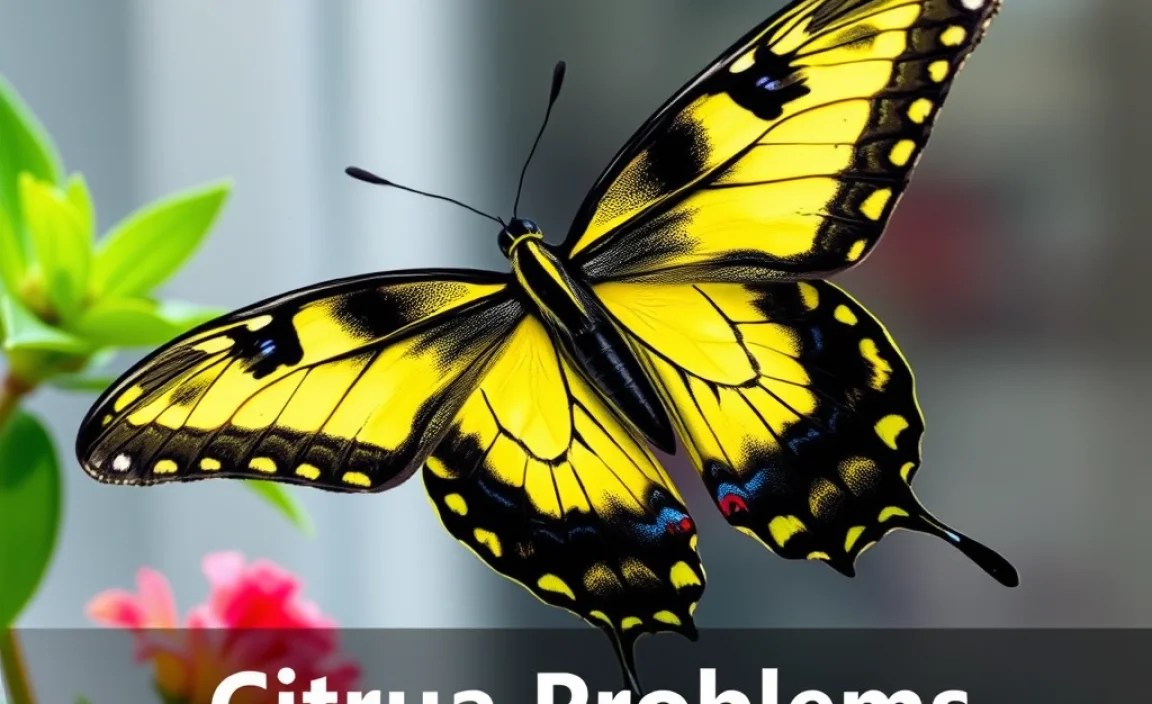
- Color: The wings are predominantly black with prominent yellow markings. The hindwings feature a distinctive “swallowtail” extension.
- Markings: Look for blue and orange eyespots on the hindwings. These spots help to deter predators.
Here’s a table summarizing the key identification features:
| Feature | Description |
|---|---|
| Wingspan | 8-12 cm (3-5 inches) |
| Color | Black with yellow markings |
| Hindwings | Swallowtail extension with blue and orange eyespots |
Life Cycle
The Citrus Swallowtail Butterfly goes through a complete metamorphosis, which includes four distinct stages: egg, larva (caterpillar), pupa (chrysalis), and adult butterfly. Each stage is crucial to the butterfly’s development and survival.
- Egg: The life cycle begins when the female butterfly lays small, round eggs on the leaves of citrus plants or related host plants. These eggs are usually green or yellowish in color.
- Larva (Caterpillar): Once the eggs hatch, the larvae emerge. These caterpillars are often referred to as “orange dogs” because they feed voraciously on citrus leaves. They can grow quite large, reaching several centimeters in length.
- Pupa (Chrysalis): After several molts, the caterpillar transforms into a pupa or chrysalis. The chrysalis is typically green or brown and blends in with its surroundings.
- Adult Butterfly: After a period of development inside the chrysalis, the adult butterfly emerges. The adult butterfly is now ready to reproduce and continue the cycle.
Distribution and Habitat
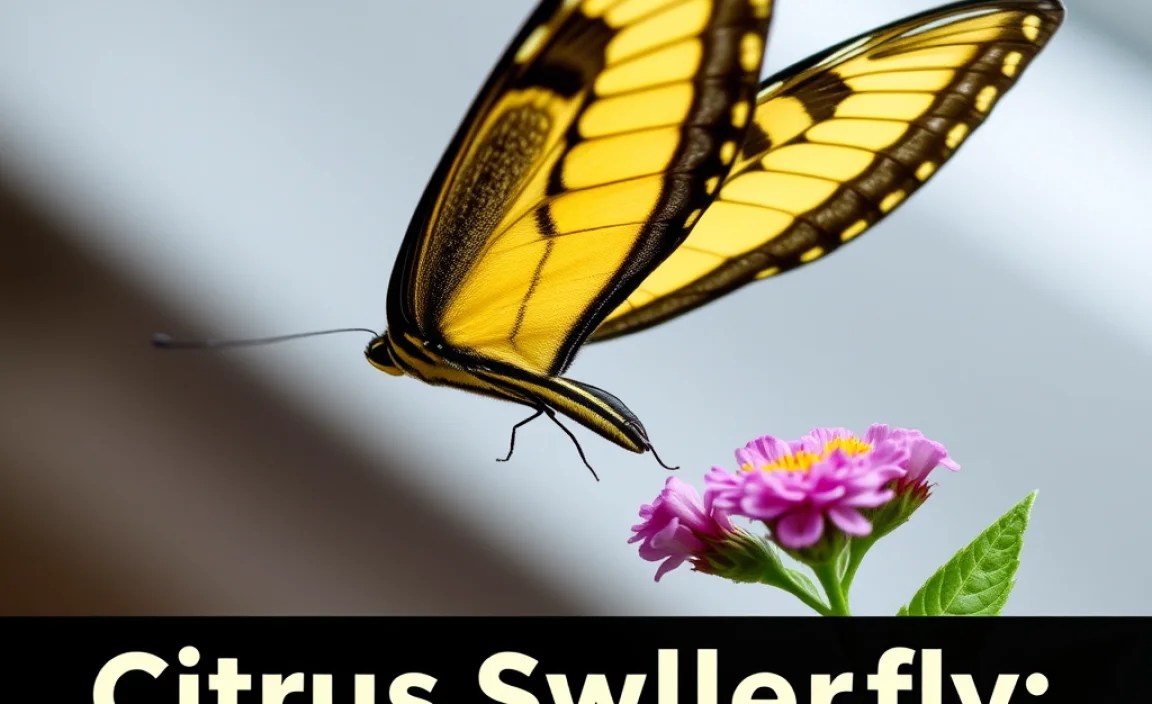
The Citrus Swallowtail Butterfly is found in a wide range of habitats across Africa, Asia, and Australia. Understanding its distribution and habitat preferences can help you create the perfect environment to attract these butterflies to your garden. Let’s explore where they thrive and what conditions they prefer.
Geographic Range
This butterfly is widespread across several continents:
- Africa: Found throughout sub-Saharan Africa.
- Asia: Common in many parts of Asia, including India, Southeast Asia, and parts of the Middle East.
- Australia: Present in northern and eastern Australia.
Preferred Habitats
Citrus Swallowtails prefer habitats that provide them with food and shelter. Here are some common habitats:
- citrus Groves: As the name suggests, these butterflies are often found in citrus groves where they can easily access their host plants.
- Gardens: Home gardens with citrus trees or related plants can also attract Citrus Swallowtails.
- Woodlands: Open woodlands with suitable host plants can also provide habitat for these butterflies.
- Urban Areas: They can adapt to urban environments as long as host plants are available.
Key habitat requirements include:
- Host Plants: Access to citrus trees or other host plants for egg-laying and larval feeding.
- Nectar Sources: A variety of flowering plants that provide nectar for adult butterflies.
- Shelter: Protection from strong winds and extreme weather conditions.
Attracting Citrus Swallowtail Butterflies to Your Garden

Attracting Citrus Swallowtail Butterflies to your garden is a rewarding experience. By providing the right host plants and nectar sources, you can create a butterfly-friendly environment that supports their life cycle. Here’s how to do it:
Planting Host Plants
Host plants are essential for the survival of Citrus Swallowtail caterpillars. These plants provide food for the larvae, allowing them to grow and develop into butterflies. Here are some of the best host plants to include in your garden:
- Citrus Trees: Orange, lemon, lime, and grapefruit trees are all excellent choices.
- Rue (Ruta graveolens): A popular choice that is easy to grow and maintain.
- White Sapote (Casimiroa edulis): Another great option if you live in a warmer climate.
- Lime Bush (Citrus aurantiifolia): A favorite among Citrus Swallowtails.
Tips for planting host plants:
- Location: Choose a sunny location with well-drained soil.
- Protection: Protect young plants from strong winds and frost.
- Organic Practices: Avoid using pesticides that can harm caterpillars.
Providing Nectar Sources
Adult butterflies need nectar for energy. Planting a variety of flowering plants that provide nectar can attract Citrus Swallowtails and other butterflies to your garden. Here are some great nectar sources:
- Lantana: A colorful and prolific bloomer that attracts many butterflies.
- Pentas: These star-shaped flowers are a favorite among butterflies.
- Zinnias: Easy to grow and available in a variety of colors.
- Butterfly Bush (Buddleja davidii): As the name suggests, this shrub is a magnet for butterflies.
- Marigolds: Provide bright color and attract beneficial insects.
Tips for providing nectar sources:
- Variety: Plant a variety of flowers that bloom at different times of the year.
- Color: Choose brightly colored flowers, especially red, orange, yellow, and purple.
- Clustering: Plant flowers in clusters to make it easier for butterflies to find them.
Creating a Butterfly-Friendly Environment
In addition to providing host plants and nectar sources, there are other ways to create a welcoming environment for Citrus Swallowtail Butterflies:
- Water Source: Provide a shallow dish of water with pebbles or stones for butterflies to land on.
- Sunbathing Spots: Butterflies need sunlight to warm their bodies. Provide flat rocks or other surfaces where they can bask in the sun.
- Shelter: Plant shrubs and trees to provide shelter from wind and rain.
- Avoid Pesticides: Pesticides can harm or kill butterflies and caterpillars. Use organic gardening practices instead.
Caring for Citrus Swallowtail Caterpillars

Caring for Citrus Swallowtail caterpillars involves providing them with a safe and healthy environment. While some gardeners may be concerned about caterpillars eating their citrus trees, remember that they are an essential part of the butterfly’s life cycle. Here’s how to care for them:
Protecting Caterpillars from Predators
Caterpillars are vulnerable to predators such as birds, lizards, and wasps. Here are some ways to protect them:
- Netting: Cover host plants with netting to prevent predators from reaching the caterpillars.
- Relocation: If you find caterpillars in a vulnerable location, you can carefully move them to a safer spot on the same plant.
- Natural Deterrents: Encourage natural predators of caterpillar predators, such as lacewings and ladybugs.
Managing Caterpillar Damage
While Citrus Swallowtail caterpillars can eat a significant amount of foliage, they rarely cause serious damage to healthy citrus trees. Here are some tips for managing caterpillar damage:
- Monitor: Regularly inspect your citrus trees for caterpillars.
- Handpicking: If you only have a few caterpillars, you can handpick them and move them to another host plant or allow them to continue their lifecycle on the tree.
- Pruning: Prune heavily infested branches to control the population.
- Accept Some Damage: Remember that some damage is normal and acceptable. The benefits of having beautiful butterflies in your garden outweigh the minor damage to your plants.
Supporting Caterpillar Health
To ensure that caterpillars stay healthy and thrive, provide them with the best possible conditions:
- Fresh Foliage: Make sure caterpillars have access to fresh, healthy foliage.
- Clean Environment: Keep the area around the host plants clean and free of debris.
- Avoid Overcrowding: If you have a large number of caterpillars, consider providing additional host plants to prevent overcrowding.
Common Problems and Solutions
Even with the best care, you may encounter some common problems when trying to attract and care for Citrus Swallowtail Butterflies. Here are some issues you might face and how to address them:
Pesticide Exposure
Problem: Pesticides can harm or kill butterflies and caterpillars.
Solution: Avoid using pesticides in your garden. Use organic gardening practices instead. If you must use pesticides, choose options that are safe for butterflies and apply them carefully.
Lack of Host Plants
Problem: If you don’t have enough host plants, Citrus Swallowtail Butterflies won’t be able to lay their eggs and caterpillars won’t have enough to eat.
Solution: Plant a variety of host plants, such as citrus trees, rue, and white sapote. Make sure the plants are healthy and well-maintained.
Predator Pressure
Problem: Birds, lizards, and wasps can prey on caterpillars and reduce their numbers.
Solution: Protect caterpillars with netting or relocate them to safer locations. Encourage natural predators of caterpillar predators, such as lacewings and ladybugs.
Disease
Problem: Caterpillars can be susceptible to diseases, especially in crowded conditions.
Solution: Provide a clean environment for caterpillars and avoid overcrowding. Remove any sick or dead caterpillars to prevent the spread of disease.
Here’s a table summarizing these common problems and their solutions:
| Problem | Solution |
|---|---|
| Pesticide Exposure | Avoid pesticides; use organic practices |
| Lack of Host Plants | Plant a variety of host plants |
| Predator Pressure | Use netting; relocate caterpillars |
| Disease | Maintain clean environment; avoid overcrowding |
Frequently Asked Questions (FAQs)
Here are some frequently asked questions about Citrus Swallowtail Butterflies:
- What do Citrus Swallowtail caterpillars eat?
- Citrus Swallowtail caterpillars primarily eat the leaves of citrus trees and related host plants like rue and white sapote.
- Are Citrus Swallowtail caterpillars harmful to citrus trees?
- While caterpillars can eat a significant amount of foliage, they rarely cause serious damage to healthy citrus trees. Monitor your trees and manage the caterpillar population as needed.
- How can I attract Citrus Swallowtail Butterflies to my garden?
- Plant host plants like citrus trees and rue. Also, provide nectar sources with colorful flowers such as lantana, pentas, and zinnias. Ensure a water source and sunny spots for basking.
- What does a Citrus Swallowtail chrysalis look like?
- The chrysalis is typically green or brown and blends in with its surroundings, resembling a leaf or twig for camouflage.
- How long does it take for a Citrus Swallowtail egg to hatch?
- Citrus Swallowtail eggs usually hatch within a few days, depending on the temperature and humidity.
- Are Citrus Swallowtail Butterflies migratory?
- Citrus Swallowtail Butterflies are not typically migratory, but they may move locally in search of food and suitable habitats.
- How can I protect Citrus Swallowtail caterpillars from predators?
- Use netting to cover host plants, relocate caterpillars to safer spots, and encourage natural predators of caterpillar predators like lacewings and ladybugs.
Conclusion
The Citrus Swallowtail Butterfly is a beautiful and fascinating creature that can bring joy and vibrancy to your garden. By understanding its life cycle, habitat preferences, and care requirements, you can create a welcoming environment that supports these butterflies and allows them to thrive. Remember to plant host plants like citrus trees and rue, provide nectar sources with colorful flowers, and protect caterpillars from predators. With a little effort, you can enjoy the beauty of Citrus Swallowtail Butterflies in your own backyard and contribute to their conservation.


