
Butterflies in Sinai Region: A Powerful Guide

The Sinai region is home to a surprising variety of butterflies, adapted to its unique desert and mountain environments. Spotting these beauties requires knowing where to look, understanding their behavior, and recognizing key species. This guide will help you identify and appreciate the butterflies thriving in the Sinai Peninsula.
Have you ever imagined that the desert could be a haven for butterflies? The Sinai Peninsula, with its stark landscapes and hidden oases, is just that. Many people think of deserts as barren and lifeless, but the Sinai is full of surprises. Discovering the butterflies that call this region home is a rewarding experience. This article will show you where to find these delicate creatures, how to identify them, and why they are so special. Get ready to explore the vibrant world of Sinai butterflies!
Butterflies in Sinai: A Beginner’s Guide

Understanding the Sinai’s Unique Environment
The Sinai Peninsula, located between the Gulf of Suez and the Gulf of Aqaba, presents a fascinating mix of desert, mountains, and coastal habitats. This varied environment supports a surprising diversity of plant and animal life, including butterflies. The climate is arid, with hot summers and mild winters, and rainfall is scarce. Despite these harsh conditions, butterflies have adapted and found niches where they can thrive.
Key factors influencing butterfly distribution in the Sinai include:
- Water Sources: Oases, springs, and wadis (seasonal rivers) provide crucial water sources for butterflies and the plants they depend on.
- Vegetation: Specific host plants are essential for butterfly larvae (caterpillars) to feed on. The presence of these plants determines where certain butterfly species can live.
- Altitude: Higher elevations in the Sinai mountains offer cooler temperatures and different plant communities, supporting different butterfly species.
- Shelter: Rocky outcrops and sheltered valleys provide protection from strong winds and extreme temperatures.
Common Butterfly Species in the Sinai
Several butterfly species are commonly found in the Sinai region. Here are some of the most notable:
- African Babul Blue (Azanus jesous): This small, delicate butterfly is often seen near acacia trees, which serve as its larval host plant. It has pale blue wings with a distinctive dark border.
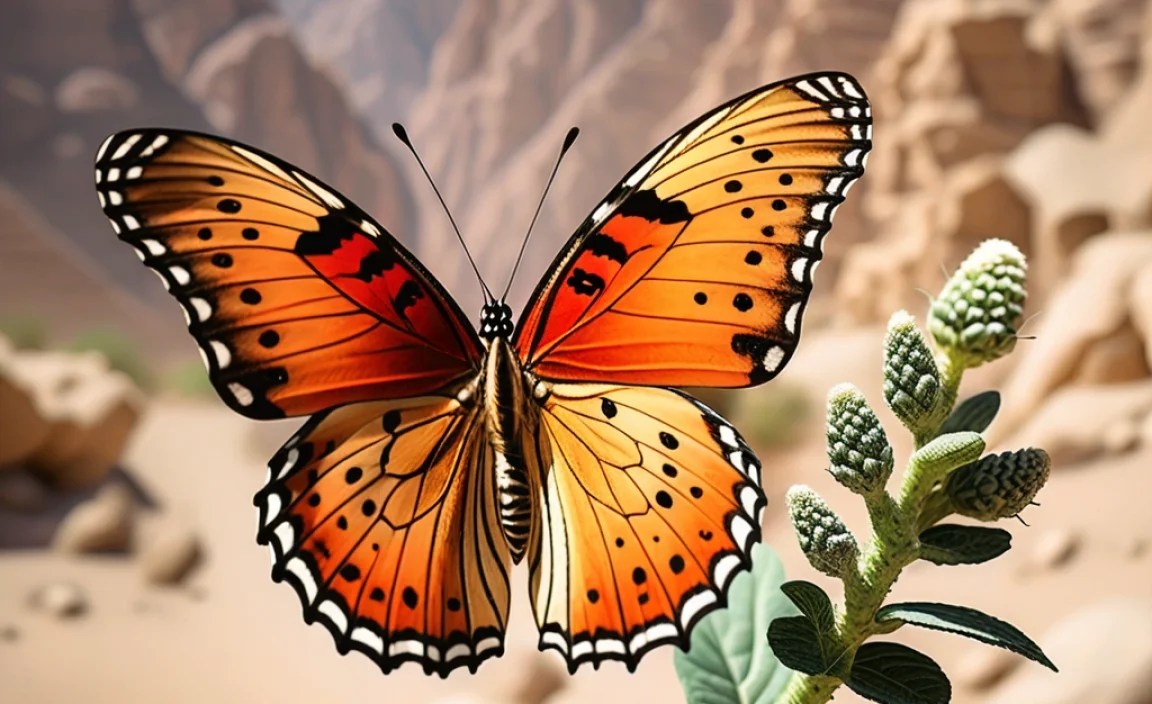
- Plain Tiger (Danaus chrysippus): A medium-sized butterfly with bright orange wings and black and white markings. It’s a common sight throughout Africa and Asia, including the Sinai. The Plain Tiger is known for its ability to mimic the poisonous Monarch butterfly, deterring predators.
- Grass Jewel (Chilades trochylus): One of the smallest butterflies in the world, the Grass Jewel is aptly named for its tiny size and iridescent blue scales. It frequents grassy areas and feeds on nectar from small flowers.
- Lesser Grass Blue (Zizina otis): Another small blue butterfly, the Lesser Grass Blue is slightly larger than the Grass Jewel and has a more widespread distribution. It’s often found in gardens and disturbed habitats.
- Desert White (Pontia glauconome): A medium-sized white butterfly with delicate black markings, well-adapted to the arid conditions of the Sinai. Its larvae feed on desert plants.
Butterfly Habitats in the Sinai: Where to Look
To find butterflies in the Sinai, you need to know where to look. Here are some key habitats to explore:
- Oases: The lush vegetation and water sources in oases attract a wide variety of butterflies. Look for butterflies feeding on nectar from flowering plants or resting in the shade.
- Wadis (Seasonal Rivers): Even when dry, wadis often support pockets of vegetation that can attract butterflies. After rainfall, these areas can become particularly rich in butterfly life.
- Mountain Slopes: The cooler temperatures and varied plant life on mountain slopes provide habitat for different butterfly species. Look for butterflies near flowering shrubs and trees.
- Gardens and Agricultural Areas: In settled areas, gardens and agricultural fields can provide a haven for butterflies, especially if they include butterfly-friendly plants.
Identifying Sinai Butterflies: A Step-by-Step Guide
Identifying butterflies can be a fun and rewarding challenge. Here’s a step-by-step guide to help you get started:
- Observe the Butterfly: Take note of its size, shape, and color patterns. Pay attention to any distinctive markings or features.
- Photograph the Butterfly: If possible, take a clear photograph of the butterfly from different angles. This will be helpful for later identification.
- Note the Habitat: Record the location where you saw the butterfly, including the type of habitat (e.g., oasis, wadi, garden). Also note the plants nearby.
- Use a Field Guide or Online Resource: Consult a field guide to butterflies of the Middle East or use online resources like Butterfly Conservation or iNaturalist to compare your observations with known species.
- Consider Similar Species: Be aware that some butterfly species can look very similar. Pay close attention to subtle differences in markings and wing shape.
- Consult an Expert: If you’re still unsure about the identification, consider sharing your photos and observations with a butterfly expert or posting them on an online forum for identification assistance.
Attracting Butterflies to Your Garden in the Sinai
Even in the arid environment of the Sinai, you can create a butterfly-friendly garden. Here are some tips:
- Plant Nectar-Rich Flowers: Choose flowers that provide a good source of nectar for adult butterflies. Some good choices include lantana, zinnia, cosmos, and butterfly bush (Buddleja davidii).
- Provide Host Plants for Caterpillars: Plant the specific host plants that butterfly larvae need to feed on. For example, plant acacia trees to attract the African Babul Blue or milkweed (Asclepias) to attract the Plain Tiger.
- Offer a Water Source: Butterflies need water to drink. Provide a shallow dish of water with pebbles or marbles for them to land on.
- Provide Shelter: Plant shrubs and trees to provide shelter from wind and sun.
- Avoid Pesticides: Pesticides can harm or kill butterflies and other beneficial insects. Use natural pest control methods instead.
Butterfly Conservation in the Sinai: Protecting These Delicate Creatures
Butterflies are important indicators of environmental health. Their presence or absence can tell us a lot about the condition of an ecosystem. Unfortunately, butterfly populations are declining in many parts of the world, including the Sinai. Here are some ways to help protect butterflies in the Sinai:
- Conserve Habitats: Protect and restore natural habitats like oases, wadis, and mountain slopes.
- Promote Sustainable Agriculture: Encourage farming practices that minimize pesticide use and conserve water.
- Raise Awareness: Educate others about the importance of butterflies and the threats they face.
- Support Conservation Organizations: Donate to or volunteer with organizations that are working to protect butterflies and their habitats.
- Create Butterfly-Friendly Gardens: Plant nectar-rich flowers and host plants in your garden to provide food and shelter for butterflies.
The Cultural Significance of Butterflies
Butterflies have long held cultural significance in many societies around the world. They are often seen as symbols of transformation, rebirth, and hope. In some cultures, butterflies are believed to carry the souls of the departed. Their beauty and grace have inspired artists, poets, and writers for centuries.
In the Sinai, butterflies may not have the same level of cultural significance as in some other regions, but their presence is still appreciated by local communities. They are a reminder of the beauty and resilience of nature, even in the harshest environments.
Butterfly Identification Table for the Sinai Region
| Species | Size | Color | Habitat | Host Plant |
|---|---|---|---|---|
| African Babul Blue (Azanus jesous) | Small | Pale Blue | Near Acacia Trees | Acacia Species |
| Plain Tiger (Danaus chrysippus) | Medium | Orange with Black and White Markings | Various Habitats | Milkweed (Asclepias) |
| Grass Jewel (Chilades trochylus) | Very Small | Iridescent Blue | Grassy Areas | Various Legumes |
| Lesser Grass Blue (Zizina otis) | Small | Blue | Gardens, Disturbed Habitats | Various Legumes |
| Desert White (Pontia glauconome) | Medium | White with Black Markings | Desert Areas | Desert Plants |
Tips for Butterfly Watching in the Sinai

To make the most of your butterfly-watching experience in the Sinai, keep these tips in mind:
- Go Early in the Morning: Butterflies are most active in the morning, when temperatures are cooler.
- Choose Sunny Days: Butterflies prefer sunny days, as they need sunlight to warm their bodies.
- Move Slowly and Quietly: Avoid startling the butterflies by moving slowly and quietly.
- Use Binoculars: Binoculars can help you get a closer look at butterflies without disturbing them.
- Wear Appropriate Clothing: Wear light-colored clothing and a hat to protect yourself from the sun.
- Bring Water and Snacks: Stay hydrated and energized by bringing plenty of water and snacks.
- Respect the Environment: Avoid disturbing plants or animals and leave no trace behind.
Threats to Butterflies in the Sinai

Several factors threaten butterfly populations in the Sinai:
- Habitat Loss: The destruction of natural habitats due to development, agriculture, and overgrazing is a major threat to butterflies.
- Pesticide Use: Pesticides can kill butterflies and other beneficial insects.
- Climate Change: Changes in temperature and rainfall patterns can disrupt butterfly life cycles and alter their habitats.
- Over-Collection: The illegal collection of butterflies for sale or personal collections can also threaten populations.
Butterfly Life Cycle
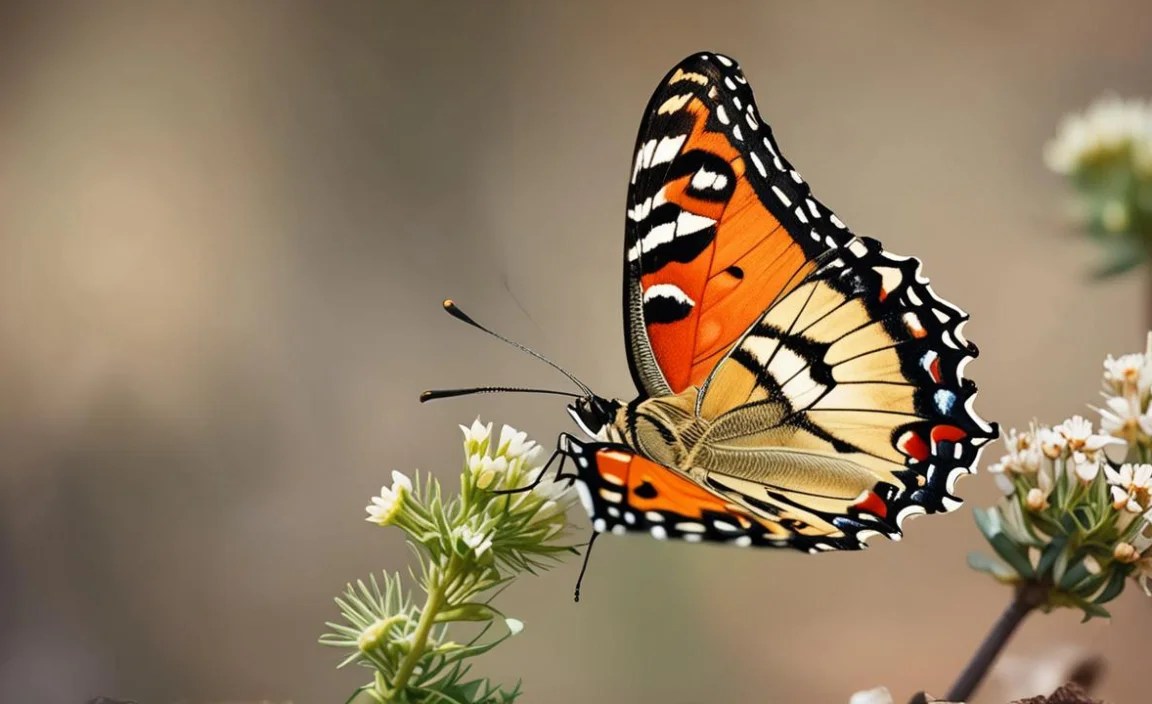
Understanding the butterfly life cycle can deepen your appreciation for these amazing creatures. Butterflies undergo complete metamorphosis, which means they have four distinct life stages:
- Egg: Butterflies lay their eggs on or near their host plant. The eggs can be various shapes and colors, depending on the species.
- Larva (Caterpillar): The larva hatches from the egg and spends its time eating and growing. Caterpillars molt several times as they grow, shedding their skin to reveal a new, larger skin.
- Pupa (Chrysalis): When the caterpillar is fully grown, it transforms into a pupa, also known as a chrysalis. The pupa is a protective shell in which the caterpillar undergoes metamorphosis.
- Adult Butterfly: After a period of time (which varies depending on the species), the adult butterfly emerges from the pupa. The butterfly’s wings are initially soft and crumpled, but they soon expand and harden. The adult butterfly then flies off to feed and reproduce.
Frequently Asked Questions
What is the best time of year to see butterflies in the Sinai?
The best time to see butterflies in the Sinai is during the spring (March-May) and autumn (September-November) months, when temperatures are milder and there is more rainfall.
Are there any endangered butterfly species in the Sinai?
While there aren’t any butterfly species in the Sinai currently listed as endangered, habitat loss and climate change pose a threat to many species. Conservation efforts are crucial to protect these delicate creatures.
What kind of plants attract butterflies to a garden in the Sinai?
Nectar-rich flowers like lantana, zinnia, cosmos, and butterfly bush (Buddleja davidii) are excellent for attracting adult butterflies. Also, plant host plants like acacia (for the African Babul Blue) and milkweed (for the Plain Tiger) to support butterfly larvae.
How can I tell the difference between a butterfly and a moth?
Butterflies typically have slender bodies, clubbed antennae, and hold their wings upright when at rest. Moths, on the other hand, have thicker, furry bodies, feathery antennae, and usually hold their wings flat when at rest.
What do butterflies eat?
Adult butterflies primarily feed on nectar from flowers, which provides them with energy. Some species may also feed on sap, fruit, or even mud puddles to obtain minerals.
Are butterflies important for the environment?
Yes, butterflies play a vital role in the environment as pollinators. They help to transfer pollen from one flower to another, which is essential for plant reproduction. They are also an important food source for birds and other animals.
How can I contribute to butterfly conservation in the Sinai?
You can contribute to butterfly conservation by supporting local conservation organizations, creating butterfly-friendly gardens, avoiding pesticide use, and educating others about the importance of butterflies and their habitats.
Conclusion
Exploring the butterflies of the Sinai region reveals a hidden world of beauty and resilience. From the vibrant Plain Tiger to the tiny Grass Jewel, these delicate creatures have adapted to the harsh desert environment and play a vital role in the ecosystem. By understanding their habitats, identifying key species, and taking steps to protect them, we can ensure that butterflies continue to thrive in the Sinai for generations to come. So, venture out, explore, and discover the enchanting world of butterflies in the Sinai—a true testament to nature’s ability to flourish in the most unexpected places. Remember that every small effort, from planting a butterfly garden to supporting conservation efforts, contributes to preserving these magnificent creatures and their fragile habitats.


