
Chocolate Pansy Butterfly: Spot this beauty!

The Chocolate Pansy butterfly (Junonia iphita) is a captivating insect known for its rich chocolate-brown wings adorned with distinctive pansy-like markings. Found across South and Southeast Asia, this butterfly is a common sight in gardens, forests, and open fields. Attracting them to your garden involves planting host plants like the Water Willow and providing nectar sources such as lantanas and pentas.
Have you ever been captivated by a butterfly, only to wonder what its name is? Identifying butterflies can sometimes feel like solving a puzzle. With so many species flitting around, it’s easy to get confused! One butterfly that often catches the eye is the Chocolate Pansy. Its unique markings and beautiful colors make it a favorite among nature lovers.
In this guide, we’ll explore everything about the Chocolate Pansy butterfly, from its appearance and habitat to its life cycle and how to attract it to your garden. We’ll break down each aspect step-by-step so you can easily identify and appreciate this stunning creature. Get ready to discover the fascinating world of the Chocolate Pansy!
Frequently Asked Questions About Chocolate Pansy Butterflies
Here are some frequently asked questions about Chocolate Pansy butterflies:
What does a Chocolate Pansy butterfly look like?
Chocolate Pansy butterflies have wings that are primarily a rich chocolate-brown color. They feature distinctive patterns resembling pansy flowers, with dark and light bands and eye-spots.
Where can I find Chocolate Pansy butterflies?
These butterflies are commonly found in South and Southeast Asia, including countries like India, Sri Lanka, Thailand, and Indonesia. They prefer habitats such as gardens, forests, and open fields.
What do Chocolate Pansy caterpillars eat?
Chocolate Pansy caterpillars primarily feed on the leaves of host plants like the Water Willow (Justicia adhatoda) and other plants in the Acanthaceae family.
How can I attract Chocolate Pansy butterflies to my garden?
To attract these butterflies, plant their host plants (like Water Willow) and provide nectar sources such as lantanas, pentas, and other flowering plants that butterflies love.
What is the lifespan of a Chocolate Pansy butterfly?
The lifespan of a Chocolate Pansy butterfly is typically a few weeks to a couple of months, depending on environmental conditions and the availability of resources.
Are Chocolate Pansy butterflies migratory?
Chocolate Pansy butterflies are not typically migratory, but they may move locally in response to changes in habitat or food availability.
Are Chocolate Pansy butterflies endangered?
Chocolate Pansy butterflies are not currently considered endangered. They are relatively common in their native range. However, habitat loss and pesticide use can pose threats to their populations.
Identifying the Chocolate Pansy Butterfly
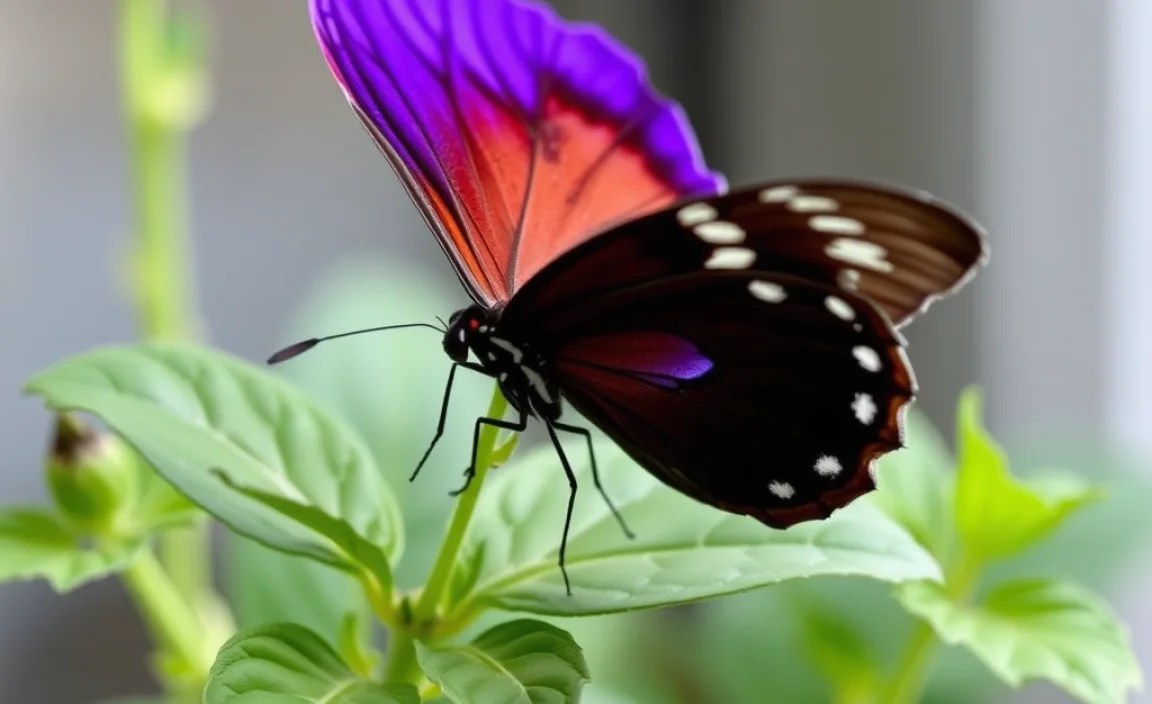
Identifying the Chocolate Pansy butterfly is easier than you might think. Here’s what to look for:
Appearance
The Chocolate Pansy butterfly (Junonia iphita) is a striking insect with distinct features.
- Wings: The wings are primarily a rich, chocolate-brown color, giving the butterfly its name.
- Markings: The wings are adorned with patterns that resemble pansy flowers. These markings include dark and light bands and eye-spots, which help to camouflage the butterfly and deter predators.
- Size: The Chocolate Pansy has a wingspan typically ranging from 5 to 6 centimeters (2 to 2.4 inches).
Distinguishing Features
Here are some key features that will help you differentiate the Chocolate Pansy from other butterflies:
- Eye-spots: Prominent eye-spots on both the forewings and hindwings.
- Bands: Clear dark and light bands across the wings, creating a unique pattern.
- Color: The consistent chocolate-brown color across the wings is a key identifier.
Similar Species
It’s important to distinguish the Chocolate Pansy from similar-looking butterflies.
- Grey Pansy (Junonia atlites): The Grey Pansy has similar patterns but is predominantly grey.
- Blue Pansy (Junonia orithya): The Blue Pansy has blue markings on its wings.
To help you compare, here’s a quick reference table:
| Feature | Chocolate Pansy (Junonia iphita) | Grey Pansy (Junonia atlites) | Blue Pansy (Junonia orithya) |
|---|---|---|---|
| Main Wing Color | Chocolate-Brown | Grey | Brown with Blue |
| Eye-spots | Present | Present | Present |
| Distinctive Markings | Pansy-like patterns with dark and light bands | Similar patterns but in shades of grey | Blue patches and patterns |
Habitat and Distribution
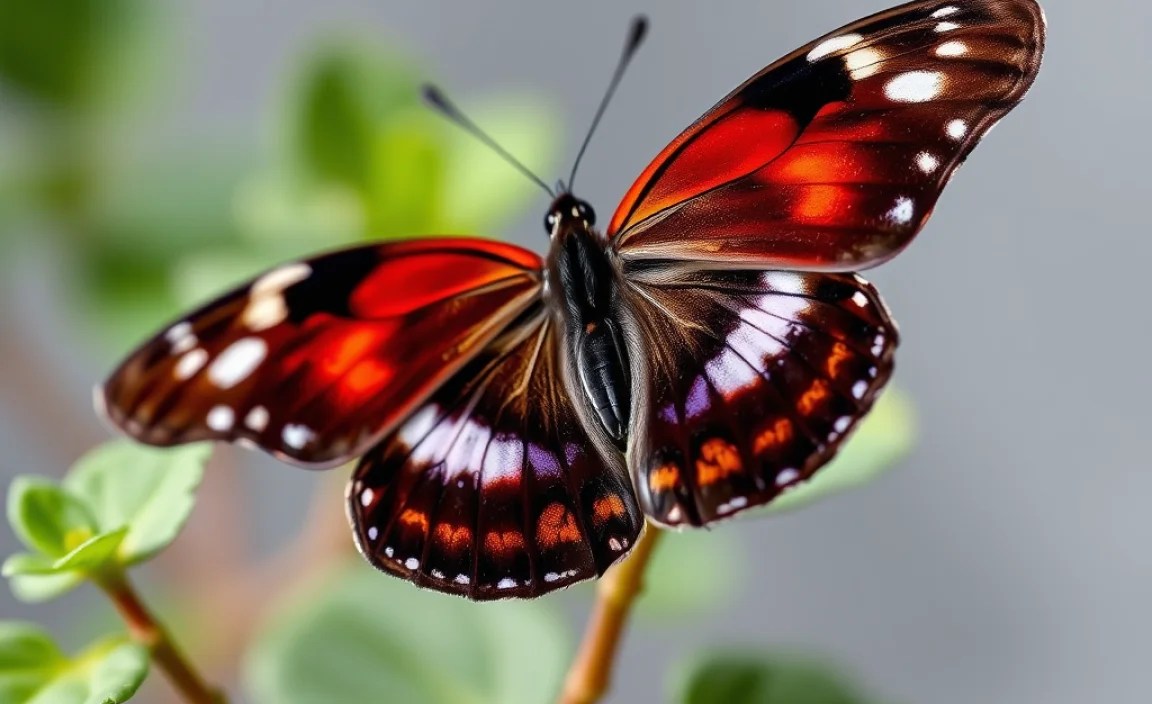
Understanding where the Chocolate Pansy butterfly lives can help you spot it in its natural environment. They are commonly found in:
- South Asia: India, Sri Lanka
- Southeast Asia: Thailand, Indonesia, Malaysia, Philippines
Preferred Habitats
The Chocolate Pansy thrives in specific types of environments. These include:
- Gardens: Often seen in well-maintained gardens with flowering plants.
- Forests: Inhabits the edges of forests and open woodland areas.
- Open Fields: Found in grassy fields and meadows with access to host plants and nectar sources.
They prefer areas with a mix of sunlight and shade, which provides ideal conditions for feeding and breeding.
Life Cycle of the Chocolate Pansy Butterfly

The life cycle of the Chocolate Pansy butterfly is a fascinating process, transforming from a tiny egg to a beautiful adult. Let’s explore each stage:
Egg Stage
The life cycle begins with the egg. Female butterflies lay their eggs on or near the host plants that the caterpillars will feed on. The eggs are typically:
- Small: Usually less than 1mm in diameter.
- Shape: Often round or slightly oval.
- Color: Pale green or yellowish.
Larva (Caterpillar) Stage
Once the egg hatches, the larva, or caterpillar, emerges. This stage is all about eating and growing.
- Appearance: The caterpillar has a cylindrical body with distinctive markings.
- Feeding: It feeds voraciously on the leaves of host plants, growing rapidly.
- Molting: As it grows, the caterpillar sheds its skin (molts) several times.
Pupa (Chrysalis) Stage
After several molts, the caterpillar enters the pupa stage, forming a chrysalis.
- Formation: The caterpillar finds a safe spot and transforms into a pupa.
- Appearance: The chrysalis is typically green or brown, blending in with its surroundings.
- Transformation: Inside the chrysalis, the caterpillar undergoes a remarkable transformation into a butterfly.
Adult Butterfly Stage
Finally, the adult butterfly emerges from the chrysalis.
- Emergence: The butterfly breaks free from the pupal case.
- Wings: Its wings are initially crumpled but soon expand and dry.
- Reproduction: The adult butterfly focuses on reproduction, laying eggs to start the cycle anew.
The entire life cycle, from egg to adult, typically takes about 4 to 6 weeks, depending on environmental conditions like temperature and humidity.
Host Plants and Nectar Sources
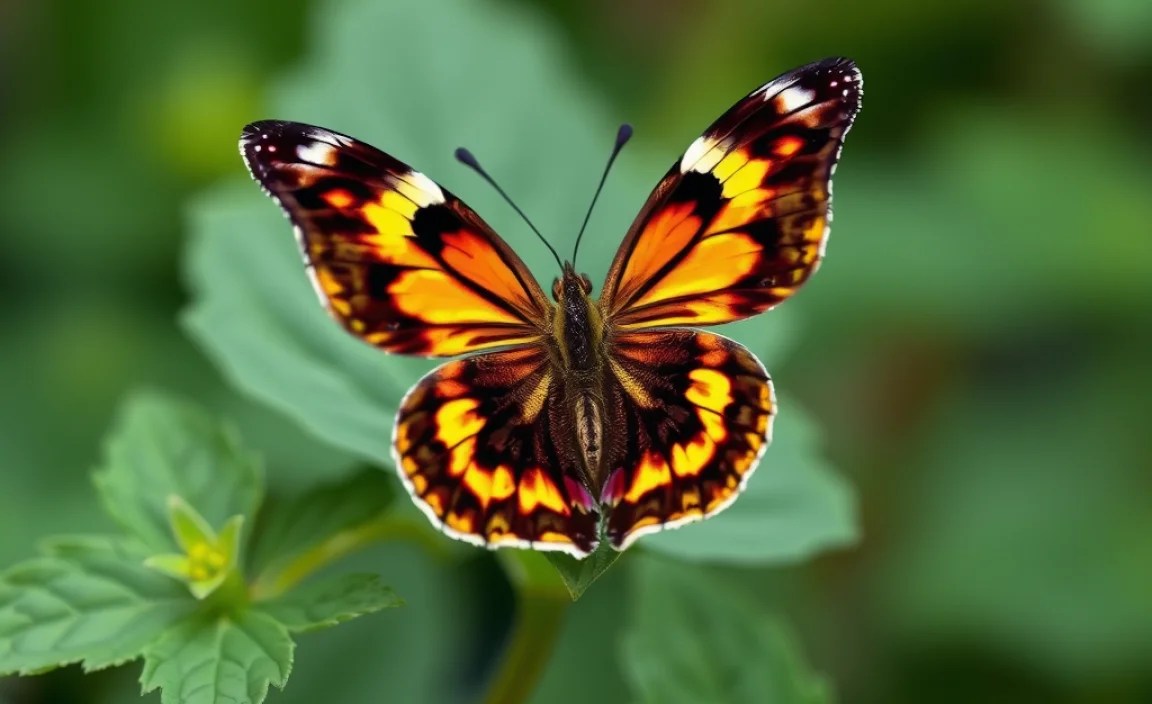
To attract and support Chocolate Pansy butterflies, it’s crucial to know their host plants and nectar sources. These plants provide food for the caterpillars and energy for the adult butterflies.
Host Plants
Host plants are essential because they provide food for the caterpillars. The primary host plants for the Chocolate Pansy butterfly include:
- Water Willow (Justicia adhatoda): This is a favorite among Chocolate Pansy caterpillars.
- Other Acanthaceae Family Plants: Many plants in the Acanthaceae family also serve as host plants.
Planting these host plants in your garden will encourage the butterflies to lay their eggs, ensuring a continuous cycle of these beautiful creatures.
Nectar Sources
Adult butterflies feed on nectar from flowers to gain energy. Some excellent nectar sources for Chocolate Pansy butterflies include:
- Lantanas: These colorful flowers are a butterfly magnet.
- Pentas: Another favorite, providing plenty of nectar.
- Other Flowering Plants: Include a variety of native flowering plants to provide a diverse food source.
A mix of host plants and nectar sources will create a butterfly-friendly habitat in your garden.
Attracting Chocolate Pansy Butterflies to Your Garden

Creating a butterfly garden is a rewarding experience. Here’s how to attract Chocolate Pansy butterflies to your garden:
Plant Host Plants
As we’ve discussed, host plants are essential for the caterpillars. Be sure to include Water Willow and other Acanthaceae family plants.
Provide Nectar Sources
Plant a variety of flowering plants that provide nectar for the adult butterflies. Lantanas and pentas are excellent choices.
Create a Butterfly-Friendly Environment
Consider these factors to make your garden more appealing:
- Sunlight: Butterflies need sunlight to warm their bodies.
- Shelter: Provide shelter from wind and rain with shrubs and trees.
- Water Source: A shallow dish of water with pebbles can provide a drinking spot for butterflies.
- Avoid Pesticides: Pesticides can harm or kill butterflies and caterpillars.
Tips for Success
Follow these tips to maximize your chances of attracting Chocolate Pansy butterflies:
- Plant in Clusters: Planting host and nectar plants in clusters makes it easier for butterflies to find them.
- Choose Native Plants: Native plants are often more attractive to local butterfly species.
- Provide a Mud Puddle: Butterflies often gather at mud puddles to obtain minerals.
Conservation Status and Threats
While the Chocolate Pansy butterfly is not currently endangered, it’s important to understand the threats it faces and how we can help protect it.
Current Status
The Chocolate Pansy butterfly is relatively common in its native range. However, like many butterfly species, it faces several threats.
Threats
The main threats to Chocolate Pansy butterflies include:
- Habitat Loss: Deforestation and urbanization reduce the availability of suitable habitats.
- Pesticide Use: Pesticides can kill butterflies and caterpillars directly or indirectly by contaminating their food sources.
- Climate Change: Changes in temperature and rainfall patterns can disrupt butterfly life cycles and habitats.
Conservation Efforts
Here are some ways to help protect Chocolate Pansy butterflies and other butterfly species:
- Create Butterfly Gardens: Planting host plants and nectar sources in your garden can provide habitat for butterflies.
- Reduce Pesticide Use: Avoid using pesticides in your garden and encourage others to do the same.
- Support Conservation Organizations: Donate to or volunteer with organizations that work to protect butterfly habitats.
- Educate Others: Share your knowledge about butterflies with friends, family, and community members.
By taking these steps, we can help ensure that Chocolate Pansy butterflies continue to thrive for generations to come. You can also get involved with citizen science projects that monitor butterfly populations, such as those supported by organizations like the Xerces Society. These initiatives help track butterfly numbers and identify areas where conservation efforts are most needed.
Cultural Significance and Symbolism
Butterflies have long held cultural significance and symbolism in various societies around the world. While the Chocolate Pansy butterfly may not have specific cultural references tied directly to it, butterflies in general are often associated with profound meanings.
Symbolism of Butterflies
Butterflies are often seen as symbols of:
- Transformation: The metamorphosis from caterpillar to butterfly represents personal growth and change.
- Hope: Their delicate beauty and ability to fly symbolize hope and new beginnings.
- Freedom: Butterflies are free-spirited creatures, representing freedom and independence.
- Soul: In some cultures, butterflies are believed to represent the human soul.
Butterflies in Art and Literature
Butterflies have inspired artists and writers for centuries. They appear in paintings, poems, and stories as symbols of beauty, transformation, and the fleeting nature of life. For example, in many cultures, butterflies are depicted in artwork to represent the beauty of nature and the cycle of life.
Spiritual Interpretations
Spiritually, butterflies are often seen as messengers from the spirit world. Some believe that seeing a butterfly is a sign that a loved one who has passed away is nearby, offering comfort and guidance.
By understanding the cultural significance and symbolism of butterflies, we can appreciate them on a deeper level and recognize the profound impact they have on our lives.
Photographing Chocolate Pansy Butterflies
Capturing the beauty of Chocolate Pansy butterflies through photography can be a rewarding experience. Here are some tips to help you take stunning photos of these delicate creatures:
Equipment
Having the right equipment can make a big difference in your butterfly photography.
- Camera: A DSLR or mirrorless camera with a macro lens is ideal for capturing detailed shots.
- Lens: A macro lens (e.g., 100mm) allows you to focus closely on the butterfly.
- Tripod: A tripod can help stabilize your camera for sharp images, especially in low light.
- Flash: An external flash can provide extra light, but use it sparingly to avoid disturbing the butterfly.
Techniques
Here are some techniques to help you capture the best shots:
- Focus: Use manual focus to ensure the butterfly is sharp.
- Aperture: Use a wide aperture (e.g., f/2.8 or f/4) to create a shallow depth of field and isolate the butterfly.
- Shutter Speed: Use a fast shutter speed (e.g., 1/200 second or faster) to freeze the butterfly’s movement.
- Composition: Use the rule of thirds to create visually appealing compositions.
Tips for Success
Follow these tips to improve your butterfly photography:
- Patience: Butterflies can be unpredictable, so be patient and wait for the right moment.
- Approach Slowly: Approach the butterfly slowly and avoid sudden movements that could scare it away.
- Shoot in Natural Light: Natural light is best for capturing the butterfly’s true colors.
- Capture Behavior: Try to capture interesting behaviors, such as feeding on nectar or resting on a flower.
By following these tips, you can capture stunning photos of Chocolate Pansy butterflies and share their beauty with the world.
Conclusion
The Chocolate Pansy butterfly is a delightful creature that adds beauty and charm to any garden or natural landscape. With its distinctive chocolate-brown wings and pansy-like markings, it’s a joy to observe and identify. By understanding its life cycle, habitat, and food sources, you can create a welcoming environment for these butterflies in your own backyard.
Remember, planting host plants like Water Willow and providing nectar sources such as lantanas and pentas are key to attracting them. Beyond their aesthetic appeal, butterflies play an important role in our ecosystem as pollinators, contributing to the health and diversity of plant life. By taking simple steps to protect and support butterfly populations, we can help ensure that these beautiful creatures continue to thrive for generations to come. So, get out there, explore nature, and appreciate the enchanting world of the Chocolate Pansy butterfly!


