
Butterfly Mimicry Examples: See Nature’s Clever Copycats!

Butterfly mimicry is when one butterfly species evolves to resemble another. This helps them avoid predators. Some butterflies mimic toxic species to appear dangerous, while others mimic harmless species to blend in. It’s a fascinating survival strategy!
Have you ever seen a butterfly and wondered if it was trying to trick you? Well, you might be right! Butterflies are masters of disguise, and one of their cleverest tricks is mimicry. It’s like they’re wearing costumes to fool predators into thinking they’re something they’re not. This amazing adaptation helps them survive in a world full of hungry birds and other dangers.
In this article, we’ll explore the fascinating world of butterfly mimicry. We’ll look at real-life examples, explain why it works, and uncover the secrets behind these incredible transformations. Get ready to be amazed by the clever ways butterflies protect themselves!
Frequently Asked Questions About Butterfly Mimicry
Here are some common questions about butterfly mimicry:
What is butterfly mimicry?
Butterfly mimicry is when a butterfly evolves to resemble another species, often to gain protection from predators.
Why do butterflies use mimicry?
Butterflies use mimicry to trick predators. By looking like a toxic or unpalatable species, they can avoid being eaten.
What are the two main types of mimicry?
The two main types of mimicry are Batesian mimicry (where a harmless species mimics a harmful one) and Müllerian mimicry (where multiple harmful species mimic each other).
How does mimicry help butterflies survive?
Mimicry increases a butterfly’s chances of survival by making it look dangerous or unappealing to predators.
Are all butterflies mimics?
No, not all butterflies are mimics. Mimicry is a specific adaptation found in certain species.
Can mimicry change over time?
Yes, mimicry can evolve over time as predator behavior and the prevalence of different species change.
Where can I see examples of butterfly mimicry?
Many butterfly houses and natural history museums display examples of butterfly mimicry. You can also find information and photos online.
Understanding Butterfly Mimicry
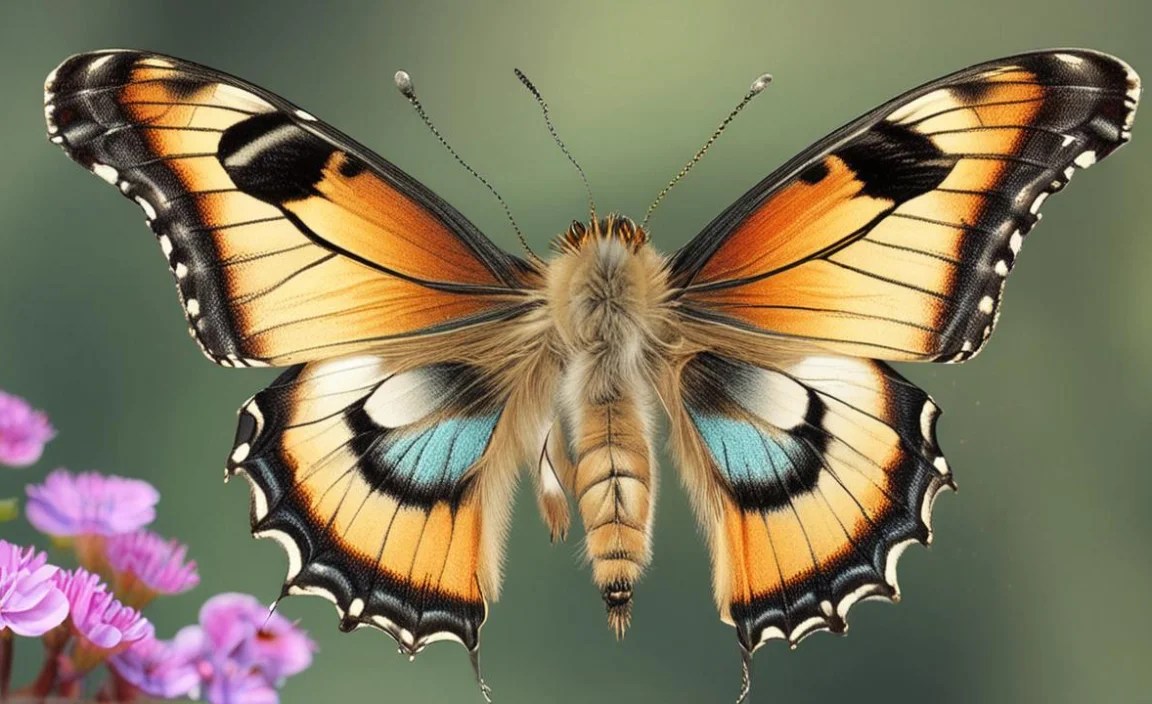
Mimicry in butterflies is a captivating example of evolution in action. It’s a survival strategy where one species evolves to resemble another, gaining an advantage in the process. This can involve changes in color, pattern, shape, and even behavior.
Types of Mimicry
There are two primary types of mimicry seen in butterflies:
- Batesian Mimicry: This is when a harmless species mimics a harmful one. The mimic benefits because predators avoid it, mistaking it for the dangerous species.
- Müllerian Mimicry: This occurs when two or more harmful species mimic each other. This benefits all species involved because predators learn to avoid the shared warning signal more quickly.
Why Mimicry Works
Mimicry works because predators learn to associate certain appearances with negative experiences, such as a bad taste or a painful sting. When a harmless butterfly mimics a harmful one, it takes advantage of this learned behavior.
The effectiveness of mimicry depends on several factors, including:
- The abundance of the model (the harmful species)
- The accuracy of the mimicry
- The behavior of the mimic
Examples of Butterfly Mimicry

Let’s dive into some fascinating examples of butterfly mimicry around the world.
1. Monarch and Viceroy Butterflies
The Monarch and Viceroy butterflies are a classic example of mimicry. For a long time, it was believed that the Viceroy (Limenitis archippus) was a Batesian mimic of the Monarch (Danaus plexippus). Monarchs are toxic to many predators because they feed on milkweed as caterpillars. The Viceroy, initially thought to be palatable, gained protection by resembling the Monarch.
However, recent research suggests that the Viceroy is also unpalatable, making this a case of Müllerian mimicry. Both species benefit from looking alike, as predators learn to avoid them more quickly.
| Feature | Monarch Butterfly | Viceroy Butterfly |
|---|---|---|
| Scientific Name | Danaus plexippus | Limenitis archippus |
| Toxicity | Toxic (due to milkweed diet) | Unpalatable (also somewhat toxic) |
| Appearance | Bright orange with black veins and borders | Similar to Monarch, but with a black line across the hindwing |
| Mimicry Type | Model (Müllerian mimicry) | Mimic (Müllerian mimicry) |
2. Swallowtail Butterflies
Swallowtail butterflies (family Papilionidae) are renowned for their diverse mimicry strategies, especially in tropical regions. Several species mimic toxic milkweed butterflies or other unpalatable swallowtails.
Papilio dardanus (African Swallowtail)
The African Swallowtail is famous for its extreme polymorphism and mimicry. Females of this species have multiple forms, each mimicking a different species of distasteful butterfly in the genera Danaus and Amauris. Males, however, do not exhibit mimicry and retain the typical swallowtail appearance.
This is a remarkable example of sex-limited mimicry, where only one sex (in this case, females) displays mimicry. The different female forms allow them to blend in with various toxic butterfly populations, increasing their survival rates.
Papilio memnon (Great Mormon)
The Great Mormon butterfly, found in Asia, also exhibits female-limited mimicry. Females mimic unpalatable butterflies in the genus Pachliopta (formerly Atrophaneura). The males retain their original appearance, while the females have evolved different forms to resemble various toxic models.
The accuracy of the mimicry varies depending on the geographic location, with some female forms being nearly perfect mimics of their models.
3. Heliconius Butterflies
Heliconius butterflies are a Neotropical group known for their long lifespans and complex mimicry relationships. They are a prime example of Müllerian mimicry, where multiple unpalatable species mimic each other.
Heliconius erato and Heliconius melpomene
Heliconius erato and Heliconius melpomene are two closely related species that exhibit remarkable mimicry. Both are toxic and share similar wing patterns across different geographic regions. This shared appearance reinforces the warning signal to predators, benefiting both species.
The wing patterns of these butterflies vary geographically, with different races mimicking different local species. This geographic variation demonstrates the adaptive nature of mimicry and its role in local adaptation.
4. Clearwing Moths (Not Butterflies!)
While not butterflies, clearwing moths (family Sesiidae) are worth mentioning because they often mimic wasps and bees. This is a form of Batesian mimicry, where the harmless moths gain protection by resembling stinging insects.
Clearwing moths have transparent wings, yellow and black bands, and even behave like wasps, further enhancing the mimicry. Predators that have learned to avoid wasps are also likely to avoid these moths.
The Evolutionary Significance of Mimicry

Butterfly mimicry is a powerful example of natural selection and adaptation. It demonstrates how species can evolve to exploit the vulnerabilities of predators and improve their chances of survival.
Genetic Basis of Mimicry
The genetic basis of mimicry is complex and involves multiple genes that control wing pattern, color, and shape. Scientists have identified specific genes that play a crucial role in mimicry, such as the cortex gene in Heliconius butterflies, which controls wing pattern variation. Recent studies have shown that supergenes, clusters of tightly linked genes, play a role in the inheritance of complex mimetic traits. Source: Nature.
Evolutionary Arms Race
Mimicry is often described as an evolutionary arms race between predators and prey. As predators learn to recognize and avoid certain warning signals, mimics evolve to become more accurate in their resemblance. This constant selection pressure drives the evolution of both the mimics and the predators.
Speciation and Mimicry
Mimicry can also play a role in speciation, the process by which new species arise. When populations of a species evolve different mimetic forms in different geographic regions, they may become reproductively isolated, eventually leading to the formation of new species.
How to Observe Butterfly Mimicry

Observing butterfly mimicry in the wild can be a rewarding experience. Here are some tips to help you spot mimics and models:
- Learn the Local Butterfly Fauna: Familiarize yourself with the common butterfly species in your area, including those that are known to be toxic or unpalatable.
- Look for Similarities: Pay attention to butterflies that resemble each other in color, pattern, and shape.
- Observe Behavior: Notice how butterflies behave. Do they fly confidently, as if they are not afraid of predators? This can be a sign of mimicry.
- Consult Field Guides: Use field guides to help you identify butterflies and learn about their mimicry relationships.
- Visit Butterfly Houses: Butterfly houses often display examples of mimicry and provide educational information.
The Importance of Conservation

Butterfly mimicry is a delicate balance that depends on the presence of both the mimics and the models. Habitat loss, pesticide use, and climate change can all disrupt these relationships and threaten the survival of these fascinating creatures.
Protecting Butterfly Habitats
Protecting and restoring butterfly habitats is essential for conserving mimicry complexes. This includes preserving natural areas, planting native vegetation, and reducing pesticide use.
Supporting Sustainable Practices
Supporting sustainable agricultural practices and reducing our carbon footprint can help mitigate the impacts of climate change on butterfly populations.
Raising Awareness
Educating others about the importance of butterfly mimicry and the threats they face can help inspire action and promote conservation.
Detailed Examples of Butterfly Mimicry
Here are some more in-depth examples of butterfly mimicry to further illustrate this fascinating phenomenon:
The Pseudacraea boisduvalii (Boisduval’s False Acraea)
This African butterfly is a remarkable mimic of several distasteful species in the genus Bematistes (Acraeinae). The Boisduval’s False Acraea exhibits different forms that mimic different Bematistes species, demonstrating a high degree of adaptive flexibility.
- Model: Various Bematistes species
- Mimicry Type: Batesian
- Geographic Location: Africa
- Key Features: Different female forms mimic different models, males do not mimic.
The Hypolimnas bolina (Blue Diadem)
The Blue Diadem is another fascinating example of female-limited mimicry. In this species, the females mimic toxic butterflies in the genus Euploea, while the males retain their distinct appearance.
- Model: Euploea core and other Euploea species
- Mimicry Type: Batesian
- Geographic Location: Asia, Australia
- Key Features: Female polymorphism, males are non-mimetic.
The Limenitis arthemis (White Admiral)
The White Admiral exhibits different forms depending on its geographic location. In some areas, it mimics the toxic Pipevine Swallowtail (Battus philenor), while in others, it does not exhibit mimicry.
- Model: Battus philenor (Pipevine Swallowtail)
- Mimicry Type: Batesian
- Geographic Location: North America
- Key Features: Geographic variation in mimicry, some forms are non-mimetic.
The Future of Butterfly Mimicry
As our planet continues to change, the future of butterfly mimicry is uncertain. Climate change, habitat loss, and other environmental factors could disrupt the delicate balance of mimicry complexes and threaten the survival of these remarkable creatures.
However, by understanding the importance of butterfly mimicry and taking action to protect their habitats, we can help ensure that these fascinating examples of evolution continue to thrive for generations to come. Conservation efforts are essential to maintain the biodiversity and ecological integrity of our planet.
Conclusion
Butterfly mimicry is a captivating testament to the power of evolution and adaptation. From the classic example of the Monarch and Viceroy to the complex mimicry complexes of swallowtails and Heliconius butterflies, these incredible creatures have evolved to deceive predators and increase their chances of survival. By understanding the different types of mimicry, observing them in the wild, and supporting conservation efforts, we can help protect these fascinating examples of nature’s ingenuity. So, the next time you see a butterfly, take a closer look – it might just be wearing a disguise!


