
Butterfly Facts for Children: 10 Amazing Secrets

Did you know that butterflies taste with their feet and have skeletons on the outside of their bodies? Butterflies are amazing insects! They start as tiny eggs and transform into beautiful, winged creatures. Learning about butterflies is not only fun but also helps us appreciate nature. This guide will take you through fascinating butterfly facts in a simple way.
Have you ever wondered how butterflies get their vibrant colors, or what they eat? Maybe you’re curious about their incredible journey from a caterpillar to a butterfly? Understanding these amazing insects can be exciting, but sometimes the information is complicated. Don’t worry! This guide is designed just for you. We’ll explore the world of butterflies together, step-by-step, making it easy and fun to learn. Get ready to discover the magic of butterflies!
Amazing Butterfly Facts for Kids

Butterflies are more than just pretty insects fluttering around in gardens. They have unique features and behaviors that make them truly fascinating. Let’s explore some fun and interesting facts about butterflies!
1. Butterfly Anatomy: What Makes a Butterfly a Butterfly?
Butterflies have a body structure that is unique to insects. Here’s a breakdown of their key parts:
- Three Body Sections: Like all insects, butterflies have three main body parts: the head, thorax, and abdomen.
- Head: The head contains the butterfly’s eyes, antennae, and mouthparts. Butterflies have compound eyes, which means they see the world through many tiny lenses.
- Thorax: This is the middle section where the wings and legs are attached. Butterflies have six legs.
- Abdomen: The abdomen contains the butterfly’s digestive system and reproductive organs.
- Wings: Butterfly wings are covered in tiny scales, which give them their color and patterns. These scales are so small they can come off like dust if you touch a butterfly’s wings.
2. The Butterfly Life Cycle: From Egg to Butterfly
Butterflies go through a process called metamorphosis, which means they change form completely during their lives. This process has four stages:
- Egg: The butterfly life cycle starts with an egg, often laid on a leaf or stem.
- Larva (Caterpillar): When the egg hatches, a caterpillar emerges. The caterpillar eats and grows, shedding its skin several times.
- Pupa (Chrysalis): After growing, the caterpillar forms a pupa, also known as a chrysalis. Inside the chrysalis, the caterpillar transforms into a butterfly.
- Adult Butterfly: Finally, the butterfly emerges from the chrysalis. It unfolds its wings, dries them, and flies off to start the cycle again.
3. What Do Butterflies Eat? Nectar and More
Butterflies are famous for drinking nectar from flowers, but that’s not all they eat. Here’s what you need to know:
- Nectar: Butterflies use a long, straw-like tongue called a proboscis to drink nectar from flowers.
- Other Liquids: Butterflies also drink tree sap, rotting fruit, and even mud puddles for extra nutrients and minerals.
- Taste with Feet: Butterflies have taste receptors on their feet, so they can taste a plant just by landing on it!
4. Butterfly Habitats: Where Do Butterflies Live?
Butterflies live in many different places around the world. Here are some common habitats:
- Gardens: Many butterflies live in gardens where there are lots of flowers for them to feed on.
- Meadows: Meadows provide a natural habitat with a variety of wildflowers and plants.
- Forests: Some butterflies live in forests, where they can find shelter and food.
- Tropical Rainforests: These are home to some of the most colorful and diverse butterfly species.
5. Butterfly Migration: Incredible Journeys
Some butterflies, like the Monarch butterfly, are famous for their long migrations. Here are some facts about butterfly migration:
- Monarch Migration: Monarch butterflies migrate thousands of miles from Canada and the United States to Mexico and California.
- Why Migrate?: Butterflies migrate to find warmer weather and food sources.
- Generational Migration: The Monarch migration is completed over several generations. The butterflies that reach the destination are not the same ones that started the journey.
6. Butterfly Colors and Patterns: Camouflage and Warning
Butterfly wings are covered in colorful patterns, which serve different purposes:
- Camouflage: Some butterflies have colors and patterns that help them blend in with their surroundings, protecting them from predators.
- Warning Colors: Bright colors can warn predators that a butterfly is poisonous or tastes bad.
- Attracting Mates: Butterflies also use their colors to attract mates.
7. Butterfly Conservation: Protecting Butterflies
Butterflies are important for the environment, and it’s important to protect them. Here are some ways to help:
- Plant Butterfly Gardens: Plant flowers that provide nectar for butterflies and host plants for caterpillars.
- Avoid Pesticides: Pesticides can harm butterflies and other insects.
- Support Conservation Organizations: Many organizations work to protect butterfly habitats.
More Fun Butterfly Facts
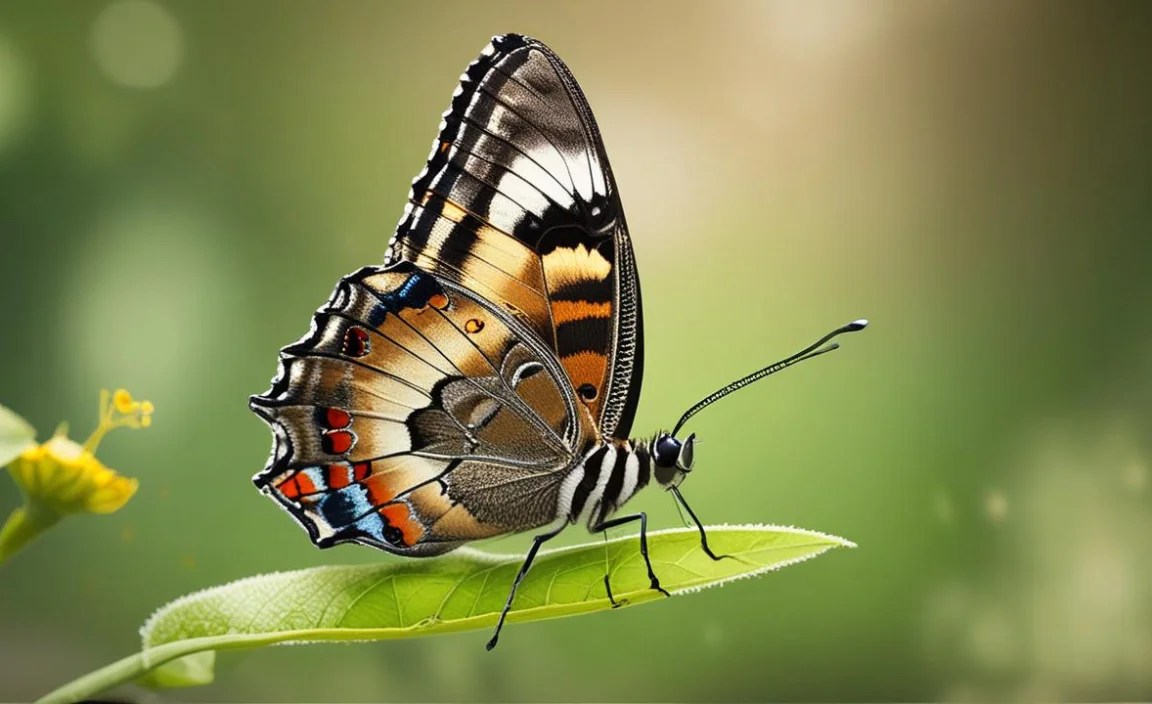
Here are some additional interesting facts about butterflies that are sure to impress:
1. Butterflies and Pollination
Butterflies are important pollinators. As they feed on nectar, they carry pollen from one flower to another, helping plants to reproduce.
2. Butterfly Senses
Butterflies have amazing senses. They can see ultraviolet light, which helps them find nectar, and they use their antennae to smell.
3. Butterfly Lifespan
The lifespan of a butterfly varies depending on the species. Some butterflies live only a few weeks, while others can live for several months.
4. Butterfly Wing Structure
Butterfly wings are made of thin layers of chitin, the same material that makes up the exoskeletons of insects. The colorful scales on their wings are arranged like shingles on a roof.
5. Butterfly Flight
Butterflies fly by flapping their wings, but they don’t have a lot of power. They rely on air currents and thermals to help them travel long distances.
Butterfly Identification Basics
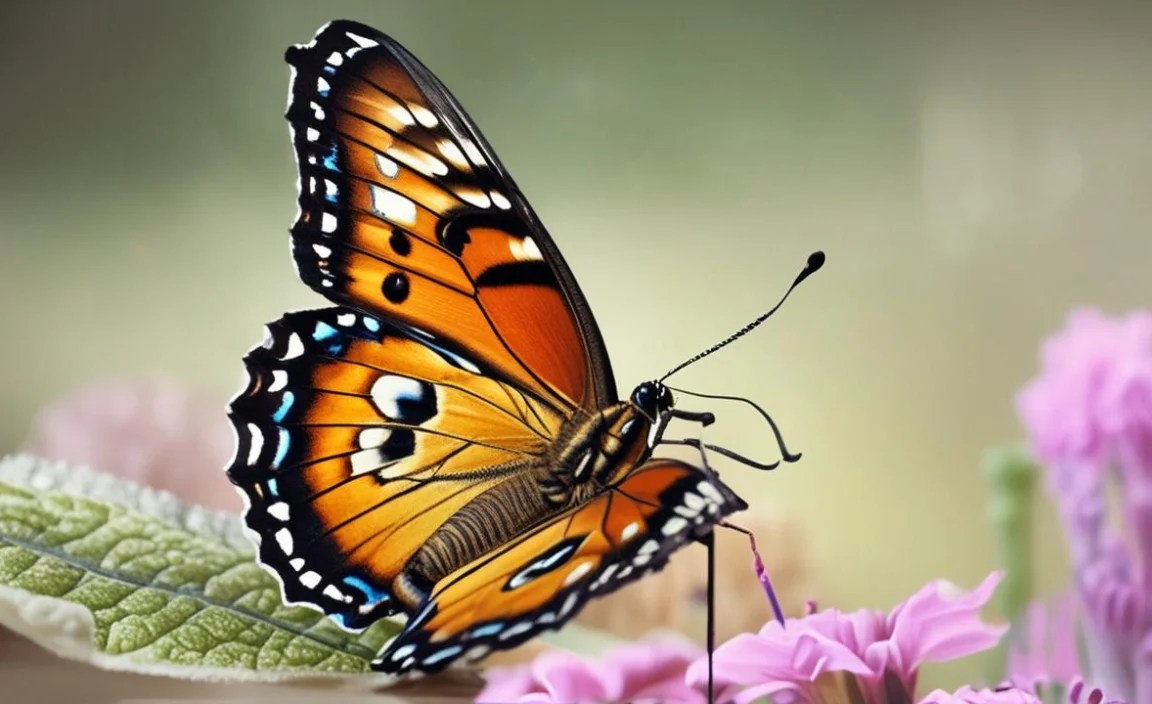
Identifying butterflies can be a fun and rewarding hobby. Here are some tips to get you started:
1. Observe Size and Shape
Pay attention to the size and shape of the butterfly. Some butterflies are small and delicate, while others are large and robust.
2. Note Wing Patterns
Look closely at the patterns on the wings. Are there stripes, spots, or bands? What colors are present?
3. Consider Location
Where did you see the butterfly? Different species are found in different habitats and regions.
4. Use a Field Guide
A field guide can help you identify butterflies by comparing your observations to pictures and descriptions.
5. Take Photos
Taking photos of butterflies can help you identify them later. Be sure to capture clear images of the wings and body.
Butterfly Species Spotlight
Let’s take a closer look at some popular and interesting butterfly species:
1. Monarch Butterfly (Danaus plexippus)
The Monarch is famous for its long migration. It has bright orange wings with black veins and white spots. Monarch caterpillars feed exclusively on milkweed plants.
2. Swallowtail Butterfly (Papilio spp.)
Swallowtail butterflies are large and colorful, with distinctive tails on their hindwings. They come in many different colors and patterns, depending on the species.
3. Painted Lady Butterfly (Vanessa cardui)
Painted Lady butterflies are found all over the world. They have orange and brown wings with black and white markings. Painted Ladies are known for their migratory behavior.
4. Blue Morpho Butterfly (Morpho spp.)
Blue Morpho butterflies are famous for their iridescent blue wings. They live in tropical rainforests and are among the largest butterflies in the world.
5. Cabbage White Butterfly (Pieris rapae)
Cabbage White butterflies are common in gardens and fields. They have white wings with black spots. Their caterpillars feed on cabbage and other cruciferous plants.
Butterfly-Friendly Gardening Tips
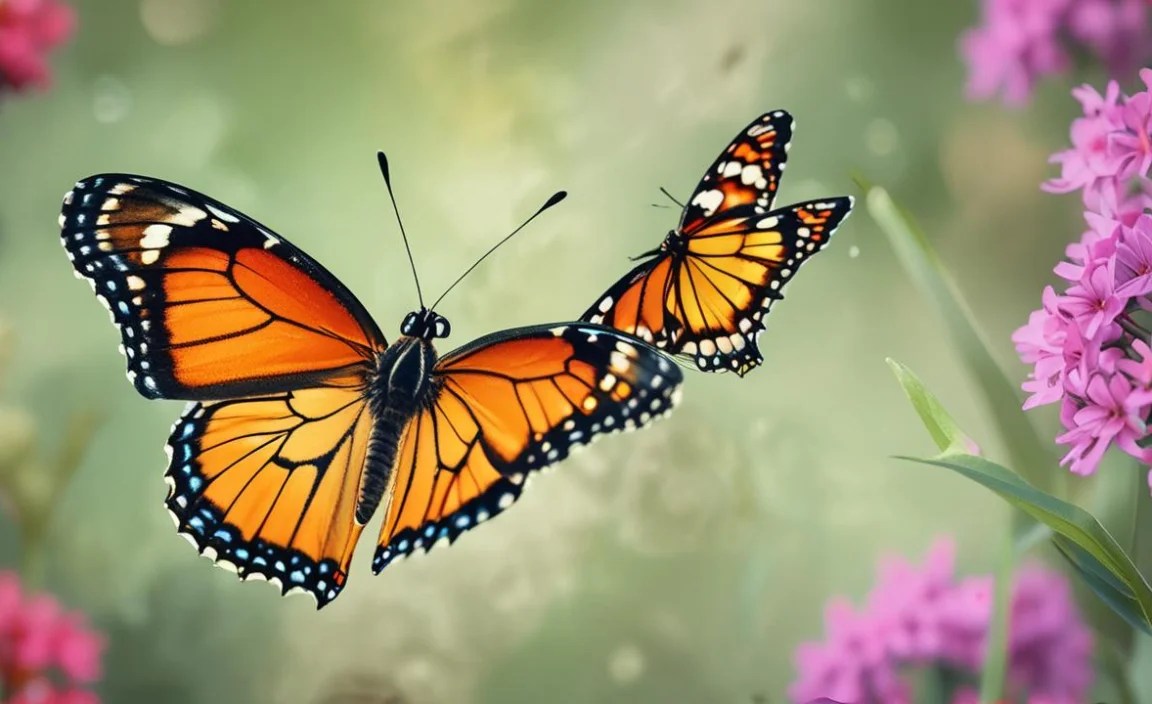
Creating a butterfly-friendly garden is a great way to help these amazing insects. Here are some tips to get you started:
1. Plant Nectar Flowers
Choose flowers that provide nectar for butterflies. Some good options include butterfly bush, zinnias, and coneflowers. The U.S. Forest Service has more information.
2. Include Host Plants
Plant host plants for caterpillars. Milkweed is essential for Monarch butterflies, while parsley and dill are good choices for Swallowtails.
3. Provide Water
Butterflies need water, so provide a shallow dish of water with pebbles for them to land on.
4. Offer Shelter
Plant shrubs and trees to provide shelter from wind and rain.
5. Avoid Pesticides
Pesticides can harm butterflies and other insects, so avoid using them in your garden.
Butterfly Activities for Kids
Here are some fun and educational activities to help kids learn more about butterflies:
1. Butterfly Watching
Go outside and look for butterflies. Bring a field guide to help you identify them. Record your observations in a notebook.
2. Butterfly Garden Project
Create a butterfly garden in your backyard or at school. Plant nectar flowers and host plants, and watch as butterflies visit your garden.
3. Butterfly Art
Make butterfly art using paints, crayons, or construction paper. Create your own butterfly designs or copy the patterns of real butterflies.
4. Butterfly Books
Read books about butterflies. Learn about their life cycle, behavior, and conservation.
5. Visit a Butterfly House
Visit a butterfly house or conservatory. Get up close and personal with butterflies from around the world.
Butterfly Symbolism and Cultural Meanings
Butterflies have been symbols of transformation, hope, and beauty in many cultures around the world. Here are some examples:
- Transformation: The butterfly’s metamorphosis from a caterpillar to a butterfly is often seen as a symbol of transformation and rebirth.
- Hope: Butterflies are often associated with hope and new beginnings.
- Beauty: The butterfly’s colorful wings and graceful flight make it a symbol of beauty and grace.
- Soul: In some cultures, butterflies are believed to represent the human soul.
Here’s a table summarizing butterfly symbolism in different cultures:
| Culture | Symbolism |
|---|---|
| Greek | Soul, immortality |
| Chinese | Love, joy, summer |
| Japanese | Transformation, happiness |
| Native American | Transformation, hope |
Butterfly FAQs
Here are some frequently asked questions about butterflies:
1. What is the difference between a butterfly and a moth?
Butterflies and moths are both insects in the order Lepidoptera, but they have some key differences. Butterflies are typically active during the day, have brightly colored wings, and hold their wings upright when at rest. Moths are often active at night, have duller colors, and hold their wings flat when at rest. Butterflies also have thin antennae with a club-shaped tip, while moths have feathery or comb-like antennae.
2. How do butterflies taste?
Butterflies taste with their feet! They have taste receptors on their feet that allow them to detect the chemical composition of plants. When a butterfly lands on a plant, it can taste it to determine if it’s a suitable place to lay its eggs or if it has nectar.
3. What is the lifespan of a butterfly?
The lifespan of a butterfly varies depending on the species. Some butterflies live only a few weeks, while others can live for several months. For example, the Monarch butterfly lives for about 6-8 months, while some smaller butterflies may only live for a week or two.
4. Why are butterfly wings so colorful?
Butterfly wings are colorful due to tiny scales that cover the wings. These scales contain pigments that reflect light, creating the colors and patterns we see. The colors can serve various purposes, such as camouflage, warning predators, or attracting mates.
5. What do caterpillars eat?
Caterpillars eat leaves, flowers, and other plant parts. Different species of caterpillars have different food preferences. For example, Monarch caterpillars eat only milkweed plants, while Swallowtail caterpillars eat parsley, dill, and other herbs.
6. How do butterflies fly?
Butterflies fly by flapping their wings. They have two pairs of wings that are covered in scales. The wings are attached to the thorax, and muscles in the thorax control the movement of the wings. Butterflies rely on air currents and thermals to help them travel long distances.
7. What can I do to help butterflies?
There are many things you can do to help butterflies. You can plant a butterfly garden with nectar flowers and host plants, avoid using pesticides in your garden, provide a water source for butterflies, and support conservation organizations that work to protect butterfly habitats. Learn more about butterfly conservation at the World Wildlife Fund.
Conclusion
Butterflies are truly remarkable creatures, from their incredible transformation to their important role in the environment. By learning about butterfly facts, we can appreciate these delicate insects and understand how to protect them. Whether it’s planting a butterfly garden, avoiding pesticides, or simply observing them in nature, there are many ways to help butterflies thrive. So, go outside, explore, and discover the fascinating world of butterflies!


