Morphological Traits of Butterflies: A Powerful Guide

Quick Summary:
Butterfly morphology refers to the study of a butterfly’s physical form and external structure. This includes wings (shape, color patterns, venation), body (head, thorax, abdomen), antennae (shape, club), legs, and other features. These traits help with identification, understanding evolutionary adaptations like camouflage and mimicry, and determining species relationships. Examining these characteristics allows us to appreciate the beauty and complexity of these fascinating insects!
Have you ever wondered what makes each butterfly species unique? It’s not just their colors, but also the intricate details of their bodies! Understanding the morphological traits of butterflies can feel overwhelming, but it’s simpler than you might think. By learning about their wings, bodies, and other key features, you’ll be able to identify different species and appreciate their amazing adaptations. Let’s explore the fascinating world of butterfly anatomy together. We’ll break it down step by step!
Butterfly Basics: Understanding Morphology
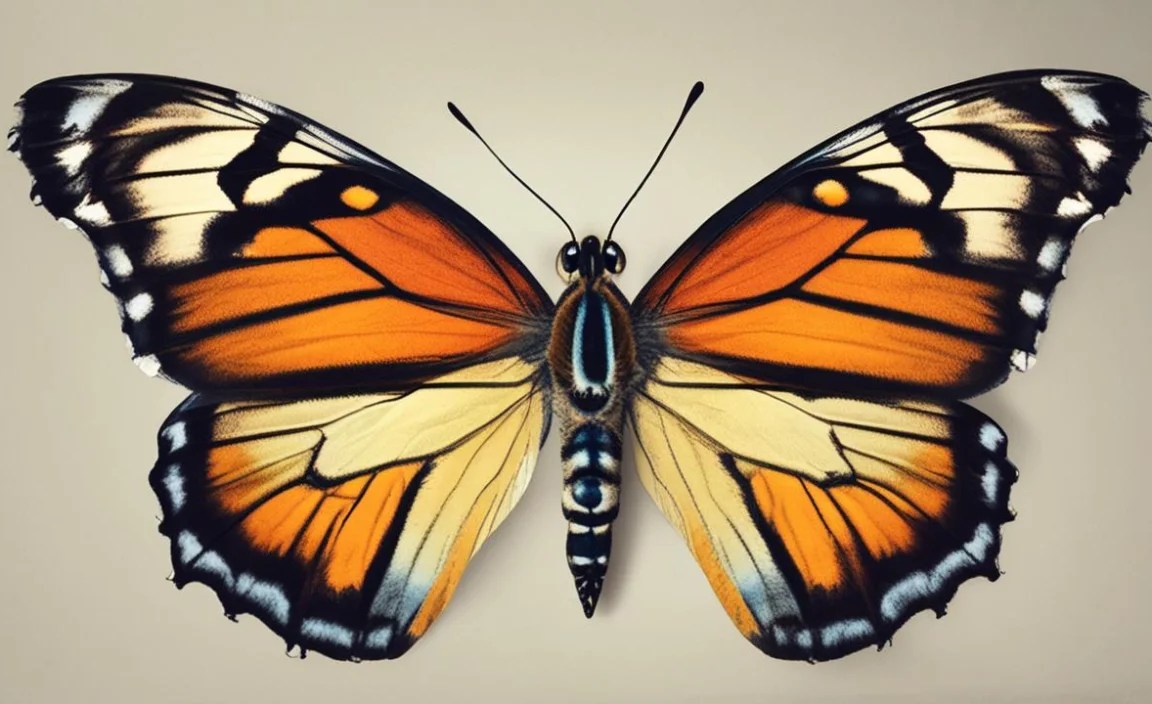
Morphology, in simple terms, is the study of the form and structure of living organisms. When we talk about the morphological traits of butterflies, we’re referring to the specific physical characteristics that define these insects. These traits include everything from the shape and color of their wings to the structure of their antennae and legs. Examining these features helps us to identify different species, understand how they’ve adapted to their environments, and trace their evolutionary history.
Why Study Butterfly Morphology?
Understanding the morphology of butterflies is important for several reasons:
- Identification: Morphological traits are key to identifying different butterfly species. Each species has a unique combination of features that sets it apart.
- Evolutionary Biology: Studying these traits helps us understand how butterflies have evolved and adapted over time. For example, wing patterns can provide clues about mimicry and camouflage.
- Conservation: Knowing the morphological characteristics of different species is crucial for conservation efforts. It allows us to track populations and identify endangered species.
- Ecology: Butterfly morphology can provide insights into their ecological roles, such as how they interact with plants and other insects.
The Butterfly Body Plan: A Detailed Look

Butterflies, like all insects, have a body divided into three main parts: the head, thorax, and abdomen. Each of these sections has specialized structures that contribute to the butterfly’s survival and reproduction.
The Head: Sensory and Feeding Center
The butterfly’s head is a sensory powerhouse, housing the eyes, antennae, and proboscis.
- Eyes: Butterflies have large, compound eyes that are made up of thousands of individual lenses called ommatidia. These eyes provide a wide field of view and excellent motion detection.
- Antennae: The antennae are sensory organs used for detecting scents, air currents, and even humidity. They are crucial for finding food, mates, and suitable habitats. Butterfly antennae come in various shapes, most commonly clubbed.
- Proboscis: The proboscis is a long, straw-like tongue that butterflies use to sip nectar from flowers. When not in use, it is coiled up beneath the head.
The Thorax: Locomotion Hub
The thorax is the middle section of the butterfly’s body, and it is primarily responsible for locomotion. It is where the wings and legs are attached.
- Wings: Butterflies have two pairs of wings that are covered in tiny, overlapping scales. These scales give the wings their color and patterns. The shape, size, and venation (pattern of veins) of the wings are important morphological traits.
- Legs: Butterflies have six legs, but in some species, the front legs are reduced and not used for walking. The legs are covered in sensory hairs that help the butterfly taste and grip surfaces.
The Abdomen: Digestion and Reproduction
The abdomen is the posterior section of the butterfly’s body. It contains the digestive and reproductive organs.
- Digestive System: The abdomen houses the gut, which is responsible for breaking down food and absorbing nutrients.
- Reproductive Organs: The abdomen also contains the reproductive organs, including the ovaries in females and the testes in males.
Wing Morphology: A Kaleidoscope of Traits

Butterfly wings are perhaps the most striking and diverse morphological feature. Their shape, size, color, and pattern are all important characteristics that help us identify different species.
Wing Shape and Size
Butterfly wings come in a variety of shapes and sizes, depending on the species. Some butterflies have long, narrow wings, while others have broad, rounded wings. The size of the wings can also vary greatly, from the tiny wings of some blues to the large wings of the birdwings.
Wing Color and Pattern
The colors and patterns on butterfly wings are created by tiny scales that cover the wing surface. These scales contain pigments that absorb and reflect light, creating the vibrant colors we see. The patterns on the wings can serve a variety of functions, including camouflage, mimicry, and mate attraction.
Wing Venation
The veins in butterfly wings provide structural support and carry nutrients to the wing tissues. The pattern of veins, known as venation, is unique to each species and can be used for identification.
Here’s a table summarizing the different aspects of wing morphology:
| Trait | Description | Importance |
|---|---|---|
| Shape | Can be rounded, elongated, triangular, etc. | Species identification, flight characteristics |
| Size | Varies from small (blues) to large (birdwings). | Flight efficiency, habitat adaptation |
| Color | Created by pigments in wing scales. | Camouflage, mate attraction, thermoregulation |
| Pattern | Spots, stripes, bands, eyespots, etc. | Camouflage, mimicry, signaling |
| Venation | The arrangement of veins in the wing. | Species identification, wing support |
Antennae: Sensory Detectors
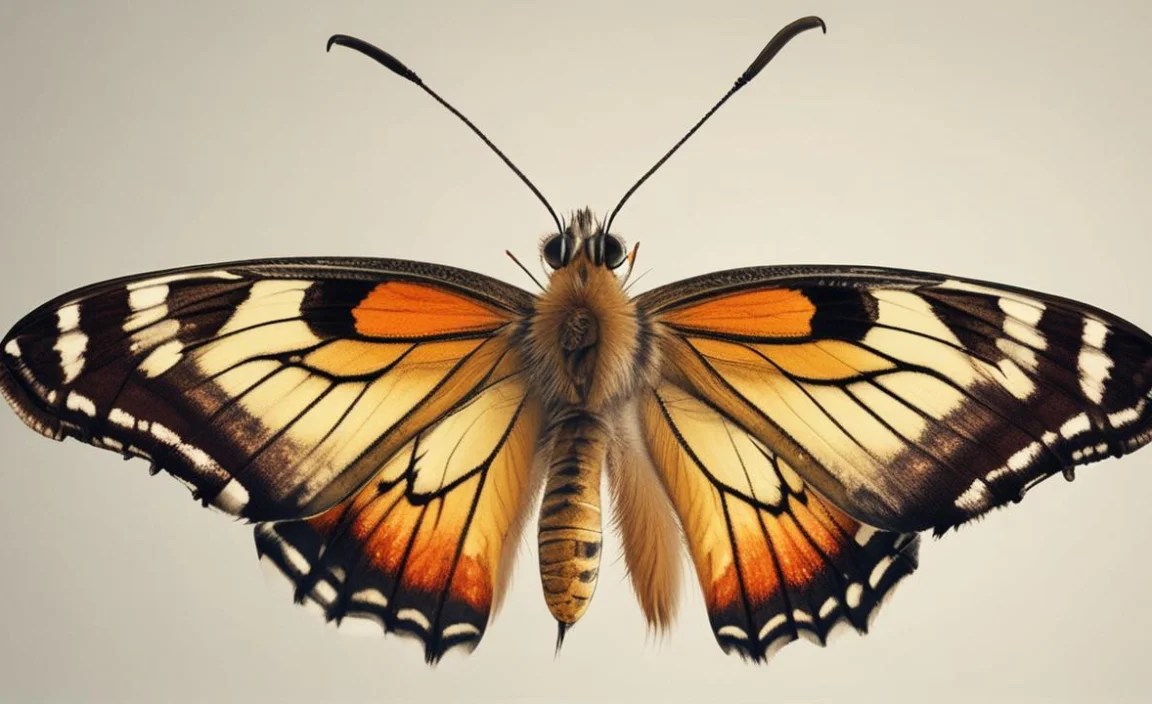
Butterfly antennae are essential sensory organs that play a crucial role in their survival. They are used to detect scents, air currents, and humidity, helping butterflies find food, mates, and suitable habitats.
Antennae Shape
Most butterflies have clubbed antennae, meaning that the tip of the antenna is enlarged and club-shaped. However, the shape of the club can vary between species. Some butterflies have long, slender clubs, while others have short, rounded clubs. Skipper butterflies have a hooked antenna tip.
Antennae Function
The antennae are covered in sensory receptors that are sensitive to different chemicals and stimuli. These receptors allow butterflies to detect the scent of nectar-rich flowers, the pheromones of potential mates, and changes in air pressure that indicate approaching predators.
Legs and Other Appendages
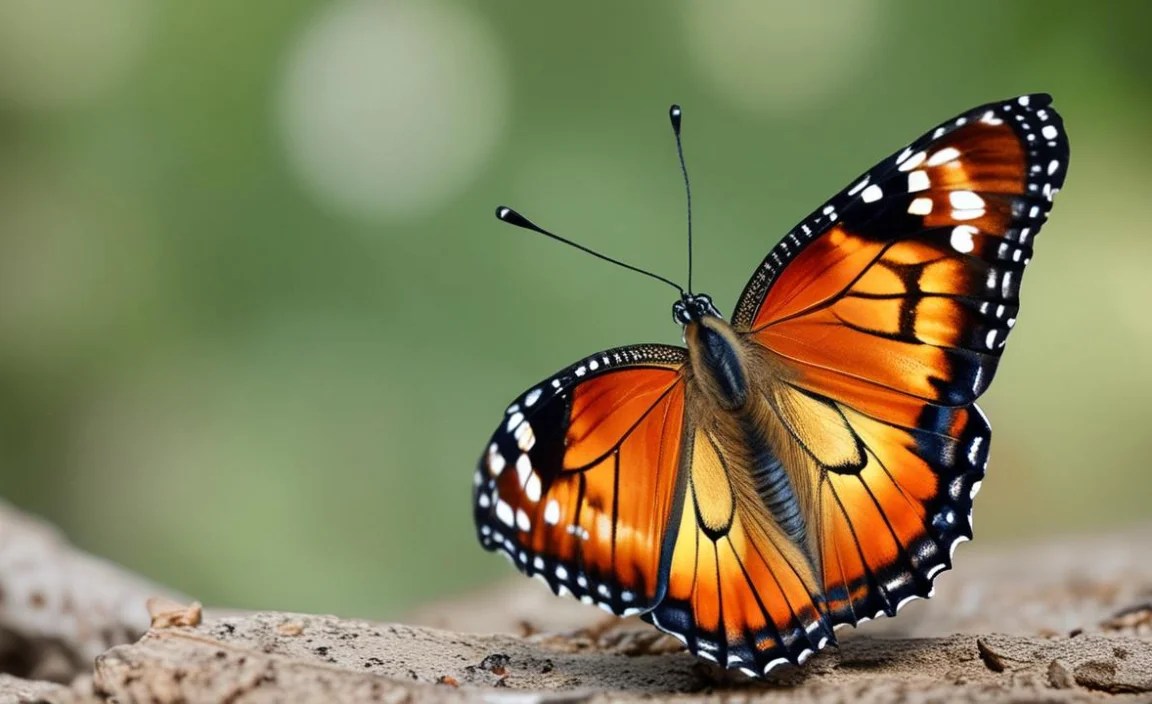
Butterflies have six legs, but in some species, the front legs are reduced and not used for walking. The legs are covered in sensory hairs that help the butterfly taste and grip surfaces. Butterflies also have other appendages, such as palpi (sensory organs near the mouth) and spurs (small spines on the legs), which can be used for identification.
Leg Structure
Each leg is divided into several segments, including the coxa, trochanter, femur, tibia, and tarsus. The tarsus is the terminal segment of the leg and is equipped with claws that allow the butterfly to grip surfaces.
Sensory Hairs
The legs are covered in sensory hairs that are sensitive to touch and taste. These hairs allow butterflies to “taste” plants before laying their eggs, ensuring that they are providing their offspring with a suitable food source. They also help butterflies sense the texture of surfaces, allowing them to grip onto flowers and leaves.
Using Morphological Traits for Butterfly Identification
Now that we’ve covered the basics of butterfly morphology, let’s talk about how to use these traits to identify different species. Identifying butterflies can be a fun and rewarding hobby, and it’s a great way to learn more about the natural world.
Step 1: Observe the Butterfly
The first step in identifying a butterfly is to observe it carefully. Take note of its size, shape, color, and pattern. Pay attention to any distinctive markings or features that might help you narrow down the possibilities.
Step 2: Consult a Field Guide
Once you’ve observed the butterfly, consult a field guide to butterfly identification. Field guides typically contain detailed descriptions and illustrations of different species, as well as information about their habitat and behavior. Some great resources include:
- Butterflies and Moths of North America
- The Xerces Society for Invertebrate Conservation
- National Audubon Society Field Guides
Step 3: Compare and Contrast
Compare the butterfly you observed to the descriptions and illustrations in the field guide. Pay attention to the key morphological traits, such as wing shape, color pattern, and antennae shape. Look for any features that match the butterfly you saw.
Step 4: Consider Location and Habitat
The location and habitat where you found the butterfly can also provide clues about its identity. Some butterflies are only found in certain regions or habitats, so knowing where you saw the butterfly can help you narrow down the possibilities.
Step 5: Use Online Resources
In addition to field guides, there are many online resources that can help you identify butterflies. Websites like iNaturalist and BugGuide allow you to upload photos of butterflies and get help from other users in identifying them.
Morphological Adaptations: Camouflage and Mimicry
Butterfly morphology is not just about identification; it’s also about understanding how butterflies have adapted to their environments. Two of the most fascinating adaptations are camouflage and mimicry.
Camouflage
Camouflage is the ability to blend in with one’s surroundings. Many butterflies have wing patterns and colors that help them to camouflage themselves against leaves, bark, or other natural backgrounds. This helps them to avoid detection by predators.
Mimicry
Mimicry is the ability to resemble another organism. Some butterflies mimic poisonous or distasteful species, which deters predators from eating them. For example, the viceroy butterfly mimics the monarch butterfly, which is poisonous to many predators due to the milkweed it consumes as a caterpillar.
Here’s a table comparing camouflage and mimicry:
| Adaptation | Description | Purpose | Example |
|---|---|---|---|
| Camouflage | Blending in with the environment. | Avoiding predators. | Dead leaf butterfly |
| Mimicry | Resembling another organism. | Deterring predators. | Viceroy butterfly mimicking the Monarch |
The Importance of Preserving Butterfly Habitats
Understanding butterfly morphology is just one piece of the puzzle when it comes to appreciating and protecting these amazing creatures. It’s also crucial to preserve their habitats. Butterflies rely on specific plants and habitats for food, shelter, and reproduction. Habitat loss and degradation are major threats to butterfly populations around the world.
How You Can Help
There are many things you can do to help protect butterfly habitats:
- Plant native plants: Native plants provide the food and shelter that butterflies need to survive.
- Avoid using pesticides: Pesticides can harm or kill butterflies and other beneficial insects.
- Create a butterfly garden: A butterfly garden can provide a haven for butterflies in your backyard.
- Support conservation organizations: Many organizations are working to protect butterfly habitats and promote butterfly conservation.
FAQ: Common Questions About Butterfly Morphology
Let’s address some frequently asked questions about butterfly morphology:
What is the main function of butterfly wings?
Butterfly wings are primarily used for flight, allowing them to move between flowers for nectar, escape predators, and find mates. They also play a role in thermoregulation (absorbing heat) and display.
How do butterflies taste with their feet?
Butterflies have sensory receptors on their feet that allow them to “taste” plants before laying eggs. This helps them ensure that they are laying their eggs on a suitable food source for their caterpillars.
What is the purpose of the spots on butterfly wings?
Spots on butterfly wings can serve several purposes, including camouflage, mimicry, and startling predators. Some spots resemble eyes, which can deter predators from attacking.
Why are butterfly colors so vibrant?
Butterfly colors are produced by pigments in the wing scales and by the structure of the scales themselves, which can reflect light in different ways. These vibrant colors are used for mate attraction, camouflage, and warning predators.
How do butterfly antennae help them?
Butterfly antennae are sensory organs that detect scents, air currents, and humidity. This helps them find food, mates, and suitable habitats.
What is the difference between a butterfly and a moth?
Butterflies and moths differ in several ways. Butterflies typically have clubbed antennae, while moths have feathery or comb-like antennae. Butterflies are usually active during the day, while moths are usually active at night. Butterflies also tend to hold their wings upright when at rest, while moths hold their wings flat.
Do all butterflies have the same number of legs?
Yes, all butterflies have six legs, but in some species, the front legs are reduced and not used for walking. These are called brush-footed butterflies.
Conclusion: Appreciating the Wonders of Butterfly Morphology
Exploring the morphological traits of butterflies offers a fascinating glimpse into the intricate adaptations and evolutionary strategies of these beautiful insects. From the vibrant colors and patterns of their wings to the sensitive receptors on their antennae and legs, every aspect of their anatomy plays a crucial role in their survival and reproduction. By understanding these features, we can better appreciate the diversity and complexity of the natural world and work to protect these delicate creatures and their habitats for generations to come. So, the next time you see a butterfly, take a moment to admire its beauty and consider the incredible adaptations that make it such a unique and captivating creature. Happy butterfly watching!