Red Rim Butterfly: Spotting Guide + Fun Facts

The red rim butterfly, also known as the black-veined sergeant, stands out with its striking red border outlining its dark wings. Spotting one means you’ve encountered a beautiful member of the brush-footed butterfly family, known for their vibrant colors and active flight. They are common across Southeast Asia and Australia, thriving in open woodlands and gardens.
Have you ever been captivated by a butterfly flitting through your garden, only to wonder what its name is? Identifying butterflies can sometimes feel like solving a puzzle, especially with so many species displaying unique patterns and colors. The red rim butterfly, with its distinctive red markings, is one such beauty that often sparks curiosity. Don’t worry; this guide will walk you through everything you need to know about the red rim butterfly, from its appearance and habitat to its life cycle and how you can attract it to your own backyard. Together, we’ll explore the fascinating world of this stunning creature and discover why it’s such a joy to observe.
Frequently Asked Questions About Red Rim Butterflies
What does a red rim butterfly look like?
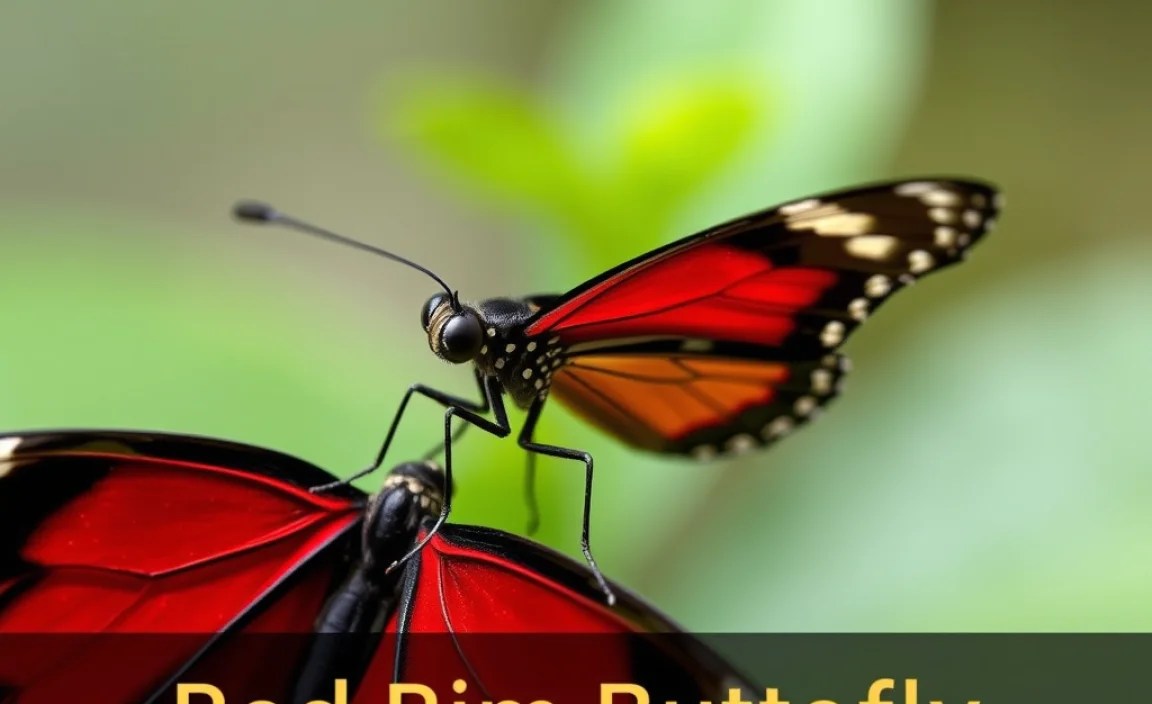
Red rim butterflies have dark brown or black wings with a prominent red border. They also feature white spots and stripes that add to their striking appearance.
Where can I find red rim butterflies?
These butterflies are commonly found in Southeast Asia and Australia, particularly in open woodlands, gardens, and along forest edges.
What do red rim butterflies eat?
As caterpillars, they feed on plants from the Flacourtiaceae family. Adult butterflies primarily feed on nectar from flowers.
How can I attract red rim butterflies to my garden?
Planting host plants like Flacourtia indica and nectar-rich flowers will encourage red rim butterflies to visit and lay eggs in your garden.
What is the lifespan of a red rim butterfly?
The lifespan of a red rim butterfly is typical for butterflies, ranging from a few weeks to several months, depending on environmental conditions and predation.
Are red rim butterflies endangered?
Red rim butterflies are not currently endangered. Their populations are generally stable in their native habitats.
What is the scientific name of the red rim butterfly?
The scientific name of the red rim butterfly is Cyrestis thyodamas.
Identifying the Red Rim Butterfly
Identifying a red rim butterfly is relatively straightforward due to its unique markings. Let’s break down the key characteristics that will help you distinguish it from other butterfly species.
Key Physical Characteristics
- Wing Color: The wings are predominantly dark brown or black, providing a stark contrast to the red border.
- Red Border: A distinct red band runs along the outer edges of both the forewings and hindwings.
- White Markings: Look for white spots and stripes that adorn the wings, adding to the butterfly’s intricate pattern.
- Size: Red rim butterflies typically have a wingspan ranging from 5 to 7 centimeters (2 to 2.8 inches).
Distinguishing Features
To ensure you’re correctly identifying a red rim butterfly, consider these distinguishing features:
- Flight Pattern: They have a rapid, erratic flight, often darting between plants and flowers.
- Habitat: Typically found in open woodlands, gardens, and along forest edges in Southeast Asia and Australia.
- Larval Host Plants: Knowing that their caterpillars feed on plants from the Flacourtiaceae family can also aid in identification.
Similar Species and How to Tell Them Apart
While the red rim butterfly is quite distinctive, it’s helpful to know similar species and how to differentiate them:
| Species | Distinguishing Features | Habitat |
|---|---|---|
| Red Rim Butterfly (Cyrestis thyodamas) | Red border on dark wings, white spots and stripes. | Southeast Asia, Australia; open woodlands, gardens. |
| Map Butterfly (Cyrestis species) | Intricate patterns resembling map contours, but lacks the red rim. | Similar to red rim, but more varied depending on the specific species. |
Habitat and Distribution
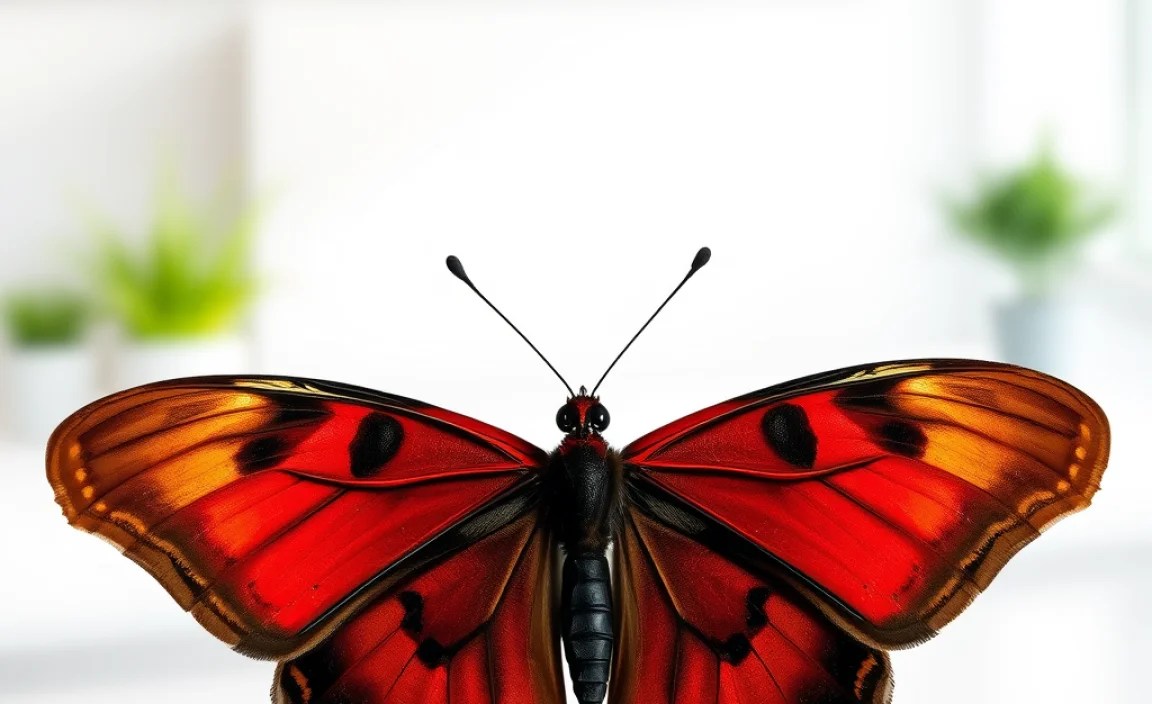
Understanding where red rim butterflies live can increase your chances of spotting one. They have specific habitat preferences and a wide distribution range.
Geographical Range
Red rim butterflies are primarily found in:
- Southeast Asia: Including countries like India, Thailand, Malaysia, and Indonesia.
- Australia: Commonly seen in northern and eastern parts of the continent.
Preferred Habitats
These butterflies thrive in environments that offer both food and shelter:
- Open Woodlands: Areas with plenty of sunlight and scattered trees.
- Gardens: Especially those with a variety of flowering plants.
- Forest Edges: The transition zones between forests and open areas.
Ecological Role
Red rim butterflies play a vital role in their ecosystems:
- Pollination: As they feed on nectar, they help pollinate various plant species.
- Food Source: They serve as a food source for birds, lizards, and other insectivores.
- Indicator Species: Their presence and health can indicate the overall health of the environment.
Life Cycle of the Red Rim Butterfly

The life cycle of the red rim butterfly is a fascinating journey through four distinct stages. Each stage plays a crucial role in the butterfly’s development and survival.
Egg Stage
- Appearance: The eggs are typically small and round, often laid singly or in small groups on host plants.
- Host Plants: Red rim butterflies prefer to lay their eggs on plants from the Flacourtiaceae family, such as Flacourtia indica.
- Duration: The egg stage usually lasts for a few days to a week, depending on environmental conditions.
Larval Stage (Caterpillar)
- Appearance: The caterpillars are often green or brown, blending in with the foliage of their host plants.
- Feeding Habits: They are voracious eaters, consuming large amounts of leaves to fuel their growth.
- Molting: As they grow, caterpillars undergo several molts, shedding their skin to accommodate their increasing size.
- Duration: The larval stage can last from a few weeks to a couple of months.
Pupal Stage (Chrysalis)
- Appearance: The pupa, or chrysalis, is typically green or brown and hangs from a stem or leaf.
- Transformation: Inside the pupa, the caterpillar undergoes a remarkable transformation, reorganizing its tissues to form the adult butterfly.
- Duration: The pupal stage usually lasts for about one to two weeks.
Adult Stage
- Emergence: The adult butterfly emerges from the pupal case, its wings initially crumpled and wet.
- Wing Drying: The butterfly pumps hemolymph (similar to blood) into its wings to expand and dry them.
- Reproduction: Adult butterflies focus on reproduction, finding mates and laying eggs to continue the cycle.
- Lifespan: The adult stage can last from a few weeks to several months, depending on factors like food availability and predation.
Attracting Red Rim Butterflies to Your Garden

Creating a butterfly-friendly garden is a rewarding experience. By providing the right resources, you can attract red rim butterflies and enjoy their beauty up close.
Planting Host Plants
Host plants are essential for the survival of red rim butterflies, as they provide food for the caterpillars. Consider planting these:
- Flacourtia indica (Indian Plum): A favorite among red rim caterpillars.
- Other Flacourtiaceae species: Research local species that thrive in your area.
Providing Nectar Sources
Adult butterflies need nectar for energy. Plant a variety of flowering plants that bloom at different times of the year:
- Lantana: Offers clusters of colorful flowers that butterflies love.
- Pentas: Known for its star-shaped flowers and continuous bloom.
- Zinnia: Provides bright, daisy-like flowers that attract a variety of butterflies.
Creating a Butterfly-Friendly Environment
Beyond plants, consider these elements to make your garden even more inviting:
- Sunlight: Butterflies need sunlight to warm their bodies and stay active.
- Shelter: Provide shrubs and trees where butterflies can take refuge from wind and predators.
- Water Source: A shallow dish of water with pebbles allows butterflies to drink safely.
- Avoid Pesticides: Pesticides can harm or kill butterflies and other beneficial insects. Opt for organic gardening methods.
Conservation Status and Threats
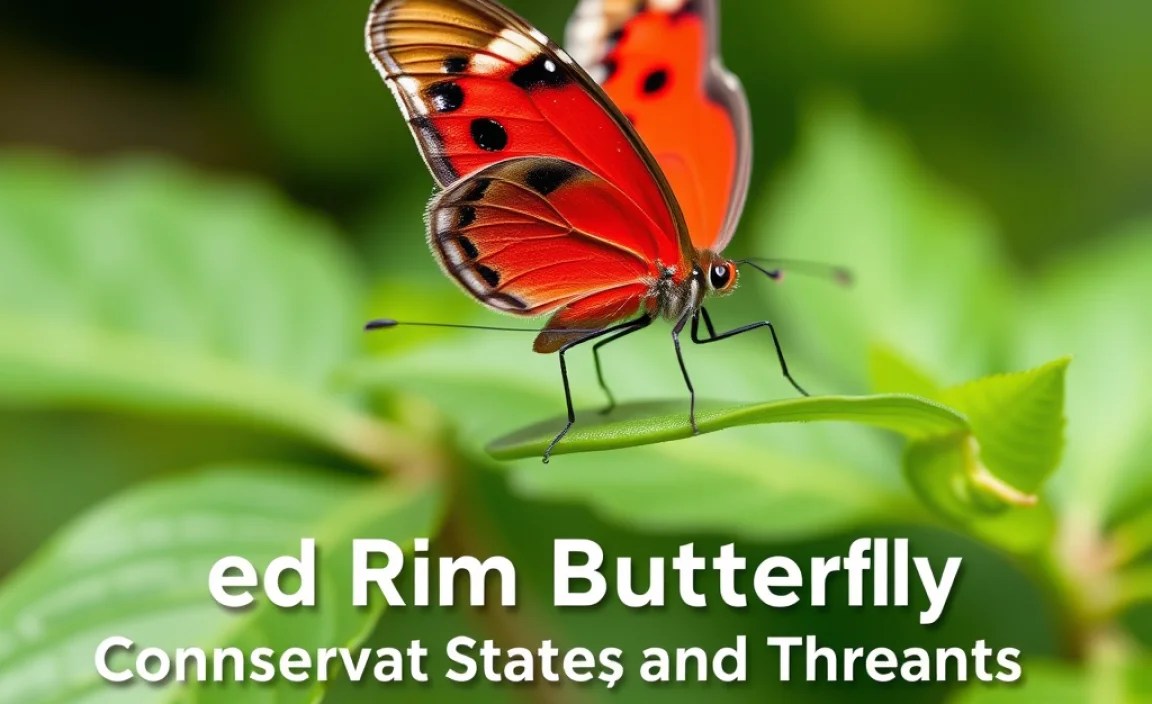
Understanding the conservation status and potential threats to red rim butterflies can help us protect them and their habitats.
Current Conservation Status
Red rim butterflies are not currently listed as endangered or threatened. Their populations are generally stable in their native ranges. However, like all wildlife, they face potential threats from habitat loss and climate change.
Potential Threats
- Habitat Loss: Deforestation and urbanization can reduce the availability of suitable habitats for red rim butterflies.
- Pesticide Use: The use of pesticides in agriculture and gardening can harm or kill butterflies and their caterpillars.
- Climate Change: Changes in temperature and rainfall patterns can disrupt butterfly life cycles and alter the distribution of their host plants.
Conservation Efforts
While red rim butterflies are not currently a major conservation concern, there are steps we can take to help protect them:
- Habitat Preservation: Support efforts to protect and restore natural habitats, such as woodlands and forests.
- Sustainable Gardening: Practice organic gardening methods and avoid the use of pesticides.
- Education: Raise awareness about the importance of butterflies and their role in the ecosystem.
- Citizen Science: Participate in butterfly monitoring programs to help track populations and identify potential threats.
Red Rim Butterfly in Culture and Art
Butterflies, in general, hold significant cultural and symbolic meanings across various societies. While specific references to the red rim butterfly may be limited, its vibrant colors and graceful flight often connect to broader themes.
Symbolism
- Transformation and Rebirth: The butterfly’s life cycle, from caterpillar to pupa to winged adult, symbolizes transformation, rebirth, and the cyclical nature of life.
- Beauty and Grace: The delicate beauty and graceful flight of butterflies often represent elegance, charm, and the ephemeral nature of beauty.
- Freedom and Joy: Butterflies are often seen as symbols of freedom, joy, and the ability to move freely between different realms.
Artistic Representations
Butterflies have been a popular subject in art for centuries:
- Paintings: Artists often depict butterflies to add a touch of beauty and symbolism to their works.
- Photography: Capturing the vibrant colors and intricate patterns of butterflies is a favorite among nature photographers.
- Literature: Butterflies frequently appear in poems and stories as symbols of transformation, hope, and the fleeting nature of life.
Cultural Significance
In many cultures, butterflies are associated with:
- Souls and Spirits: Some cultures believe that butterflies represent the souls of the deceased or spiritual messengers.
- Good Luck: Seeing a butterfly is often considered a sign of good luck or a positive omen.
- Celebrations: Butterflies are sometimes released during celebrations, such as weddings or festivals, to symbolize joy and new beginnings.
Observing and Photographing Red Rim Butterflies
Photographing butterflies can be a rewarding hobby, allowing you to capture their beauty and share it with others. Here are some tips for observing and photographing red rim butterflies:
Best Times to Observe
- Morning: Butterflies are often most active in the morning, as they warm themselves in the sun.
- Sunny Days: Clear, sunny days are ideal for butterfly watching, as they are more likely to be out foraging for nectar.
- Flowering Season: Visit gardens and woodlands during the flowering season to increase your chances of spotting red rim butterflies.
Tips for Photography
- Equipment: Use a camera with a macro lens to capture close-up details of the butterfly’s wings and body.
- Lighting: Natural light is best for butterfly photography. Avoid harsh sunlight, which can create overexposed images.
- Patience: Butterflies are often on the move, so be patient and wait for the right moment to capture your shot.
- Approach: Approach butterflies slowly and quietly to avoid startling them.
- Composition: Pay attention to the background and composition of your shot. A clean, uncluttered background will help your subject stand out.
Ethical Considerations
When observing and photographing butterflies, it’s important to do so responsibly and ethically:
- Respect Their Space: Avoid getting too close or disturbing the butterfly’s natural behavior.
- Do Not Capture: Never capture or handle butterflies unless you have a valid permit for scientific research.
- Protect Their Habitat: Stay on designated trails and avoid damaging or trampling vegetation.
Conclusion
The red rim butterfly, with its striking red-bordered wings and delicate white markings, is a true gem of the butterfly world. From its geographical range across Southeast Asia and Australia to its essential role in local ecosystems, this butterfly offers endless opportunities for exploration and appreciation. By understanding its identification, habitat, life cycle, and conservation needs, you can contribute to protecting this species and its environment for generations to come. Whether you’re a seasoned naturalist, a budding gardener, or simply someone who appreciates the beauty of nature, the red rim butterfly invites you to discover the wonders of the natural world and take meaningful steps toward conservation.