
Creating Monarch Habitat: Easy Guide

Creating a monarch habitat involves providing milkweed for caterpillars to eat, nectar-rich flowers for adult butterflies, shelter from the elements, and avoiding pesticides. By planting native milkweed and nectar plants, you can create a haven that supports the entire monarch life cycle and helps these beautiful creatures thrive.
Have you ever been captivated by the sight of a monarch butterfly fluttering through your garden? These iconic insects are not only beautiful but also vital pollinators. Unfortunately, their populations have declined dramatically in recent years. The good news is that you can make a real difference by creating a monarch habitat right in your own backyard!
It might seem daunting, but creating a monarch-friendly space is easier than you think. I’ll guide you through the steps to provide everything these butterflies need to survive and thrive. Get ready to transform your garden into a monarch oasis!
Why Create a Monarch Habitat?
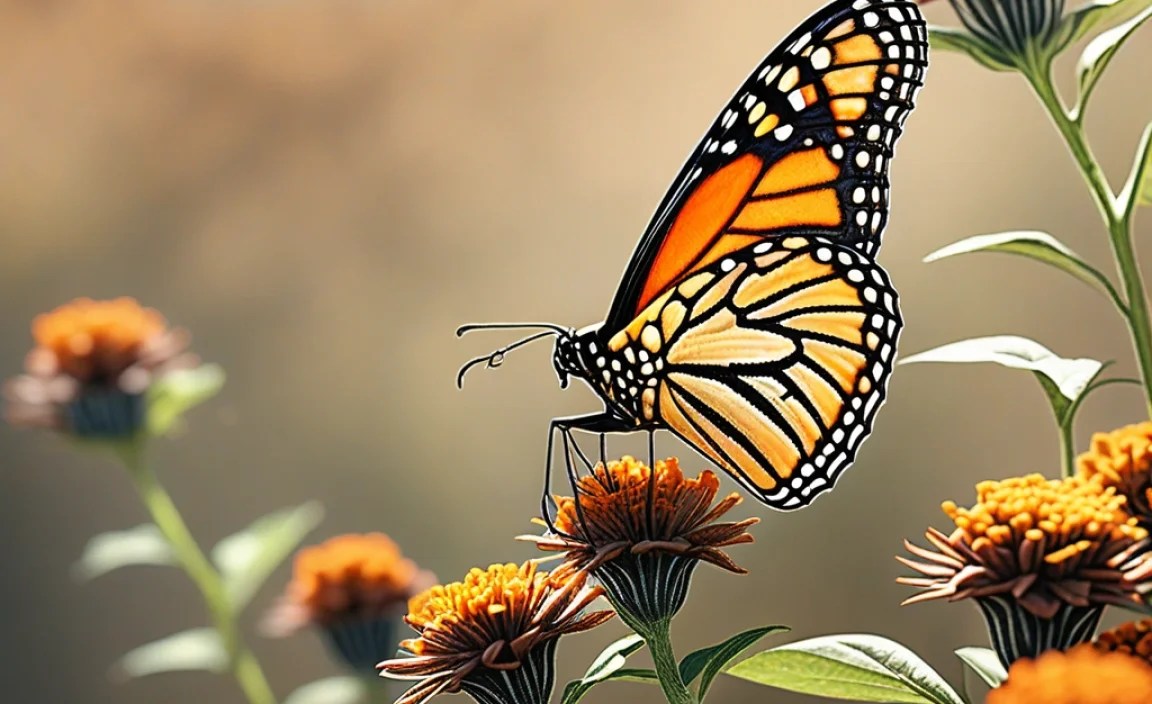
Monarch butterflies are facing serious threats due to habitat loss, pesticide use, and climate change. By creating a monarch habitat, you’re providing essential resources that help them survive and reproduce.
- Support Monarch Populations: Your efforts directly contribute to the conservation of these iconic butterflies.
- Provide Food and Shelter: Monarchs need milkweed to lay their eggs and nectar-rich flowers for food.
- Enhance Biodiversity: A monarch habitat also benefits other pollinators and wildlife.
- Enjoy Natural Beauty: Watching monarchs in your garden is a rewarding experience.
Understanding the Monarch Life Cycle
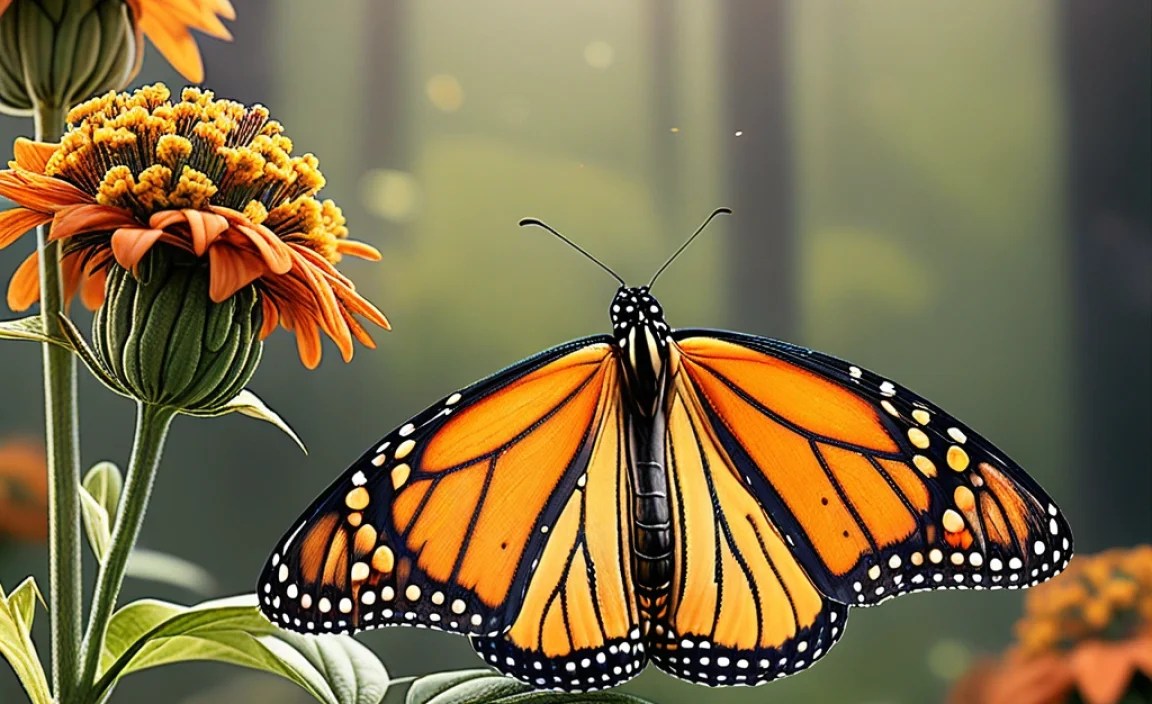
To create an effective monarch habitat, it’s essential to understand their life cycle. Monarchs go through four distinct stages:
- Egg: Monarch eggs are laid on milkweed plants.
- Larva (Caterpillar): The caterpillar hatches and feeds exclusively on milkweed.
- Pupa (Chrysalis): The caterpillar transforms into a chrysalis, where it undergoes metamorphosis.
- Adult Butterfly: The adult butterfly emerges, ready to reproduce and continue the cycle.
Step-by-Step Guide to Creating a Monarch Habitat
Here’s a detailed guide to creating a thriving monarch habitat in your garden:
Step 1: Choose the Right Location
Select a sunny spot that receives at least six hours of sunlight per day. Monarchs need sunlight to warm their bodies and nectar plants produce more nectar in sunny conditions. Also, ensure the area is sheltered from strong winds, which can make it difficult for butterflies to fly and feed. A location near a water source, such as a bird bath or small pond, is also beneficial.
Step 2: Plant Native Milkweed
Milkweed is the only food source for monarch caterpillars. Planting native milkweed species is crucial for supporting their survival. Different regions have different native milkweed varieties, so choose the ones that are best suited for your area. Here are some popular native milkweed species:
- Common Milkweed (Asclepias syriaca): A widespread species that grows well in many regions.
- Swamp Milkweed (Asclepias incarnata): Prefers moist soil and is ideal for rain gardens.
- Butterfly Weed (Asclepias tuberosa): A vibrant orange milkweed that tolerates dry conditions.
- Showy Milkweed (Asclepias speciosa): Native to the western United States, known for its large, fragrant flowers.
You can purchase milkweed seeds or plants from local nurseries or online retailers. When planting, space the plants according to the instructions on the seed packet or plant label. Milkweed can take a few years to establish, so be patient and continue to provide it with the care it needs.
Step 3: Add Nectar-Rich Flowers
Adult monarch butterflies need nectar to fuel their flight and reproduction. Plant a variety of nectar-rich flowers that bloom throughout the monarch season, from spring to fall. Choose native species whenever possible, as they are best adapted to your local climate and provide the most nutritious nectar. Here are some excellent nectar plants for monarchs:
- Asters (Symphyotrichum spp.): Late-blooming flowers that provide a crucial nectar source for migrating monarchs.
- Goldenrod (Solidago spp.): Another late-blooming favorite that attracts a wide variety of pollinators.
- Purple Coneflower (Echinacea purpurea): A popular and easy-to-grow flower that blooms for a long period.
- Zinnias (Zinnia elegans): Brightly colored annuals that are easy to grow from seed.
- Salvia (Salvia spp.): Offers a wide range of colors and bloom times.
- Joe-Pye Weed (Eutrochium purpureum): A tall, impressive plant that attracts many butterflies.
Plant these flowers in clusters to make it easier for monarchs to find them. Aim for a mix of colors and flower shapes to attract a diverse range of pollinators. Deadhead spent flowers to encourage continuous blooming throughout the season.
Step 4: Provide Shelter and Water
Monarchs need shelter from wind, rain, and predators. Plant shrubs and trees to create a protective barrier around your monarch habitat. Overgrown areas also provide good shelter for caterpillars and butterflies. Provide a shallow dish of water with pebbles or marbles for butterflies to land on while drinking. Change the water regularly to prevent mosquito breeding.
Step 5: Avoid Pesticides
Pesticides can be harmful to monarch butterflies and other beneficial insects. Avoid using pesticides in your monarch habitat. If you must use them, choose organic options and apply them carefully, avoiding spraying directly on milkweed or nectar plants. Consider using natural pest control methods, such as introducing beneficial insects like ladybugs or using insecticidal soap.
Step 6: Maintain Your Monarch Habitat
Regular maintenance is essential for keeping your monarch habitat healthy and thriving. Remove weeds that compete with milkweed and nectar plants. Water your plants during dry periods to keep them healthy and productive. Monitor your plants for signs of pests or diseases and take action promptly to prevent them from spreading. Here’s a quick guide:
| Task | Frequency | Details |
|---|---|---|
| Weeding | Weekly | Remove weeds to prevent competition with milkweed and nectar plants. |
| Watering | As needed | Water during dry periods, especially newly planted milkweed and nectar plants. |
| Deadheading | Regularly | Remove spent flowers to encourage continuous blooming. |
| Monitoring for Pests/Diseases | Weekly | Check plants for signs of pests or diseases and take action promptly. |
| Adding Compost | Annually (Spring) | Add compost to enrich the soil and provide nutrients for plant growth. |
Dealing with Common Challenges
Creating a monarch habitat can sometimes present challenges. Here are some common issues and how to address them:
- Aphids on Milkweed: Aphids can sometimes infest milkweed plants. You can remove them by spraying the plants with a strong stream of water or by introducing ladybugs, which are natural predators of aphids.
- Milkweed Bugs: These insects feed on milkweed seeds and can reduce milkweed production. Handpick them off the plants or use insecticidal soap.
- Lack of Monarchs: It may take time for monarchs to find your habitat. Be patient and continue to provide milkweed and nectar plants. You can also try planting more milkweed or nectar plants to make your habitat more attractive.
Documenting Your Monarch Habitat
Keep a record of your monarch habitat by taking photos and notes. This can help you track the progress of your plants and the number of monarchs you attract. You can also share your observations with other monarch enthusiasts online or through local butterfly organizations. Consider participating in citizen science projects, such as monarch tagging programs, to contribute to monarch research and conservation efforts. The Monarch Joint Venture (https://monarchjointventure.org/) is a great resource for finding such opportunities.
The Benefits of Native Plants
Using native plants in your monarch habitat offers numerous advantages:
- Adapted to Local Climate: Native plants are well-suited to your local climate and require less water and maintenance.
- Provide Nutritious Nectar: Native nectar plants provide the most nutritious nectar for monarchs and other pollinators.
- Support Biodiversity: Native plants support a wide range of insects, birds, and other wildlife.
- Reduce the Need for Pesticides: Native plants are more resistant to pests and diseases, reducing the need for pesticides.
Choosing the Right Milkweed for Your Region
Selecting the appropriate milkweed species is crucial for monarch success. The Xerces Society provides regional guides to help you choose the best native milkweeds for your area (https://xerces.org/milkweed-seed-finder). Remember, planting non-native milkweed can disrupt monarch migration patterns and potentially harm their populations. Here’s a quick table of some milkweed and their characteristics:
| Milkweed Species | Description | Growing Conditions | Native Range |
|---|---|---|---|
| Common Milkweed (Asclepias syriaca) | Fragrant pink flowers, broad leaves | Well-drained soil, full sun | Eastern and Central North America |
| Swamp Milkweed (Asclepias incarnata) | Pink or purple flowers, narrow leaves | Moist soil, full sun | Eastern and Central North America |
| Butterfly Weed (Asclepias tuberosa) | Bright orange flowers, drought-tolerant | Well-drained soil, full sun | Eastern and Central North America |
| Showy Milkweed (Asclepias speciosa) | Large, fragrant pink flowers, silvery leaves | Well-drained soil, full sun | Western North America |
Monarch Habitat and Community Involvement
Creating a monarch habitat can be a community effort. Encourage your neighbors, schools, and local organizations to plant milkweed and nectar plants. Organize workshops and educational events to raise awareness about monarch conservation. By working together, you can create a network of monarch habitats that support these beautiful butterflies throughout their migration.
FAQ About Creating Monarch Habitats
Here are some frequently asked questions about creating monarch habitats:
What is the most important plant for a monarch habitat?
Milkweed is the most important plant, as it is the only food source for monarch caterpillars.
How much sunlight do monarchs need?
Monarchs need at least six hours of sunlight per day to thrive.
What types of flowers attract monarch butterflies?
Nectar-rich flowers like asters, goldenrod, coneflowers, and zinnias attract monarch butterflies.
How can I protect my monarch habitat from pesticides?
Avoid using pesticides in your monarch habitat. Choose organic options or natural pest control methods.
How long does it take for a monarch habitat to become established?
It can take a few years for a monarch habitat to become fully established, as milkweed and nectar plants need time to grow and mature.
What if I don’t have a lot of space?
Even a small space can be a monarch habitat. Plant milkweed and nectar plants in containers on your balcony or patio.
How can I get involved in monarch conservation efforts?
Participate in citizen science projects, such as monarch tagging programs, or volunteer with local butterfly organizations.
Conclusion
Creating a monarch habitat is a rewarding way to support these iconic butterflies and contribute to their conservation. By providing milkweed, nectar-rich flowers, shelter, and avoiding pesticides, you can create a haven that helps monarchs thrive. Every effort, no matter how small, makes a difference. So, get started today and transform your garden into a monarch paradise. Together, we can help ensure that future generations will continue to marvel at the beauty of monarch butterflies.


