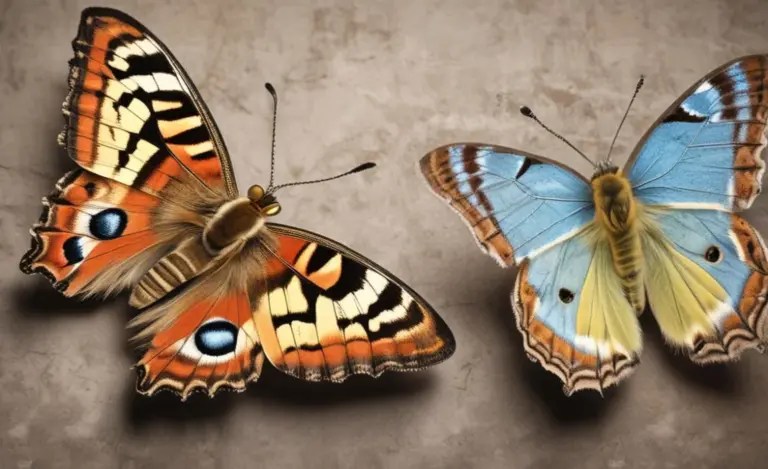
Butterfly Gardens USA: Your Ultimate Guide

Butterfly gardens in the USA are specially designed spaces that attract beautiful butterflies. You can create one by planting nectar-rich flowers for adult butterflies and host plants for caterpillars. Choose native plants, provide sunshine and shelter, and avoid pesticides to create a thriving butterfly haven.
Have you ever dreamed of a garden filled with fluttering wings and vibrant colors? Butterflies bring such joy and beauty to our world. But sometimes, it feels like they’re disappearing. The good news is, you can help! Creating a butterfly garden is a wonderful way to support these amazing creatures and enjoy their beauty up close. It might seem tricky at first, but with a few simple steps, you can transform your backyard into a butterfly paradise.
In this guide, I’ll walk you through everything you need to know to create a butterfly garden that thrives. We’ll explore the essential plants, design tips, and maintenance tricks. Get ready to welcome these winged wonders to your own backyard!
What is a Butterfly Garden?
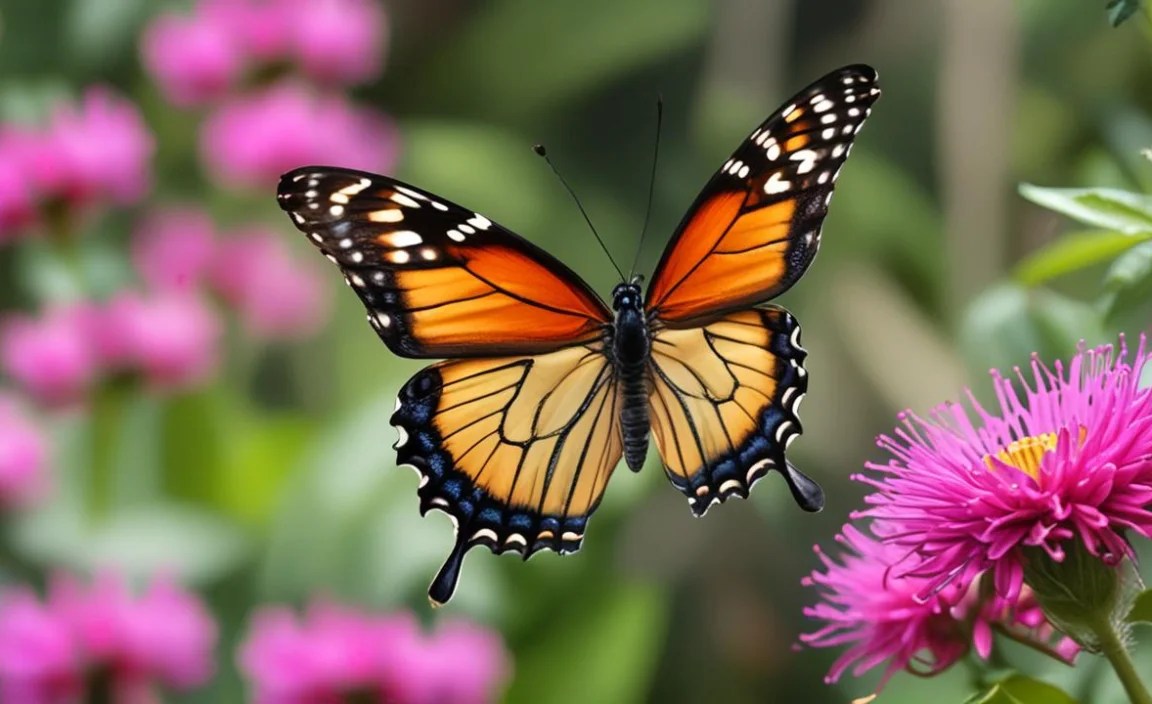
A butterfly garden is more than just a pretty space; it’s a carefully planned habitat designed to attract and support butterflies through all stages of their lives. This means providing food for both adult butterflies and caterpillars.
Think of it as a butterfly buffet! You’ll need nectar-rich flowers for the adults and specific host plants for the caterpillars to munch on. By creating this balanced environment, you’ll not only see more butterflies, but you’ll also be contributing to their conservation.
Why Create a Butterfly Garden?
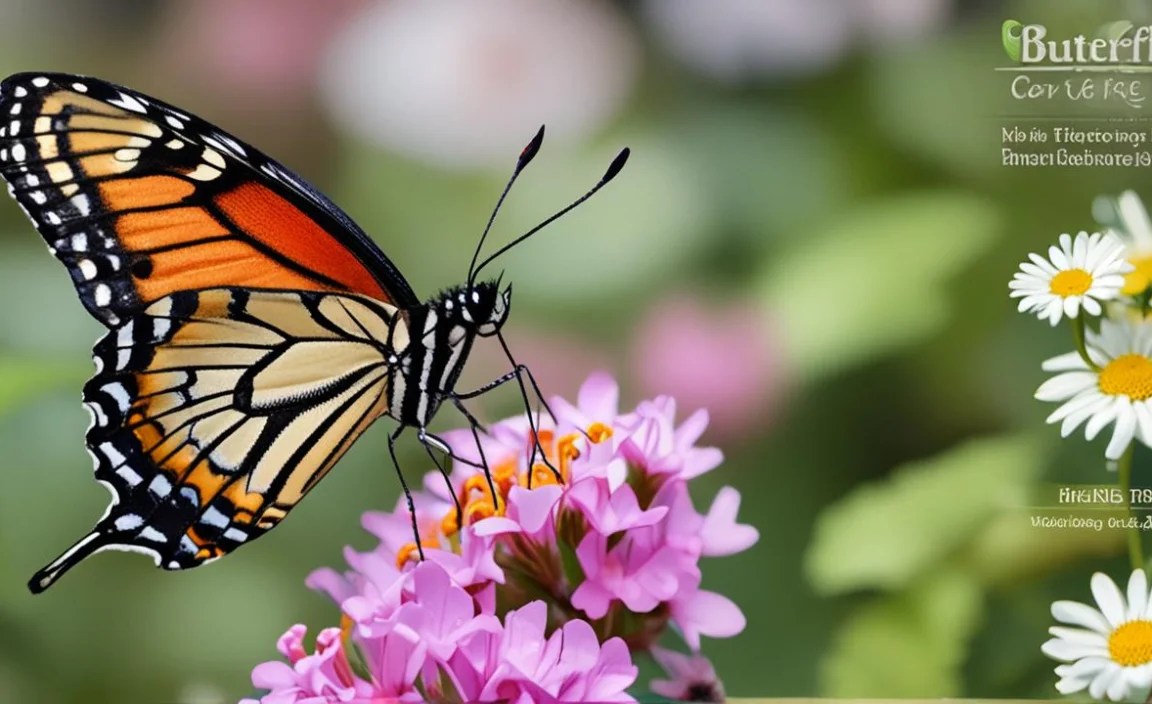
Creating a butterfly garden offers many rewards, both for you and the environment:
- Supporting Pollinators: Butterflies are important pollinators, helping plants reproduce and ensuring healthy ecosystems.
- Enjoying Beauty: Watching butterflies flutter around your garden is a calming and joyful experience.
- Educational Opportunity: A butterfly garden is a great way to learn about nature and teach children about the life cycle of butterflies.
- Conservation: By providing habitat, you’re helping to protect butterfly populations that are facing habitat loss and other threats.
- Enhancing Your Garden: Butterfly gardens add color, movement, and life to your outdoor space.
Planning Your Butterfly Garden
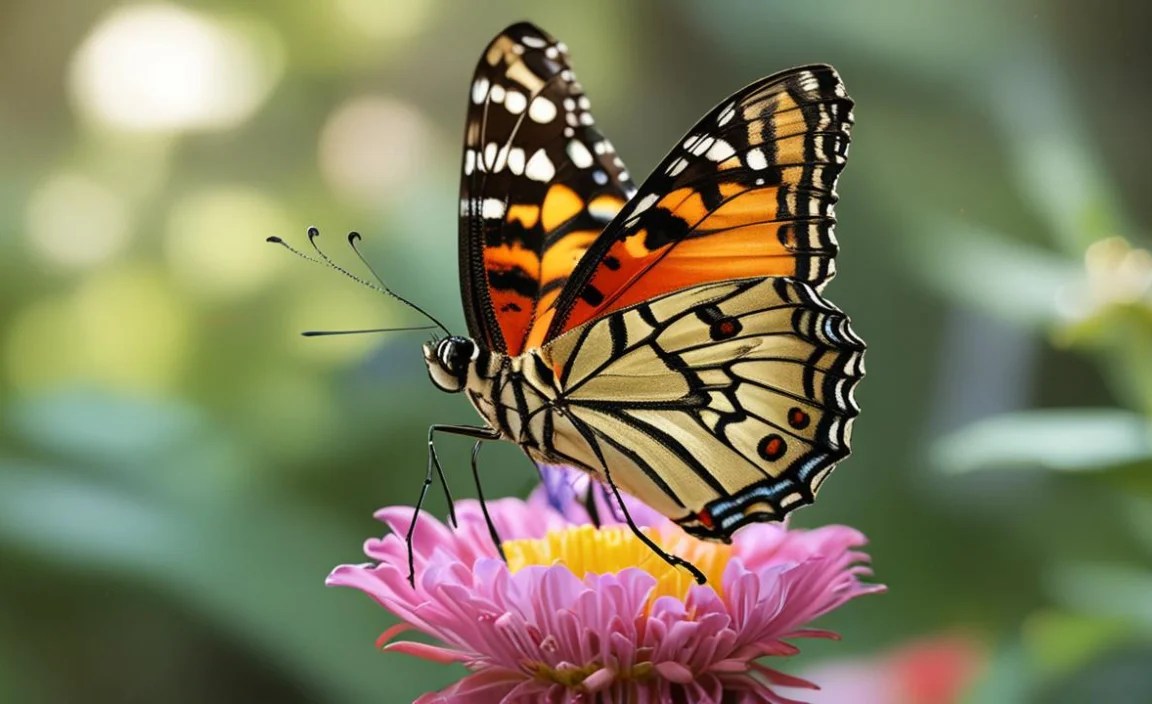
Before you start digging, take some time to plan your garden. Consider these factors:
1. Location, Location, Location!
Butterflies love sunshine! Choose a spot that gets at least six hours of direct sunlight each day. Also, consider shelter from strong winds. A fence, wall, or grouping of shrubs can provide a safe haven for butterflies.
2. Size and Shape
Butterfly gardens can be any size, from a small container garden on a balcony to a large backyard landscape. Start with a size that you can manage and expand later if you wish. The shape is up to you – be creative!
3. Soil Preparation
Butterflies aren’t too picky about soil, but good drainage is essential. Most plants prefer well-drained soil that is rich in organic matter. Amend heavy clay or sandy soil with compost before planting. Check your local garden center for advice on soil amendments specific to your region.
4. Choosing the Right Plants
This is the most important part! You’ll need two types of plants: nectar plants for adult butterflies and host plants for caterpillars.
Nectar Plants
Nectar plants provide food for adult butterflies. Choose a variety of colors, shapes, and bloom times to attract different species and keep your garden buzzing all season long. Some popular choices include:
- Butterfly Bush (Buddleja davidii): A classic butterfly magnet with long, colorful flower spikes.
- Zinnia (Zinnia elegans): Easy to grow and comes in a rainbow of colors.
- Coneflower (Echinacea purpurea): A native favorite that attracts many different butterfly species.
- Milkweed (Asclepias spp.): Essential for monarch butterflies (more on this later!).
- Lantana (Lantana camara): A tough and colorful plant that blooms all summer long.
- Salvia (Salvia spp.): Attracts hummingbirds and butterflies with its vibrant blooms.
- Aster (Symphyotrichum spp.): Provides late-season nectar for migrating butterflies.
Host Plants
Host plants are where butterflies lay their eggs and where caterpillars feed. Without these plants, butterflies can’t complete their life cycle. Some common host plants include:
- Milkweed (Asclepias spp.): The only food source for monarch caterpillars. Plant different varieties to support monarchs throughout their migration.
- Dill, Parsley, Fennel (Anethum graveolens, Petroselinum crispum, Foeniculum vulgare): Host plants for swallowtail butterflies.
- Spicebush (Lindera benzoin): Host plant for spicebush swallowtail butterflies.
- Violets (Viola spp.): Host plant for fritillary butterflies.
- Cabbage, Broccoli, Kale (Brassica oleracea): Host plants for cabbage white butterflies. (You might not want these in your butterfly garden, but it’s good to know!)
5. Native Plants are Best
Whenever possible, choose native plants. Native plants are adapted to your local climate and soil conditions, making them easier to grow. They also provide the best food and habitat for native butterflies. Check with your local native plant society or nursery for recommendations.
6. Design for Succession
Plan your garden so that something is always in bloom. This will provide a continuous source of nectar for butterflies throughout the growing season. Plant a mix of early, mid-, and late-blooming flowers.
7. Group Plants Together
Butterflies are more likely to visit a garden with large groupings of the same flower. Plant at least three to five of each type of nectar plant together. This makes it easier for butterflies to find the flowers and feed.
8. Add Other Butterfly-Friendly Features
In addition to plants, consider adding other features to make your garden more attractive to butterflies:
- Puddling Area: Butterflies need water and minerals. Create a puddling area by filling a shallow dish with sand or gravel and keeping it moist.
- Basking Rocks: Butterflies are cold-blooded and need to bask in the sun to warm up. Place some flat rocks in sunny spots for them to rest on.
- Shelter: Provide shelter from wind and predators with shrubs, trees, or tall grasses.
Step-by-Step Guide to Planting Your Butterfly Garden

Ready to get your hands dirty? Here’s a step-by-step guide to planting your butterfly garden:
- Prepare the Soil: Remove any weeds or grass from the planting area. Amend the soil with compost or other organic matter.
- Choose Your Plants: Select a variety of nectar and host plants that are suitable for your region.
- Planting Time: Dig holes that are twice as wide as the root ball of your plants. Gently remove the plants from their containers and loosen the roots. Place the plants in the holes and backfill with soil. Water thoroughly.
- Mulch: Apply a layer of mulch around the plants to help retain moisture and suppress weeds.
- Water Regularly: Water your plants regularly, especially during dry periods.
- Observe and Enjoy: Watch your garden come to life as butterflies begin to visit!
Maintaining Your Butterfly Garden
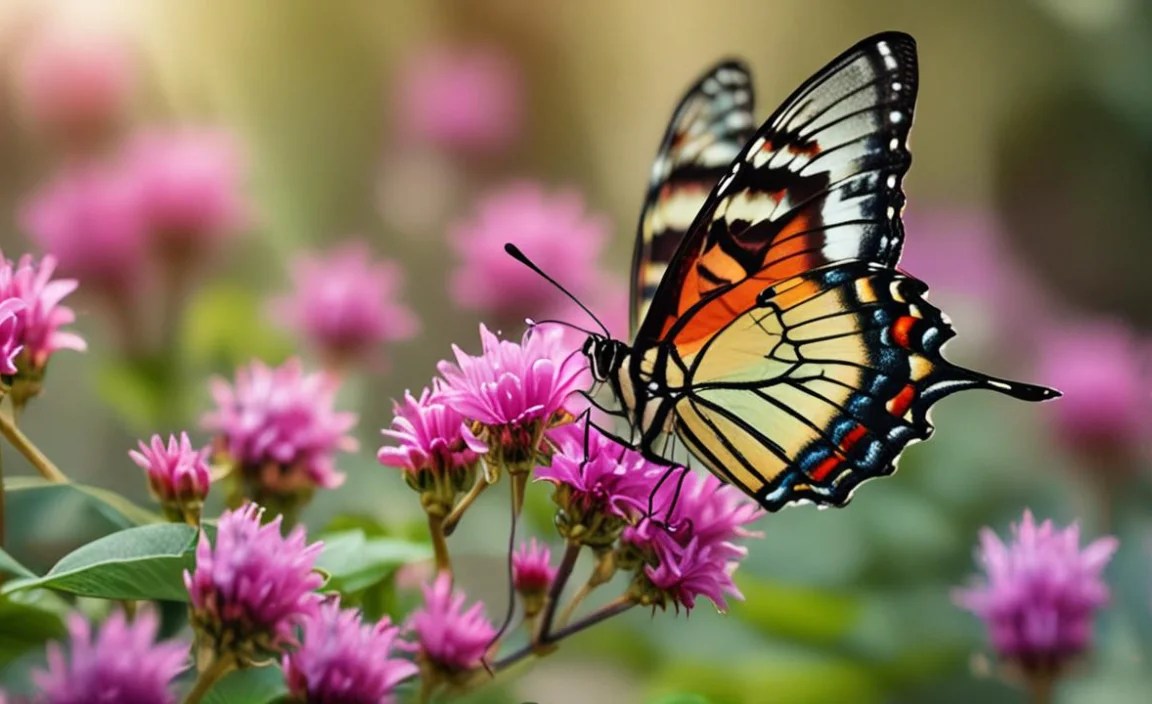
Once your butterfly garden is established, it’s important to maintain it to keep it thriving:
- Watering: Water regularly, especially during dry periods.
- Weeding: Remove weeds regularly to prevent them from competing with your plants.
- Deadheading: Remove spent flowers to encourage more blooms.
- Fertilizing: Fertilize your plants sparingly, if at all. Too much fertilizer can reduce nectar production.
- Pest Control: Avoid using pesticides, as they can harm butterflies and other beneficial insects. If you have pest problems, try using natural methods, such as hand-picking or introducing beneficial insects.
- Pruning: Prune your plants as needed to keep them healthy and attractive.
The Monarch Butterfly and Milkweed
The monarch butterfly is one of the most iconic butterflies in North America, known for its incredible migration. Unfortunately, monarch populations have declined dramatically in recent years due to habitat loss and other factors.
Milkweed is the only food source for monarch caterpillars. Without milkweed, monarchs cannot survive. Planting milkweed in your butterfly garden is one of the most important things you can do to help these amazing creatures.
There are many different species of milkweed, so choose one that is native to your region. Some popular choices include:
- Common Milkweed (Asclepias syriaca): A widespread species that is easy to grow.
- Butterfly Weed (Asclepias tuberosa): A colorful species with bright orange flowers.
- Swamp Milkweed (Asclepias incarnata): A moisture-loving species with pink flowers.
Be sure to plant enough milkweed to support a healthy population of monarch caterpillars. Remember, they will eat a lot!
Dealing with Pests and Problems
Even in the most carefully planned butterfly garden, you may encounter some pests or problems. Here are some common issues and how to deal with them:
| Problem | Solution |
|---|---|
| Aphids | Spray with a strong stream of water, or introduce ladybugs or lacewings. |
| Caterpillars eating too much | Remember, the caterpillars are supposed to eat the plants! If they’re defoliating a plant completely, you can move some caterpillars to another plant of the same species. |
| Disease | Remove and destroy infected plants. Improve air circulation and avoid overwatering. |
| Lack of butterflies | Make sure you have both nectar and host plants. Avoid using pesticides. Be patient – it may take time for butterflies to find your garden. |
Butterfly Garden Design Ideas
Need some inspiration? Here are a few butterfly garden design ideas:
- Cottage Garden: A charming and informal garden with a mix of colorful flowers, herbs, and vegetables.
- Wildflower Meadow: A naturalistic garden with a mix of native wildflowers and grasses.
- Formal Garden: A structured and symmetrical garden with carefully planned beds and borders.
- Container Garden: A small-space garden with plants grown in pots and containers.
No matter what style you choose, be sure to include plenty of nectar and host plants to attract butterflies.
Butterfly Identification
One of the most rewarding aspects of having a butterfly garden is identifying the different species that visit. Here are some common butterflies you might see in your garden:
| Butterfly | Description | Host Plant |
|---|---|---|
| Monarch (Danaus plexippus) | Orange with black veins and white spots. | Milkweed |
| Swallowtail (Various species) | Large butterflies with distinctive tails on their hindwings. Colors vary depending on the species. | Dill, parsley, fennel, spicebush |
| Painted Lady (Vanessa cardui) | Orange and brown with black spots. | Thistle, mallow |
| Cabbage White (Pieris rapae) | White with black spots. | Cabbage, broccoli, kale |
| Gulf Fritillary (Agraulis vanillae) | Bright orange with elongated wings. | Passionflower |
Use a butterfly field guide or online resources to help you identify the butterflies in your garden. Apps like iNaturalist are also great for identifying butterflies and other insects.
Resources for Butterfly Gardeners
Want to learn more about butterfly gardening? Here are some helpful resources:
- The Xerces Society: A non-profit organization dedicated to protecting invertebrates and their habitats. https://xerces.org/
- National Wildlife Federation: Offers resources on creating wildlife-friendly gardens. https://www.nwf.org/Garden-For-Wildlife
- Local Native Plant Societies: Provide information on native plants for your region.
- Your Local Extension Office: Offers gardening advice and resources specific to your area.
Butterfly Symbolism and Meaning
Butterflies have been admired for centuries, not only for their beauty but also for their symbolic meaning. In many cultures, butterflies represent transformation, hope, and new beginnings. Their metamorphosis from caterpillar to butterfly is a powerful symbol of change and growth.
Butterflies are also associated with the soul and the afterlife. In some cultures, they are believed to carry the spirits of the dead. Seeing a butterfly can be a sign of remembrance or a message from a loved one who has passed away.
Whether you appreciate them for their beauty, their ecological importance, or their symbolic meaning, butterflies are truly special creatures.
FAQ About Butterfly Gardens
1. What is the best time of year to start a butterfly garden?
The best time to start a butterfly garden is in the spring or fall, when the weather is mild and the plants have time to establish before the heat of summer or the cold of winter. However, you can plant container-grown plants throughout the growing season.
2. How much does it cost to start a butterfly garden?
The cost of starting a butterfly garden can vary depending on the size of the garden, the types of plants you choose, and whether you hire someone to help with the planting. You can start small and add more plants over time to keep costs down. Check local nurseries for sales and consider starting plants from seed.
3. How do I attract butterflies to my garden?
To attract butterflies to your garden, plant a variety of nectar and host plants. Provide sunshine, shelter, and a water source. Avoid using pesticides. Be patient – it may take time for butterflies to find your garden.
4. What if I don’t have a lot of space?
You don’t need a lot of space to create a butterfly garden. You can grow butterfly-friendly plants in containers on a balcony or patio. Even a small garden can make a big difference.
5. How can I protect butterflies from predators?
Provide shelter for butterflies with shrubs, trees, or tall grasses. Avoid using pesticides, which can harm butterflies and other beneficial insects. Encourage natural predators, such as birds and lizards, to visit your garden.
6. What are some good resources for learning more about butterflies?
The Xerces Society, National Wildlife Federation, and your local native plant society are all great resources for learning more about butterflies and butterfly gardening. There are also many books and websites dedicated to butterflies.
7. Can I use pesticides in my butterfly garden?
It is best to avoid using pesticides in your butterfly garden, as they can harm or kill butterflies and other beneficial insects. If you have pest problems, try using natural methods, such as hand-picking or introducing beneficial insects.
Conclusion
Creating a butterfly garden is a rewarding experience that brings beauty, joy, and ecological benefits to your life. By providing food and habitat for butterflies, you’re helping to support these amazing creatures and contribute to their conservation. So, get out there, plant some flowers, and watch your garden come to life with the flutter of wings. Happy gardening!