
Swallowtail Butterfly Egg Care: Easy Hatch Guide

Swallowtail butterfly egg care involves gently moving the eggs to a safe enclosure, providing fresh host plant leaves daily, maintaining proper humidity, and protecting them from predators. Once hatched, keep the caterpillars in a well-ventilated space with a constant supply of food until they’re ready to pupate.
Finding tiny, beautiful swallowtail butterfly eggs on your plants is exciting! You’ve stumbled upon a chance to witness one of nature’s most beautiful transformations. But what do you do now? How do you ensure these delicate eggs hatch into healthy caterpillars, and eventually, stunning swallowtail butterflies? Don’t worry; it’s easier than you think!
In this guide, I’ll walk you through each step of caring for swallowtail butterfly eggs, from safely collecting them to providing the perfect environment for hatching. We’ll cover everything you need to know to successfully raise these amazing creatures. Let’s get started and turn your garden into a butterfly paradise!
Understanding Swallowtail Butterfly Eggs

Before diving into the care process, let’s learn a bit about swallowtail butterfly eggs. Knowing what to expect will make caring for them much easier. These tiny treasures hold the key to a magical transformation.
What Do Swallowtail Butterfly Eggs Look Like?
Swallowtail butterfly eggs are usually small and round. Their color can vary depending on the species and how close they are to hatching.
- Color: Freshly laid eggs are often pale yellow or cream-colored. As they mature, they may turn darker, sometimes even black, indicating that the caterpillar is almost ready to hatch.
- Shape: They are typically round or slightly oval.
- Size: Swallowtail eggs are tiny, usually about 1-2 millimeters in diameter.
Where Do Swallowtails Lay Their Eggs?
Swallowtail butterflies are picky about where they lay their eggs. They choose specific host plants that will provide food for their caterpillars.
- Host Plants: Common host plants include dill, parsley, fennel, rue, and citrus trees, depending on the species of swallowtail.
- Location on Plant: They usually lay their eggs on the undersides of leaves or on stems. This protects the eggs from direct sunlight and some predators.
How Long Does It Take for Swallowtail Eggs to Hatch?
The incubation period for swallowtail eggs is relatively short. The climate and species will change the hatch time.
- Typical Hatch Time: Generally, swallowtail eggs hatch in about 3 to 7 days.
- Factors Affecting Hatch Time: Temperature and humidity play a big role. Warmer temperatures can speed up the process, while cooler temperatures may slow it down.
Materials Needed for Swallowtail Egg Care

Before you start collecting and caring for swallowtail eggs, make sure you have the necessary supplies. Having everything on hand will make the process smoother and more successful.
- Small Container: A plastic container or jar with a lid. Make sure to poke small holes in the lid for ventilation.
- Host Plant Clippings: Fresh leaves from the host plant where you found the eggs (e.g., dill, parsley, fennel).
- Paper Towels: To line the bottom of the container and absorb excess moisture.
- Spray Bottle: For misting the leaves and maintaining humidity.
- Soft Brush or Scissors: To carefully move the eggs without damaging them.
Step-by-Step Guide to Swallowtail Egg Care

Now that you know what to look for and have gathered your supplies, let’s get into the step-by-step process of caring for swallowtail eggs. Follow these steps carefully to give your eggs the best chance of hatching.
Step 1: Collecting the Eggs
The first step is to carefully collect the swallowtail eggs. Be gentle to avoid damaging them.
- Inspect the Host Plant: Check the leaves and stems of the host plant for eggs. Look closely, as they can be very small and well-camouflaged.
- Method 1: Moving the Leaf: If the egg is on a small, easily removable leaf, simply clip the leaf with clean scissors, being sure to leave at least an inch of stem.
- Method 2: Gently Moving the Egg: Use a soft brush to gently move the egg. Lightly brush underneath the egg to detach it from the leaf.
Step 2: Preparing the Egg Container
Next, you’ll need to prepare a suitable container for the eggs. This will be their home until they hatch.
- Clean the Container: Wash the container with mild soap and water, and dry it thoroughly. This helps prevent mold and bacteria growth.
- Line the Container: Place a slightly damp paper towel at the bottom of the container. This will help maintain humidity.
- Add Host Plant Clippings: Place the leaf with the egg (or the loose egg) inside the container. Add a few fresh clippings of the host plant for when the caterpillar hatches.
Step 3: Maintaining Humidity
Maintaining the right level of humidity is crucial for successful hatching. The eggs need moisture to prevent them from drying out.
- Misting: Use a spray bottle to lightly mist the leaves and the paper towel once or twice a day.
- Monitor Moisture Levels: The paper towel should be damp but not soaking wet. Adjust the amount of misting as needed.
Step 4: Providing Proper Ventilation
While humidity is important, proper ventilation is also necessary to prevent mold growth. Stale air can be harmful to the eggs.
- Ventilation Holes: Make sure the container has small ventilation holes in the lid. If it doesn’t, you can carefully poke a few holes with a pin or small nail.
- Avoid Overcrowding: Don’t put too many eggs in one container. Overcrowding can reduce air circulation and increase the risk of disease.
Step 5: Monitoring the Eggs
Regularly check on the eggs to monitor their progress and make sure they are healthy.
- Daily Checks: Check the eggs daily for any changes in color or condition.
- Look for Hatching Signs: As the eggs get closer to hatching, they will darken in color. You may even see the tiny caterpillar inside the egg just before it hatches.
- Remove Old Leaves: Replace the host plant clippings every day to ensure the caterpillars have fresh food once they hatch.
Caring for Newly Hatched Swallowtail Caterpillars

Once the eggs hatch, you’ll have tiny caterpillars to care for. These little guys have big appetites and need a constant supply of fresh food.
Providing Food
The most important thing for newly hatched caterpillars is a constant supply of fresh host plant leaves.
- Fresh Leaves: Replace the host plant leaves daily. Caterpillars eat a lot, so make sure they always have enough to eat.
- Water Source: Caterpillars get their moisture from the leaves, so misting the leaves also provides them with water.
- Avoid Pesticides: Make sure the leaves you provide are free from pesticides or other chemicals. These can be harmful to the caterpillars.
Maintaining a Clean Environment
A clean environment is essential for preventing disease and keeping your caterpillars healthy.
- Remove Frass: Caterpillars produce a lot of waste (called frass). Clean the container daily to remove the frass and prevent mold growth.
- Change Paper Towels: Replace the paper towel lining the bottom of the container every day to keep it clean and dry.
Protecting from Predators
Even indoors, caterpillars can be vulnerable to predators. Take steps to protect them from harm.
- Secure Enclosure: Make sure the container is securely closed to prevent other insects or pets from getting to the caterpillars.
- Avoid Direct Sunlight: Keep the container out of direct sunlight, which can overheat the caterpillars.
Troubleshooting Common Problems
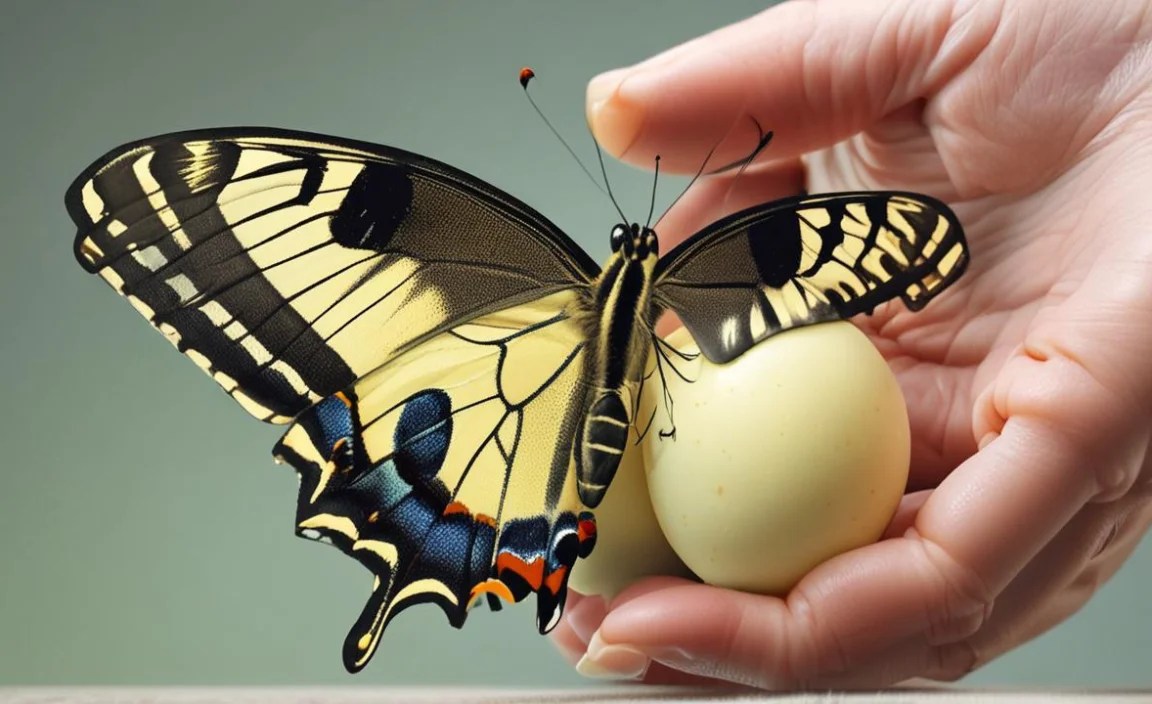
Even with the best care, you may encounter some problems while raising swallowtail butterflies. Here are some common issues and how to address them.
Eggs Not Hatching
If your swallowtail eggs are not hatching, there could be a few reasons why.
- Lack of Humidity: Make sure the eggs are getting enough moisture. Mist them regularly and keep the paper towel damp.
- Temperature: Ensure the temperature is warm enough. If it’s too cold, the eggs may take longer to hatch or may not hatch at all.
- Infertility: Sometimes, eggs are simply infertile. If none of the eggs hatch after a reasonable amount of time, they may not have been fertilized.
Caterpillars Dying
If your caterpillars are dying, it’s important to identify the cause and take action quickly.
- Lack of Food: Make sure the caterpillars always have enough fresh host plant leaves to eat.
- Disease: If the caterpillars are showing signs of disease (such as discoloration or lethargy), isolate them from the others and clean the container thoroughly.
- Pesticides: Ensure the leaves you are providing are free from pesticides or other chemicals.
Caterpillars Escaping
Caterpillars are escape artists! Make sure your enclosure is secure to prevent them from getting out.
- Secure Lid: Ensure the lid of the container is tightly closed.
- Check for Gaps: Inspect the container for any gaps or openings that the caterpillars could squeeze through.
Creating a Butterfly-Friendly Garden
Attracting swallowtail butterflies to your garden is a great way to ensure a continuous supply of eggs and caterpillars. Here are some tips for creating a butterfly-friendly habitat.
Planting Host Plants
The best way to attract swallowtail butterflies is to plant their favorite host plants.
- Dill, Parsley, Fennel: These are popular host plants for many swallowtail species.
- Citrus Trees: Some swallowtails, like the giant swallowtail, prefer citrus trees.
- Rue: This is a host plant for the anise swallowtail.
Providing Nectar Sources
In addition to host plants, butterflies need nectar sources for food.
- Butterfly Bush: This is a classic butterfly nectar plant.
- Zinnia: Zinnias are easy to grow and provide plenty of nectar.
- Lantana: Lantana is another great nectar source that blooms for a long time.
Avoiding Pesticides
Pesticides can be harmful to butterflies and caterpillars. Avoid using them in your garden.
- Organic Gardening: Use organic gardening practices to control pests and diseases.
- Handpicking: Remove pests by hand instead of using pesticides.
Different Swallowtail Species and Their Egg Care
While the basic principles of swallowtail egg care remain consistent, understanding the specific needs of different species can enhance your success. Here’s a look at some common swallowtail species and any unique care considerations they may require:
Eastern Black Swallowtail (Papilio polyxenes)
The Eastern Black Swallowtail is one of the most commonly raised swallowtails in North America. They are known for their preference for plants in the carrot family.
- Host Plants: Dill, parsley, fennel, carrot tops, and Queen Anne’s lace.
- Egg Appearance: The eggs are typically pale yellow when first laid, turning reddish-brown as they mature.
- Care Notes: Ensure a consistent supply of fresh host plants. These caterpillars can consume a lot of foliage, so frequent replenishment is necessary.
Giant Swallowtail (Papilio cresphontes)
The Giant Swallowtail is the largest butterfly in North America, and its caterpillars have a unique defense mechanism: they resemble bird droppings.
- Host Plants: Citrus trees (orange, lemon, grapefruit), prickly ash, and hop tree.
- Egg Appearance: The eggs are relatively large and creamy white to pale yellow.
- Care Notes: If raising them indoors, ensure adequate ventilation, as citrus leaves can contribute to moisture buildup. Also, be aware that these caterpillars can get quite large, so provide a spacious enclosure.
Tiger Swallowtail (Papilio glaucus)
Tiger Swallowtails are known for their striking yellow and black stripes. They are adaptable and can use a variety of host plants.
- Host Plants: Wild cherry, tulip tree, sweetbay magnolia, and birch.
- Egg Appearance: The eggs are round and green when first laid, gradually turning yellow.
- Care Notes: Tiger Swallowtail caterpillars can be sensitive to changes in humidity. Maintain a balanced environment with regular misting and good ventilation.
Pipevine Swallowtail (Battus philenor)
Pipevine Swallowtails are known for their iridescent blue-black wings and their reliance on pipevine plants.
- Host Plants: Pipevine (Aristolochia species).
- Egg Appearance: The eggs are reddish-orange and laid in clusters.
- Care Notes: These caterpillars are specifically adapted to feed on pipevine, which contains toxins that make them unpalatable to predators. Ensure that you only provide pipevine leaves, as they cannot survive on other plants.
Here is a comparison table for different swallowtail species:
| Species | Host Plants | Egg Appearance | Care Notes |
|---|---|---|---|
| Eastern Black Swallowtail | Dill, parsley, fennel | Pale yellow to reddish-brown | Needs a lot of fresh host plants |
| Giant Swallowtail | Citrus trees, prickly ash | Large, creamy white to pale yellow | Requires adequate ventilation |
| Tiger Swallowtail | Wild cherry, tulip tree | Round, green to yellow | Sensitive to humidity changes |
| Pipevine Swallowtail | Pipevine | Reddish-orange, laid in clusters | Only provide pipevine leaves |
Advanced Tips for Swallowtail Egg Care
Once you’ve mastered the basics of swallowtail egg care, consider these advanced tips to further enhance your success and enjoyment.
Timing Releases for Better Survival Rates
When raising swallowtail butterflies for release, timing can significantly impact their survival. Consider the following:
- Weather Conditions: Release butterflies on warm, sunny days with little to no wind. Avoid releasing them during rain or when storms are expected.
- Time of Day: Early to mid-morning is generally the best time for release. This gives the butterflies ample time to acclimate to their surroundings and find nectar sources before nightfall.
- Availability of Resources: Ensure that there are nectar-rich flowers in your garden or nearby area to provide the newly released butterflies with food.
Creating a Naturalistic Enclosure
For a more enriching rearing experience, consider creating a naturalistic enclosure that mimics the butterflies’ natural habitat:
- Live Plants: Incorporate potted host plants and nectar plants into the enclosure. This provides a more natural food source and habitat for the caterpillars and butterflies.
- Branches and Perches: Add branches or twigs for the caterpillars to climb on and for the butterflies to perch on once they emerge.
- Water Source: Provide a shallow dish of water with pebbles or marbles for the butterflies to drink from.
Documenting and Sharing Your Experiences
Raising swallowtail butterflies can be a rewarding learning experience. Consider documenting your journey and sharing it with others:
- Journaling: Keep a journal to record your observations, challenges, and successes. This can be a valuable resource for future rearing endeavors.
- Photography: Capture the different stages of the butterfly life cycle through photography. This can be a great way to share your experiences with others and educate them about butterfly conservation.
- Community Engagement: Join local butterfly or gardening groups to share your knowledge and learn from others. You can also share your experiences on social media to inspire others to get involved in butterfly conservation.
FAQ About Swallowtail Butterfly Egg Care
How do I know if a swallowtail egg is fertile?
Fertile swallowtail eggs usually change color as they develop, often darkening. If an egg stays the same color for an extended period, it might be infertile, but give it time before discarding it.
Can I move swallowtail eggs from one plant to another?
Yes, you can! Gently move the leaf with the egg to a new plant of the same type. If the egg is detached, carefully place it on a leaf of the host plant.
What do I do if the host plant runs out?
If you run out of the host plant, try to find a substitute from the same plant family. For example, if you run out of dill, parsley or fennel might work for black swallowtail caterpillars.
How often should I clean the caterpillar container?
Clean the container daily to remove caterpillar droppings (frass) and old leaves. This helps prevent mold and disease.
Is it safe to touch swallowtail caterpillars?
It’s best to avoid touching caterpillars unless necessary. If you need to move one, gently use a soft brush or leaf to coax it onto your hand.
What do I do with the chrysalis (pupa)?
Leave the chrysalis undisturbed in a well-ventilated area. Mist it lightly with water occasionally to maintain humidity. Avoid direct sunlight.
How long does it take for a swallowtail butterfly to emerge from the chrysalis?
It usually takes about 10 to 14 days for a swallowtail butterfly to emerge from the chrysalis. Be patient and watch for signs of the butterfly getting ready to emerge, such as the chrysalis becoming transparent.
Conclusion
Caring for swallowtail butterfly eggs is a rewarding experience that allows you to witness the miracle of metamorphosis up close. By following these steps, you can provide the perfect environment for these delicate creatures to thrive.
From collecting the eggs to releasing the butterflies, each step is an opportunity to learn and appreciate the beauty of nature. So, get out there, find some swallowtail eggs, and start your own butterfly-raising adventure! You’ll not only be helping to support these amazing insects but also creating a beautiful and vibrant garden for yourself and others to enjoy. Happy butterflying!


