
Online Butterfly Database: Your FREE ID Guide

Looking for a reliable online butterfly database? You’re in luck! These digital resources offer a treasure trove of information, from species identification and life cycle details to habitat ranges and conservation status. Many databases also include stunning photos and distribution maps. These tools can help you identify butterflies in your backyard, track sightings, contribute to citizen science, and learn more about these beautiful creatures. Dive in and explore the wonderful world of butterflies!
Have you ever spotted a butterfly in your garden and wondered what kind it was? Or perhaps you’re curious about the incredible journey of monarch migration? Finding accurate and trustworthy information about butterflies can sometimes feel like chasing a fluttering butterfly – a bit elusive! But don’t worry, you’re not alone.
This guide will show you how to navigate the world of online butterfly databases. We’ll explore the best resources, explain how to use them effectively, and show you how these databases can help you become a butterfly expert in no time. Get ready to spread your wings and discover the fascinating world of butterflies!
What is an Online Butterfly Database?
An online butterfly database is a comprehensive digital resource that compiles information about various butterfly species. Think of it as a virtual encyclopedia dedicated solely to butterflies! These databases typically include:
- Species identification: Detailed descriptions, photos, and distinguishing characteristics to help you identify different butterfly species.
- Life cycle information: Explanations of each stage of a butterfly’s life, from egg to larva (caterpillar) to pupa (chrysalis) to adult.
- Habitat and distribution: Information on where different butterfly species live, including geographic ranges and preferred habitats.
- Ecology and behavior: Insights into butterfly feeding habits, mating rituals, migration patterns, and interactions with other species.
- Conservation status: Details on whether a particular species is threatened, endangered, or of special concern.
Why Use an Online Butterfly Database?
Online butterfly databases offer numerous benefits for both casual observers and serious researchers:
- Easy Identification: Quickly identify butterflies you encounter in your garden or while hiking.
- Educational Resource: Learn about butterfly biology, ecology, and conservation.
- Citizen Science: Contribute your own butterfly sightings to help scientists track populations and distributions.
- Conservation Efforts: Understand the threats facing butterflies and how you can help protect them.
- Research Tool: Access scientific data and research findings for academic or personal projects.
Top Online Butterfly Databases to Explore
Here are some of the most reputable and comprehensive online butterfly databases:
1. Butterflies and Moths of North America (BAMONA)
BAMONA is a fantastic resource for identifying and learning about butterflies and moths found in North America. It’s a project of the Butterfly and Moth Information Network and offers detailed species accounts, photos, and distribution maps. This is a great starting point for anyone interested in North American butterflies.
- Pros: Extensive coverage of North American species, user-friendly interface, citizen science component.
- Cons: Primarily focused on North America.
2. The Butterfly Site
The Butterfly Site offers a wealth of information about butterfly species from around the world. With detailed descriptions, photos, and videos, it’s a valuable resource for butterfly enthusiasts of all levels.
- Pros: Global coverage, detailed information, beautiful photos.
- Cons: Can be overwhelming due to the sheer amount of information.
3. iNaturalist
iNaturalist is a popular citizen science platform where you can record your observations of plants and animals, including butterflies. The iNaturalist community helps identify your observations and provides valuable data for researchers. It’s a great way to contribute to scientific knowledge while learning about the natural world.
- Pros: User-friendly mobile app, large and active community, real-time identification assistance.
- Cons: Identification accuracy depends on community expertise.
4. BugGuide.Net
BugGuide.Net is an online community dedicated to identifying insects, spiders, and other arthropods. While not exclusively focused on butterflies, it contains a wealth of information and images that can be helpful for identification. The site is maintained by experts and enthusiasts, making it a reliable source of information.
- Pros: Broad coverage of insects, expert-verified identifications, extensive image library.
- Cons: Can be challenging to navigate if you’re only interested in butterflies.
5. European Butterflies
For those interested in European butterflies, the European Butterflies website is an excellent resource. It provides information on species identification, distribution, and ecology, with a focus on conservation. It’s a valuable tool for anyone studying or simply admiring the butterflies of Europe.
- Pros: Comprehensive coverage of European species, conservation-focused information, detailed distribution maps.
- Cons: Limited to European butterflies.
How to Use an Online Butterfly Database: A Step-by-Step Guide

Using an online butterfly database is easier than you might think! Here’s a step-by-step guide to help you get started:
Step 1: Choose a Database
Select a database that aligns with your interests and geographic location. For example, if you live in North America, BAMONA or iNaturalist might be good choices. If you’re interested in global butterfly diversity, The Butterfly Site or BugGuide.Net could be more suitable.
Step 2: Navigate the Interface
Most butterfly databases have a user-friendly interface with clear navigation. Look for search bars, species lists, and interactive maps. Take some time to familiarize yourself with the different sections and features.
Step 3: Search for a Butterfly
There are several ways to search for a butterfly in a database:
- By Name: If you know the common or scientific name of the butterfly, simply type it into the search bar.
- By Region: Use the interactive maps to explore butterflies found in specific geographic areas.
- By Characteristics: Some databases allow you to search by physical characteristics, such as color, size, or wing pattern.
Step 4: Examine the Species Account
Once you’ve found a butterfly of interest, click on its name to access the species account. This page will typically include:
- Photos: High-quality images of the butterfly in different life stages.
- Description: Detailed information about the butterfly’s appearance, size, and distinguishing features.
- Habitat: Information on the butterfly’s preferred habitats, such as forests, meadows, or gardens.
- Range: A map showing the geographic distribution of the butterfly.
- Life Cycle: An explanation of the butterfly’s life cycle, from egg to adult.
- Food: Information on the butterfly’s food sources, both as a caterpillar and as an adult.
Step 5: Contribute Your Observations (Optional)
Many butterfly databases, such as iNaturalist and BAMONA, allow you to contribute your own butterfly sightings. This is a great way to participate in citizen science and help researchers track butterfly populations and distributions. To contribute, you’ll typically need to create an account and submit your observations along with photos and location data.
Tips for Accurate Butterfly Identification
Identifying butterflies can be challenging, especially for beginners. Here are some tips to help you improve your identification skills:
- Observe Carefully: Pay close attention to the butterfly’s size, shape, color, and wing pattern.
- Take Photos: Capture clear photos of the butterfly from different angles.
- Note the Location: Record the date and location of your sighting, as this can help narrow down the possibilities.
- Compare to Images: Compare your photos to images in online butterfly databases and field guides.
- Consult Experts: If you’re unsure of an identification, ask for help from experts in online forums or local butterfly clubs.
The Importance of Butterfly Conservation

Butterflies are not only beautiful creatures, but they also play a vital role in our ecosystem. They are important pollinators, helping to fertilize plants and maintain biodiversity. Unfortunately, many butterfly species are facing threats such as habitat loss, pesticide use, and climate change.
By using online butterfly databases, you can learn more about the conservation status of different species and how you can help protect them. Here are some ways to contribute to butterfly conservation:
- Plant a Butterfly Garden: Create a butterfly-friendly habitat in your backyard by planting native flowers and host plants.
- Avoid Pesticides: Use organic gardening practices to protect butterflies and other beneficial insects.
- Support Conservation Organizations: Donate to organizations that are working to protect butterfly habitats and promote conservation. The Xerces Society for Invertebrate Conservation is a great example.
- Educate Others: Share your knowledge and passion for butterflies with friends, family, and community members.
Understanding Butterfly Habitats
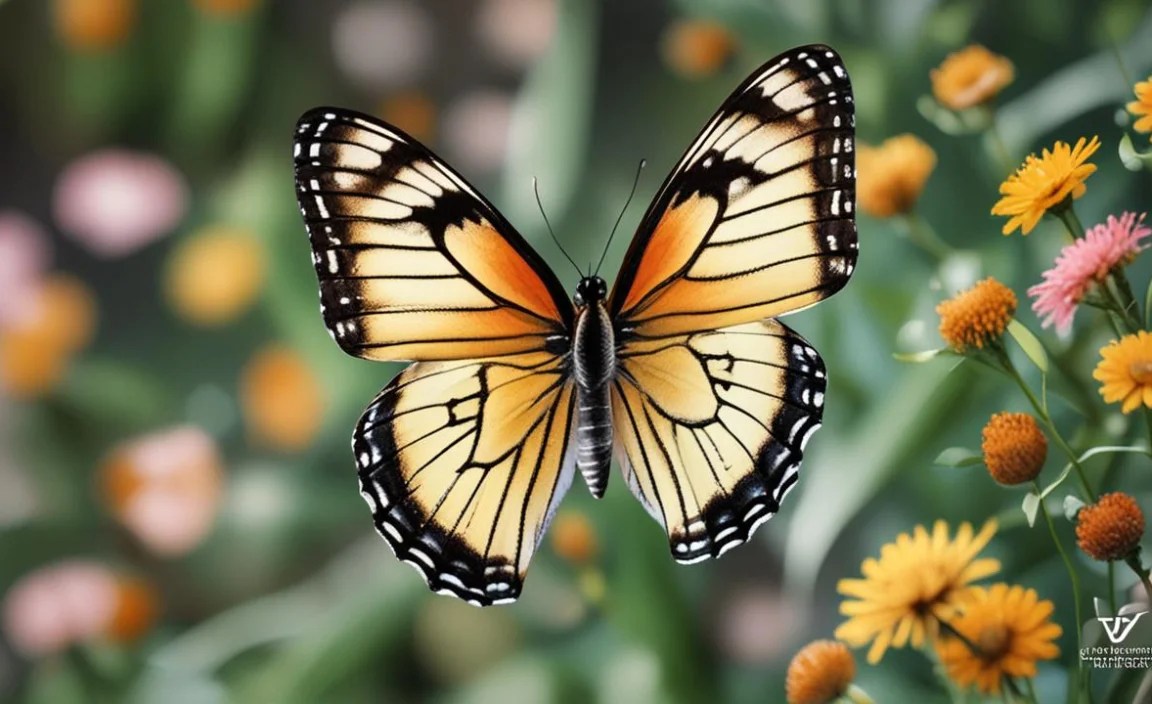
Butterflies are very particular about where they live. Understanding their habitat needs is crucial for conservation efforts and attracting these beautiful creatures to your garden. Here’s a quick guide:
| Habitat Type | Characteristics | Butterfly Species Commonly Found |
|---|---|---|
| Meadows and Prairies | Open areas with plenty of wildflowers, grasses, and sunlight. | Monarchs, Swallowtails, Fritillaries |
| Forests and Woodlands | Areas with trees providing shade and shelter, plus understory plants. | Admirals, Wood-Nymphs, Anglewings |
| Gardens | Cultivated areas with a variety of flowering plants and host plants. | Painted Ladies, Cabbage Whites, Sulphurs |
| Wetlands and Marshes | Areas with moist soil and aquatic vegetation. | Swamp Metalmarks, Coppers, Skippers |
Attracting Butterflies to Your Garden
Want to turn your garden into a butterfly haven? Here’s how:
- Plant Host Plants: These are plants that caterpillars feed on. For example, Monarch caterpillars eat milkweed.
- Provide Nectar Sources: Plant a variety of flowering plants that provide nectar for adult butterflies.
- Offer Shelter: Provide shrubs and trees for butterflies to rest and hide from predators.
- Provide Water: Butterflies need water, so provide a shallow dish with water and pebbles for them to land on.
- Avoid Pesticides: Pesticides can harm or kill butterflies, so avoid using them in your garden.
Butterfly Life Cycle Stages
Understanding the butterfly life cycle can deepen your appreciation for these insects. Here’s a breakdown:
| Stage | Description | Duration |
|---|---|---|
| Egg | Small, often laid on a host plant. | 3-7 days |
| Larva (Caterpillar) | Feeding stage, molts several times as it grows. | 2-4 weeks |
| Pupa (Chrysalis) | Transformation stage, inside a protective shell. | 1-2 weeks |
| Adult Butterfly | Reproductive stage, feeds on nectar and mates. | 2 weeks to several months |
Butterfly Migration
Some butterfly species, like the Monarch, undertake incredible migrations. These journeys are influenced by factors like temperature, food availability, and breeding opportunities. Monarchs, for example, travel thousands of miles from Canada and the United States to overwinter in Mexico.
Symbolism and Cultural Significance of Butterflies
Butterflies have long held symbolic meaning in various cultures around the world:
- Transformation: Represents change, metamorphosis, and personal growth.
- Hope: Symbolizes optimism, resilience, and the beauty of life.
- Soul: Often associated with the human soul or spirit.
- Beauty: Admired for their vibrant colors and delicate wings.
FAQ about Online Butterfly Databases
Here are some frequently asked questions about using online butterfly databases:
1. What is the best online butterfly database for beginners?
For beginners, Butterflies and Moths of North America (BAMONA) is an excellent choice due to its user-friendly interface and focus on North American species. iNaturalist is also great for getting help identifying butterflies from the community.
2. Can I use a butterfly database on my smartphone?
Yes, many butterfly databases, such as iNaturalist, have mobile apps that allow you to record and identify butterflies in the field. The BAMONA website is mobile-friendly as well.
3. How accurate is the information in online butterfly databases?
The accuracy of information varies depending on the database. Reputable databases like BAMONA and BugGuide.Net are maintained by experts and enthusiasts, ensuring a high level of accuracy. However, it’s always a good idea to cross-reference information from multiple sources.
4. How can I contribute to butterfly conservation through online databases?
You can contribute by submitting your butterfly sightings to databases like iNaturalist and BAMONA. These observations provide valuable data for researchers and conservationists.
5. Are there any butterfly databases specifically for European species?
Yes, the European Butterflies website is a great resource for information on European butterfly species.
6. What should I do if I find conflicting information about a butterfly in different databases?
If you find conflicting information, consult additional sources such as field guides, scientific publications, and expert opinions. You can also reach out to butterfly experts in online forums or local butterfly clubs for clarification.
7. How can I use a butterfly database to create a butterfly garden?
Use the database to identify the host plants and nectar sources for the butterfly species you want to attract to your garden. Plant these plants in your garden to provide food and shelter for butterflies.
Conclusion
Online butterfly databases are powerful tools for learning about and appreciating these incredible creatures. Whether you’re a beginner or an experienced naturalist, these resources can help you identify butterflies, understand their life cycles, and contribute to their conservation. So, go ahead, explore the world of online butterfly databases and unlock the secrets of these beautiful winged wonders. Every sighting, every contribution, helps paint a clearer picture of our natural world and supports the future of butterfly conservation. Happy butterflying!


