
Butterfly Species in Mexico Border Region: Ultimate Guide

Did you know butterflies can be different colors? Have you ever seen a butterfly in your backyard? Butterflies are pretty insects. They fly around and drink nectar from flowers. The ***butterfly species in Mexico border region*** are very special. Let’s learn more about them.
Key Takeaways
- Many different kinds of butterflies live near the Mexico border.
- Some butterflies migrate, traveling long distances every year.
- Protecting habitats helps ***butterfly species in Mexico border region*** survive.
- Butterflies need specific plants to lay eggs and feed their young.
- You can help butterflies by planting flowers in your garden.
Discovering Butterfly Diversity
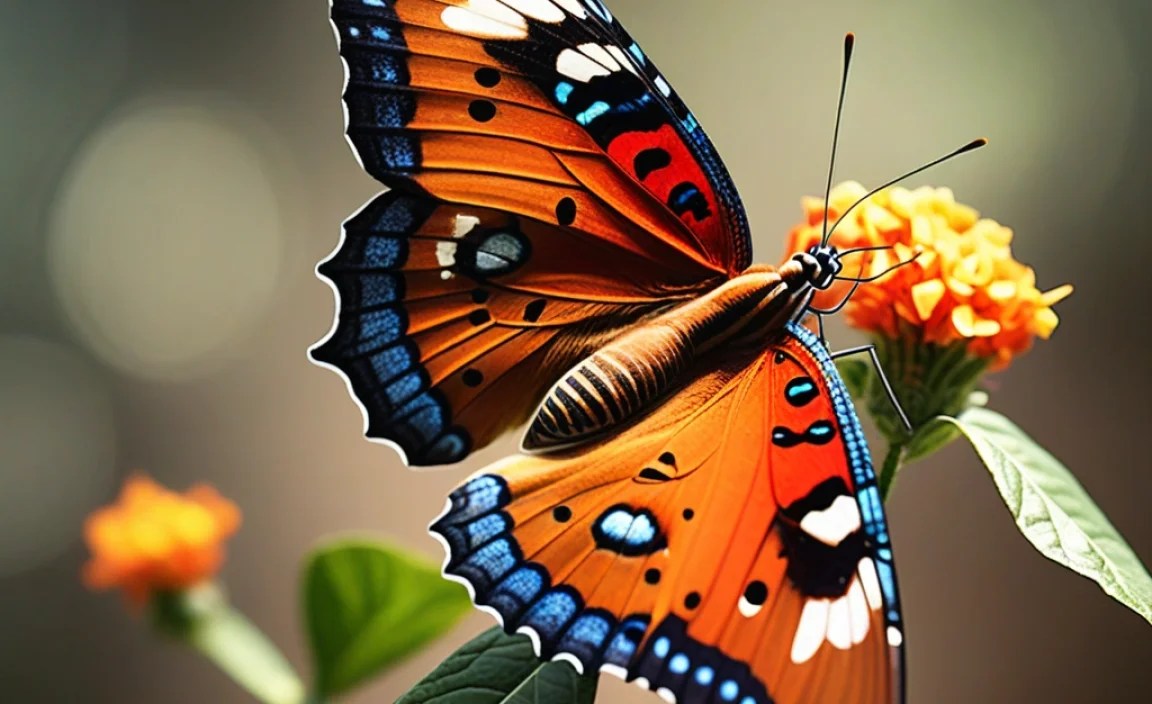
The Mexico border region is home to many butterflies. This area has different habitats. There are deserts, mountains, and forests. These habitats support many butterfly species. Some butterflies are small and colorful. Others are big and have unique patterns. Scientists study these butterflies. They want to know how they live. They also want to protect them. The Mexico border region is important for butterfly conservation. Many people enjoy watching butterflies. It is a fun and easy way to connect with nature. Learning about butterflies can teach us about the environment. We can all help to protect these beautiful creatures.
- Butterflies need food to survive.
- They lay their eggs on plants.
- Butterflies can be different sizes.
- Some butterflies are rare.
- You can find butterflies in gardens.
Butterflies play an important role in the ecosystem. They help pollinate flowers. This means they help plants make seeds. When butterflies drink nectar, they carry pollen. Pollen is a yellow powder. It helps plants reproduce. Butterflies are also food for other animals. Birds, lizards, and spiders eat butterflies. Butterfly conservation is important for the environment. We need to protect their habitats. We can also plant flowers that butterflies like. This will help them thrive. Learning about butterflies can help us understand nature better.
Why are Butterflies Important?
Have you ever wondered why butterflies matter? Butterflies are more than just pretty insects. They help our environment. Butterflies pollinate flowers. This helps plants grow. Plants give us food and clean air. Butterflies are also part of the food chain. Birds and other animals eat them. If we lose butterflies, it can affect the whole ecosystem. We need to protect butterfly habitats. This means protecting the places where they live and feed. We can also plant flowers that butterflies like. This will help them survive and thrive. Every small action can make a big difference for butterflies.
What is Butterfly Conservation?
Butterfly conservation means protecting butterflies and their homes. Why is this important? Butterflies are facing many threats. They can lose their homes because of construction. They can also be harmed by pollution. Climate change is also a problem. It can change the plants that butterflies need. Butterfly conservation involves many things. It means protecting butterfly habitats. It also means planting butterfly-friendly gardens. Scientists study butterflies to learn how to help them. Everyone can help with butterfly conservation. We can learn about butterflies and spread the word.
How Can We Help Butterflies?
Want to help butterflies? It’s easier than you think! You can start by planting a butterfly garden. Choose flowers that butterflies love. Some good choices are milkweed, zinnias, and butterfly bushes. Avoid using pesticides in your garden. These chemicals can harm butterflies. Provide a water source for butterflies. A shallow dish with water and pebbles works well. Learn about the butterflies in your area. Share what you learn with others. Support organizations that protect butterfly habitats. Every little bit helps! Together, we can make a big difference for butterflies.
Fun Fact or Stat: Some butterfly species can fly over 3,000 miles during migration!
Unique Butterfly Habitats

The butterfly species in Mexico border region live in different places. Some live in deserts with little water. Others live in mountains with tall trees. Some live in forests with many plants. Each habitat has its own challenges. Butterflies must adapt to these conditions. Desert butterflies can survive in hot and dry weather. Mountain butterflies can handle cold temperatures. Forest butterflies can find food in the shade. Protecting these habitats is important. It helps butterflies survive. Habitat conservation is a key part of protecting butterflies. We need to keep these places safe for butterflies to live.
- Deserts are hot and dry.
- Mountains are cold and high.
- Forests are shady and full of plants.
- Butterflies adapt to their habitats.
- Protecting habitats helps butterflies.
Butterflies need specific plants to survive. These plants provide food for caterpillars. They also provide nectar for adult butterflies. Some butterflies only eat one type of plant. If that plant disappears, the butterfly can disappear too. This is why habitat conservation is so important. We need to protect the plants that butterflies need. We can also plant these plants in our gardens. This will help butterflies find food. Learning about butterfly habitats can help us protect them. We can all do our part to help butterflies survive.
What is a Desert Habitat?
Imagine a place with hot sun and little rain. This is a desert habitat. Some butterflies can live here. They have special ways to survive. Desert butterflies can fly fast. They can find water in small places. They can also hide from the sun. Desert plants are also important. They provide food and shelter for butterflies. Protecting desert habitats is important. It helps these butterflies survive. We need to be careful not to damage these fragile places. Learning about desert butterflies can help us protect them.
What is a Mountain Habitat?
Think of a high place with cold air and tall trees. This is a mountain habitat. Some butterflies can live here too. They can handle cold temperatures. They can also fly in strong winds. Mountain plants are different from desert plants. They can survive in cold weather. They provide food for butterflies. Protecting mountain habitats is important. It helps these butterflies survive. We need to keep these places clean and safe. Learning about mountain butterflies can help us protect them.
What is a Forest Habitat?
Picture a shady place with lots of trees and plants. This is a forest habitat. Many butterflies live here. They can find food and shelter in the trees. Forest plants provide nectar and leaves for butterflies. The forest floor is also important. It provides a place for caterpillars to grow. Protecting forest habitats is important. It helps these butterflies survive. We need to prevent deforestation. We can also plant trees to help butterflies. Learning about forest butterflies can help us protect them.
Fun Fact or Stat: Some butterflies can taste with their feet!
Caterpillar Food Sources
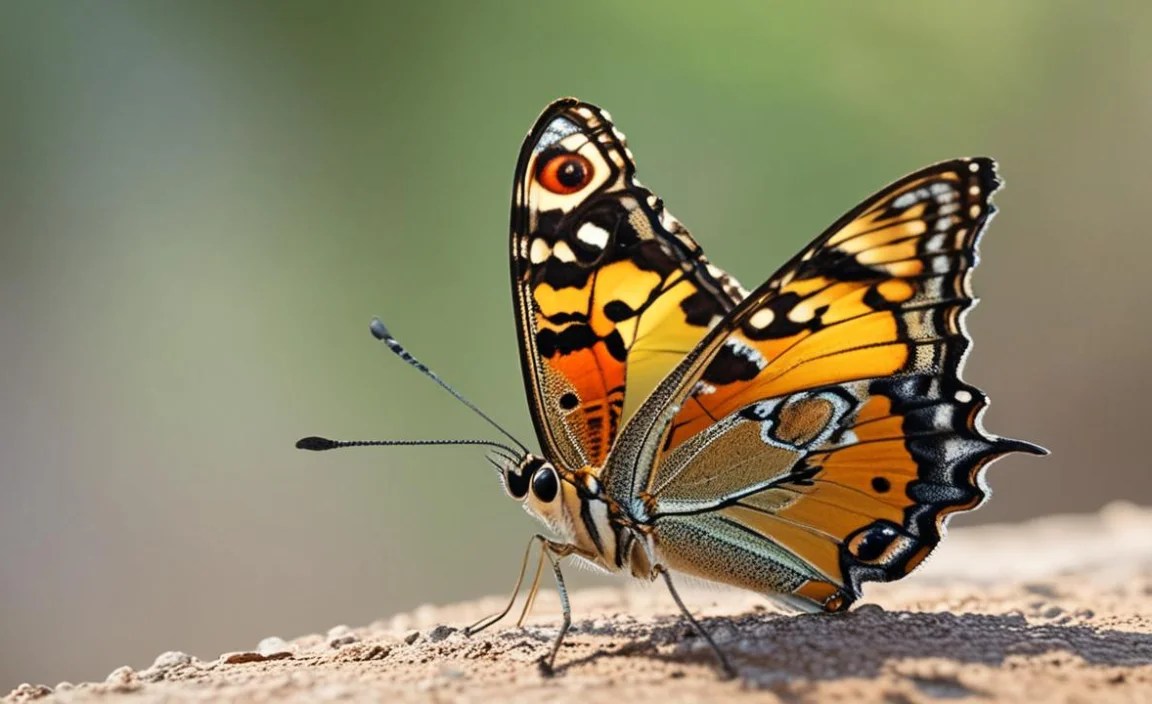
Caterpillars need food to grow. They eat leaves from plants. Different butterfly species eat different plants. Some caterpillars only eat one type of plant. This is called a host plant. If the host plant disappears, the caterpillar cannot survive. Milkweed is a host plant for monarch butterflies. Swallowtail butterflies eat citrus leaves. Planting host plants in your garden can help butterflies. It gives caterpillars the food they need. Learning about caterpillar food sources is important. It helps us protect butterflies. We can all plant host plants in our gardens.
- Caterpillars eat leaves.
- Some eat only one type of plant.
- Milkweed is for monarch butterflies.
- Swallowtails eat citrus leaves.
- Planting host plants helps.
Protecting caterpillar food sources is important. It helps butterflies survive. We need to make sure that host plants are available. We can do this by protecting habitats. We can also plant host plants in our gardens. Avoid using pesticides on host plants. These chemicals can harm caterpillars. Learn about the host plants in your area. Plant them in your garden. This will help butterflies thrive. Every little bit helps. Together, we can make a big difference for butterflies.
What is a Host Plant?
A host plant is a plant that a caterpillar eats. It is the only food that some caterpillars can eat. Without a host plant, the caterpillar cannot survive. Monarch butterflies need milkweed. Black swallowtail butterflies need parsley or dill. Queen butterflies need milkweed vine. Planting host plants is a great way to help butterflies. It gives caterpillars the food they need to grow into butterflies. Learn about the host plants in your area. Plant them in your garden. This will help butterflies thrive.
Why is Milkweed Important?
Milkweed is very important for monarch butterflies. It is the only plant that monarch caterpillars eat. Without milkweed, monarch butterflies cannot survive. Monarch butterflies lay their eggs on milkweed plants. When the eggs hatch, the caterpillars eat the milkweed leaves. Milkweed also provides nectar for adult monarch butterflies. Planting milkweed in your garden can help monarch butterflies. It gives them a place to lay their eggs and food for their caterpillars. Milkweed is a vital plant for monarch butterfly conservation.
How Can I Find Host Plants?
Finding host plants is easy. You can ask at your local garden center. They can help you find plants that are native to your area. You can also look online. There are many websites that list host plants for different butterflies. Look for plants that are easy to grow. Choose plants that are native to your area. This will help them thrive. Plant a variety of host plants. This will attract different types of butterflies. Enjoy watching the caterpillars eat the leaves and grow into butterflies.
Fun Fact or Stat: Butterflies use their antennae to smell!
Butterfly Migration Patterns
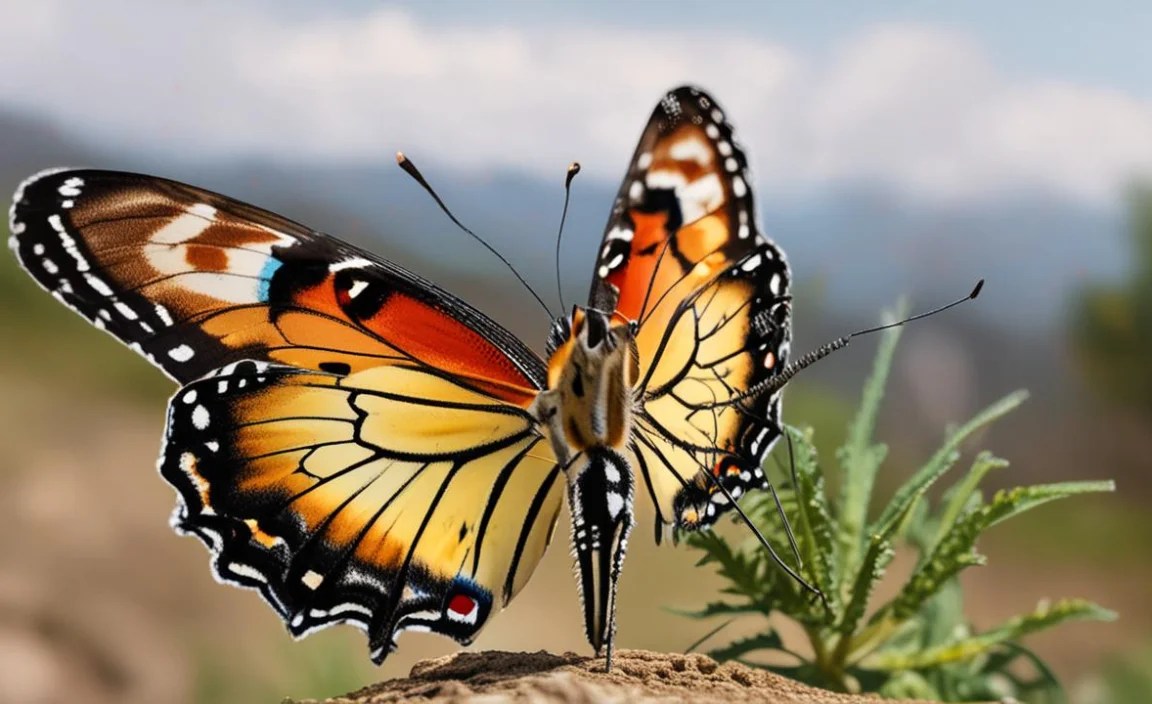
Some butterfly species migrate. This means they travel long distances. They move from one place to another. They do this to find food or better weather. Monarch butterflies are famous for their migration. They travel thousands of miles. They fly from Canada and the United States to Mexico. They spend the winter in Mexico. Then they fly back north in the spring. Other butterflies also migrate. Painted lady butterflies migrate across continents. Learning about butterfly migration is fascinating. It shows how strong and adaptable butterflies are.
- Butterflies migrate to find food.
- They also migrate to find better weather.
- Monarch butterflies migrate to Mexico.
- Painted ladies migrate across continents.
- Migration shows how strong they are.
Understanding butterfly migration is important. It helps us protect them. We need to protect their migration routes. This means protecting the places where they stop to rest and feed. We also need to protect their wintering grounds. These are the places where they spend the winter. Climate change can affect butterfly migration. It can change the timing of their migration. It can also change the places where they can live. We need to take action to reduce climate change. This will help butterflies survive.
Why Do Butterflies Migrate?
Butterflies migrate for many reasons. One reason is to find food. They may fly to places where there are more flowers. Another reason is to find better weather. They may fly to warmer places in the winter. They may also fly to cooler places in the summer. Migration is a way for butterflies to survive. It allows them to find the resources they need to live. Monarch butterflies migrate to escape the cold winters in Canada and the United States. They fly to Mexico where it is warmer.
How Far Do Butterflies Migrate?
Butterflies can migrate very long distances. Monarch butterflies travel thousands of miles. They fly from Canada and the United States to Mexico. This is one of the longest migrations of any insect. Painted lady butterflies also migrate long distances. They can fly across continents. Other butterflies migrate shorter distances. They may only fly a few miles. The distance that a butterfly migrates depends on the species. It also depends on the weather and the availability of food.
How Can We Protect Migrating Butterflies?
Protecting migrating butterflies is important. We can do this by protecting their habitats. We need to protect the places where they stop to rest and feed. We also need to protect their wintering grounds. We can also plant flowers that butterflies like. This will give them food during their migration. Avoid using pesticides in areas where butterflies migrate. These chemicals can harm butterflies. Support organizations that protect butterfly habitats. Every little bit helps. Together, we can make a big difference for migrating butterflies.
Fun Fact or Stat: Monarch butterflies can fly up to 80 miles in a single day!
Threats to Butterfly Populations

Butterfly populations are facing many threats. Habitat loss is a big problem. When forests and fields are cleared for development, butterflies lose their homes. Pesticides can also harm butterflies. These chemicals can kill butterflies and caterpillars. Climate change is another threat. It can change the plants that butterflies need. It can also change the timing of their migration. Pollution can also harm butterflies. It can pollute their food and water. Protecting butterfly populations is important. We need to address these threats to help butterflies survive.
- Habitat loss is a big threat.
- Pesticides can harm butterflies.
- Climate change is also a threat.
- Pollution can harm butterflies.
- Protecting butterflies is important.
We can all help to protect butterfly populations. We can plant butterfly-friendly gardens. We can avoid using pesticides. We can support organizations that protect butterfly habitats. We can also educate others about the importance of butterflies. By working together, we can make a difference. We can help butterflies thrive. Protecting butterflies is important for the environment. They help pollinate flowers. They are also food for other animals. We need to protect these beautiful creatures.
What is Habitat Loss?
Habitat loss is when butterflies lose their homes. This can happen when forests are cut down. It can also happen when fields are paved over. When butterflies lose their homes, they have nowhere to live. They cannot find food or shelter. Habitat loss is a major threat to butterfly populations. We need to protect butterfly habitats. We can do this by supporting conservation organizations. We can also plant trees and create butterfly gardens. Every little bit helps.
How Do Pesticides Harm Butterflies?
Pesticides are chemicals that kill insects. They are used to protect crops and gardens. However, pesticides can also harm butterflies. They can kill butterflies directly. They can also kill caterpillars. Pesticides can also pollute butterfly food and water. Using pesticides can have a big impact on butterfly populations. We should avoid using pesticides. We can use other methods to control pests. We can also plant flowers that attract beneficial insects.
How Does Climate Change Affect Butterflies?
Climate change is a major threat to butterfly populations. It can change the plants that butterflies need. It can also change the timing of their migration. Climate change can cause droughts and floods. These events can destroy butterfly habitats. Butterflies are very sensitive to changes in temperature. Even small changes in temperature can affect them. We need to take action to reduce climate change. This will help butterflies survive. We can reduce our carbon footprint. We can also support policies that protect the environment.
Fun Fact or Stat: There are over 20,000 different species of butterflies in the world!
Helping Butterfly Conservation
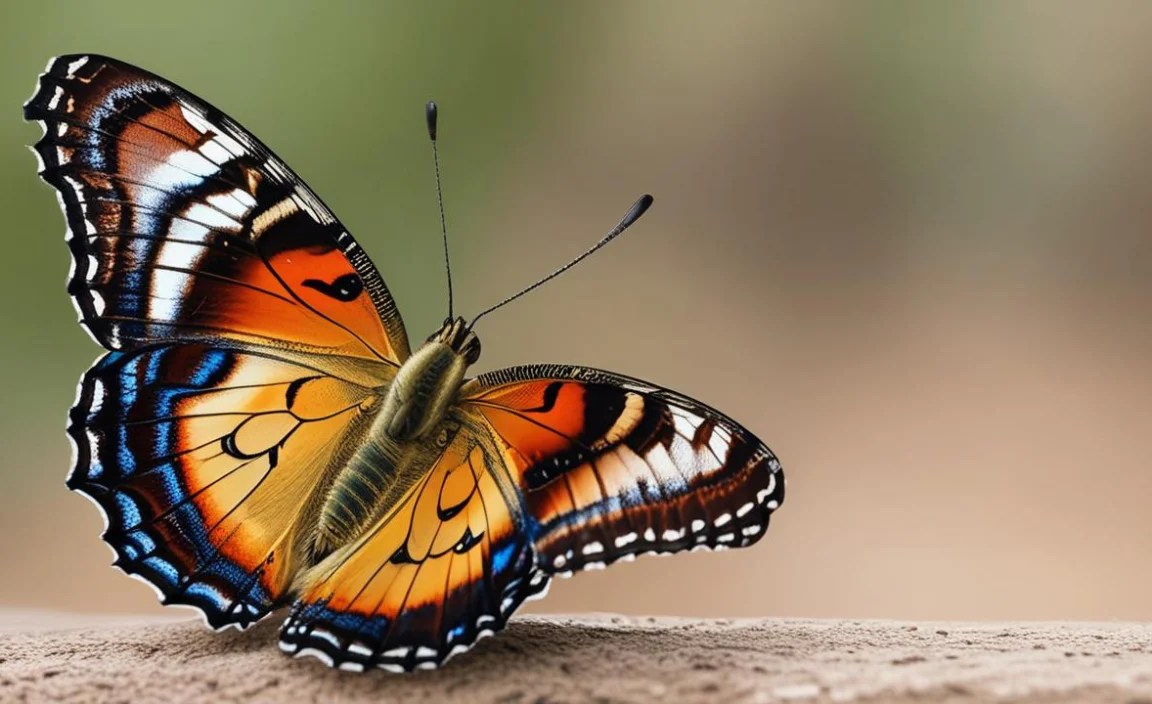
Butterfly conservation is important for the environment. Butterflies help pollinate flowers. They are also food for other animals. We can all help with butterfly conservation. We can plant butterfly-friendly gardens. We can avoid using pesticides. We can support organizations that protect butterfly habitats. We can also educate others about the importance of butterflies. By working together, we can make a difference. We can help butterflies thrive.
- Plant butterfly-friendly gardens.
- Avoid using pesticides.
- Support conservation organizations.
- Educate others about butterflies.
- Work together to make a difference.
Butterfly conservation is a community effort. It requires the help of many people. We can all do our part to protect butterflies. Even small actions can make a big difference. Planting a few flowers can provide food for butterflies. Avoiding pesticides can protect them from harm. Supporting conservation organizations can help protect their habitats. Educating others can spread awareness about the importance of butterflies. Together, we can create a world where butterflies thrive.
What is a Butterfly Garden?
A butterfly garden is a garden that is designed to attract butterflies. It includes plants that provide food and shelter for butterflies. Butterfly gardens typically include host plants for caterpillars. They also include nectar plants for adult butterflies. Butterfly gardens can be any size. They can be as small as a container garden. They can also be as large as a backyard garden. Creating a butterfly garden is a great way to help butterflies. It also provides a beautiful and enjoyable space for people.
What are Nectar Plants?
Nectar plants are plants that produce nectar. Nectar is a sugary liquid that butterflies drink. It provides them with energy. Nectar plants have flowers that are shaped to attract butterflies. They also have bright colors. Some popular nectar plants include zinnias, butterfly bushes, and lantana. Planting nectar plants in your garden is a great way to attract butterflies. It provides them with a source of food. It also adds beauty to your garden.
How Can I Educate Others About Butterflies?
Educating others about butterflies is important. It helps people understand the importance of butterflies. It also inspires them to take action to protect butterflies. You can educate others by sharing information about butterflies. You can also share stories about butterflies. You can also take people on butterfly walks. You can also create educational displays about butterflies. By educating others, you can help create a world where butterflies thrive.
Fun Fact or Stat: Butterflies are cold-blooded and need the sun to warm up!
Butterfly Species Comparison
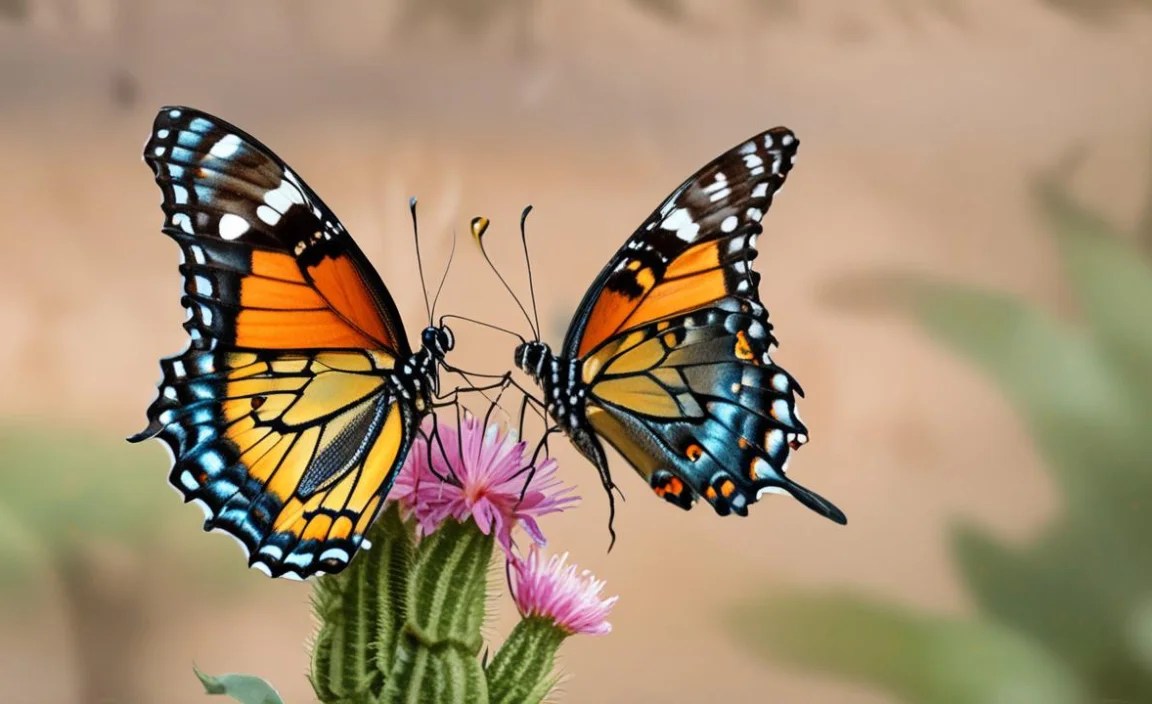
There are many different butterfly species. Each species has its own unique characteristics. Some butterflies are large and colorful. Others are small and drab. Some butterflies migrate long distances. Others stay in the same area. Learning about different butterfly species is fascinating. It helps us appreciate the diversity of nature. It also helps us understand the importance of protecting butterflies.
| Butterfly Species | Size | Color | Migration | Habitat |
|---|---|---|---|---|
| Monarch | Large | Orange and black | Long distance | Fields and gardens |
| Swallowtail | Large | Yellow and black | Short distance | Woodlands and gardens |
| Painted Lady | Medium | Orange and brown | Long distance | Various habitats |
| Queen | Large | Brown and orange | Short distance | Fields and gardens |
Comparing different butterfly species can be interesting. It can help us understand their adaptations. Adaptations are features that help butterflies survive in their environment. For example, monarch butterflies have strong wings. This helps them fly long distances. Swallowtail butterflies have long tails. This helps them avoid predators. Painted lady butterflies can eat a variety of plants. This helps them survive in different habitats. Learning about these adaptations can help us appreciate the complexity of nature.
What are the Differences Between Monarch and Queen Butterflies?
Monarch and Queen butterflies look similar. Both are orange and black. However, there are some key differences. Monarchs have black veins on their wings. Queens have white spots on their wings. Monarch caterpillars eat only milkweed. Queen caterpillars eat milkweed vine. Monarch butterflies migrate long distances. Queen butterflies migrate shorter distances. These differences help us identify these two species.
What are the Differences Between Swallowtail and Painted Lady Butterflies?
Swallowtail and Painted Lady butterflies are different in size and color. Swallowtails are large and have yellow and black wings. Painted Ladies are medium-sized and have orange and brown wings. Swallowtail caterpillars eat citrus leaves. Painted Lady caterpillars eat a variety of plants. Swallowtails migrate short distances. Painted Ladies migrate long distances. These differences help us distinguish these two species.
How Do Butterfly Adaptations Help Them Survive?
Butterfly adaptations help them survive in their environment. Strong wings help them fly long distances. Camouflage helps them hide from predators. Long tails help them avoid predators. The ability to eat a variety of plants helps them survive in different habitats. These adaptations are essential for butterfly survival. They allow butterflies to thrive in a variety of environments. Protecting these adaptations is important for butterfly conservation.
Fun Fact or Stat: Some butterflies can mimic the appearance of poisonous butterflies to avoid predators!
Summary
The ***butterfly species in Mexico border region*** are diverse and important. They live in various habitats. These include deserts, mountains, and forests. Caterpillars need specific food sources. These are called host plants. Some butterflies migrate long distances. They face threats like habitat loss and pesticides. We can help by planting butterfly gardens. We should also avoid using pesticides. Supporting conservation organizations is also important. Learning about butterflies helps us protect them. By working together, we can make a difference.
Conclusion
Butterflies are beautiful and important creatures. They play a vital role in the ecosystem. The ***butterfly species in Mexico border region*** face many challenges. These include habitat loss and climate change. We can help protect them by planting gardens. We can also support conservation efforts. Every small action can make a big difference. Let’s work together to ensure butterflies thrive. We should appreciate the beauty and importance of butterflies.
Frequently Asked Questions
Question No 1: What are some common butterfly species in the Mexico border region?
Answer: The Mexico border region hosts a wide variety of butterflies. Some common species include the Monarch, known for its long migration, and the Queen, which is similar but has distinct markings. Various Swallowtail butterflies can also be found, along with the Painted Lady, another migrating species. Each of these butterflies plays a crucial role in their ecosystem. Understanding these species helps us protect them and their habitats in the Mexico border region.
Question No 2: Why is the Mexico border region important for butterfly conservation?
Answer: The Mexico border region is important for butterfly conservation. It provides diverse habitats for many species. These habitats include deserts, mountains, and forests. Many butterflies migrate through this region. Protecting these habitats is essential for their survival. Conservation efforts in this area can have a big impact on butterfly populations. We must work together to protect this important region for butterflies. The butterfly species in Mexico border region are very important to the ecosystem.
Question No 3: What can I plant in my garden to attract butterflies in the Mexico border region?
Answer: To attract butterflies, plant nectar-rich flowers and host plants. Milkweed is essential for Monarchs. Other good choices include zinnias, lantana, and butterfly bushes. Parsley, dill, and citrus trees attract Swallowtail butterflies. Native plants are always a great choice. They are well-suited to the local climate. Providing a water source, like a shallow dish with pebbles, is also helpful. By planting these plants, you can create a butterfly-friendly habitat in your garden. This will help support butterfly populations in the region and make the butterfly species in Mexico border region have a better environment.
Question No 4: How does climate change affect butterfly populations in the Mexico border region?
Answer: Climate change can have a big impact on butterfly populations. It can change the timing of their migration. It can also affect the availability of their food sources. Extreme weather events, like droughts and floods, can destroy butterfly habitats. Rising temperatures can also make it harder for butterflies to survive. Reducing our carbon footprint can help mitigate these effects. Supporting policies that address climate change is also important. Every small action helps protect butterfly species in Mexico border region.
Question No 5: Are there any butterfly species in the Mexico border region that are endangered?
Answer: Some butterfly species in the Mexico border region are at risk. Habitat loss, pesticide use, and climate change are major threats. While specific species may not be officially listed as endangered, their populations are declining. Conservation efforts are crucial to protect these vulnerable butterflies. Monitoring butterfly populations and implementing conservation strategies is essential. Supporting local organizations that work to protect butterfly habitats is also important. By working together, we can help ensure the survival of these amazing creatures and protect the butterfly species in Mexico border region.
Question No 6: What role do caterpillars play in the ecosystem?
Answer: Caterpillars are an important part of the ecosystem. They are a food source for birds and other animals. They also help to pollinate plants. Caterpillars eat leaves. This helps to control plant growth. They also create waste. This waste fertilizes the soil. Protecting caterpillars is important for the health of the ecosystem. We can do this by planting host plants and avoiding pesticides. Remember that the butterfly species in Mexico border region starts as a caterpillar!


