
Easy Species Identification Key Book: Find Species Now

Have you ever wondered what kind of bird is singing outside? Or what type of tree grows in your backyard? Figuring out what plants and animals are around us can be fun. A species identification key book can help you discover the names of all sorts of living things. These books are like detective tools for nature!
They give you clues to follow. By using these clues, you can learn the secret identities of plants and animals. They turn you into a nature explorer. You can unlock the mysteries of the world around you.
Key Takeaways
- A species identification key book helps you name plants and animals.
- These books use clues to help you identify different species.
- Using a key book makes learning about nature fun and easy.
- Key books are helpful tools for students and nature lovers.
- You can find key books for different types of living things.
How To Use a Species Identification Key Book


A species identification key book is like a choose-your-own-adventure book for nature. It helps you figure out what kind of plant or animal you are looking at. The book gives you pairs of choices. You pick the choice that best describes the thing you’re trying to identify. Each choice leads you to another question or to the name of the species. It may seem tricky, but it becomes easier with practice. Imagine you find a cool bug. The key book might ask, “Does it have wings?” If you say “yes,” it sends you to a new question about the wings. This continues until you arrive at the bug’s name. It is like following a treasure map to find the hidden name of a plant or animal. These books make science feel like a game.
- Start with the first pair of choices.
- Read both choices carefully.
- Pick the one that best fits your plant or animal.
- Go to the next question or name.
- Keep going until you find the species name.
Using a species identification key book takes practice. Don’t worry if you don’t get it right away. The more you use it, the better you will become. You will start to notice small details about plants and animals. These details will help you identify them faster. Soon, you will be able to name many things you see outside. You can impress your friends and family with your knowledge. You can even teach them how to use the key book. Exploring nature becomes even more exciting when you know the names of all the living things around you. It is like learning a new language, but it’s the language of nature.
Fun Fact or Stat: The first plant identification key was created in the 1700s. It helped people learn about new plants from around the world.
What is a Dichotomous Key?
Have you ever played a game where you answer “yes” or “no” questions to guess something? A dichotomous key is similar! It uses pairs of choices to help you identify things. The word “dichotomous” means divided into two parts. Each step in the key presents two options. You choose the option that best describes the plant or animal. This leads you to another pair of choices. You keep going until you find the name of the species. It is a step-by-step way to identify living things. Using a dichotomous key is like following a path. Each choice you make takes you closer to the answer. It is a helpful tool for anyone who wants to learn about nature.
Why are Key Books Useful?
Imagine you are walking in the woods. You see a beautiful flower. You want to know its name. A species identification key book can help! These books are useful because they give you a way to identify plants and animals. Without a key book, you might not know where to start. The book breaks down the identification process into simple steps. It asks you questions about what you see. By answering these questions, you can narrow down the possibilities. You can discover the name of the flower. Key books help you learn about the world around you. They make exploring nature more fun and interesting. They also help scientists study and protect different species.
Different Types of Key Books
Did you know there are different key books for different things? Some key books focus on trees. Others focus on birds or insects. You can even find key books for mushrooms! Each book is designed to help you identify a specific group of living things. This makes it easier to find the right information. If you are interested in birds, you would want a bird identification key book. If you want to learn about trees, you would use a tree key book. It’s like having a special tool for each job. Using the right key book will help you become an expert in that area of nature. You can become a bird expert or a tree expert. The choice is yours!
Choosing The Right Species Identification Key Book
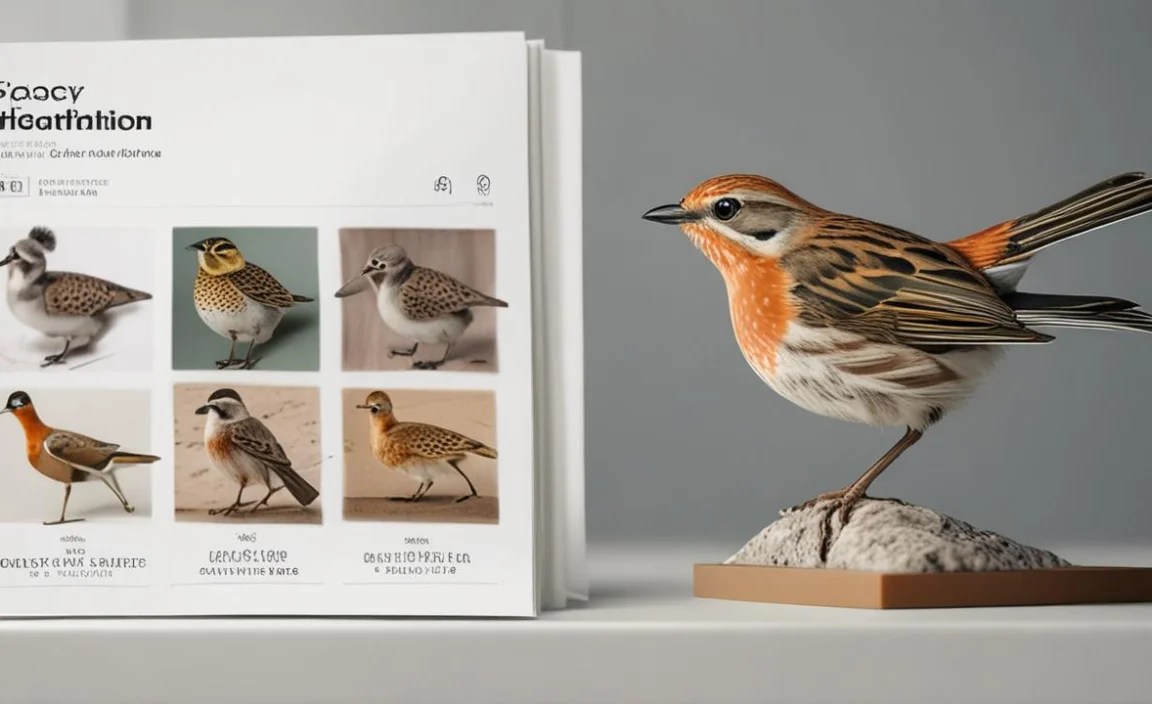

Picking the right species identification key book is very important. Think about what you want to identify. Are you interested in plants, birds, insects, or something else? Choose a book that focuses on that group. Also, think about where you live. A key book for plants in California won’t help you in Florida. Look for a book that covers your region. Check the book’s pictures and descriptions. Are they clear and easy to understand? A good key book should be easy to use, even for beginners. Ask a teacher or librarian for recommendations. They can help you find the perfect key book for your needs. The right book will make your nature explorations much more fun and rewarding.
- Decide what you want to identify.
- Choose a book for your region.
- Look for clear pictures and descriptions.
- Ask for recommendations.
- Make sure it is easy to use.
Before buying a key book, take a look inside. See if you like the way it is organized. Does it have a glossary of terms? A glossary can help you understand any unfamiliar words. Does it have an index? An index helps you find specific plants or animals quickly. Are the pictures clear and helpful? Do the descriptions make sense? If the book seems confusing, try a different one. There are many great key books available. You can find one that fits your learning style. The best key book is the one that you will use and enjoy. It will open up a whole new world of nature exploration.
Fun Fact or Stat: Some key books use color photos, while others use drawings. Both can be helpful, depending on your preference.
Consider Your Skill Level
Are you new to identifying plants and animals? Or are you already a nature expert? Some key books are for beginners. They use simple language and basic descriptions. Other key books are for more advanced users. They include more technical terms and detailed information. Choose a book that matches your skill level. If you are a beginner, start with a simple key book. As you learn more, you can move on to more advanced books. It is like learning any new skill. You start with the basics and then build on your knowledge. Don’t be afraid to ask for help from a teacher or expert.
Check The Publication Date
Nature is always changing. New species are discovered. Names of species can change. A key book that is very old might not have the most up-to-date information. Look for a key book that has been published recently. This will make sure that the information is accurate. A newer book will include the latest scientific knowledge. It will also use the most current names for plants and animals. Checking the publication date is a simple way to make sure you are using a reliable source. It’s like making sure your map is up to date before you go on an adventure.
Read Reviews Before Buying
Before you buy a key book, read what other people say about it. Look for reviews online or in nature magazines. See what other users think of the book. Do they find it helpful and easy to use? Are the pictures clear and accurate? Do they recommend it to others? Reading reviews can give you a good idea of the book’s quality. It can help you decide if it is the right choice for you. It’s like asking your friends for advice before trying a new restaurant. Their experiences can help you make a good decision.
Understanding Key Book Terminology
Species identification key books use special words to describe plants and animals. These words might seem confusing at first. But learning them will help you use the key book more effectively. For example, you might see words like “alternate,” “opposite,” or “serrated.” These words describe the arrangement of leaves on a stem. Or you might see words like “ovate,” “lanceolate,” or “elliptical.” These words describe the shape of a leaf. Many key books have a glossary. This is a list of terms with their definitions. Use the glossary to look up any words you don’t understand. Learning these terms will unlock a deeper understanding of nature. It’s like learning the secret code of the natural world.
| Term | Definition |
|---|---|
| Alternate | Leaves arranged singly along a stem. |
| Opposite | Leaves arranged in pairs along a stem. |
| Serrated | Having a saw-toothed edge. |
| Ovate | Egg-shaped. |
Don’t be afraid to ask for help if you’re still confused. Your teacher, librarian, or a local nature expert can help explain these terms. You can also find helpful videos and websites online. Many resources are available to help you learn about key book terminology. The more you learn, the easier it will become to identify plants and animals. Soon, you’ll be speaking the language of nature fluently. You can impress your friends with your knowledge of botanical and zoological terms. You’ll be able to describe plants and animals with precision. It’s like becoming a nature detective, using your knowledge to solve mysteries.
Fun Fact or Stat: Some key books use diagrams to show what different terms mean. These diagrams can be very helpful for visual learners.
Leaf Shape Terminology
Have you ever noticed how different leaves can be? Some are round, some are long, and some are pointy. Key books use specific terms to describe leaf shapes. Knowing these terms can help you identify trees and plants. For example, an “ovate” leaf is shaped like an egg. A “lanceolate” leaf is long and narrow, like a lance. An “elliptical” leaf is oval-shaped. Learning these terms will help you use a key book more effectively. You can impress your friends with your knowledge of leaf shapes. You can even start your own leaf collection and label each leaf with its correct term.
Flower Structure Terminology
Flowers come in all shapes and sizes. They have different parts, like petals, sepals, and stamens. Key books use specific terms to describe these parts. Knowing these terms can help you identify different types of flowers. For example, “petals” are the colorful parts of a flower. “Sepals” are the green parts that protect the bud. “Stamens” are the parts that produce pollen. Learning these terms will help you understand how flowers work. You can even dissect a flower and identify each of its parts. It’s like being a flower surgeon!
Branching Patterns Terminology
Trees have different ways of branching. Some trees have branches that grow opposite each other. Other trees have branches that grow in an alternate pattern. Key books use these terms to describe branching patterns. Knowing these terms can help you identify trees. For example, maple trees have opposite branching. Oak trees have alternate branching. You can practice identifying branching patterns on trees in your neighborhood. It’s like becoming a tree detective. You can use your knowledge to solve the mystery of each tree’s identity.
Tips For Using a Species Identification Key Book Successfully
Using a species identification key book can be tricky at first. But with a few tips, you can become a pro! First, always start with a clear sample. If you are identifying a plant, make sure you have a good leaf or flower. If you are identifying an animal, try to get a good look at it. Second, read each choice carefully. Don’t rush through the process. Make sure you understand what each choice means. Third, don’t be afraid to ask for help. If you are stuck, ask a teacher, librarian, or nature expert. They can help you understand the key book. Fourth, practice makes perfect. The more you use the key book, the better you will become. It’s like learning to ride a bike. You might fall a few times, but eventually, you’ll get the hang of it.
- Start with a clear sample.
- Read each choice carefully.
- Ask for help if you need it.
- Practice using the key book.
- Don’t give up if it’s hard at first.
- Take your time and enjoy the process.
Remember to be patient. Identifying plants and animals takes time. Don’t get discouraged if you don’t get it right away. Keep trying, and you will eventually succeed. Also, be respectful of nature. Don’t damage plants or disturb animals while you are trying to identify them. Leave everything as you found it. Exploring nature is a privilege. We should always treat it with respect. By following these tips, you can have a fun and rewarding experience using a species identification key book. You will learn about the amazing diversity of life on Earth. You will also develop a deeper appreciation for the natural world.
Fun Fact or Stat: Some key books include a ruler to help you measure leaves and other features. This can be very helpful for accurate identification.
Take Good Notes
When you are using a key book, it’s a good idea to take notes. Write down the choices you made at each step. This will help you remember your thought process. It will also help you if you need to go back and check your work. You can also write down any interesting facts you learn about the plant or animal. Keeping a nature journal is a great way to record your observations. You can draw pictures of the plants and animals you identify. You can also write about your experiences exploring nature. Taking good notes will help you learn and remember more.
Use a Magnifying Glass
Sometimes, the details that help you identify a plant or animal are very small. A magnifying glass can help you see these details more clearly. You can use it to examine the veins on a leaf. Or you can use it to look at the tiny hairs on a stem. A magnifying glass can also help you see the different parts of a flower. It’s like having a superpower that lets you see the invisible world. Using a magnifying glass will help you make more accurate identifications. It will also help you appreciate the beauty of nature on a smaller scale.
Explore Different Habitats
Different plants and animals live in different places. Some plants grow in forests. Others grow in deserts. Some animals live in water. Others live on land. To find a variety of species, explore different habitats. Go to a park, a forest, a beach, or a desert. Each habitat will have its own unique plants and animals. Exploring different habitats will make your nature explorations more exciting. You will discover new and interesting species. It’s like going on a treasure hunt in different worlds. Each world has its own hidden treasures waiting to be discovered.
The Importance of Accurate Species Identification
Knowing the correct name of a plant or animal is very important. Accurate species identification helps scientists study and protect biodiversity. It allows them to track populations of different species. It also helps them understand how species interact with each other. Misidentification can lead to problems. For example, if you misidentify a poisonous plant, you could get sick. Or if you misidentify an endangered animal, you might not protect it properly. Accurate identification is also important for conservation efforts. If we don’t know what species are present in an area, we can’t protect them effectively. By using key books and other resources, we can learn to identify species accurately. We can contribute to the understanding and protection of the natural world.
- Helps scientists study biodiversity.
- Allows tracking of species populations.
- Important for conservation efforts.
- Prevents misidentification of dangerous species.
- Helps understand species interactions.
Learning to identify species accurately is a valuable skill. It can help you become a better naturalist. It can also help you contribute to citizen science projects. Citizen science projects allow anyone to participate in scientific research. You can collect data on plants and animals in your area. This data can help scientists track changes in the environment. It can also help them understand the impact of human activities on wildlife. By learning to identify species accurately, you can become a part of the solution. You can help protect the natural world for future generations. It’s like becoming a guardian of the planet.
Fun Fact or Stat: There are millions of different species on Earth, and scientists are still discovering new ones!
Conservation Efforts
Many plants and animals are in danger of extinction. This means they could disappear from the Earth forever. Accurate species identification is important for conservation efforts. If we know what species are at risk, we can take steps to protect them. We can protect their habitats. We can also work to reduce threats like pollution and climate change. Conservation is important for maintaining biodiversity. Biodiversity is the variety of life on Earth. It is essential for a healthy planet. By supporting conservation efforts, we can help protect endangered species. We can also ensure that future generations can enjoy the beauty of nature.
Medical and Safety Reasons
Identifying plants and animals accurately can be important for your safety. Some plants are poisonous. Some animals can be dangerous. If you know what these species look like, you can avoid them. For example, poison ivy can cause a painful rash. Knowing how to identify it can help you avoid contact. Some snakes are venomous. Knowing how to identify them can help you stay safe in the wild. Learning about dangerous species is an important part of being a responsible nature explorer. It’s like learning the rules of the road before you drive a car.
Ecological Studies
Ecology is the study of how living things interact with each other and their environment. Accurate species identification is essential for ecological studies. Scientists need to know what species are present in an area to understand how the ecosystem works. They can study how different species depend on each other. They can also study how changes in the environment affect different species. Ecological studies can help us understand the complex web of life on Earth. They can also help us make informed decisions about how to protect the environment. It’s like being a detective, piecing together the clues to solve the mystery of the ecosystem.
Summary
A species identification key book is a helpful tool for anyone who wants to learn about nature. These books use a series of choices to help you identify plants and animals. Choosing the right key book is important. You should consider your skill level and the region you are interested in. Understanding key book terminology can make the identification process easier. Taking good notes and using a magnifying glass can also be helpful. Accurate species identification is important for conservation, safety, and ecological studies. By using a key book, you can unlock the secrets of the natural world and become a nature expert.
Conclusion
Exploring nature is fun. Learning the names of plants and animals makes it even better. A species identification key book can help you do this. These books are like treasure maps to the natural world. They guide you to the hidden identities of living things. So grab a key book and start exploring. You will be amazed at what you discover. Happy exploring!
Frequently Asked Questions
Question No 1: What is a species identification key book?
Answer: A species identification key book is a special book. It helps you figure out the names of plants and animals. It uses questions and choices. You answer the questions based on what you see. This leads you to the name of the species. It’s like a detective game for nature. It can help you discover the names of all sorts of living things around you. It makes learning about nature fun and easy.
Question No 2: How do I choose the right key book?
Answer: To pick the best key book, think about what you want to identify. Are you interested in trees, birds, or insects? Choose a book that focuses on that group. Also, make sure the book covers your area. A book for California won’t help you in New York. Look for clear pictures and easy-to-understand words. Ask a teacher or librarian for advice. They can help you find a great key book. This will make your nature exploring more fun.
Question No 3: What if I don’t understand the words in the key book?
Answer: Key books sometimes use special words. These words help describe plants and animals accurately. If you don’t understand a word, don’t worry! Many key books have a glossary. This is like a dictionary for the book. It explains what the words mean. You can also ask a teacher or a nature expert. They can help you understand the words. Learning these words will help you become a nature expert. It will help you use the species identification key book better.
Question No 4: Can I use a key book to identify animals I find in my house?
Answer: Yes, you can use a key book to identify animals in your house. But be careful! Some insects and spiders can be dangerous. It’s best to observe them from a safe distance. Try to take a picture of the animal. Then, use the key book to identify it. If you are not sure what it is, ask an adult for help. They can help you identify the animal safely. They can also help you decide what to do next.
Question No 5: Why is it important to identify species accurately?
Answer: Knowing the correct name of a plant or animal is very important. It helps scientists study and protect nature. It also helps us stay safe. Some plants are poisonous, and some animals are dangerous. If we know what they are, we can avoid them. Accurate species identification helps us understand the world around us. It helps us protect the plants and animals that share our planet. It also helps us appreciate the beauty and wonder of nature.
Question No 6: Where can I find a species identification key book?
Answer: You can find a species identification key book in many places. Check your local library. They often have a selection of nature books. You can also look online. Many websites sell key books. You can also visit a nature center or a bookstore. They often have key books for sale. Ask your teacher or a nature expert for recommendations. They can help you find a good key book. Once you have a key book, you can start exploring nature and learning about the world around you!


