
Ismenius Tiger Butterfly: Discover This Powerful Beauty

The Ismenius tiger butterfly (Mechanitis ismenius) is a striking species known for its bright orange and black wings. These butterflies are found in Central and South America and play a vital role in their ecosystems as pollinators. They are also aposematic, meaning their vibrant colors warn predators of their toxicity, which they obtain from the plants they eat as caterpillars.
Ever been captivated by a butterfly with bold, bright colors flitting through a tropical garden? Chances are, you might have spotted an Ismenius tiger butterfly. These beauties, with their striking orange and black patterns, aren’t just pretty faces. They hold fascinating secrets about survival, adaptation, and the delicate balance of nature.
Identifying and understanding these butterflies can feel like unlocking a secret code of the rainforest. But don’t worry! This guide will walk you through everything you need to know about the Ismenius tiger butterfly, from its appearance and habitat to its life cycle and ecological role. Get ready to discover the amazing world of these vibrant creatures!
Frequently Asked Questions About Ismenius Tiger Butterflies
Here are some common questions about Ismenius tiger butterflies:
What does an Ismenius tiger butterfly look like?
Ismenius tiger butterflies have bright orange wings with black stripes and spots, resembling a tiger pattern. This coloration serves as a warning to predators.
Where do Ismenius tiger butterflies live?
They are found in Central and South America, typically in tropical and subtropical forests.
What do Ismenius tiger butterfly caterpillars eat?
The caterpillars primarily feed on plants from the Solanaceae family, which includes plants like nightshade. These plants contain toxins that the caterpillars store, making them poisonous to predators.
Are Ismenius tiger butterflies poisonous?
Yes, both the caterpillars and adult butterflies are poisonous due to the toxins they accumulate from their host plants. This toxicity is advertised by their bright colors.
How long do Ismenius tiger butterflies live?
The lifespan of an adult Ismenius tiger butterfly is typically a few weeks to a couple of months, depending on environmental conditions and predator pressure.
Why are Ismenius tiger butterflies important to the ecosystem?
They act as pollinators, contributing to plant reproduction. Their presence also indicates the health of their habitat, making them important bioindicators.
How can I help protect Ismenius tiger butterflies?
You can support conservation efforts by preserving their natural habitats, avoiding the use of pesticides that harm butterflies, and planting native host plants to provide food for their caterpillars.
Identifying the Ismenius Tiger Butterfly
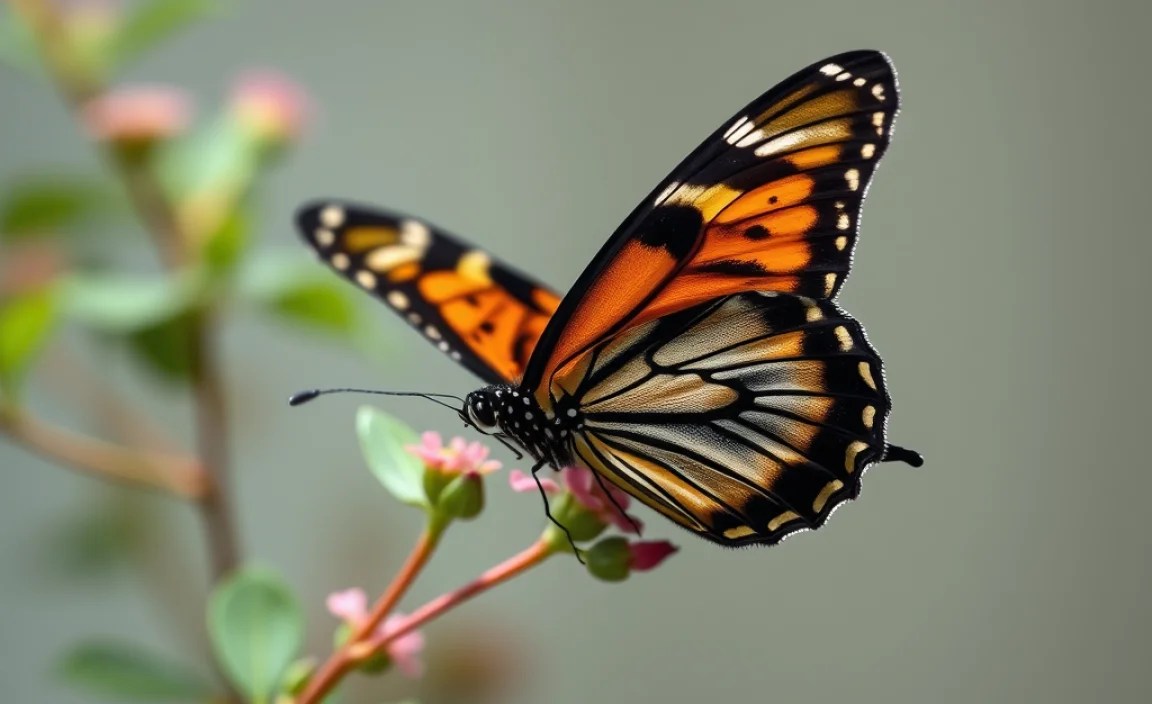
Recognizing an Ismenius tiger butterfly is easier than you might think. Here’s what to look for:
Distinctive Wing Patterns
The most obvious characteristic is their striking wing pattern. They boast a vibrant orange base color, overlaid with bold black stripes and spots. These patterns vary slightly between subspecies, but the overall effect is consistent: a clear warning signal to potential predators. The Smithsonian Institution offers excellent visual resources for identifying different butterfly species, including variations in wing patterns.
Size and Shape
These butterflies are medium-sized, with a wingspan typically ranging from 2.8 to 3.5 inches (7 to 9 cm). Their wings have a rounded shape, which helps them with maneuverability in the dense forest undergrowth.
Behavioral Clues
Ismenius tiger butterflies are often seen flying slowly and deliberately, a behavior linked to their toxicity. They don’t need to be quick to evade predators because their bright colors and poisonous nature deter attacks. You’ll often find them in sunny clearings or along forest edges, where they can easily find nectar sources.
Habitat and Distribution
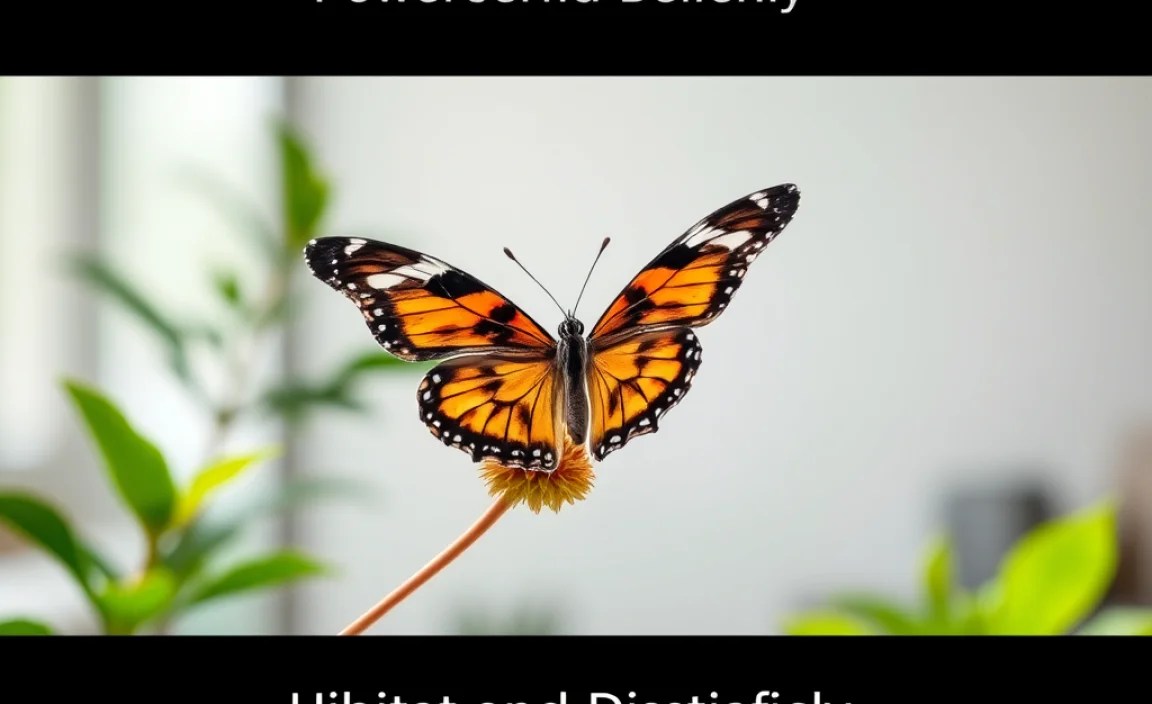
Understanding where these butterflies live can also help with identification. They are primarily found in:
- Central America: From southern Mexico to Panama.
- South America: Throughout the Amazon basin and into parts of Colombia, Ecuador, Peru, and Brazil.
They thrive in tropical and subtropical forests, preferring areas with high humidity and abundant vegetation. These butterflies are particularly fond of disturbed habitats, such as forest edges and clearings, where their host plants (Solanaceae family) are more common.
The Life Cycle of the Ismenius Tiger Butterfly

The life cycle of the Ismenius tiger butterfly is a fascinating journey of transformation. Here’s a breakdown of each stage:
Egg Stage
The female Ismenius tiger butterfly lays her eggs on the leaves of host plants, typically those in the Solanaceae family. The eggs are small and often laid in clusters. They are usually pale yellow or green, blending in with the foliage.
Larval Stage (Caterpillar)
Once the eggs hatch, the caterpillars emerge, ready to feed voraciously. The caterpillars are brightly colored, often with orange, black, and white stripes. This coloration warns predators of their toxicity, which they acquire from the host plants. The caterpillars go through several instars (stages of growth), shedding their skin as they grow larger.
Pupal Stage (Chrysalis)
After reaching full size, the caterpillar transforms into a pupa, also known as a chrysalis. The chrysalis is usually suspended from a leaf or stem and is often a cryptic color, blending in with its surroundings. Inside the chrysalis, the caterpillar undergoes a remarkable metamorphosis, transforming into a butterfly.
Adult Stage
After about two weeks, the adult butterfly emerges from the chrysalis. The newly emerged butterfly’s wings are soft and crumpled, but they quickly expand and harden. The adult butterfly feeds on nectar from flowers, using its long proboscis to sip the sweet liquid. The adult stage is focused on reproduction, with females laying eggs to start the cycle anew.
Ecological Role and Importance
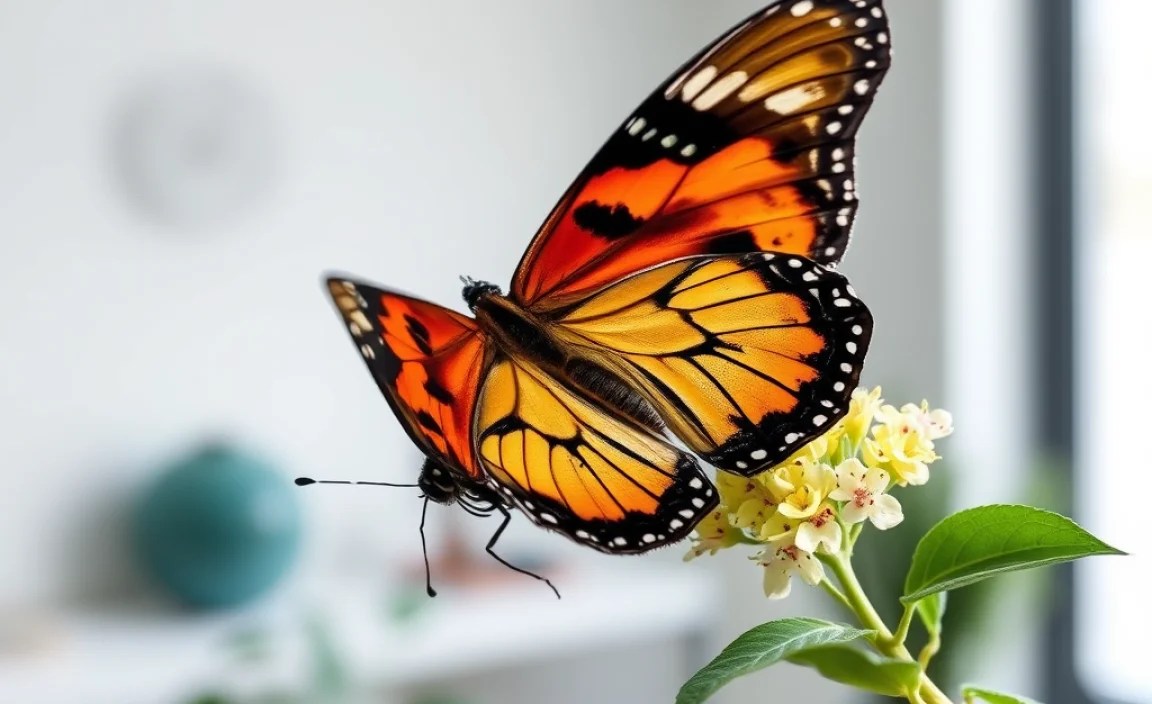
Ismenius tiger butterflies play several crucial roles in their ecosystems:
Pollination
Like many butterflies, they are important pollinators. As they feed on nectar, they transfer pollen from flower to flower, aiding in plant reproduction. This is especially important in the diverse tropical ecosystems they inhabit.
Bioindicators
The presence and abundance of Ismenius tiger butterflies can indicate the health of their habitat. Because they are sensitive to environmental changes, such as deforestation and pesticide use, their populations can serve as an early warning sign of ecological degradation.
Prey-Predator Dynamics
While they are toxic to many predators, some species have adapted to tolerate the toxins. These predators, in turn, help to regulate butterfly populations, maintaining a balance within the ecosystem. The aposematic coloration of the Ismenius tiger butterfly is a classic example of co-evolution, where both predator and prey evolve in response to each other.
Diet and Host Plants
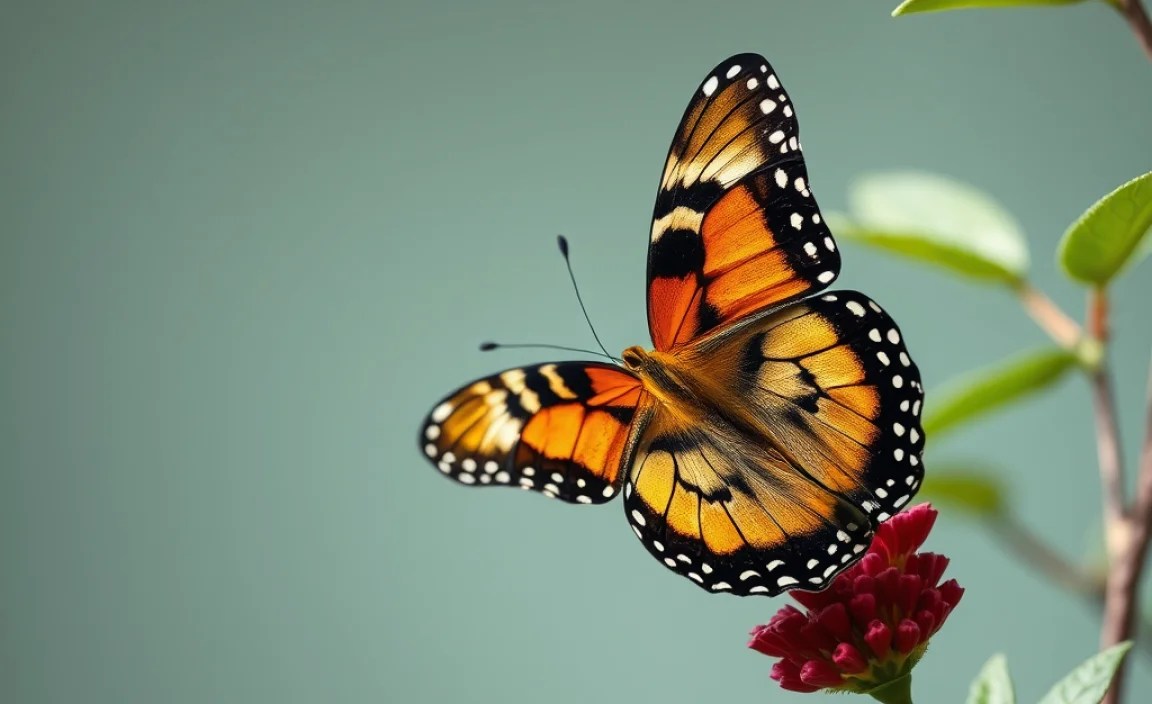
Understanding the diet and host plants of the Ismenius tiger butterfly is key to appreciating its ecology.
Caterpillar Diet
The caterpillars are specialists, feeding primarily on plants in the Solanaceae family. These plants contain toxic compounds called alkaloids, which the caterpillars sequester and store in their bodies. This makes them poisonous to most predators. Common host plants include various species of nightshade. You can find more information about specific host plants at the Xerces Society website.
Adult Diet
Adult butterflies feed on nectar from a variety of flowering plants. They are attracted to bright colors and sweet scents. Common nectar sources include lantanas, milkweeds, and other tropical flowers. By feeding on nectar, they contribute to the pollination of these plants.
Threats and Conservation
Like many butterfly species, Ismenius tiger butterflies face several threats:
Habitat Loss
Deforestation for agriculture, logging, and urbanization is a major threat. The loss of their forest habitat reduces the availability of host plants and nectar sources, making it difficult for them to survive.
Pesticide Use
Pesticides used in agriculture can directly kill butterflies and caterpillars or contaminate their host plants and nectar sources. Even low levels of pesticide exposure can have detrimental effects on their health and reproduction.
Climate Change
Changes in temperature and rainfall patterns can disrupt the timing of butterfly life cycles and alter the distribution of their host plants. Extreme weather events, such as hurricanes and droughts, can also devastate butterfly populations.
Conservation Efforts
Several strategies can help protect Ismenius tiger butterflies and their habitats:
- Habitat Preservation: Protecting and restoring tropical forests is crucial. This can involve establishing protected areas, promoting sustainable forestry practices, and supporting reforestation efforts.
- Sustainable Agriculture: Reducing pesticide use and promoting organic farming practices can help protect butterflies and other pollinators.
- Community Engagement: Educating local communities about the importance of butterflies and their habitats can foster support for conservation efforts.
- Butterfly Gardening: Planting host plants and nectar sources in gardens and public spaces can provide food and habitat for butterflies.
Attracting Ismenius Tiger Butterflies to Your Garden
While Ismenius tiger butterflies are primarily found in tropical regions, gardeners in warmer climates can take steps to attract them:
Plant Host Plants
If you live in an area where Solanaceae plants thrive, consider planting some in your garden. This will provide food for the caterpillars and encourage them to lay their eggs in your garden.
Provide Nectar Sources
Plant a variety of flowering plants that provide nectar throughout the year. Choose plants with bright colors and sweet scents. Lantanas, milkweeds, and pentas are good choices.
Avoid Pesticides
Avoid using pesticides in your garden, as they can harm butterflies and other beneficial insects. If you must use pesticides, choose organic options and apply them carefully, avoiding spraying flowering plants.
Create a Butterfly-Friendly Habitat
Provide a source of water, such as a shallow dish with pebbles, where butterflies can drink. Also, provide shelter from the wind and sun, such as trees and shrubs.
Ismenius Tiger Butterfly in Culture and Symbolism
Butterflies, in general, hold significant cultural and symbolic meaning across various societies. The Ismenius tiger butterfly, with its striking appearance, is no exception.
Symbolism
In many cultures, butterflies symbolize transformation, rebirth, and hope. The butterfly’s metamorphosis from a caterpillar to a beautiful winged creature is seen as a metaphor for personal growth and spiritual transformation. The bright colors of the Ismenius tiger butterfly can also represent joy, vibrancy, and the beauty of life.
Cultural Significance
In some indigenous cultures of Central and South America, butterflies are associated with spirits and the afterlife. They may be seen as messengers from the spirit world or as symbols of departed souls. The Ismenius tiger butterfly, with its bold patterns, may hold special significance in these contexts.
Further Resources for Butterfly Enthusiasts
To deepen your knowledge and appreciation of butterflies, here are some valuable resources:
- Butterfly Identification Guides: Field guides are essential for identifying different butterfly species. Look for guides specific to your region.
- Online Databases: Websites like Butterflies and Moths of North America (BAMONA) and the Encyclopedia of Life provide detailed information and images of butterfly species.
- Butterfly Conservation Organizations: Organizations like the Xerces Society and the Butterfly Conservation work to protect butterflies and their habitats. They offer educational resources, volunteer opportunities, and conservation initiatives.
- Local Butterfly Clubs: Joining a local butterfly club is a great way to connect with other enthusiasts, learn from experts, and participate in butterfly counts and conservation projects.
- Botanical Gardens and Nature Centers: Many botanical gardens and nature centers have butterfly gardens or exhibits where you can observe butterflies up close and learn about their life cycles and ecology.
Table: Comparing Ismenius Tiger Butterfly to Similar Species
| Feature | Ismenius Tiger Butterfly (Mechanitis ismenius) | Monarch Butterfly (Danaus plexippus) | Viceroy Butterfly (Limenitis archippus) |
|---|---|---|---|
| Appearance | Bright orange with black stripes and spots | Orange with black veins and white spots along edges | Orange with black veins and a black line across hindwing |
| Toxicity | Toxic due to host plant diet | Toxic due to milkweed diet | Mimics Monarch for protection (palatable but gains some protection) |
| Wingspan | 2.8 – 3.5 inches (7-9 cm) | 3.5 – 4 inches (9-10 cm) | 2.5 – 3 inches (6-7.5 cm) |
| Habitat | Tropical and subtropical forests of Central and South America | North America, migrates to Mexico and California | North America, often near wetlands |
| Host Plants | Solanaceae family (nightshade) | Milkweed | Willow, poplar, aspen |
Table: Host Plants and Nectar Sources for Ismenius Tiger Butterflies
| Plant Type | Plant Name | Notes |
|---|---|---|
| Host Plant (Caterpillar Food) | Various species of Nightshade (Solanaceae family) | Essential for caterpillar development; provides toxins for defense. |
| Nectar Source (Adult Food) | Lantana | Provides abundant nectar; attracts many butterfly species. |
| Nectar Source (Adult Food) | Milkweed | Good nectar source; also a host plant for Monarch butterflies. |
| Nectar Source (Adult Food) | Pentas | Continuous blooms; attractive to butterflies and hummingbirds. |
| Nectar Source (Adult Food) | Tropical Sage (Salvia coccinea) | Easy to grow; attracts pollinators with its bright red flowers. |
Conclusion
The Ismenius tiger butterfly is more than just a pretty insect; it’s a vital part of its ecosystem, a symbol of transformation, and a testament to the intricate beauty of nature. By understanding its life cycle, habitat, and ecological role, we can better appreciate and protect these fascinating creatures.
Whether you’re a seasoned naturalist, a budding gardener, or simply someone who loves butterflies, there are many ways to support their conservation. By planting host plants and nectar sources, avoiding pesticides, and supporting conservation organizations, you can help ensure that future generations will have the opportunity to marvel at the vibrant wings of the Ismenius tiger butterfly.
So, next time you spot an Ismenius tiger butterfly flitting through the forest, take a moment to appreciate its beauty and remember the important role it plays in the delicate balance of nature. Every small action counts when it comes to protecting these incredible insects and the ecosystems they inhabit.


