
Butterfly Cocoon vs Chrysalis: The Ultimate Guide!

Quick Summary: The terms “cocoon” and “chrysalis” are often used interchangeably, but they refer to different stages in the life cycles of moths and butterflies. A cocoon is a silken protective covering spun by moth larvae before they pupate, while a chrysalis is the hardened, protective outer layer formed by butterfly larvae during their pupation. Butterflies do not create cocoons; only moths do.
Have you ever been captivated by the transformation of a caterpillar into a butterfly or moth? It’s a magical process, and it’s easy to get caught up in the wonder of it all. Many people use the words “cocoon” and “chrysalis” to describe the protective shell in which this transformation happens. But are they the same? This is a common question, and understanding the difference will deepen your appreciation for these incredible insects. Let’s explore the fascinating world of metamorphosis and uncover the secrets behind cocoons and chrysalises, making it easier to identify what you see in your garden. We’ll explore their unique characteristics, formation, and the amazing changes happening inside. Get ready to become an expert on the butterfly and moth life cycle!
Understanding Insect Metamorphosis
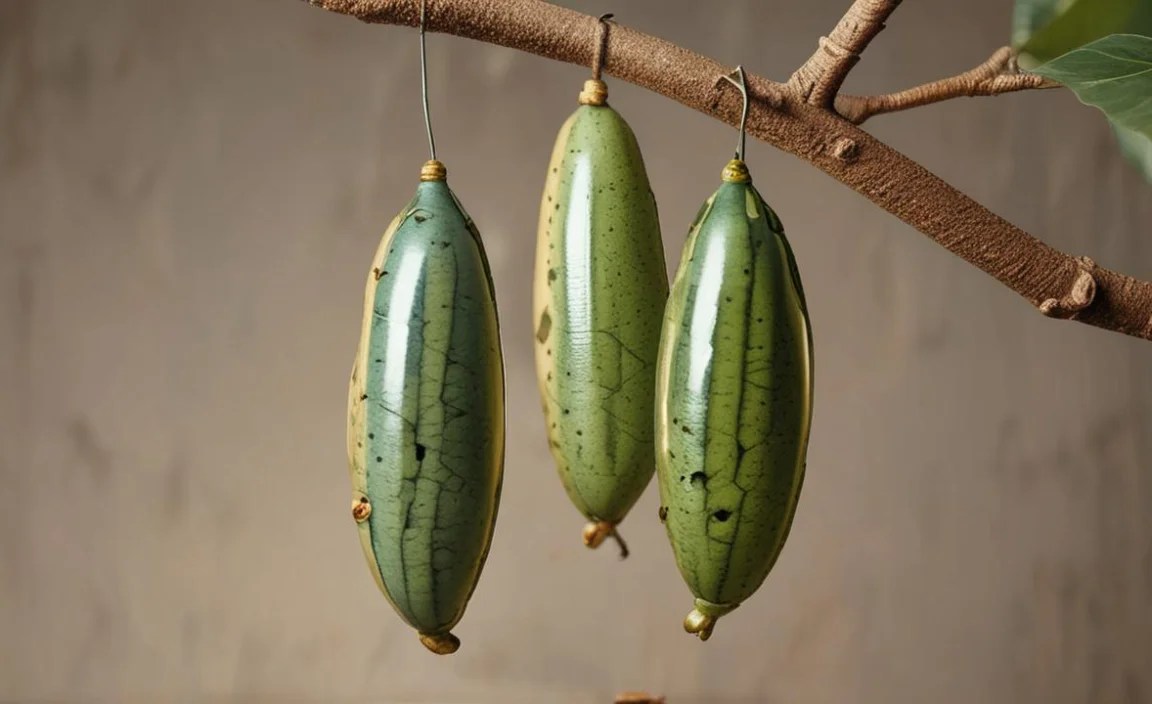
To truly grasp the difference between a butterfly cocoon and a chrysalis, it’s essential to understand the basics of insect metamorphosis. Metamorphosis is the process by which some insects undergo significant physical transformation during their life cycle. There are two main types:
- Incomplete Metamorphosis: The insect hatches from an egg as a nymph, which resembles a smaller version of the adult. The nymph grows through molting (shedding its skin) until it reaches adulthood. Examples include grasshoppers and dragonflies.
- Complete Metamorphosis: The insect goes through four distinct stages: egg, larva, pupa, and adult. Butterflies and moths undergo complete metamorphosis.
The Four Stages of Complete Metamorphosis
Let’s delve into the four stages of complete metamorphosis, focusing on butterflies and moths:
- Egg: The life cycle begins with an egg, often laid on a specific host plant that will serve as food for the larva.
- Larva: The larva, also known as a caterpillar (for butterflies) or a worm (for moths), is the feeding and growing stage. The larva eats voraciously, molting its skin several times as it grows.
- Pupa: This is the transformation stage. The larva enters a dormant phase and forms a protective outer layer. This is where the confusion between cocoon and chrysalis arises. For moths, this protective layer is usually a cocoon. For butterflies, it is typically a chrysalis. Inside this layer, the larval tissues break down and reorganize into the adult form.
- Adult: The final stage is the adult insect, which emerges from the pupal case. The adult’s primary function is reproduction. Butterflies and moths are known for their beautiful wings, which allow them to fly and find mates.
What is a Cocoon?
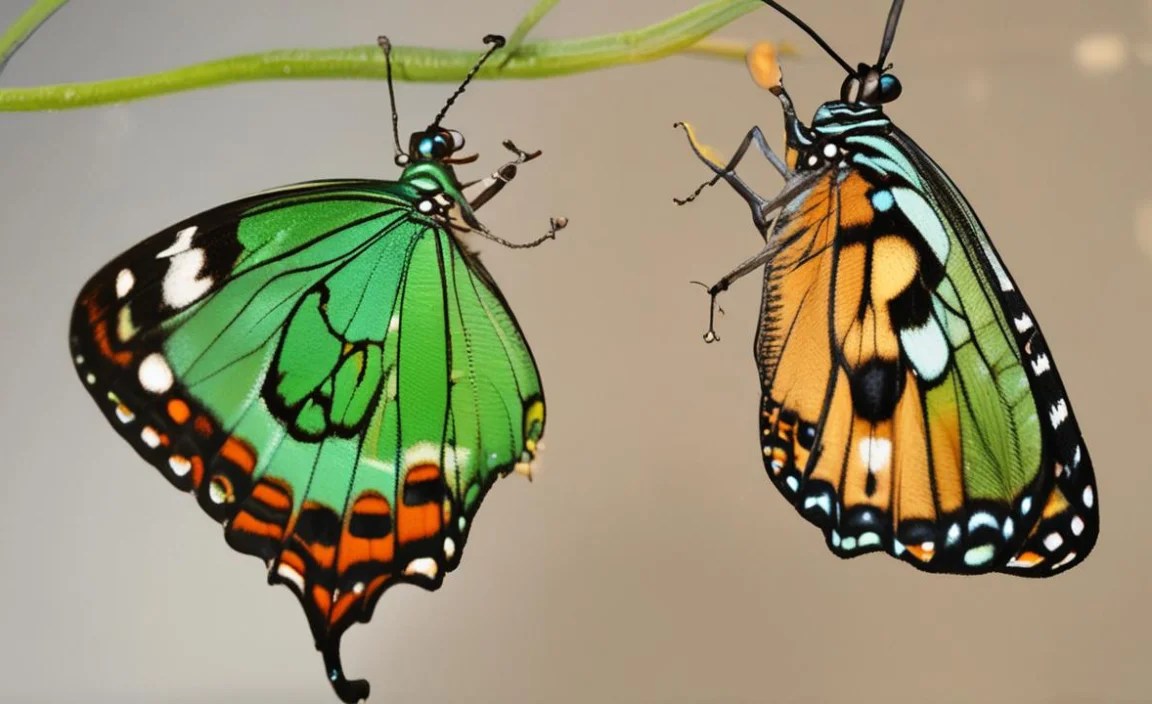
A cocoon is a silken protective covering spun by moth larvae before they pupate. Moth caterpillars create cocoons using silk produced from their salivary glands. The silk is secreted through a spinneret, a specialized organ located on the caterpillar’s head.
Construction of a Cocoon
The construction of a cocoon is a fascinating process:
- Silk Production: The moth caterpillar produces silk, a protein fiber that is incredibly strong and flexible.
- Spinning the Cocoon: The caterpillar spins the silk around itself, creating layers of protection. The process can take several days.
- Incorporating Materials: Some moth caterpillars incorporate leaves, twigs, or other materials into their cocoons for added camouflage and protection.
- Pupation Inside: Once the cocoon is complete, the caterpillar pupates inside, transforming into a pupa.
Purpose of a Cocoon
The cocoon serves several important purposes:
- Protection: The cocoon protects the pupa from predators, parasites, and harsh weather conditions.
- Insulation: The silk provides insulation, helping to regulate the temperature inside the cocoon.
- Camouflage: The cocoon’s color and texture can help it blend in with its surroundings, making it harder for predators to find.
Examples of Moths That Create Cocoons
Many different species of moths create cocoons. Here are a few examples:
- Silk Moths (Bombyx mori): These moths are famous for producing the silk used in textiles. Their cocoons are made of a single, continuous thread of silk.
- Luna Moths (Actias luna): Luna moth caterpillars create papery cocoons, often wrapped in leaves.
- Polyphemus Moths (Antheraea polyphemus): Polyphemus moth caterpillars spin large, oval-shaped cocoons, usually attached to twigs or branches.
- Cecropia Moths (Hyalophora cecropia): Cecropia moth caterpillars create large, silken cocoons that are often attached to trees or shrubs.
What is a Chrysalis?
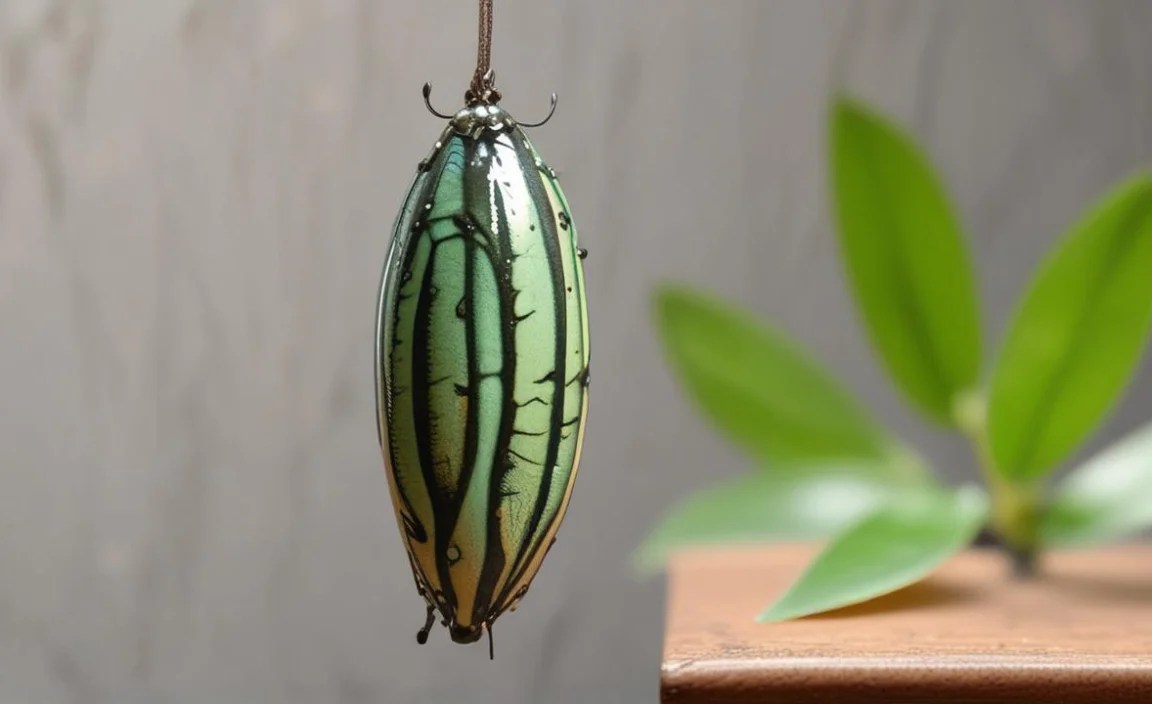
A chrysalis is the pupal stage of a butterfly. Unlike moth larvae, butterfly caterpillars do not spin a silken cocoon. Instead, the caterpillar’s skin hardens to form a protective outer layer.
Formation of a Chrysalis
The formation of a chrysalis is a remarkable process:
- Preparation: The caterpillar prepares for pupation by finding a suitable location, often on a stem or leaf.
- Attachment: The caterpillar attaches itself to the chosen spot using a silk pad and a cremaster (a hook-like structure at the end of its abdomen).
- Molting: The caterpillar molts its skin one last time, and the outer layer hardens to form the chrysalis.
- Transformation Inside: Inside the chrysalis, the caterpillar’s tissues break down and reorganize into the adult butterfly.
Purpose of a Chrysalis
The chrysalis serves several vital functions:
- Protection: The hardened outer layer protects the pupa from predators and environmental hazards.
- Camouflage: The chrysalis’s color and shape often provide excellent camouflage, helping it blend in with its surroundings. Some chrysalises even mimic leaves or twigs.
- Development: The chrysalis provides a stable environment for the complex process of metamorphosis to occur.
Examples of Butterflies and Their Chrysalises
Different species of butterflies have chrysalises with varying shapes, colors, and patterns. Here are some examples:
- Monarch Butterfly (Danaus plexippus): Monarch chrysalises are a beautiful jade green with gold accents.
- Swallowtail Butterflies (Papilio spp.): Swallowtail chrysalises can be green or brown, often resembling leaves or twigs.
- Painted Lady Butterfly (Vanessa cardui): Painted Lady chrysalises are mottled brown and resemble dried leaves.
- Gulf Fritillary (Agraulis vanillae): Gulf Fritillary chrysalises are uniquely shaped and have metallic spots.
Key Differences Between Butterfly Cocoons and Chrysalises
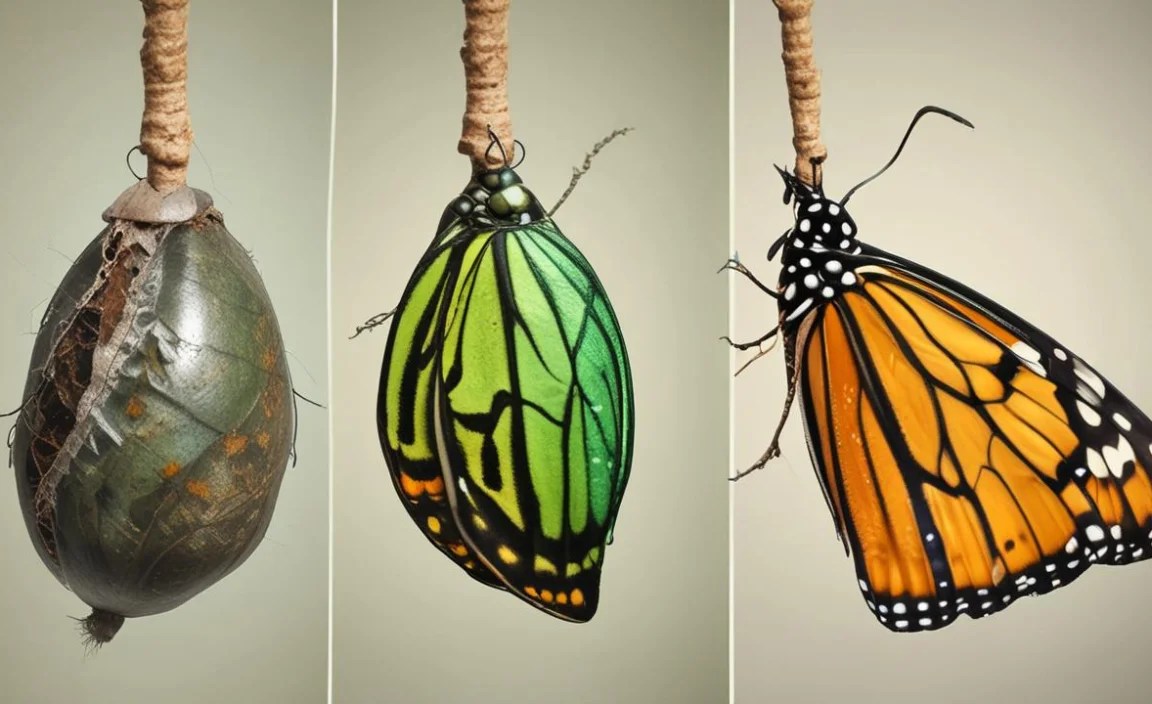
Now that we’ve explored cocoons and chrysalises individually, let’s highlight the key differences between them:
| Feature | Cocoon | Chrysalis |
|---|---|---|
| Insect Group | Moths | Butterflies |
| Formation | Spun from silk produced by the larva | Formed from the hardening of the larva’s skin |
| Material | Silk, often with added leaves or twigs | Hardened cuticle (outer skin) |
| Appearance | Usually opaque and may be covered in debris | Can be translucent or opaque, often brightly colored or camouflaged |
| Attachment | May be attached to a surface or hidden in leaf litter | Attached to a surface by a silk pad and cremaster |
How to Identify a Cocoon vs. a Chrysalis
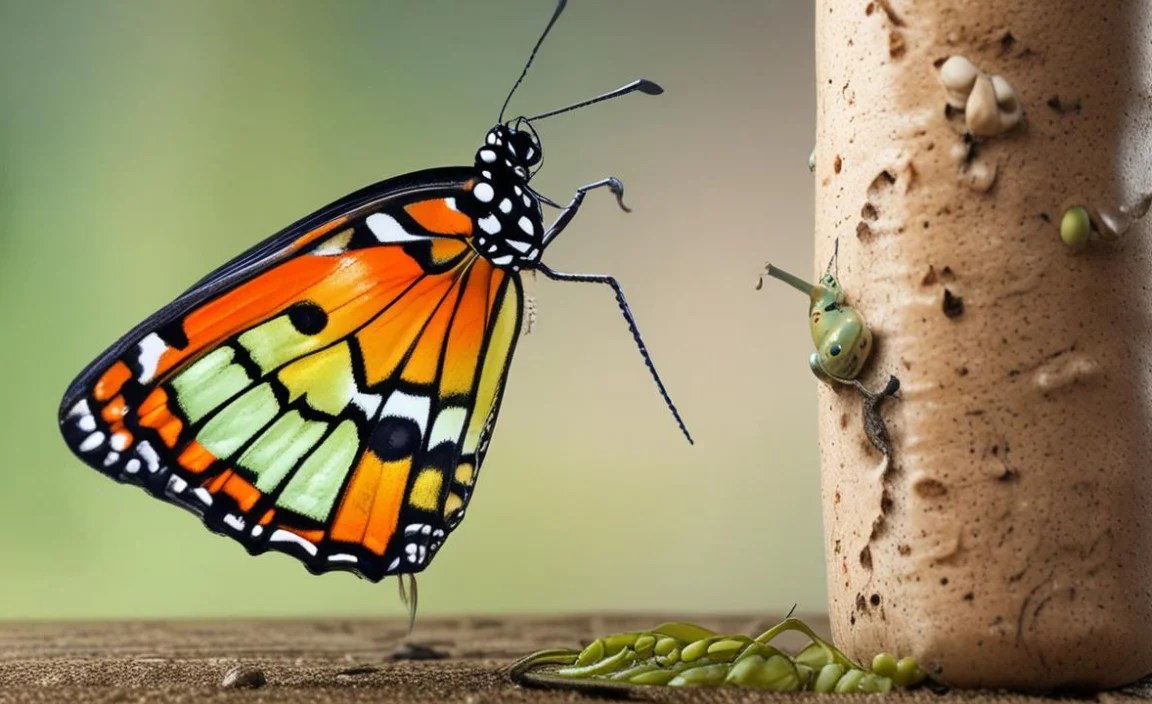
Identifying whether you’ve found a cocoon or a chrysalis can be quite simple if you know what to look for. Here’s a quick guide:
- Check for Silk: If the pupal case is wrapped in a silken layer, it’s likely a cocoon, indicating a moth.
- Observe the Texture: Cocoons often feel soft and fibrous due to the silk, while chrysalises are typically hard and smooth.
- Note the Shape and Color: Chrysalises often have distinct shapes and colors that help them blend into their environment, while cocoons tend to be more uniform in appearance.
- Consider the Location: Cocoons might be found hidden in leaf litter or attached to twigs, while chrysalises are often found hanging from stems or leaves in plain sight.
The Amazing Transformation Inside
Whether it’s a cocoon or a chrysalis, the transformation that occurs inside is nothing short of miraculous. During the pupal stage, the larval tissues break down in a process called histolysis. Specialized cells called histoblasts then use the broken-down material to build the adult insect’s tissues and organs. This process involves complex hormonal and genetic signals that control the development of wings, legs, antennae, and other adult structures.
Scientists are still unraveling the mysteries of metamorphosis, but it’s clear that this process is one of the most remarkable feats of nature. The transformation from a crawling caterpillar to a flying butterfly or moth is a testament to the power of evolution and adaptation.
Observing Cocoons and Chrysalises in Nature
Observing cocoons and chrysalises in nature can be a rewarding experience. Here are some tips for finding and observing them:
- Look on Host Plants: Check the host plants of butterflies and moths in your area. These are the plants that the larvae feed on.
- Examine Stems and Leaves: Look for chrysalises hanging from stems and leaves, or cocoons attached to twigs.
- Search Leaf Litter: Some moth caterpillars create cocoons in leaf litter on the ground.
- Be Patient: It may take time and patience to find cocoons and chrysalises, but the reward is well worth the effort.
Ethical Considerations
When observing cocoons and chrysalises, it’s essential to do so ethically:
- Do Not Disturb: Avoid touching or moving cocoons and chrysalises, as this can harm the developing insect.
- Observe from a Distance: Use binoculars or a camera to observe them from a distance.
- Respect Their Habitat: Be mindful of the surrounding environment and avoid damaging plants or disturbing other wildlife.
Attracting Butterflies and Moths to Your Garden
Creating a butterfly and moth-friendly garden is a great way to support these important pollinators. Here are some tips:
- Plant Host Plants: Plant host plants that caterpillars will feed on. Examples include milkweed for Monarchs, dill and parsley for Swallowtails, and oak trees for many moth species.
- Provide Nectar Sources: Plant nectar-rich flowers that adult butterflies and moths will feed on. Choose a variety of colors and shapes to attract different species.
- Offer Shelter: Provide shrubs and trees for shelter and roosting.
- Avoid Pesticides: Pesticides can harm or kill caterpillars and adult butterflies and moths. Use organic gardening practices instead.
- Provide Water: Butterflies and moths need water to drink. Provide a shallow dish of water with pebbles or marbles for them to land on.
By creating a butterfly and moth-friendly garden, you can enjoy the beauty of these insects while also supporting their conservation.
Conservation of Butterflies and Moths
Butterflies and moths are facing numerous threats, including habitat loss, pesticide use, and climate change. Many species are declining in numbers, and some are at risk of extinction. Conservation efforts are essential to protect these important insects and their habitats.
How You Can Help
There are many ways you can help conserve butterflies and moths:
- Support Conservation Organizations: Donate to organizations that are working to protect butterfly and moth habitats. The Xerces Society is a great resource for learning more and getting involved.
- Create Butterfly-Friendly Habitats: Plant host plants and nectar sources in your garden or community.
- Reduce Pesticide Use: Avoid using pesticides in your garden and encourage others to do the same.
- Educate Others: Share your knowledge about butterflies and moths with friends, family, and neighbors.
- Advocate for Conservation Policies: Support policies that protect butterfly and moth habitats and reduce pesticide use.
By taking action to protect butterflies and moths, you can help ensure that these beautiful and important insects thrive for generations to come.
Butterfly Cocoon vs Chrysalis: FAQ
What is the main difference between a cocoon and a chrysalis?
A cocoon is a silk casing spun by moth larvae to protect themselves during the pupal stage, while a chrysalis is the hardened, protective outer layer formed directly from a butterfly larva’s skin.
Do butterflies make cocoons?
No, butterflies do not make cocoons. They form a chrysalis, which is a hard, protective shell created from their own exoskeleton.
What does a chrysalis look like?
A chrysalis is typically smooth, hard, and can be green, brown, or camouflaged to blend with its surroundings. Some chrysalises have shiny spots or intricate patterns.
What does a cocoon look like?
Cocoons are usually made of silk and can be covered with leaves, twigs, or other debris. They tend to be opaque and more irregular in shape than chrysalises.
How long does a butterfly stay in its chrysalis?
The duration varies by species but generally ranges from 1 to 3 weeks. During this time, the caterpillar transforms into a butterfly inside the chrysalis.
Can I touch a chrysalis or cocoon?
It’s best not to touch them. Handling can damage the delicate pupa inside or disrupt their natural development.
What should I do if I find a cocoon or chrysalis in my garden?
Observe it from a distance and ensure it remains undisturbed. Protect it from predators and harsh weather if necessary, but otherwise, let nature take its course.
Conclusion
Understanding the difference between a butterfly cocoon and a chrysalis is more than just knowing a fun fact; it’s about appreciating the incredible diversity and complexity of the natural world. As we’ve explored, cocoons are the silken homes of developing moths, while chrysalises are the hardened outer layers that protect transforming butterflies. Both serve as vital nurseries where some of nature’s most stunning metamorphoses occur. By recognizing these differences and understanding the life cycles of these insects, we can better support their conservation and create habitats where they can thrive. So, the next time you spot a cocoon or a chrysalis in your garden, take a moment to marvel at the magic unfolding within, and remember the role you can play in protecting these delicate creatures for generations to come.


