
Monarch Butterfly Pigments: The Powerful Secret

Quick Summary: Monarch butterfly wing colors come from a mix of pigments and structural elements. Pigments like melanin create black and brown shades, while structural colors produce iridescent effects. The bright orange, however, is due to carotenoids obtained from their diet, primarily milkweed. These colors serve to warn predators and attract mates!
Have you ever gazed in wonder at a monarch butterfly, admiring its vibrant orange wings edged with black and dotted with white? It’s natural to wonder where these stunning colors come from. The secret lies in a fascinating combination of pigments and tiny structures, all working together to create the monarch’s signature look. Understanding how these colors are created not only deepens our appreciation for these amazing creatures but also gives us a peek into the wonders of nature’s artistry.
In this article, we’ll explore the science behind monarch butterfly pigments. We’ll uncover where the colors originate, how they contribute to the butterfly’s survival, and even touch on how you can help support these beautiful insects. Get ready to discover the secrets of the monarch’s colorful wings!
Unlocking the Secrets of Monarch Butterfly Pigments

The vibrant colors of the monarch butterfly are more than just pretty to look at. They play a crucial role in the butterfly’s survival. Let’s dive into the details of the pigments and structures that create this iconic look.
The Role of Pigments
Pigments are substances that absorb certain wavelengths of light and reflect others, creating the colors we see. Monarch butterflies use a few key pigments to achieve their color palette:
- Melanin: This pigment is responsible for the black and brown colors on the monarch’s wings. Melanin is produced by the butterfly itself and is concentrated in specific areas to create the wing patterns.
- Carotenoids: These pigments produce the bright orange color that monarchs are famous for. Unlike melanin, monarchs cannot produce carotenoids on their own. They obtain these pigments from their diet, primarily from milkweed.
Structural Colors: More Than Meets the Eye
While pigments provide the base colors, structural colors add another layer of complexity. Structural colors are created by the way light interacts with tiny structures on the butterfly’s wings. These structures can cause light to scatter, reflect, or interfere, resulting in iridescent or shimmering effects.
Although not as prominent in monarchs as in some other butterfly species, structural coloration can still contribute to the overall appearance of the wings, adding subtle variations and depth to the colors.
The Science Behind the Colors

Let’s explore the science that brings these colors to life.
Melanin Production: The Dark Side of Beauty
Melanin is produced through a complex biochemical pathway called melanogenesis. This process involves a series of enzymatic reactions that convert amino acids into melanin. The amount and type of melanin produced are influenced by genetics and environmental factors, such as temperature and light exposure.
Here’s a simple overview of the melanogenesis process:
- Amino acids are converted into precursors.
- Enzymes catalyze the conversion of precursors into melanin.
- Melanin is deposited in specific cells on the wings, creating the black patterns.
Carotenoid Acquisition: You Are What You Eat
Monarch butterflies rely on milkweed plants as their primary source of carotenoids. When monarch caterpillars feed on milkweed, they absorb the carotenoids present in the plant’s leaves. These pigments are then stored in the butterfly’s body and deposited in the wings during metamorphosis.
The specific type of carotenoid found in milkweed, and subsequently in monarch wings, is primarily beta-carotene. Beta-carotene is a precursor to vitamin A and contributes to the vibrant orange color.
Structural Coloration: Nature’s Optical Illusions
Structural colors are created by the interaction of light with microscopic structures on the butterfly’s wings. These structures can include scales, ridges, and other surface features that manipulate light in various ways.
Here are some common mechanisms of structural coloration:
- Scattering: Tiny structures scatter light in different directions, creating a diffuse, iridescent effect.
- Interference: Light waves interfere with each other, either reinforcing or canceling each other out, resulting in specific colors being reflected.
- Diffraction: Light bends around structures, creating a spectrum of colors.
The Importance of Color for Monarchs

Monarch butterfly colors aren’t just for show. They serve several important functions that contribute to the butterfly’s survival.
Aposematism: Warning Predators
The bright orange color of monarch butterflies serves as a warning signal to potential predators. This phenomenon is known as aposematism, or warning coloration. Monarch caterpillars feed on milkweed, which contains toxic compounds called cardenolides. These cardenolides are retained in the butterfly’s body, making them distasteful and even poisonous to predators.
When a bird or other predator tries to eat a monarch, it experiences an unpleasant taste and may even become sick. This negative experience teaches the predator to avoid butterflies with similar colors and patterns in the future.
Camouflage: Blending In
While the bright orange color serves as a warning, it can also provide camouflage in certain environments. Monarchs are often found in fields of wildflowers and other colorful vegetation. The orange color can help them blend in with their surroundings, making them less visible to predators.
Mate Attraction: Finding Love
Color also plays a role in mate attraction. Male monarchs have brighter orange wings than females, and they use these colors to attract potential mates. During courtship, males perform elaborate flight displays to showcase their colors and patterns.
Factors Affecting Monarch Butterfly Pigments
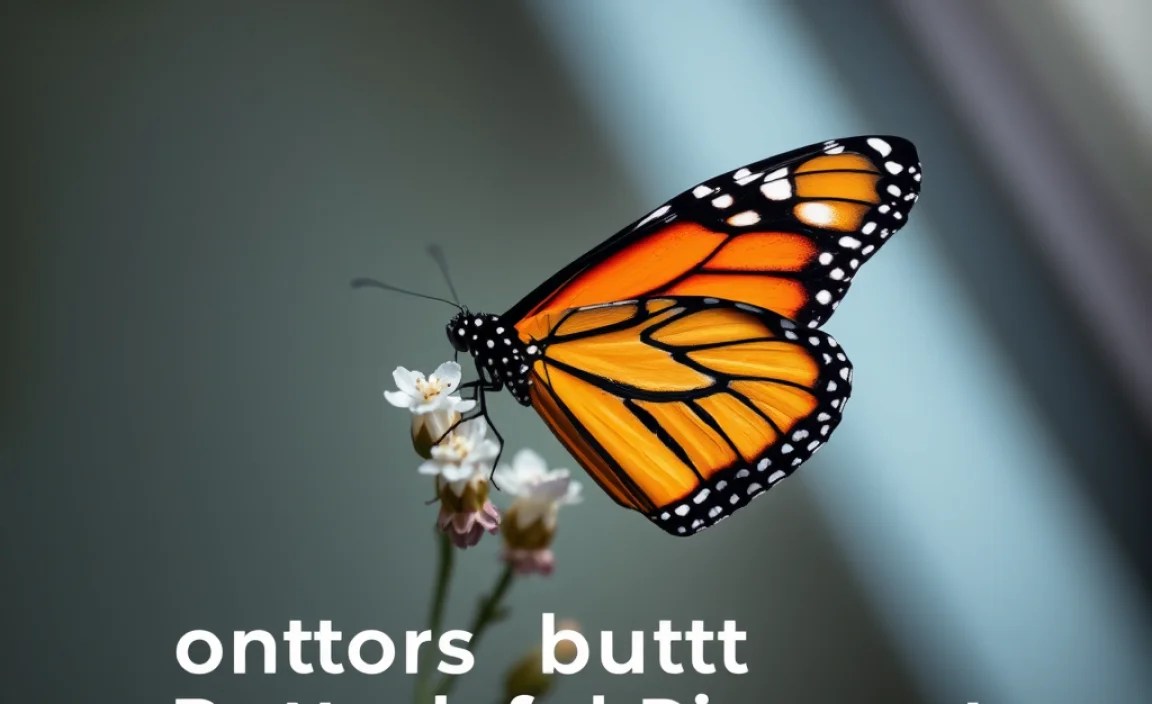
Several factors can influence the intensity and vibrancy of monarch butterfly pigments.
Diet: The Milkweed Connection
As mentioned earlier, monarch caterpillars obtain carotenoids from milkweed plants. The availability and quality of milkweed can directly impact the brightness of the butterfly’s orange color. Caterpillars that feed on nutrient-rich milkweed will produce more vibrant butterflies.
Genetics: The Blueprint of Color
Genetics also play a role in determining the amount and type of pigments produced. Different monarch populations may have slightly different genetic makeups, resulting in variations in color intensity and pattern.
Environmental Factors: Temperature and Light
Environmental factors, such as temperature and light exposure, can also influence pigment production. For example, cooler temperatures may result in darker butterflies, as melanin production is often increased in colder conditions.
How to Support Monarch Butterfly Pigments

You can help support monarch butterfly pigments by creating a healthy environment for these amazing creatures.
Plant Milkweed: A Monarch’s Lifeline
Planting milkweed in your garden is one of the best ways to support monarch butterflies. Milkweed is the only food source for monarch caterpillars, and it provides the carotenoids they need to develop their vibrant orange colors. Choose native milkweed species that are well-suited to your local climate.
Avoid Pesticides: Protect the Pigments
Pesticides can harm monarch butterflies and other beneficial insects. Avoid using pesticides in your garden, especially on milkweed plants. Opt for natural pest control methods instead.
Create a Butterfly Garden: A Colorful Haven
Create a butterfly garden with a variety of nectar-rich flowers to provide food for adult monarchs. Choose flowers that bloom at different times of the year to ensure a continuous food supply. Include plants that provide shelter and nesting sites for butterflies.
Monarch Butterfly Conservation: Why It Matters
Monarch butterfly populations have been declining in recent years due to habitat loss, pesticide use, and climate change. It’s important to take action to protect these iconic creatures and ensure their survival for future generations. Monarch Joint Venture is a great resource for more information.
Habitat Restoration: Rebuilding the Monarch’s Home
Support habitat restoration efforts to rebuild the monarch’s natural habitat. This can involve planting milkweed and nectar-rich flowers, restoring grasslands and forests, and creating butterfly-friendly habitats in urban areas.
Advocacy: Speaking Up for Monarchs
Advocate for policies that protect monarch butterflies and their habitat. This can involve contacting your elected officials, supporting conservation organizations, and raising awareness about the importance of monarch conservation.
Fun Facts About Monarch Butterfly Colors
Here are some fun facts about monarch butterfly colors to share with your friends and family:
- Monarch butterflies can see a wider range of colors than humans, including ultraviolet light.
- The black veins on a monarch’s wings help to absorb sunlight and warm the butterfly’s body.
- The white spots on the edges of a monarch’s wings may help to break up its outline, making it harder for predators to spot.
- The color of a monarch’s wings can fade over time due to exposure to sunlight and wear and tear.
Monarch Butterfly Pigments: A Closer Look
Let’s dive deeper into the specific pigments and structures that create the monarch’s colors.
The Role of Beta-Carotene
Beta-carotene is the primary carotenoid found in monarch butterfly wings. This pigment is responsible for the bright orange color that monarchs are known for. Beta-carotene is a precursor to vitamin A, which is important for vision and immune function in butterflies.
The Importance of Melanin Distribution
The distribution of melanin on a monarch’s wings is carefully controlled to create the distinctive black patterns. Melanin is concentrated in specific areas to form the veins, borders, and spots that make up the monarch’s wing pattern. The precise arrangement of these patterns varies slightly between individuals, making each monarch unique.
Structural Coloration in Monarchs
While not as prominent as in some other butterfly species, structural coloration does play a role in the overall appearance of monarch wings. The scales on a monarch’s wings are covered in tiny ridges that can scatter and reflect light, creating a subtle iridescent effect. This structural coloration adds depth and complexity to the monarch’s colors.
Understanding Monarch Butterfly Wing Patterns
The patterns on a monarch’s wings are not random. They serve specific functions and are influenced by genetics and environmental factors.
Wing Pattern Elements
Here are the key elements of a monarch’s wing pattern:
- Veins: The black lines that run through the wings provide support and structure.
- Borders: The black borders that frame the wings provide contrast and definition.
- Spots: The white spots that dot the wings may help to break up the butterfly’s outline and confuse predators.
Genetic Influence on Wing Patterns
Genetics play a major role in determining the overall pattern of a monarch’s wings. Genes control the amount and distribution of melanin, as well as the size and shape of the wing patterns. Different monarch populations may have slightly different genetic makeups, resulting in variations in wing patterns.
Environmental Influence on Wing Patterns
Environmental factors, such as temperature and light exposure, can also influence wing patterns. For example, monarchs that develop in cooler temperatures may have darker wings with more extensive black patterns. This is because melanin production is often increased in colder conditions.
Monarch Butterfly Colors and Symbolism
Monarch butterflies have long been symbols of transformation, hope, and resilience. Their vibrant colors add to their symbolic significance.
Transformation: The Monarch’s Journey
The monarch’s life cycle, from egg to caterpillar to chrysalis to butterfly, is a powerful symbol of transformation. The butterfly’s ability to transform from a crawling caterpillar into a flying beauty represents the potential for change and growth within each of us.
Hope: A Sign of Better Things to Come
The monarch’s bright colors and graceful flight evoke feelings of hope and optimism. Seeing a monarch butterfly can be a reminder that even in the darkest of times, there is always the possibility of better things to come.
Resilience: Overcoming Challenges
The monarch’s long migration and ability to survive harsh conditions make it a symbol of resilience. These butterflies face many challenges, including habitat loss, pesticide use, and climate change. Yet, they continue to persevere, reminding us of the importance of overcoming adversity.
Table: Monarch Butterfly Pigments and Their Functions
| Pigment | Color | Function |
|---|---|---|
| Melanin | Black/Brown | Wing patterns, thermoregulation |
| Carotenoids (Beta-Carotene) | Orange | Aposematism (warning coloration) |
| Structural Colors | Iridescent/Shimmering | Mate attraction, camouflage |
Frequently Asked Questions (FAQ)
Here are some frequently asked questions about monarch butterfly pigments:
- What gives monarch butterflies their orange color?
- The orange color comes from carotenoid pigments, primarily beta-carotene, which they obtain from eating milkweed plants as caterpillars.
- Do monarch butterflies produce their own pigments?
- Monarchs produce melanin for black and brown colors, but they must get carotenoids from their diet.
- Why are monarch butterflies brightly colored?
- The bright colors warn predators that they are toxic, a survival strategy called aposematism.
- How does milkweed affect monarch butterfly color?
- Milkweed is the only food source for monarch caterpillars, and it contains the carotenoids that give monarchs their orange color. The more milkweed a caterpillar eats, the brighter the butterfly’s color will be.
- Can environmental factors affect monarch butterfly color?
- Yes, environmental factors like temperature can influence melanin production, potentially darkening the black patterns on the wings.
- What can I do to help support vibrant monarch butterfly colors?
- Plant milkweed in your garden, avoid using pesticides, and create a butterfly-friendly habitat to provide the resources monarchs need to thrive.
- Are there other pigments besides carotenoids and melanin in monarch wings?
- While carotenoids and melanin are the primary pigments, structural coloration also contributes to the overall appearance of the wings, creating subtle iridescent effects.
Conclusion
The colors of the monarch butterfly are a fascinating blend of pigments, structural elements, and environmental factors. From the melanin that creates the black patterns to the carotenoids that give them their vibrant orange hue, each element plays a crucial role in the butterfly’s survival and beauty. By understanding the science behind these colors, we can better appreciate the wonders of nature and take steps to protect these iconic creatures for future generations. So, plant some milkweed, create a butterfly garden, and continue to marvel at the beauty of the monarch butterfly!


