
Asian Butterfly Diversity: Explore Amazing Asia!

Did you know some butterflies taste with their feet? Butterflies are amazing insects. They fly around in gardens and forests. Asian butterfly diversity is especially interesting. Asia has many different kinds of butterflies. These butterflies come in all shapes and colors. They are a beautiful part of nature.
Butterflies play a big role in our world. They help flowers make seeds. They are also food for birds and other animals. Learning about butterflies can teach us a lot. We can learn about nature and how to protect it. Are you ready to explore the world of Asian butterflies?
Key Takeaways
- Asian butterfly diversity includes countless species with unique patterns and colors.
- Butterflies are crucial for pollination, helping plants reproduce and thrive.
- Many Asian butterflies face threats like habitat loss and climate change.
- Conservation efforts are vital to protect these beautiful creatures.
- Learning about butterflies helps us appreciate nature’s delicate balance.
Exploring Asian Butterfly Diversity
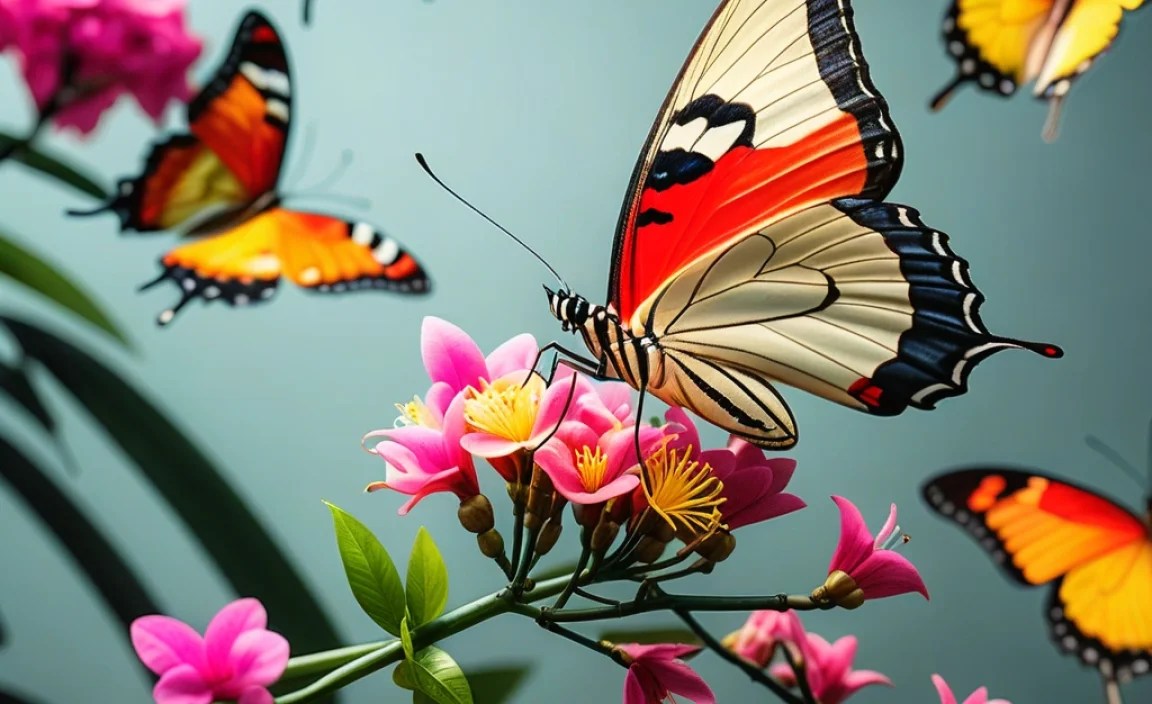
Asia is home to many amazing butterflies. These butterflies live in different places. Some live in rainforests. Others live in mountains. Each place has its own special butterflies. This Asian butterfly diversity is truly incredible. Scientists are still discovering new kinds of butterflies. Butterflies are more than just pretty insects. They are important to the environment. They help plants grow. They are also part of the food chain. We need to protect these butterflies. When we protect butterflies, we protect our planet. The more we learn, the better we can help. Let’s explore the colorful world of Asian butterflies!
- Asia has a huge variety of butterflies.
- Butterflies live in many different habitats.
- Each habitat has unique butterfly species.
- Butterflies help plants make seeds.
- Protecting butterflies helps the environment.
Butterflies go through a big change. This change is called metamorphosis. First, they are tiny eggs. Then, they become caterpillars. Caterpillars eat a lot. After that, they turn into pupae. Pupae are also called chrysalises. Inside the pupa, a big change happens. The caterpillar becomes a butterfly. Finally, the butterfly comes out. It flies away to find food and lay eggs. This amazing process shows how nature can transform. Butterflies show us that change can be beautiful. They teach us to appreciate every stage of life. Understanding their life cycle helps us understand Asian butterfly diversity better.
What Makes Asian Butterflies Unique?
What makes Asian butterflies so special? Asian butterflies have many unique features. Some have bright colors. Others have amazing patterns. These colors and patterns help them survive. Some patterns scare away predators. Other patterns help them hide. Asian butterflies have adapted to their environments. They have learned to survive in different conditions. Some butterflies can even fly very high. They live in the mountains. Others can live in very hot places. They live in the deserts. This ability to adapt is amazing. It shows how strong and resilient butterflies are. The uniqueness of Asian butterflies makes them so important.
Where Do Asian Butterflies Live?
Do you know where Asian butterflies live? They live in many different places. Some live in rainforests. Rainforests are warm and wet. They have many trees and plants. Other butterflies live in mountains. Mountains are cold and high. They have different kinds of plants. Some butterflies live in deserts. Deserts are hot and dry. They have very few plants. Asian butterflies have found ways to live in all these places. They have adapted to the different climates and conditions. This shows how amazing and diverse Asian butterfly diversity truly is. Each habitat supports unique butterfly species.
Why Are Asian Butterflies Important?
Why should we care about Asian butterflies? Butterflies are important for many reasons. They help plants make seeds. This is called pollination. Butterflies carry pollen from one flower to another. Without butterflies, many plants could not grow. Butterflies are also food for other animals. Birds, lizards, and spiders eat butterflies. Butterflies are part of the food chain. They help keep the ecosystem healthy. Protecting butterflies is important for our planet. When we protect butterflies, we protect the environment. Butterflies help us understand the importance of Asian butterfly diversity and its role in the world.
Fun Fact or Stat: The world’s largest butterfly, the Queen Alexandra’s Birdwing, lives in Papua New Guinea, near Asia!
Threats to Asian Butterfly Diversity

Many things threaten butterflies in Asia. One big problem is habitat loss. This means that the places where butterflies live are being destroyed. People cut down forests to build farms and cities. This leaves butterflies with no place to live. Another problem is climate change. The weather is changing, and butterflies cannot adapt quickly enough. Pollution also hurts butterflies. Pesticides kill butterflies and their food. We need to help protect butterflies. We can plant more trees and flowers. We can reduce pollution. We can also learn more about Asian butterfly diversity. By working together, we can make a difference.
- Habitat loss is a major threat.
- Climate change affects butterfly habitats.
- Pollution harms butterflies and their food.
- Pesticides can kill butterflies.
- Protecting habitats is crucial.
- We must reduce pollution to help butterflies.
Butterflies are sensitive to changes in their environment. Even small changes can affect them. For example, if the temperature gets too hot, butterflies cannot survive. If there are not enough flowers, they cannot find food. This is why it is important to protect their habitats. We need to make sure they have the right conditions to live. We can do this by planting native plants. Native plants are plants that naturally grow in an area. They provide the best food and shelter for butterflies. We can also reduce our use of pesticides. Pesticides can harm butterflies and other insects. By making these changes, we can help protect Asian butterfly diversity for future generations.
How Does Habitat Loss Affect Butterflies?
How does losing habitats hurt butterflies? When forests are cut down, butterflies lose their homes. They also lose their food. Many butterflies depend on specific plants. If those plants disappear, the butterflies cannot survive. Habitat loss is a big problem in Asia. Many forests are being destroyed for farming and development. This is why it is so important to protect the remaining forests. We can also create new habitats for butterflies. We can plant butterfly gardens with native plants. These gardens can provide food and shelter for butterflies. Protecting and creating habitats is key to preserving Asian butterfly diversity.
What Role Does Climate Change Play?
How does climate change affect butterflies? Climate change is making the weather more extreme. Some places are getting hotter. Other places are getting drier. These changes can make it hard for butterflies to survive. Butterflies are very sensitive to temperature. If it gets too hot, they can die. Climate change can also affect the plants that butterflies need for food. Some plants may not be able to survive in the new climate. This can lead to a shortage of food for butterflies. We need to take action to reduce climate change. This will help protect butterflies and other animals. Protecting Asian butterfly diversity is linked to addressing climate change.
What Can We Do to Help?
What can we do to help butterflies? There are many things we can do. We can plant butterfly gardens. These gardens provide food and shelter for butterflies. We can also reduce our use of pesticides. Pesticides can harm butterflies and other insects. We can support organizations that are working to protect butterfly habitats. We can also educate others about the importance of butterflies. By working together, we can make a difference. Even small actions can have a big impact. Every effort counts when it comes to preserving Asian butterfly diversity.
Fun Fact or Stat: Some butterflies migrate thousands of miles, just like birds, to find better climates!
Butterfly Conservation in Asia

People are working hard to protect butterflies in Asia. They are creating protected areas. These areas are safe places for butterflies to live. They are also restoring habitats. This means they are planting trees and flowers. These efforts help butterflies find food and shelter. Scientists are studying butterflies. They want to learn more about them. This helps them protect butterflies better. Local communities are also involved. They are learning about butterflies. They are helping to protect them. By working together, we can protect Asian butterfly diversity. Conservation is key to ensuring these beautiful creatures survive.
- Protected areas provide safe habitats.
- Habitat restoration helps butterflies thrive.
- Scientists study butterflies to learn more.
- Local communities are involved in conservation.
- Education is important for conservation efforts.
One important part of conservation is education. When people learn about butterflies, they are more likely to care about them. Schools can teach children about butterflies. Museums can have exhibits about butterflies. Parks can offer guided tours. These activities help people understand the importance of butterflies. They also inspire people to take action. We can all do our part to protect butterflies. We can plant butterfly gardens. We can reduce our use of pesticides. We can support conservation organizations. By working together, we can make a difference in the conservation of Asian butterfly diversity.
What Are Protected Areas?
What are protected areas? Protected areas are special places. They are set aside to protect nature. These areas can be national parks, reserves, or sanctuaries. In protected areas, butterflies are safe from harm. People cannot cut down trees or build houses. They also cannot hunt butterflies. Protected areas provide a safe haven for butterflies. They help to ensure that butterflies can survive. These areas are crucial for preserving Asian butterfly diversity. They offer a refuge where butterflies can thrive.
How Does Habitat Restoration Help?
How does restoring habitats help butterflies? When habitats are damaged, they need to be fixed. This is called habitat restoration. It involves planting trees, flowers, and other plants. These plants provide food and shelter for butterflies. Habitat restoration can also involve cleaning up pollution. Pollution can harm butterflies and their habitats. By restoring habitats, we can help butterflies thrive. We can create a healthy environment for them to live in. Habitat restoration is a vital part of butterfly conservation and helps to maintain Asian butterfly diversity.
Why Is Community Involvement Important?
Why is it important for communities to help? Local communities live near butterfly habitats. They know the land well. They can help protect butterflies. When communities are involved, conservation is more successful. They can monitor butterfly populations. They can report any problems. They can also educate others about butterflies. Community involvement is essential for long-term conservation. By working together, we can ensure that butterflies are protected. Community engagement is crucial for preserving Asian butterfly diversity.
Fun Fact or Stat: Some butterfly conservation projects employ local villagers, providing income while protecting nature!
Examples of Asian Butterfly Species

Asia has many amazing butterfly species. The Common Bluebottle is a beautiful butterfly. It has bright blue wings. The Great Mormon is another stunning butterfly. It has black and white patterns. The Birdwing is one of the largest butterflies. It has colorful wings. These are just a few examples of Asian butterfly diversity. Each species has its own unique characteristics. Some butterflies are very rare. Others are more common. They all play a role in the ecosystem. Learning about these species helps us appreciate the beauty of nature.
- The Common Bluebottle has bright blue wings.
- The Great Mormon has black and white patterns.
- The Birdwing is one of the largest butterflies.
- Each species has unique characteristics.
- Some butterflies are very rare.
Butterflies have different ways of protecting themselves. Some butterflies have bright colors. These colors warn predators that they are poisonous. Other butterflies have patterns that help them blend in with their surroundings. This is called camouflage. Camouflage helps them hide from predators. Some butterflies even mimic other butterflies. This means they look like a different butterfly species. This can confuse predators. These adaptations help butterflies survive in their environments. The diverse survival strategies contribute to the rich Asian butterfly diversity we see today.
The Common Bluebottle
Have you ever seen a Common Bluebottle butterfly? This butterfly is known for its bright blue wings. It is found in many parts of Asia. The Common Bluebottle is a fast flier. It can be hard to catch a glimpse of it. This butterfly feeds on nectar from flowers. It is an important pollinator. The Common Bluebottle is a beautiful and important part of the ecosystem. Its vibrant colors make it a favorite among butterfly enthusiasts. Seeing this butterfly is a treat, showcasing the beauty of Asian butterfly diversity.
The Great Mormon
The Great Mormon is another amazing Asian butterfly. It has black and white patterns. The females can look different. This is called polymorphism. Some females mimic other butterflies. This helps them avoid predators. The Great Mormon is found in many different habitats. It can live in forests, gardens, and even cities. This butterfly is a resilient and adaptable species. Its ability to mimic other butterflies is fascinating. The Great Mormon is a great example of Asian butterfly diversity and adaptation.
The Birdwing
The Birdwing is one of the largest butterflies in the world. It has colorful wings. The wings can be very big. Some Birdwings live in Asia. They are found in rainforests. These butterflies are very rare. They are protected by law. Birdwings are important pollinators. They help to keep the rainforest healthy. Seeing a Birdwing is a special experience. They are truly magnificent creatures. Their size and beauty make them a highlight of Asian butterfly diversity.
Fun Fact or Stat: Some Birdwing butterflies have wingspans of over 10 inches, bigger than some birds!
Studying Asian Butterfly Behavior
Scientists study butterfly behavior to learn more about them. They watch how butterflies fly. They study how butterflies find food. They also study how butterflies mate. This helps them understand how butterflies live. It also helps them protect butterflies. Understanding butterfly behavior is important for conservation. It helps us to create better habitats for butterflies. It also helps us to protect them from threats. Studying Asian butterfly diversity requires understanding their behaviors and habits.
- Scientists study how butterflies fly.
- They study how butterflies find food.
- They study how butterflies mate.
- This helps us understand butterfly behavior.
- Understanding behavior helps with conservation.
Butterflies communicate with each other in different ways. Some butterflies use colors. They show their colors to attract mates. Other butterflies use scents. They release scents to communicate with each other. Scientists are still learning about how butterflies communicate. This is a fascinating area of research. The more we learn, the better we can understand butterflies. Understanding communication is key to understanding social behaviors and how they contribute to Asian butterfly diversity.
How Do Butterflies Find Food?
How do butterflies find food? Butterflies use their senses to find food. They can see colors. They can also smell scents. They use these senses to find flowers. Flowers have nectar. Nectar is a sweet liquid that butterflies eat. Butterflies have a long tongue. This tongue is called a proboscis. They use it to suck nectar from flowers. Butterflies are important pollinators. They help plants make seeds. Their ability to find food is essential for their survival. It also helps plants to reproduce, further contributing to the rich ecosystem that supports Asian butterfly diversity.
How Do Butterflies Attract Mates?
How do butterflies find mates? Butterflies use different ways to attract mates. Some butterflies use colors. They show their bright colors to attract females. Other butterflies use scents. They release scents to attract mates. Some butterflies even perform dances. They fly in special patterns to attract attention. These behaviors help butterflies find partners. These mating rituals are part of the fascinating world of butterfly behavior and contribute to maintaining Asian butterfly diversity through successful reproduction.
What Is Butterfly Migration?
Do butterflies travel long distances? Some butterflies migrate. Migration is when animals move from one place to another. Butterflies migrate to find better climates. They also migrate to find food. Some butterflies travel thousands of miles. This is an amazing feat. Scientists are studying butterfly migration. They want to understand how butterflies navigate. They also want to understand why they migrate. Understanding migration patterns is important for protecting butterflies. It helps us to ensure that they have safe places to travel to and that Asian butterfly diversity can be sustained across regions.
Fun Fact or Stat: Some butterflies navigate using the Earth’s magnetic field during their long migrations!
Butterfly Habitats in Asia
Asia has many different butterfly habitats. Some butterflies live in rainforests. Rainforests are warm and wet. They have many trees and plants. Other butterflies live in mountains. Mountains are cold and high. They have different kinds of plants. Some butterflies live in deserts. Deserts are hot and dry. They have very few plants. Asian butterflies have adapted to live in all these places. These diverse habitats support the incredible Asian butterfly diversity found in Asia.
- Rainforests are warm and wet.
- Mountains are cold and high.
- Deserts are hot and dry.
- Butterflies have adapted to these habitats.
- Each habitat supports different butterfly species.
The type of habitat affects the butterflies that live there. For example, butterflies that live in rainforests need to be able to fly in the shade. They also need to be able to find food in the dense vegetation. Butterflies that live in mountains need to be able to survive in cold temperatures. They also need to be able to find food in the rocky terrain. Butterflies that live in deserts need to be able to survive in hot, dry conditions. They also need to be able to find food with very little water. These adaptations showcase the resilience of butterflies and the importance of preserving each unique habitat to maintain Asian butterfly diversity.
Rainforest Habitats
What are rainforests like for butterflies? Rainforests are full of life. They have many trees, plants, and animals. Butterflies thrive in rainforests. They have plenty of food and shelter. The warm, wet climate is perfect for them. Many different butterfly species live in rainforests. These butterflies are often brightly colored. They stand out against the green foliage. Rainforests are vital habitats for Asian butterfly diversity. Protecting rainforests is essential for protecting butterflies.
Mountain Habitats
How do butterflies survive in mountains? Mountains are challenging environments. They are cold and windy. The air is thin. Butterflies that live in mountains have special adaptations. They can fly in strong winds. They can also survive in cold temperatures. Some mountain butterflies are very small. This helps them to stay warm. Mountain habitats support unique butterfly species that are adapted to these conditions, contributing to the overall Asian butterfly diversity.
Desert Habitats
Can butterflies live in deserts? Yes, some butterflies live in deserts. Deserts are hot and dry. They have very little water. Butterflies that live in deserts have special adaptations. They can survive without much water. They can also tolerate high temperatures. Some desert butterflies are very small. This helps them to stay cool. Desert habitats, though harsh, are home to specialized butterfly species that play a role in the broader Asian butterfly diversity.
| Habitat Type | Climate | Vegetation | Butterfly Adaptations |
|---|---|---|---|
| Rainforest | Warm and wet | Dense trees and plants | Bright colors, shade tolerance |
| Mountain | Cold and windy | Sparse, rocky terrain | Small size, wind resistance |
| Desert | Hot and dry | Very little vegetation | Water conservation, heat tolerance |
| Grassland | Moderate temperature | Grasses and wildflowers | Camouflage, fast flight |
Fun Fact or Stat: Some butterflies can be found at altitudes of over 15,000 feet in the Himalayas!
Summary
Asia is a land of incredible butterfly diversity. From rainforests to mountains, butterflies have adapted to various habitats. These insects play a crucial role in pollination. They help plants reproduce. Sadly, many threats face these butterflies. Habitat loss, climate change, and pollution are major concerns. Conservation efforts are essential to protect them. By creating protected areas and restoring habitats, we can help butterflies thrive. Education is also key. When people learn about butterflies, they are more likely to care about them. Every action, no matter how small, can make a difference in preserving Asian butterfly diversity.
Conclusion
Butterflies are beautiful and important creatures. They are a vital part of the ecosystem. Asia is home to a stunning array of butterfly species. However, these butterflies face many threats. We must take action to protect them. By supporting conservation efforts and educating others, we can make a difference. Let’s work together to ensure that future generations can enjoy the beauty of Asian butterfly diversity.
Frequently Asked Questions
Question No 1: Why is Asian butterfly diversity so important?
Answer: Asian butterfly diversity is important for several reasons. Butterflies are pollinators. They help plants reproduce. They are also part of the food chain. Many animals eat butterflies. A diverse ecosystem is a healthy ecosystem. When we protect butterflies, we protect the whole environment. Each butterfly species plays a unique role. Losing even one species can have a ripple effect. Protecting Asian butterfly diversity helps maintain the balance of nature and ensures the health of our planet.
Question No 2: What are the biggest threats to Asian butterflies?
Answer: Asian butterflies face many threats. One of the biggest is habitat loss. This happens when forests are cut down or wetlands are drained. Climate change is another threat. Changes in temperature and rainfall can affect butterfly habitats. Pollution also harms butterflies. Pesticides can kill them directly. Other pollutants can damage their food sources. These threats can lead to a decline in butterfly populations. Addressing these threats is crucial for conserving Asian butterfly diversity.
Question No 3: How can I help protect Asian butterflies?
Answer: There are many things you can do to help protect Asian butterflies. You can plant a butterfly garden. Use native plants that provide food and shelter for butterflies. Avoid using pesticides in your garden. Support organizations that are working to protect butterfly habitats. Educate others about the importance of butterflies. Even small actions can make a big difference. By working together, we can help ensure that butterflies thrive. Your efforts can directly contribute to preserving Asian butterfly diversity.
Question No 4: What is butterfly migration?
Answer: Butterfly migration is when butterflies move from one place to another. They do this to find better climates or food sources. Some butterflies travel thousands of miles. They face many challenges along the way. They have to avoid predators and find food and water. Migration is an amazing feat of nature. Monarch butterflies are famous for their long migrations. Other butterfly species also migrate, contributing to the overall patterns of Asian butterfly diversity across different regions.
Question No 5: Where can I see Asian butterflies?
Answer: You can see Asian butterflies in many places. National parks and reserves are good places to start. Botanical gardens and butterfly houses also have butterflies. Look for places with lots of flowers and plants. You can also attract butterflies to your own garden. Plant native flowers that butterflies like. Avoid using pesticides. With a little effort, you can create a butterfly-friendly habitat. Visiting these locations can provide firsthand experience with the beauty of Asian butterfly diversity.
Question No 6: Are some Asian butterflies endangered?
Answer: Yes, some Asian butterflies are endangered. This means that they are at risk of disappearing. Habitat loss, climate change, and pollution are major threats. Conservation efforts are needed to protect these butterflies. Scientists are studying endangered butterflies. They are trying to understand what is causing their decline. They are also working to restore their habitats. Protecting endangered butterflies is crucial for maintaining Asian butterfly diversity and the health of the ecosystem.


