
White & Sulphur Butterflies: Spot These Beauties!

Quick Summary: White and sulphur butterflies are common butterflies known for their bright white, yellow, or orange wings. They belong to the Pieridae family and are found worldwide. These butterflies are attracted to open fields and gardens, where they feed on nectar from various flowers. Understanding their life cycle and preferred habitats can help you attract and identify them.
Have you ever noticed a flash of white or yellow fluttering around your garden and wondered what kind of butterfly it was? Identifying butterflies can sometimes feel tricky, especially when many look quite similar. White and sulphur butterflies, with their cheerful colors, are a delight to spot. But knowing which species you’re seeing and how to support them adds an extra layer of joy to the experience.
In this guide, we’ll explore the fascinating world of white and sulphur butterflies. We’ll cover how to identify different species, what plants attract them, and simple steps you can take to help these beautiful creatures thrive. Ready to become a butterfly expert? Let’s dive in!
Identifying White and Sulphur Butterflies

White and sulphur butterflies belong to the family Pieridae, which includes some of the most common and widely distributed butterflies in the world. These butterflies are typically medium-sized and are recognized by their white, yellow, or orange wings, often adorned with black markings.
Key Characteristics of Pieridae Butterflies
- Coloration: Predominantly white, yellow, or orange.
- Size: Medium-sized, with a wingspan usually between 1.5 to 3 inches.
- Wing Shape: Generally rounded wings, though some species have more angular shapes.
- Flight Pattern: Often erratic and fluttering.
- Habitat: Open areas such as fields, meadows, and gardens.
Common White Butterfly Species
Several species of white butterflies are commonly encountered. Here are a few of the most widespread:
Cabbage White (Pieris rapae)
The Cabbage White is one of the most common butterflies in the world. It is often considered a pest because its caterpillars feed on cabbage and other cruciferous vegetables.
- Appearance: White wings with a small black spot on the forewing. Females have two spots.
- Habitat: Gardens, fields, and urban areas.
- Host Plants: Cabbage, broccoli, and other cruciferous plants.
Checkered White (Pontia protodice)
The Checkered White is found throughout North America. It’s named for the distinct checkered pattern on its wings.
- Appearance: White wings with a gray or black checkered pattern.
- Habitat: Open fields, roadsides, and disturbed areas.
- Host Plants: Mustard family plants.
West Virginia White (Pieris virginiensis)
The West Virginia White is a woodland species found in eastern North America. It’s more delicate than the Cabbage White and prefers shaded habitats.
- Appearance: Pure white wings with no distinct markings.
- Habitat: Deciduous forests.
- Host Plants: Toothwort (Cardamine diphylla).
Common Sulphur Butterfly Species
Sulphur butterflies are known for their yellow or orange wings. Here are some frequently seen species:
Clouded Sulphur (Colias philodice)
The Clouded Sulphur is a very common butterfly across North America. Its bright yellow color makes it easily recognizable.
- Appearance: Bright yellow wings with a black border. Some females have white wings.
- Habitat: Fields, meadows, and roadsides.
- Host Plants: Clover, alfalfa, and other legumes.
Orange Sulphur (Colias eurytheme)
The Orange Sulphur is closely related to the Clouded Sulphur and often found in the same habitats. It’s distinguished by its orange coloration.
- Appearance: Orange wings with a black border. Some females are yellow or white.
- Habitat: Fields, meadows, and roadsides.
- Host Plants: Alfalfa, clover, and other legumes.
Little Yellow (Eurema lisa)
The Little Yellow is a small, dainty butterfly found in the southeastern United States. It’s one of the smallest sulphur butterflies.
- Appearance: Bright yellow wings with minimal black markings.
- Habitat: Open fields, gardens, and disturbed areas.
- Host Plants: Various legumes.
Distinguishing Between Similar Species
Identifying white and sulphur butterflies can be tricky because some species look very similar. Here are some tips to help you tell them apart:
- Check for Spots: Look for the presence and number of black spots on the wings. For example, the Cabbage White has one or two spots, while the West Virginia White has none.
- Observe Wing Patterns: Notice any patterns, such as the checkered pattern on the Checkered White or the solid border on the Clouded and Orange Sulphurs.
- Note the Color Shade: Pay attention to the exact shade of yellow or orange. The Orange Sulphur is a deeper orange than the Clouded Sulphur.
- Consider the Habitat: Some species prefer specific habitats. The West Virginia White, for instance, is typically found in forests.
- Use a Field Guide: A good butterfly field guide with detailed descriptions and illustrations can be an invaluable tool.
| Species | Color | Markings | Habitat |
|---|---|---|---|
| Cabbage White | White | Black spot(s) on forewing | Gardens, fields |
| Checkered White | White | Gray or black checkered pattern | Open fields, roadsides |
| Clouded Sulphur | Yellow | Black border on wings | Fields, meadows |
| Orange Sulphur | Orange | Black border on wings | Fields, meadows |
| Little Yellow | Yellow | Minimal black markings | Open fields, gardens |
Attracting White and Sulphur Butterflies to Your Garden

Attracting butterflies to your garden involves providing them with the resources they need to survive and reproduce: food for adults (nectar), host plants for caterpillars, and a safe environment.
Planting Nectar-Rich Flowers
Adult butterflies feed on nectar, so planting nectar-rich flowers is crucial. Choose a variety of flowers that bloom at different times of the year to provide a continuous food source.
- Asters: These late-blooming flowers provide nectar in the fall.
- Butterfly Bush (Buddleja davidii): A favorite of many butterfly species.
- Coneflowers (Echinacea): Drought-tolerant and attractive to butterflies.
- Lantana: Produces clusters of colorful flowers.
- Marigolds: Easy to grow and provide bright color.
- Zinnias: Come in a variety of colors and are very attractive to butterflies.
Providing Host Plants for Caterpillars
Butterflies lay their eggs on specific host plants, which the caterpillars then feed on. Providing these plants is essential for the butterfly life cycle.
- Cabbage White: Plant cabbage, broccoli, kale, and other cruciferous vegetables. Be prepared to share them with the caterpillars!
- Checkered White: Grow plants from the mustard family, such as mustards, rock cress, and sweet alyssum.
- Clouded and Orange Sulphurs: Plant clover, alfalfa, beans, and other legumes.
- Little Yellow: Provide legumes such as wild senna and partridge pea.
- West Virginia White: Ensure you have toothwort (Cardamine diphylla) if you live in an area where this butterfly is found.
Creating a Butterfly-Friendly Habitat
In addition to food sources, butterflies need shelter, water, and protection from pesticides.
- Provide Shelter: Plant shrubs and trees to offer shelter from wind and predators.
- Offer a Water Source: Butterflies can’t drink from open water. Provide a shallow dish with wet sand or pebbles where they can safely drink.
- Avoid Pesticides: Pesticides can harm or kill butterflies and other beneficial insects. Use organic gardening methods instead.
- Sunbathing Spots: Butterflies are cold-blooded, so they need to bask in the sun to warm up. Provide flat rocks or paving stones in sunny areas of your garden.
Specific Tips for White and Sulphur Butterflies
- Cabbage Whites: If you grow cabbage or broccoli, consider using netting to protect your plants from Cabbage White caterpillars. Alternatively, you can handpick the caterpillars.
- Sulphur Butterflies: These butterflies are attracted to open, sunny areas. Make sure your garden has plenty of sunshine.
- Native Plants: Whenever possible, choose native plants. They are better adapted to your local climate and provide the best food and habitat for native butterflies.
Understanding the Life Cycle of White and Sulphur Butterflies

The life cycle of a butterfly consists of four stages: egg, larva (caterpillar), pupa (chrysalis), and adult. Understanding each stage can help you better appreciate and support these insects.
Egg Stage
Butterfly eggs are typically laid on or near the host plant. White and sulphur butterflies lay their eggs singly on the leaves, stems, or flowers of their host plants. The eggs are often small and can be white, yellow, or green.
Larva (Caterpillar) Stage
Once the egg hatches, the larva, or caterpillar, emerges. The caterpillar’s primary job is to eat and grow. It molts its skin several times as it grows larger. Caterpillars of white and sulphur butterflies vary in appearance but are often green or yellow.
- Cabbage White Caterpillars: Green caterpillars that blend in with cabbage leaves.
- Sulphur Butterfly Caterpillars: Often green or yellow with stripes.
Pupa (Chrysalis) Stage
When the caterpillar is fully grown, it transforms into a pupa, also known as a chrysalis. The chrysalis is a protective shell in which the caterpillar undergoes metamorphosis. The chrysalis of white and sulphur butterflies is typically green or brown and blends in with its surroundings.
Adult Stage
After a period of time (usually a week or two), the adult butterfly emerges from the chrysalis. The butterfly’s wings are initially crumpled, but they soon expand and harden. The adult butterfly’s main goals are to reproduce and lay eggs, continuing the life cycle.
Factors Affecting the Life Cycle
Several factors can affect the life cycle of white and sulphur butterflies:
- Climate: Temperature and rainfall can affect the timing of each stage.
- Food Availability: Caterpillars need a constant supply of food to grow.
- Predators: Birds, spiders, and other insects prey on butterflies and caterpillars.
- Pesticides: Pesticides can kill butterflies and caterpillars, disrupting the life cycle.
Ecological Importance of White and Sulphur Butterflies

Butterflies play several important roles in the ecosystem.
Pollination
Like bees, butterflies are important pollinators. As they feed on nectar, they transfer pollen from one flower to another, helping plants reproduce. While butterflies are not as efficient pollinators as bees, they still contribute to pollination, especially in gardens and open fields.
Food Source
Butterflies and caterpillars are a food source for many animals, including birds, reptiles, and other insects. They are an important part of the food web.
Indicator Species
Butterflies are sensitive to changes in their environment, making them useful indicator species. A decline in butterfly populations can be a sign of habitat loss, pollution, or climate change. Monitoring butterfly populations can provide valuable information about the health of the ecosystem. Organizations like the Xerces Society actively monitor butterfly populations and work to conserve their habitats.
Aesthetic and Cultural Value
Butterflies are beautiful and inspiring creatures. They bring joy to people and have cultural significance in many societies. Butterflies are often used in art, literature, and mythology to symbolize transformation, hope, and beauty.
Conservation Status and Threats
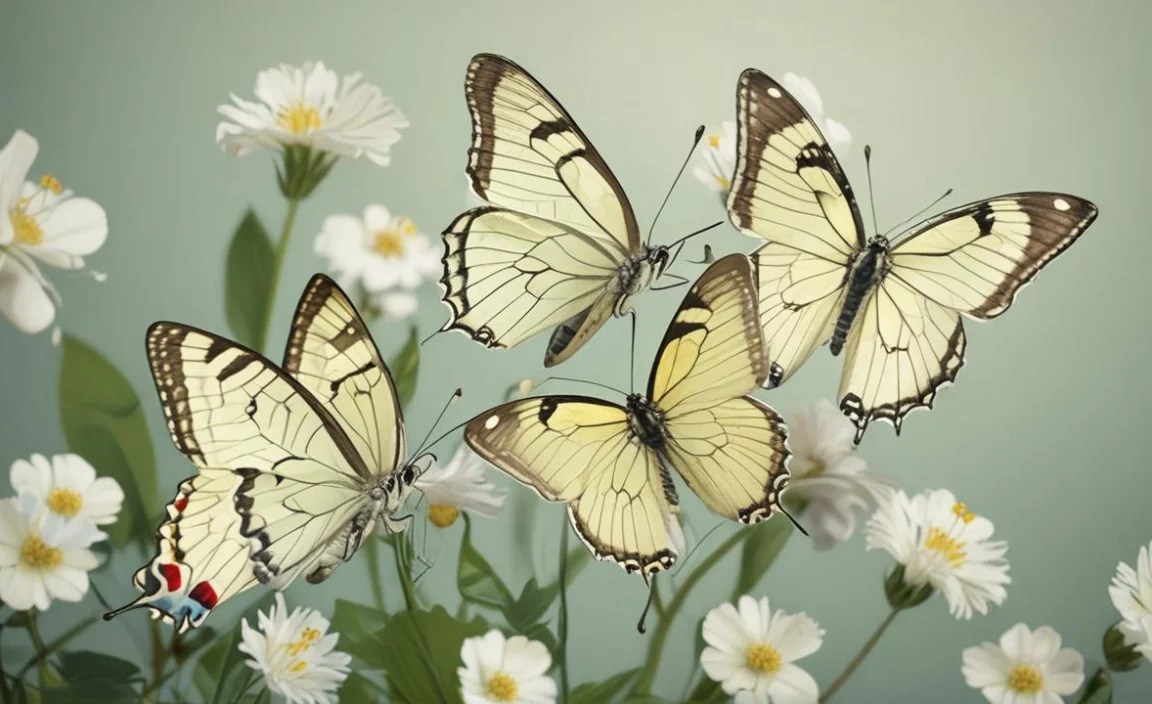
While many white and sulphur butterfly species are common, some face threats from habitat loss, pesticide use, and climate change.
Habitat Loss
The conversion of natural habitats into agricultural land, urban areas, and industrial sites is a major threat to butterflies. Habitat loss reduces the availability of food and shelter for butterflies and caterpillars.
Pesticide Use
Pesticides can directly kill butterflies and caterpillars or indirectly harm them by reducing the availability of host plants and nectar sources. Neonicotinoid insecticides, in particular, have been shown to have harmful effects on pollinators.
Climate Change
Climate change can alter butterfly habitats and disrupt their life cycles. Changes in temperature and rainfall can affect the availability of host plants and nectar sources, as well as the timing of butterfly emergence and migration. The National Wildlife Federation offers resources on how climate change impacts butterflies and other wildlife.
Conservation Efforts
Many organizations and individuals are working to conserve butterflies and their habitats. Here are some ways you can help:
- Plant a Butterfly Garden: Provide food and shelter for butterflies in your backyard.
- Avoid Pesticides: Use organic gardening methods and avoid using pesticides that can harm butterflies.
- Support Conservation Organizations: Donate to or volunteer with organizations that work to protect butterfly habitats.
- Educate Others: Share your knowledge about butterflies and the importance of conservation with friends, family, and neighbors.
- Advocate for Change: Support policies and practices that protect butterfly habitats and reduce pesticide use.
Frequently Asked Questions
Here are some common questions about white and sulphur butterflies.
What do white and sulphur butterflies eat?
Adult white and sulphur butterflies primarily feed on nectar from flowers. Caterpillars feed on the leaves of specific host plants, such as cabbage, clover, or alfalfa, depending on the species.
Are white and sulphur butterflies harmful to gardens?
Some species, like the Cabbage White, can be considered pests because their caterpillars feed on garden vegetables. However, most white and sulphur butterflies are harmless and can even be beneficial by pollinating flowers.
How can I attract more white and sulphur butterflies to my garden?
Plant nectar-rich flowers and host plants that attract these butterflies. Provide a water source, shelter, and avoid using pesticides.
What is the difference between a white butterfly and a moth?
Butterflies are typically active during the day, have brightly colored wings, and hold their wings upright when at rest. Moths are often active at night, have duller colors, and hold their wings flat or wrapped around their bodies.
How long do white and sulphur butterflies live?
The lifespan of a white or sulphur butterfly varies depending on the species and environmental conditions. Most adult butterflies live for a few weeks to a few months.
Are white and sulphur butterflies migratory?
Some sulphur butterflies, like the Cloudless Sulphur, are migratory, especially in North America. They move northward during the summer and southward in the fall.
What should I do if I find a caterpillar in my garden?
If the caterpillar is on a plant you don’t mind it eating, leave it alone. If it’s on a plant you want to protect, you can move it to a different plant of the same species or consider using organic pest control methods.
Conclusion
White and sulphur butterflies are beautiful and fascinating creatures that add vibrancy to our gardens and natural landscapes. By learning to identify different species, providing them with the resources they need, and protecting their habitats, we can help ensure that these butterflies continue to thrive for generations to come. Whether you’re a seasoned gardener, a nature enthusiast, or simply someone who appreciates the beauty of butterflies, there are many ways you can contribute to their conservation. So, get outside, explore your local butterfly populations, and share your passion for these amazing insects with others!


